هل يعاني طفلك من صعوبة في تذكر ما تعلمه؟ هل أنت قلق بشأن قدرته على حفظ المعلومات في مرحلة ما قبل المدرسة؟ هل يمكن لتغييرات بيئة تعلمه أن تساعد؟ هذه مخاوف شائعة لدى الآباء والمعلمين على حد سواء. في هذه المقالة، سنستكشف استراتيجيات فعالة لتعزيز ذاكرة الطفل، بما في ذلك رؤى تنموية رئيسية وتقنيات عملية يمكن أن تُحسّن بشكل ملحوظ من قدرته على حفظ المعلومات.
تحسين ذاكرة الطفل لا يقتصر على الحفظ فحسب، بل يتطلب تهيئة بيئة داعمة لنمو الدماغ. يُظهر علم الأعصاب أن المشاركة النشطة تُقوي الروابط في الحُصين، وهو الجزء المسؤول عن الذاكرة في الدماغ. يساعد التعلم التفاعلي، وحل المشكلات، وتوفير مساحة مُرتبة ومريحة للأطفال على التركيز وتحسين قدرتهم على حفظ المعلومات.
الذاكرة هي العامل الرئيسي في نمو الطفل التطور المعرفيلتحسينها، يحتاج الأطفال إلى تجارب تُعزز التعلم النشط والتذكر. دعونا نفهم كيف يُمكننا مساعدة الأطفال على تقوية ذاكرتهم وبذل الجهود اللازمة لتهيئة البيئة المثالية لنموهم المعرفي.
تطور الذاكرة في مرحلة الطفولة المبكرة
الذاكرة في مرحلة الطفولة المبكرة عملية معقدة تتضمن وظائف معرفية متعددة. خلال هذه المرحلة، يتطور دماغ الطفل بسرعة، ولذلك تلعب الذاكرة دورًا حاسمًا في نموه الشامل. وقد أظهرت الأبحاث أن أدمغة الأطفال الصغار مرنة للغاية، مما يعني أنها قادرة على تكوين روابط عصبية جديدة بسرعة. وهذا يجعل مرحلة الطفولة المبكرة الوقت الأمثل لتطبيق استراتيجيات تُعزز الذاكرة والقدرات المعرفية.
غالبًا ما تُصنف ذاكرة الطفل إلى ذاكرة قصيرة المدى، وذاكرة طويلة المدى، وذاكرة عاملة. لكل نوع من هذه الأنواع غرض مختلف ويتطور بمعدلات مختلفة. يمكن للتدخلات المبكرة التي تدعم نمو الذاكرة، مثل تلك الموجودة في بيئات مونتيسوري، أن تُسرّع هذه العملية.
الذاكرة قصيرة المدى
Short-term memory is a fundamental aspect of a child’s memory, referring to the capacity to briefly hold and manipulate information. For young children, this often involves retaining details long enough to complete tasks or follow sequences. An example of utilizing short-term memory is remembering simple instructions like “put the red block in the basket.”
At an early age, a child’s memory typically has limited short-term capacity. Nevertheless, this crucial skill can be nurtured through practice. Games and activities designed to encourage children to follow multi-step instructions or recall sequences of items are particularly beneficial in enhancing a child’s memory.
الذاكرة طويلة المدى
In contrast, long-term memory is the component of a child’s memory that enables storing information over extended periods, ranging from hours to many years. Long-term memory becomes increasingly vital as children grow and accumulate knowledge, essential for academic learning, personal experiences, and acquiring life skills.
Young children’s long-term memory develops progressively, and its enhancement can be effectively supported through repeated exposure to core concepts. Montessori-based activities, characterized by repetition and active interaction with materials, significantly boost a child’s memory by reinforcing retention and deepening understanding over time.
Working Memory
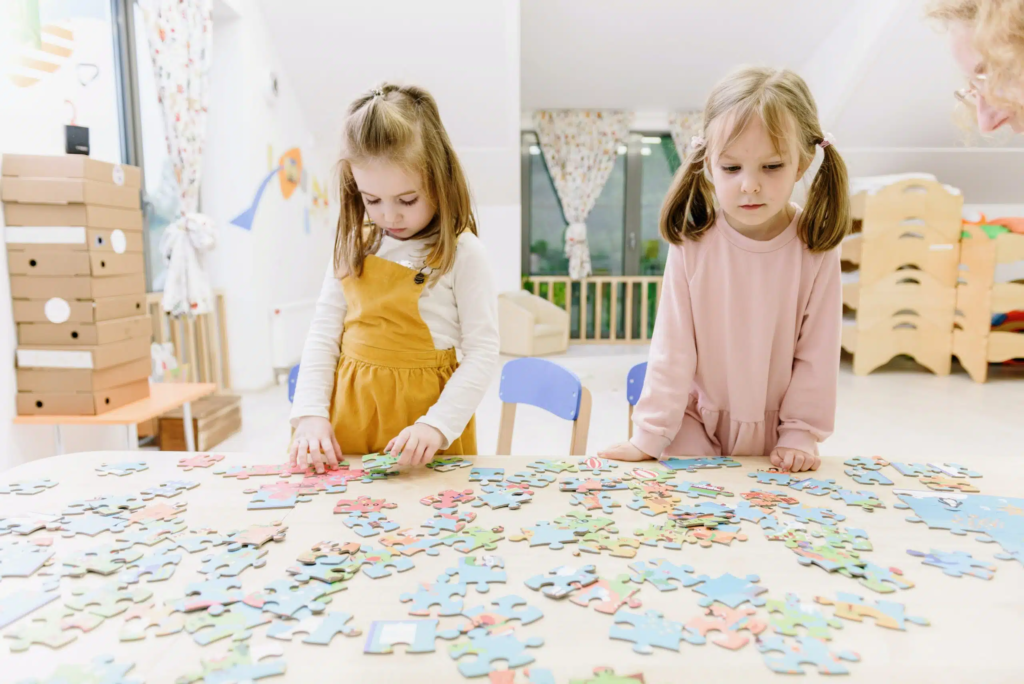
Working memory is a critical function of a child’s memory system that enables them to temporarily hold and manipulate information needed to complete tasks. For instance, when solving a puzzle, a child must remember the shapes and where each piece belongs—an active use of working memory. Unlike short-term memory, which involves passive recall, working memory involves active mental processing and decision-making.
This aspect of a child’s memory plays a foundational role in problem-solving, learning, and day-to-day functioning. As children grow, especially during their early school years, the development of working memory becomes vital for managing multi-step instructions and tackling academic challenges.
10 Practical Strategies to Improve a Child’s Memory
Once we understand the key factors that influence memory, the next step is to put practical techniques into action. These strategies combine research-based insights with everyday activities, making them easy to integrate into a child’s daily routine. By using a mix of games, visualization, and active learning, parents and teachers can help children strengthen their memory while also making the process fun and engaging.
1. Develop Visualization Skills
Visualization is a powerful tool that strengthens a child’s memory by turning abstract information into vivid mental images. For example, if you ask your child to set the table for five people, encourage them to imagine the table in their mind. Younger children may draw it, while older children can describe it out loud. With practice, this technique helps improve recall and makes information easier to remember.
2. Turn Children into “Little Teachers”
Explaining a concept to others is one of the best ways to learn. When children are asked to teach their parents, siblings, or peers, they must make sense of the information and organize it clearly. For instance, if they are learning to dribble a basketball, have them demonstrate and explain the steps. This active processing helps deepen understanding and strengthen recall.
3. Use Games to Train Memory
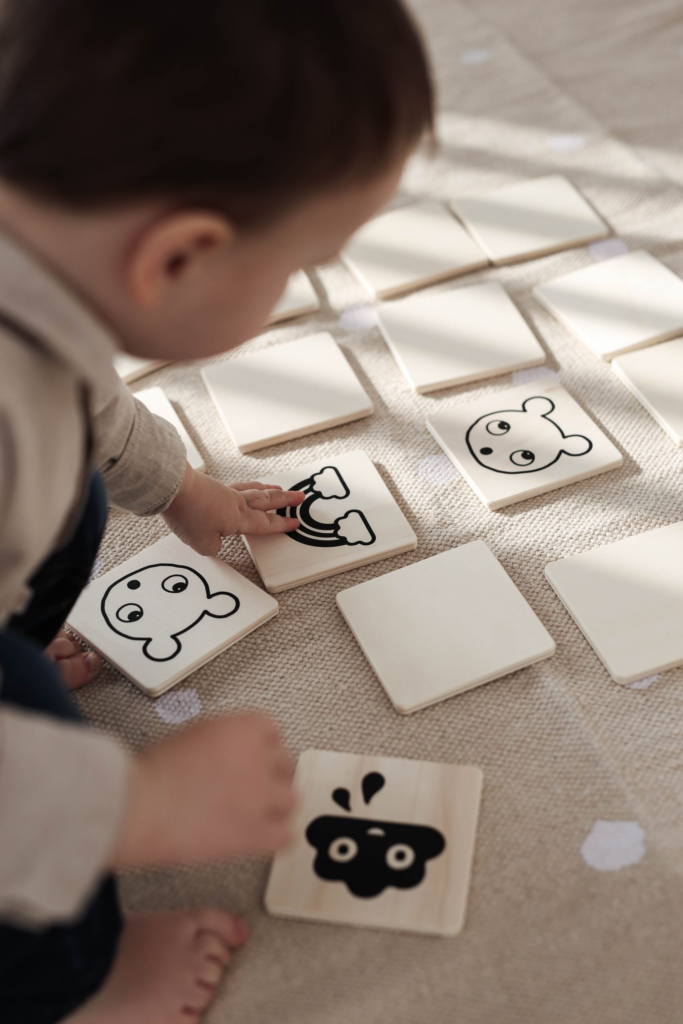
Play-based activities are highly effective in improving a child’s memory. Games such as Memory (Concentration), Uno, Go Fish, or Crazy Eights challenge children to remember rules, cards, and sequences. Even simple activities like spotting letters on license plates or circling words in a magazine can sharpen visual memory. These playful methods make learning enjoyable while training recall skills.

4. Incorporate Visual Aids and Tools
Children often benefit from seeing information displayed in structured ways. Flashcards, mind maps, and keyword charts help organize details and establish connections between concepts. A visual aid not only makes review easier but also helps children anchor abstract information to something concrete, improving long-term retention.
5. Create Rhymes and Songs
Our brains are naturally wired to remember rhythm and melody. Turning information into songs, poems, or chants makes it much easier to recall. For example, children often learn the alphabet through song, and multiplication tables can also be remembered more effectively when set to a rhythm.
6. Encourage Active Learning and Questioning
Children retain more information when they ask questions and engage in discussions. Encouraging curiosity allows them to explore the “why” and “how” of concepts, leading to deeper comprehension. This critical thinking ensures knowledge is stored in long-term memory, enhancing a child’s memory capacity far beyond rote memorization.

7. Use Multi-Sensory Learning
Engaging multiple senses enhances memory formation. A child can listen to a passage, read it aloud, and then act it out. For example, when learning vocabulary, they can write the word, say it out loud, and use it in a role-play scenario. This layered approach creates stronger neural connections and makes recall easier.
8. Break Information into Chunks
Large amounts of information can overwhelm a child’s memory. Instead, break tasks into smaller, manageable steps. This is why phone numbers and social security numbers are grouped with hyphens. In learning, parents and teachers can do the same by breaking down assignments into parts or giving instructions step by step. Pairing this method with spaced repetition (reviewing material at intervals) further strengthens long-term memory.
9. Build Associations and Connections
Helping children form associations between details makes them easier to remember. Mnemonics, acronyms, and storytelling are effective tools. For example, the acronym “ROY G. BIV” helps children remember the colors of the rainbow. Similarly, connecting new information to a child’s personal experiences or interests makes the content more meaningful and memorable.
10. Make Learning Fun and Relevant
Children are more likely to remember what excites them. Visiting museums, libraries, or science centers can bring abstract ideas to life. Parents can also connect lessons to real-life experiences—counting fruit in a grocery store, identifying shapes in buildings, or discussing colors while painting. When learning feels enjoyable and relevant, memory retention improves naturally.
الأسئلة الشائعة
1. ما هو عجز الذاكرة العاملة؟
ضعف الذاكرة العاملة يعني صعوبة في حفظ المعلومات ومعالجتها لفترات قصيرة. قد يواجه الأطفال المصابون بهذه المشكلة صعوبة في تذكر التعليمات أو اتباع المهام متعددة الخطوات، مما قد يؤثر على التعلم والأنشطة اليومية.
2. كيف يمكنني المساعدة في تحسين الذاكرة العاملة لطفلي؟
لتحسين ذاكرة طفلك العاملة، جرّب أنشطةً مثل ألعاب الذاكرة، والتكرار، والتمارين التي تتطلب منه اتباع التعليمات أو حل المسائل. ألعابٌ مثل "البينغو" أو "التركيز" تُساعد على تقوية مهارات الذاكرة لديه.
3. كيف يمكنني مساعدة طفلي على الاحتفاظ بالمعلومات؟
شجّع طفلك على استخدام تقنيات مثل التصور، وتجميع المعلومات، وربط المعارف الجديدة والقديمة. التكرار والممارسة المستمرة أساسيان أيضًا لمساعدته على حفظ المعلومات واسترجاعها بفعالية أكبر.
4. ما هي علامات الذاكرة الفوتوغرافية عند الطفل؟
الذاكرة التصويرية لدى الأطفال نادرة، ولكن يمكن أحيانًا تمييزها من خلال قدرة الطفل على تذكر التفاصيل بدقة متناهية بعد رؤية شيء ما مرة واحدة فقط. قد يتذكر الطفل ذو الذاكرة التصويرية أحداثًا ماضية، أو صفحات محددة من كتب، أو صورًا بتفاصيل دقيقة. قد يصف مشاهد أو أشياءً بطريقة تبدو أشبه بصورة فوتوغرافية في ذهنه. إذا لاحظت أن طفلك يتذكر الأشياء بتفاصيل استثنائية، فمن المفيد مناقشة ذلك مع أخصائي لفهم قدرات ذاكرته بشكل أفضل.
5. ما الذي قد يسبب فقدان الذاكرة المفاجئ عند الطفل؟
قد يكون فقدان الذاكرة المفاجئ لدى الأطفال أمرًا مثيرًا للقلق، وقد يكون ناجمًا عن عوامل مختلفة. قد ينتج عن إصابة جسدية، مثل ارتجاج أو صدمة في الرأس، مما يؤثر على وظائف الدماغ. كما يمكن أن يؤدي الضغط النفسي أو القلق أو أي تغييرات كبيرة في حياة الطفل إلى مشاكل مؤقتة في الذاكرة. قد تُسبب قلة النوم، أو العدوى كالحمى، أو المشاكل العصبية فقدان الذاكرة أيضًا. إذا عانى طفلك من فقدان ذاكرة مفاجئ، فمن المهم استشارة مقدم الرعاية الصحية لتحديد السبب الكامن وطلب الرعاية المناسبة.
6. When should I be concerned about my child’s memory?
You should be concerned if your child frequently forgets familiar routines, struggles with simple instructions, or shows difficulty recalling recent events. If these signs persist across different settings and interfere with learning or daily life, consult a pediatrician or child development specialist.
خاتمة
في الختام، لا يقتصر تعزيز ذاكرة الطفل على مجرد التركيز على التذكر؛ بل يشمل تهيئة بيئة تُغذي نموه المعرفي. بتطبيق استراتيجيات فعّالة كالتكرار والتخيل والتعلم العملي، وتوفير بيئة منظمة وداعمة، يُمكننا مساعدة الأطفال على تقوية ذاكرتهم وقدراتهم على التعلم. فعندما نوفر للأطفال الأدوات المناسبة والبيئة المُناسبة، نُهيئ لهم الأساس اللازم للنجاح أكاديميًا وشخصيًا.
في شيها كيدزنحن ندرك أهمية تصميم مساحة تعليمية جيدة في نمو الطفل. بصفتنا شركة رائدة في تصنيع وتوريد أثاث ما قبل المدرسة، بخبرة تزيد عن 20 عامًا في هذا المجال، نقدم حلولاً شاملة، بدءًا من تصميم الفصول الدراسية وإنتاج الأثاث حسب الطلب، وصولًا إلى فحص الجودة والتسليم. مجموعتنا الواسعة من أثاث ما قبل المدرسةمتوفر بتصاميم ومواد وأحجام متنوعة، مصمم لتوفير بيئة مثالية للأطفال للنمو والتعلم والتذكر. دعنا نساعدك في بناء بيئة تعليمية مثالية لأطفالك.
 Arabic
  English
  French
  Italian
  German
  Spanish
  Thai
Thai  Japanese