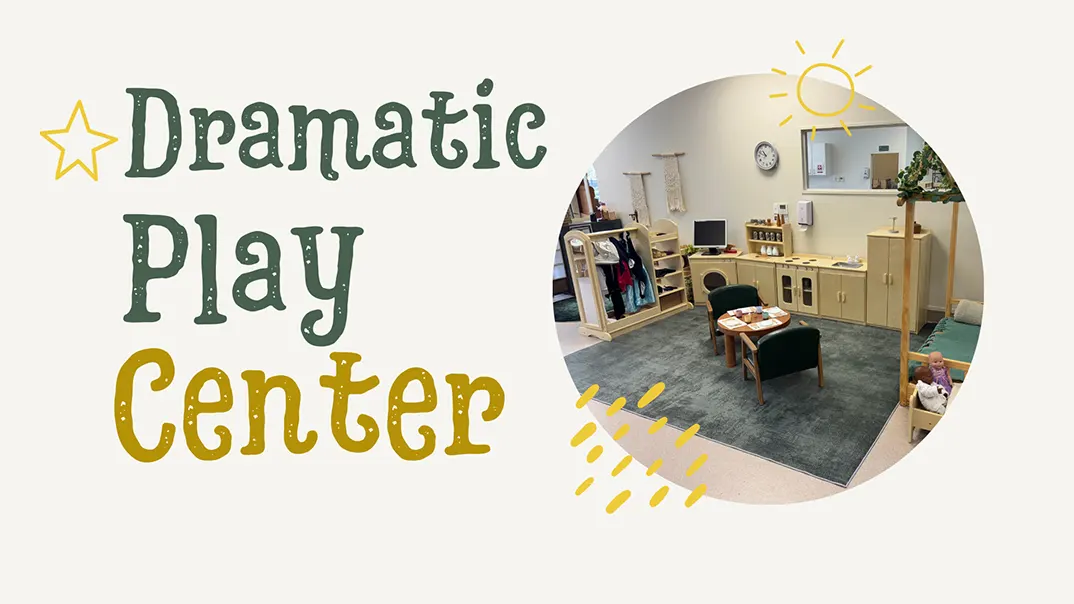
To set up a dramatic play center in your preschool classroom, you need to intentionally define its learning purpose, select a structured and visible location, furnish it with durable child-sized equipment, and organize materials so children can access and return them independently. A successful dramatic play area is a carefully planned learning environment that integrates space design, furniture selection, curriculum goals, and safety considerations.
In high-quality early childhood programs across the United States, Canada, and Australia, dramatic play is recognized as a core component of developmentally appropriate practice. According to the NAEYC, play-based learning supports language growth, social competence, and self-regulation when environments are intentionally designed rather than loosely assembled. The physical setup of the dramatic play center directly influences how children communicate, negotiate roles, and extend their ideas.
In this guide, we will walk step by step through how to design and set up a professional dramatic play center that supports curriculum goals, meets safety standards, and withstands daily classroom use.
Planning Before You Set Up: What Is the Purpose of Your Dramatic Play Center?
Before you move furniture or purchase new props, take a moment to ask yourself a simple question: What is the purpose of your dramatic play center? Your answer will shape the layout, the materials you select, and the size of the area.
Supporting Language and Communication Skills
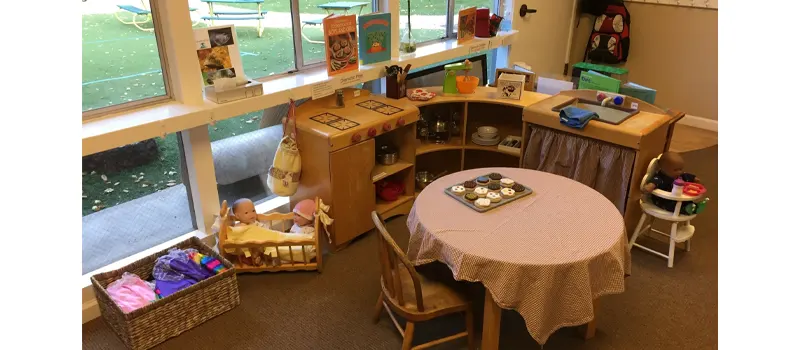
If your primary goal is to strengthen language development, your dramatic play center should be designed to encourage conversation and storytelling. This means allowing enough space for children to face one another, including realistic props that prompt dialogue, and adding simple print materials such as menus, appointment books, order forms, or labels. Open shelving that keeps materials visible also encourages children to name and discuss objects during play.
Strengthening Social and Emotional Development
If you want to build cooperation and self-regulation, control the number of children who can use the space at one time and create clear physical boundaries. Use low shelving or corner units to define the area so children understand where the play begins and ends. Provide enough duplicates of high-interest items to reduce conflict, but avoid overfilling the space. Clear organization and defined zones help children negotiate roles more calmly and stay engaged longer.
Extending Curriculum Themes and Academic Skills
If your dramatic play center supports current classroom themes, choose furniture and storage that allow easy rotation. For example, use modular shelving and movable counters that can shift from a grocery store to a post office without replacing the entire setup. Group related materials together in labeled bins so transitions between themes are efficient. When the space adapts easily, you can connect dramatic play directly to math, literacy, science, or seasonal units without disrupting your classroom flow.
Where Should a Dramatic Play Center Be Placed?
A dramatic play center should be placed in a clearly defined area of the classroom that allows active conversation, visible supervision, and minimal disruption to quieter learning zones. The location you choose affects noise levels, traffic flow, engagement time, and classroom management. Instead of selecting an empty corner by default, evaluate how the space interacts with the rest of your classroom layout.
1. Avoid High-Traffic Pathways
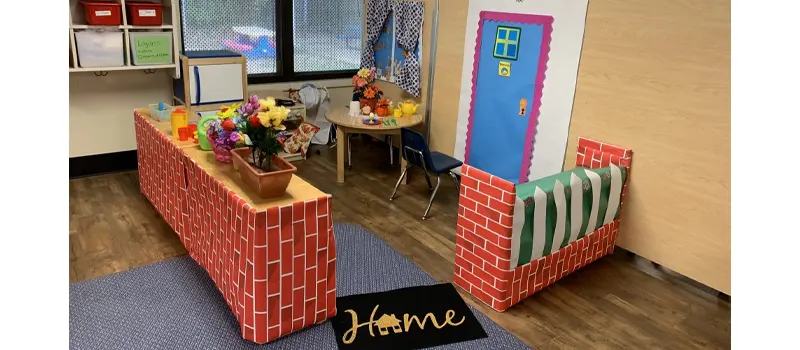
Do not place the dramatic play center along main walking routes such as the path to the restroom, cubbies, or classroom entrance. Constant movement breaks children’s focus and increases collisions. Choose a location that feels slightly contained rather than transitional. If children frequently need to walk through the area to reach another zone, it is not the right spot.
2. Separate It from Quiet Learning Areas
Dramatic play naturally includes conversation, movement, and role negotiation. Placing it directly next to a reading corner or writing table can create ongoing noise conflicts. If possible, position it near other active areas such as blocks or construction play, where a moderate noise level is already expected. This zoning strategy helps balance the overall classroom sound environment.
3. Ensure Clear Teacher Visibility
You should be able to see the entire dramatic play area from multiple points in the classroom. Avoid placing it behind tall cabinets or in blind corners. Low shelving works well because it defines the space without blocking supervision. Clear visibility allows you to observe social interaction, step in when needed, and assess learning without interrupting play.
4. Use Natural Boundaries to Define the Space
Children engage more meaningfully when they understand where an activity area begins and ends. Defined boundaries help contain materials and prevent the center from blending into unrelated zones.
Effective boundary strategies include:
- Low open shelves
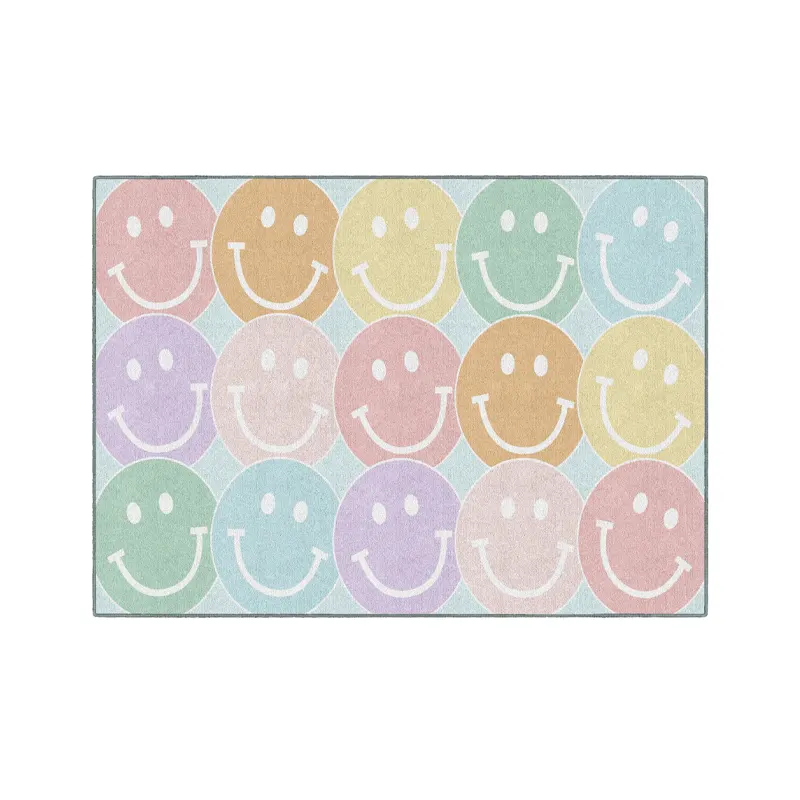
- Area rugs
- Corner placement
- Angled furniture configurations
These subtle spatial cues reduce material migration and maintain classroom order without making the space feel closed off.
Choose the Dramatic Play Themes
Choosing the right theme gives your dramatic play center direction and purpose. A well-selected theme should reflect children’s real-life experiences, connect to your current curriculum, and be flexible enough to adapt throughout the year.
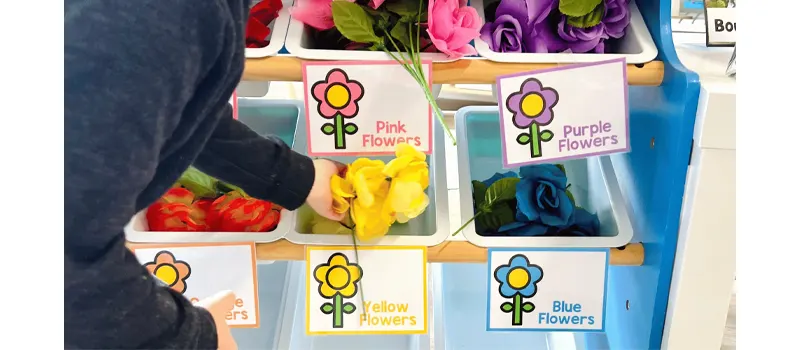
- Play Kitchen: A play kitchen setup focuses on everyday routines such as cooking, serving, and cleaning, encouraging role exchange and cooperative play.
- Market and Grocery Store: A market setup includes baskets, food items, and checkout elements that support counting, sorting, and role-based interaction.
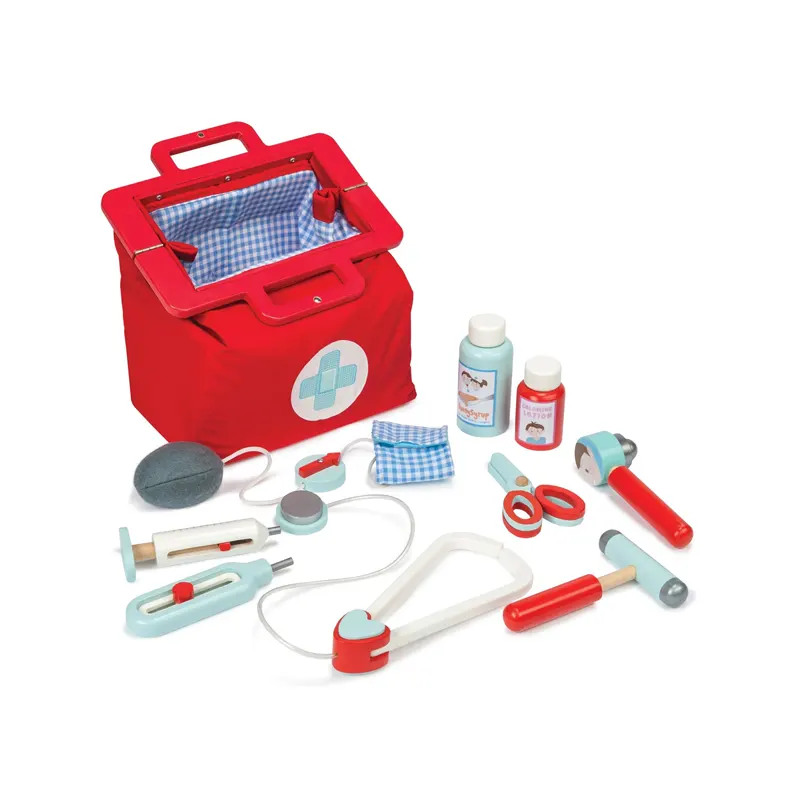
- Doctor’s Office: A medical theme supports social-emotional development by helping children process real-world experiences, such as visiting a doctor.
- Play Living Room: A living room theme recreates familiar home environments where children can practice conversation and storytelling through pretend family roles.
- Puppets Theater: A puppet area provides characters and a small performance space to encourage storytelling and expressive language.
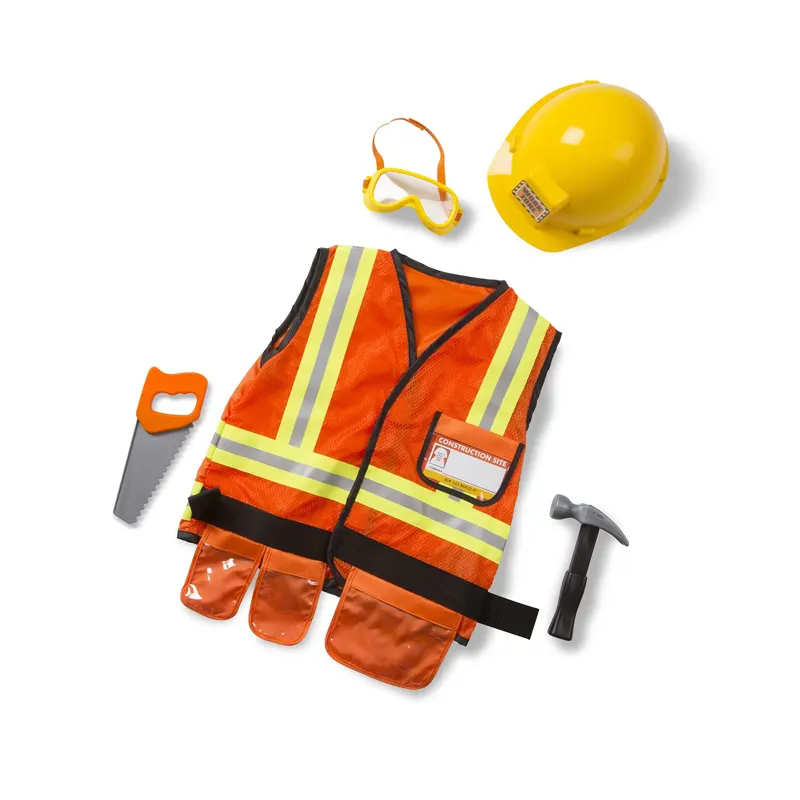
- Carpentry: A carpentry theme introduces tools, workbenches, and building materials that support problem-solving and hands-on construction play.
If you are looking for a broader list of theme ideas and detailed implementation suggestions, you can explore our full guide to dramatic play themes here: Idee per spettacoli teatrali
What Should Be in a Dramatic Play Area?
After defining your theme and assessing your available space, the next step is to select furniture and materials that align with both the learning goals and the layout of your dramatic play area. A well-equipped dramatic play area should include child-sized functional furniture, realistic role-play props, organized storage, and soft elements that define the space.
1. Child-Sized Role Play Furniture
At the heart of any dramatic play area is realistic, scaled-down furniture that reflects real-world environments. Common foundational pieces include:


- A play kitchen unit
- A market or store counter
- A medical station
- A home living setup
Child-sized proportions matter. When furniture is appropriately scaled, children can move naturally, reach materials independently, and fully engage in pretend scenarios without frustration.
2. Organized and Accessible Storage
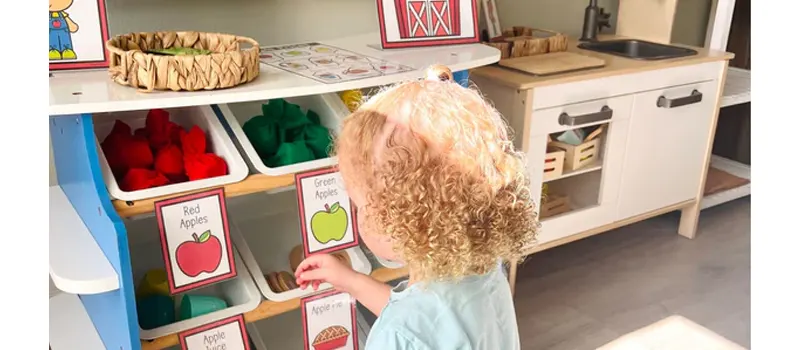
Storage determines whether the space feels structured or chaotic. Use low, open shelving so children can see and independently access materials. Group related items together in labeled bins, and avoid overcrowding shelves. When materials are easy to reach and easy to return, children take greater responsibility for cleanup, and transitions become smoother.
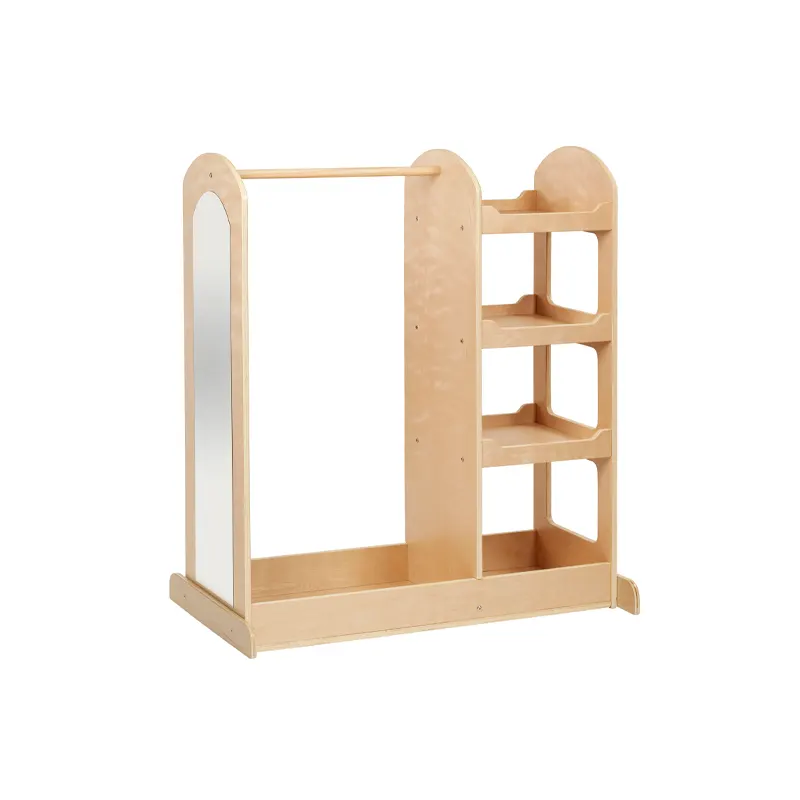
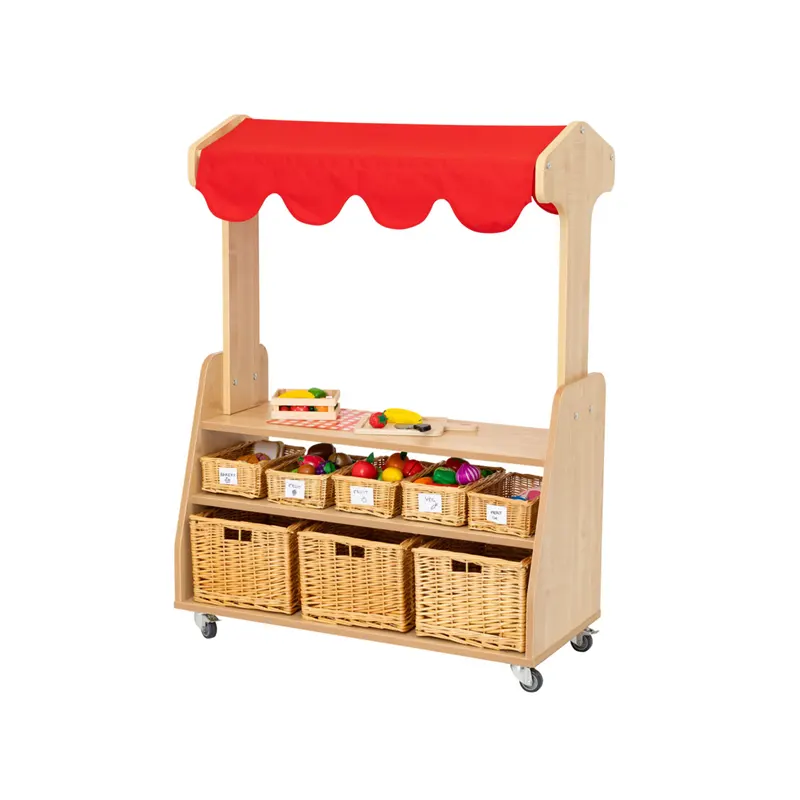
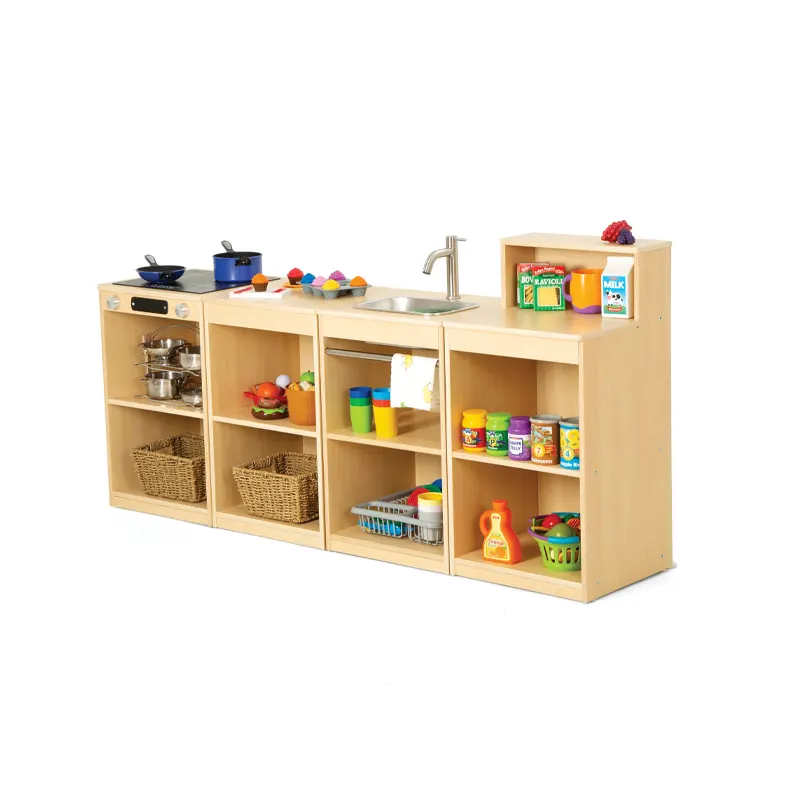
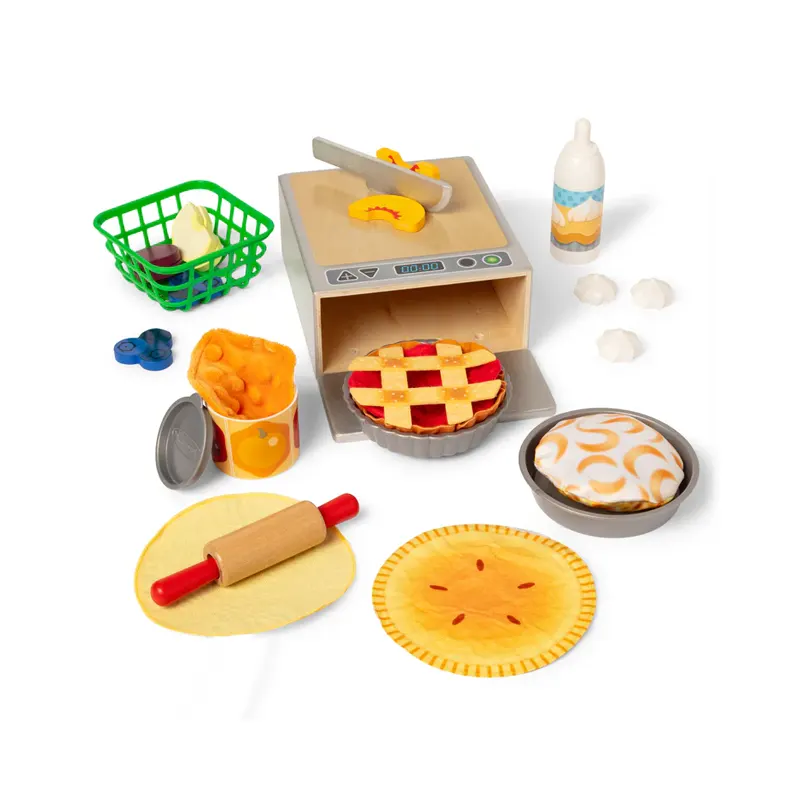
3. Realistic Props and Role-Play Materials
Props bring authenticity to role play. Depending on your theme, this might include food play, grocery baskets, doctor kits, writing pads, menus, uniforms, or cash registers. The most effective props are simple, open-ended, and reflective of real life. Overly complex electronic toys often reduce imaginative depth rather than enhance it.
4. Soft Furnishings to Define the Space
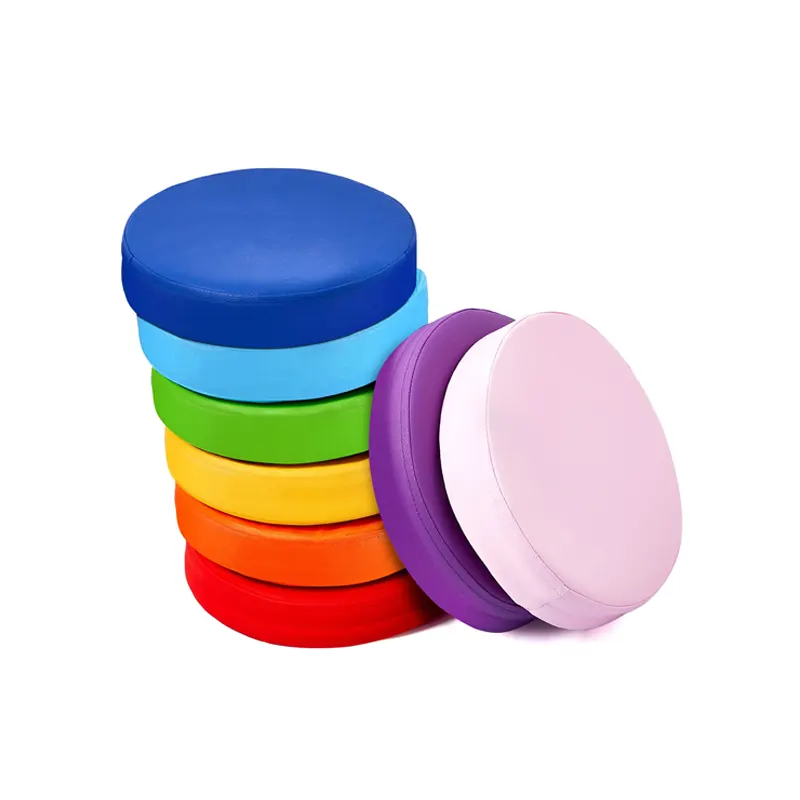
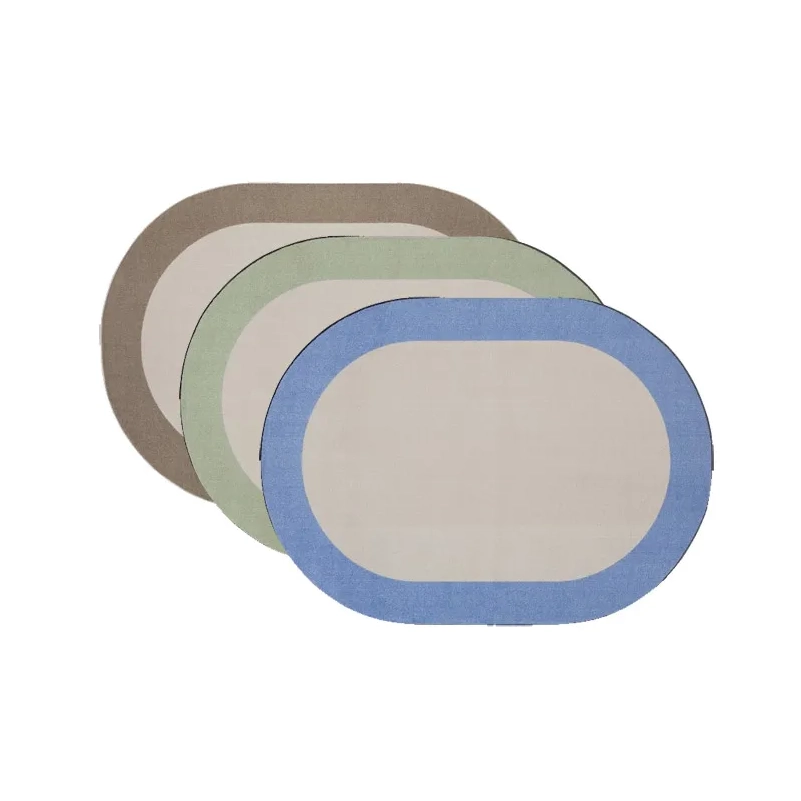
Add a rug, small seating, or cushions to visually define the area and create comfort. A rug helps children understand where play happens and reduces noise in active zones. Soft elements also make the space feel inviting without requiring additional furniture. Defined edges reduce material migration into adjacent centers and improve overall classroom order.
5. Visual Cues and Literacy Extensions
A dramatic play area becomes significantly more powerful when literacy elements are integrated naturally. Examples include:
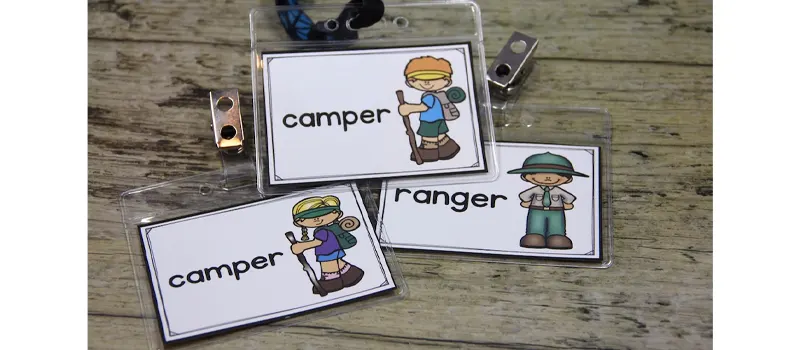
- Printed menus
- Recipe cards
- Name tags
- Signs and labels
These additions encourage children to experiment with written language in a meaningful context. According to the NAEYC, literacy-rich play environments support early reading and writing development through authentic interaction rather than direct instruction alone.
How to Keep Your Dramatic Play Center Organized and Safe?
To keep your dramatic play center organized and safe, you need clear storage systems, controlled material rotation, consistent cleanup routines, and furniture that is stable and easy to supervise. Organization and safety are not separate tasks. When the space is structured intentionally, daily management becomes smoother, and risks are reduced.
Limit and Rotate Materials Regularly
Avoid placing every available prop in the center at once. Too many items lead to clutter, lost pieces, and overstimulation. Keep only the materials that support your current theme and store the rest in labeled bins outside the area. Rotating props every few weeks refreshes interest while keeping the space manageable. Fewer, well-chosen materials result in more focused play and easier supervision.
Use Clearly Defined Storage Zones
Assign specific shelves or bins to specific categories of items, such as cooking tools, dress-up clothes, or writing materials. Keep heavy or frequently used items on lower shelves to reduce lifting risks. Avoid stacking items above children’s reach, and make sure storage units are stable and anchored if necessary. When everything has a designated place, cleanup becomes part of the learning process rather than a daily struggle.
Establish Simple Cleanup Expectations
Teach children a predictable routine for restoring the space at the end of play. Visual cues such as labeled bins, photo guides, or outline markers on shelves can help children return items correctly. Keep expectations consistent and limit the number of children allowed in the area at one time to prevent overwhelming messes. Clear routines reduce chaos and support independence.
Prioritize Stable Furniture and Clear Visibility
Choose furniture with rounded edges, secure construction, and a low center of gravity to prevent tipping. Avoid tall cabinets that block supervision or create blind spots. Maintain enough open floor space for movement to reduce collisions. When you can see the entire area easily, you can step in early if materials are misused or conflicts begin to escalate.
Budget Planning and Smart Purchasing
A dramatic play center does not require an excessive budget, but it does require thoughtful allocation. The goal is not to purchase the most decorative setup, but to invest in pieces that support daily use, safety, and long-term durability.
Smart purchasing begins with understanding the difference between short-term savings and long-term value. In a commercial preschool environment, furniture and materials are used by multiple children every day. Items that appear cost-effective initially may require frequent replacement if they are not designed for high-frequency use.

Prioritize Structural Pieces First
Start with the foundational elements:
- Stable child-sized role play units
- Durable open shelving
- Defined boundary elements
These structural components shape how the space functions. Once the foundation is secure, smaller accessories and props can be added gradually. Attempting to save by purchasing low-grade core furniture often results in higher replacement costs and potential safety concerns. Structural integrity should never be compromised.
Think in Phases, Not All at Once
Budget constraints are common, especially for new programs or expanding classrooms. Instead of building the entire dramatic play center at once, consider a phased approach.
Per esempio:
- Phase 1: Core furniture and basic theme setup
- Phase 2: Literacy extensions and additional props
- Phase 3: Theme rotation materials
Evaluate Durability and Maintenance Costs
In early childhood settings, materials must withstand daily cleaning and repeated handling. Surfaces should be easy to sanitize and resistant to wear. Low-maintenance finishes reduce long-term labor costs. Hardware that remains secure under frequent use prevents ongoing repair expenses. Over time, durability often outweighs minor differences in initial pricing.
Align Purchases with Your Classroom Layout
Before investing in large units, review your classroom floor plan. Oversized furniture that does not match the available space can disrupt flow and require costly rearrangements. Intentional layout planning helps ensure that every purchase fits the room’s dimensions, circulation pathways, and supervision needs. When purchasing decisions are aligned with spatial design, budgets are used more efficiently.
Domande frequenti
- What is a dramatic play center?
A dramatic play center is a designated classroom area where children engage in role-based, imaginative scenarios such as running a store, cooking meals, or working in a clinic. Unlike free play with random toys, a structured dramatic play area is intentionally designed to support social interaction, language development, and real-world skill building within a defined environment. - How often should dramatic play themes be changed?
Themes can be rotated every four to eight weeks, depending on children’s interests and your curriculum goals. Some themes, such as home living, can remain longer and be refreshed with new props. Rotating selectively keeps the space engaging without requiring a complete redesign each time. - How can teachers extend learning in a dramatic play center?
Teachers can extend learning by observing interactions, introducing new vocabulary, adding literacy materials such as menus or forms, and gently guiding problem-solving conversations. According to the NAEYC, adult scaffolding during play strengthens both cognitive and social outcomes without taking control of the activity. - Can a dramatic play center work in a small classroom?
Yes, but intentional layout planning becomes even more important. Compact classrooms benefit from multifunctional units, defined boundaries, and careful theme selection. Even a smaller dramatic play area can remain highly effective if the space is organized and aligned with enrollment capacity.
Conclusione
For schools planning a new classroom or upgrading an existing space, taking time to review layout, durability standards, and long-term maintenance needs can prevent costly adjustments later. Thoughtful planning at the beginning leads to smoother classroom flow, improved safety, and deeper child engagement.
A well-designed dramatic play center is not an accessory to your curriculum. It is a strategic investment in how children learn, communicate, and grow. Xiha Kidz can support your project with a one-stop solution. From space planning and layout optimization to child-sized commercial-grade furniture and theme-based configurations, we help you design a dramatic play center that fits your room dimensions, enrollment size, and curriculum goals.


 Italian
  English
  Arabic
  French
  German
  Spanish
  Thai
Thai  Japanese