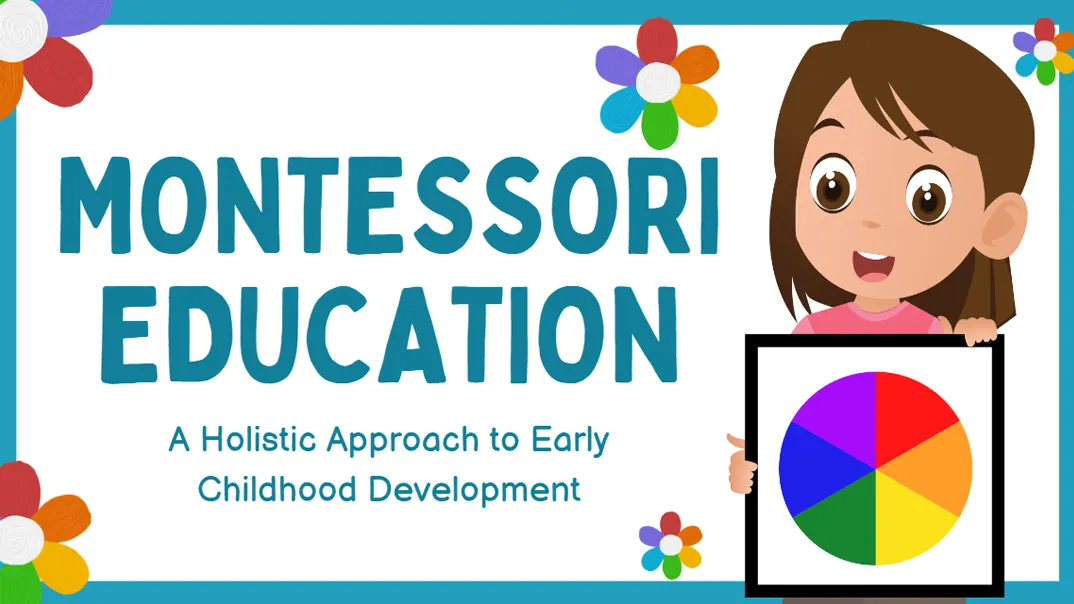
غالبًا ما تفتقر أنظمة التعليم التقليدية إلى المرونة وتفشل في التكيف مع احتياجات كل طفل التنموية، مما يترك الكثيرين غير منخرطين أو متوترين. يوفر تعليم مونتيسوري نهجًا فرديًا يركز على الطفل، ويشجع على التعلم العملي والاستقلالية والتعاون الاجتماعي، مما يضمن تجربة تعليمية أكثر تفاعلية.
يقوم أساس تعليم مونتيسوري على الإيمان بأن الأطفال بطبيعتهم شغوفون بالتعلم وقادرون على استيعاب كمّ هائل من المعرفة عند توفير الأدوات والبيئة المناسبة. تحظى هذه الطريقة بشعبية خاصة في تعليم مونتيسوري لمرحلة ما قبل المدرسة، وتُطبّق على نطاق واسع عالميًا. دعونا نتعمق في معنى تعليم مونتيسوري ومبادئه وتأثيره العميق على نمو الطفل.
What Is Montessori Education?
The curriculum of Montessori education is structured around the idea that children learn best through hands-on experiences and self-directed activity. In this Montessori education system, children choose tasks from various educational materials designed to teach specific skills. This promotes a deep, intrinsic love of learning, making education enjoyable rather than a chore.
ماذا يعني تعليم مونتيسوري؟ إنه يُعنى برعاية الطفل من جميع جوانبه، فكريًا واجتماعيًا وعاطفيًا. تُتيح هذه الطريقة للأطفال ممارسة اهتماماتهم بينما يُقدم المعلم (المُشار إليه كمرشد) توجيهًا سلسًا وواضحًا. يُنمّي هذا النهج التعليمي المونتيسوري مهارات التفكير النقدي والاستقلالية وحل المشكلات، وهي مهارات أساسية للتعلم مدى الحياة.
تطور تعليم مونتيسوري
يعود تاريخ تعليم مونتيسوري إلى عام 1907 عندما افتتحت الدكتورة ماريا مونتيسوري أول "بيت الأطفال(دار الأطفال) في روما. صُممت منهج مونتيسوري التعليمي في البداية للأطفال المحرومين، وسرعان ما اكتسبت شهرة واسعة لنجاحها في مساعدة الأطفال على تحقيق الاستقلالية والتفوق الأكاديمي. وعلى مر السنين، امتدت مبادئ مونتيسوري من التعليم في مرحلة الطفولة المبكرة إلى أنظمة التعليم الابتدائي وحتى الثانوي.
من أسباب انتشار تعليم مونتيسوري عالميًا قدرته على التكيف. فمع تقدم الأبحاث في مجال تعليم الطفولة المبكرة، حظيت نظرية مونتيسوري في هذا المجال بدعم من الدراسات العلمية التي أقرت بأهمية بيئة تعليمية عملية يقودها الطفل. واليوم، يحظى منهج مونتيسوري التعليمي بالاعتراف والتقدير عالميًا، حيث تطبق آلاف المدارس منهج مونتيسوري في تعليم الطفولة المبكرة في أكثر من 140 دولة.
مع تزايد الطلب على التعلم الفردي، تستمر فلسفة مونتيسوري في التعليم في التطور، مما يؤثر على أنظمة التعليم الحديثة ونماذج التعليم البديلة.
فهم ماريا مونتيسوري
طبيب ومعلم إيطالي، الدكتورة ماريا مونتيسوريأحدثت ثورة في التعليم من خلال مناصرة نهج يركز على الطفل. لعبت خلفيتها الطبية دورًا حاسمًا في رصدها لسلوكيات التعلم الطبيعية لدى الأطفال، مما أدى إلى تطوير منهج مونتيسوري التعليمي. سلّط عملها مع الأطفال ذوي صعوبات التعلم الضوء على الحاجة إلى بيئة تعليمية مرنة وداعمة.
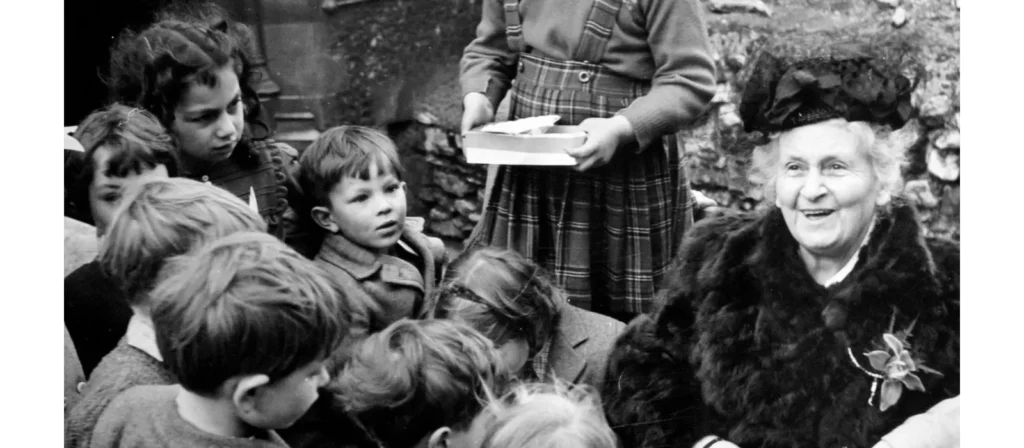
قالت مونتيسوري ذات مرة: "التربية عملية طبيعية يقوم بها الطفل ولا يكتسبها من خلال الاستماع إلى الكلمات بل من خلال الخبرات في البيئة المحيطة"، وهو ما يعكس إيمانها بالتعلم التجريبي. هذه Maria Montessori quotes التأكيد على أهمية تمكين الأطفال من التحكم في تعلمهم. لقد ترك عمل مونتيسوري أثرًا لا يُمحى على النظرية التربوية، وأثّر على كيفية إدراكنا لتطور عقول الشباب.
10 Principles of the Montessori Method
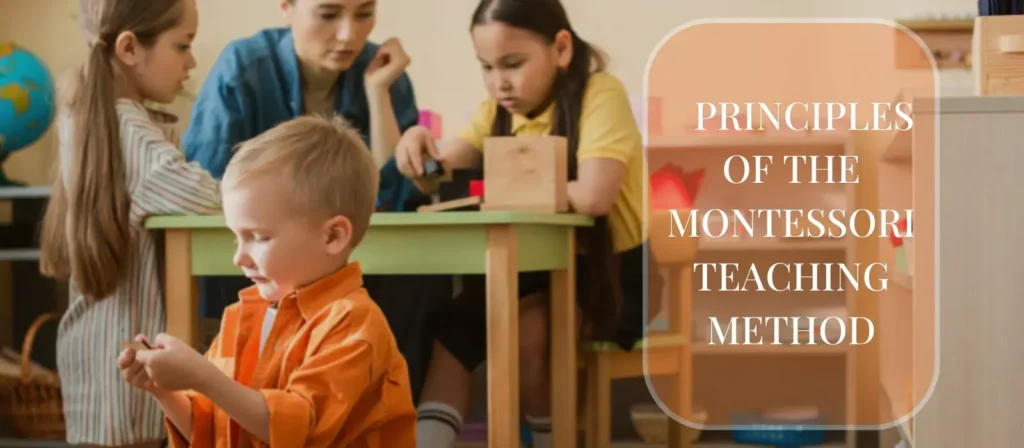
1. احترام الطفل
Respect is the foundation of Montessori education. It means recognizing each child as a unique individual with their own interests, pace of development, and potential. Teachers observe carefully, guide gently, and allow children to make meaningful choices. By treating children with dignity and trust, they build confidence, self-worth, and a sense of mutual respect that supports healthy relationships and emotional growth.
2. Absorbent Mind
Maria Montessori described the young child’s mind as absorbent, meaning that children naturally and effortlessly take in information from their surroundings during their early years. From birth to around six years old, children learn continuously through direct experiences. The Montessori environment is designed to provide rich and purposeful activities that feed this capacity and help them build the foundation for language, culture, movement, and cognitive development.
3. الفترات الحساسة
Sensitive periods are specific stages in a child’s early development when they are particularly receptive to learning certain skills or concepts. During these windows, learning happens with ease and joy. Montessori teachers closely observe to identify these moments and provide the right materials and experiences at the right time, allowing children to make the most of their natural potential for growth.
4. Educating the Whole Child
Montessori education aims to nurture every aspect of a child’s development. It focuses not only on intellectual growth but also on emotional, social, physical, and moral development. Children are encouraged to explore practical life skills, social relationships, cultural understanding, and respect for the environment. This holistic approach builds independence, empathy, self-discipline, and a lifelong curiosity about the world.
5. Individualised Learning
Each child learns in a unique way and at their own pace. Montessori education is designed to respond to these differences rather than forcing all children to follow the same path. Lessons are tailored to individual needs, and children are free to explore topics that capture their interest. This personalized approach helps them develop a deeper understanding, sustained focus, and a strong sense of self-motivation.
6. Freedom of Movement and Choice
Freedom is a key principle in Montessori classrooms. Children are encouraged to move, explore, and choose their activities independently. They decide how long to work on a task and how they wish to approach it. This freedom builds decision-making skills, responsibility, and self-control. It also supports physical development and concentration by allowing children to engage with the environment in natural, purposeful ways.
7. Prepared Environment
The Montessori environment is carefully organized to support independent learning. Everything in the classroom is intentionally placed to encourage exploration and discovery. Materials are arranged from simple to complex and are accessible to children without adult help. The space is calm, orderly, and aesthetically pleasing, which promotes focus, curiosity, and a sense of belonging.
8. Intrinsic Motivation
Montessori education encourages children to learn because they find the process itself rewarding, not because of external rewards or punishments. Activities are meaningful, challenging, and engaging, which fosters genuine interest and perseverance. This focus on internal satisfaction helps children develop resilience, creativity, and a lifelong love of learning.
9. Independence
Independence is central to Montessori philosophy. Children are given opportunities to care for themselves, make decisions, and solve problems. They learn to manage tasks such as dressing, cleaning, and organizing their materials. As they gain confidence in their abilities, they develop self-reliance, responsibility, and a strong sense of capability that prepares them for future challenges.
10. Auto-Education (Self-Education)
Dr. Montessori believed that children have an inner drive to educate themselves. When provided with the right environment, materials, and freedom, they naturally seek knowledge and understanding through exploration and repetition. Teachers act as guides, introducing new ideas and then stepping back to let children construct their own understanding. This approach empowers them to become active, self-directed learners.
الفلسفة الأساسية لتعليم مونتيسوري
يكمن جوهر تعليم مونتيسوري في الاعتقاد بأن الأطفال فضوليون بطبيعتهم وقادرون على توجيه تعلمهم. اقترحت الدكتورة مونتيسوري ألا يكون التعليم عملية سلبية يتلقى فيها الأطفال المعلومات، بل يجب أن يتفاعلوا بنشاط مع محيطهم ويتعلموا من خلال التجربة.
In a Montessori classroom, children are encouraged to choose activities, work at their own pace, and develop critical thinking skills through hands-on learning. Teachers act as guides, providing the necessary tools and resources but allowing children to explore topics that interest them.
العناصر الأساسية لتعليم مونتيسوري
- التعلم المرتكز على الطفل: Unlike traditional education models, where the teacher is the central figure, Montessori education focuses on the child’s interests and pace of learning. Each child is viewed as an individual with unique potential.
- بيئة مُجهزةبيئة الصف مُنظَّمة بعناية لتشجيع الاستقلالية والاستكشاف. المواد سهلة الوصول ومصممة لتحفيز الحواس والتطور المعرفي.
- نشاط موجه ذاتيًايمكن للأطفال اختيار مهامهم، مما يُمكّنهم من تحمّل مسؤولية تعلّمهم. هذه الاستقلالية تُعزّز الثقة وحب التعلّم.
- الفئات العمرية المختلطةعادةً ما تضم فصول مونتيسوري أطفالًا من مختلف الأعمار، مما يشجع على التعلم والتوجيه بين الأقران. غالبًا ما يساعد الطلاب الأكبر سنًا صغارهم، مما يعزز الروابط الاجتماعية والعاطفية.
- التعلم من خلال الاكتشاف: مواد مونتيسوري صُممت هذه الألعاب لتكون ذاتية التصحيح، مما يسمح للأطفال بالتعلم من أخطائهم واكتشاف الإجابات الصحيحة بشكل مستقل. تُعزز هذه العملية مهارات حل المشكلات والتفكير النقدي.
كيف يختلف تعليم مونتيسوري عن التعليم التقليدي
يتميز تعليم مونتيسوري عن التعليم التقليدي بعدة جوانب، لا سيما في نهجه في التدريس والتعلم. يتبع التعليم التقليدي منهجًا أكثر تنظيمًا، بقيادة المعلم، بينما يركز مونتيسوري على التعلم الذاتي التجريبي. وفيما يلي بعض الاختلافات الرئيسية:
Montessori Education vs Traditional Education
| وجه | تعليم مونتيسوري | Traditional Education |
|---|---|---|
| نهج التعلم | Child-centered and self-directed. Children choose activities based on their interests and work at their own pace. | Teacher-centered and curriculum-driven. All students follow the same lessons and pace set by the teacher. |
| دور المعلم | Acts as a guide and observer who facilitates learning and supports individual growth. | Serves as the primary source of knowledge and directs the learning process through lectures and instructions. |
| Learning Environment | Prepared environment designed to encourage exploration, independence, and hands-on learning. | Standard classroom layout with desks facing the teacher, focusing on listening and note-taking. |
| Curriculum Structure | Flexible and individualized, adapting to each child’s developmental needs and interests. | Fixed and standardized, designed for the average student and delivered in a uniform way. |
| Pace of Learning | Children progress at their own pace, allowing deeper understanding and mastery before moving on. | All students move through material at the same pace regardless of individual readiness. |
| أسلوب التعلم | Emphasizes experiential and hands-on learning through materials and real-life tasks. | Focuses primarily on memorization, textbooks, and theoretical lessons. |
| Classroom Dynamics | Mixed-age groups encourage peer learning, collaboration, and leadership development. | Same-age classes emphasize competition and comparison among students. |
| Motivation | Driven by intrinsic motivation and natural curiosity. Rewards come from the joy of learning itself. | Often relies on external rewards such as grades, praise, or fear of failure. |
| تقدير | Continuous observation and qualitative assessment of progress and development. | Periodic testing and grading are the main measures of academic performance. |
| Role of Mistakes | Mistakes are seen as valuable learning opportunities and part of the discovery process. | Mistakes are often discouraged and may be penalized, creating fear of failure. |
| Focus of Education | Educates the whole child, including intellectual, social, emotional, and practical life skills. | Focuses mainly on academic knowledge and standardized subject areas. |
فوائد تعليم مونتيسوري
يُقدّم تعليم مونتيسوري فوائد جمّة لنمو الطفل الفكري والعاطفي والاجتماعي. هذه الفوائد تجعل مونتيسوري خيارًا مثاليًا للآباء الذين يبحثون عن بديل لنماذج التعليم التقليدية.
1. تطوير مهارات التعلم العملي
من أهم فوائد تعليم مونتيسوري تنمية مهارات التعلم العملي. فمن خلال التفاعل مع المواد الملموسة، يتعلم الأطفال من خلال الممارسة، مما يُعزز المفاهيم الأكاديمية ومهارات الحياة العملية.
2. تعزيز المهارات الاجتماعية
في بيئة مونتيسوري التعليمية، يتعلم الأطفال التعاون والتواصل بفعالية. يُعزز الفصل الدراسي المختلط النمو الاجتماعي للأطفال من خلال تفاعلهم مع أقرانهم من مختلف الأعمار، وتعلمهم التعاطف والتعاون.
3. الحماس للتعلم
يُعزز تعليم مونتيسوري حماسًا حقيقيًا للتعلم. ويُشجَّع الأطفال على متابعة المواضيع التي تهمهم، مما يُنشئ رابطًا إيجابيًا مع التعلم ويُعزز فضولهم الفكري مدى الحياة.
4. تطوير الاستقلالية
من الأهداف الرئيسية لتعليم مونتيسوري تنمية استقلالية الطفل. فمن خلال اتخاذ القرارات اليومية والقيام بالمهام الذاتية، يتعلم الأطفال الثقة بقدراتهم، مما يبني ثقتهم بأنفسهم ويُهيئهم لمواجهة تحديات المستقبل.
5. تلبية احتياجات التعلم الفردية
يتيح منهج مونتيسوري التعليمي التعلم الفردي، مُلبيًا احتياجات كل طفل التنموية. يضمن هذا النهج الشخصي حصول الأطفال الذين يحتاجون إلى دعم إضافي أو المتفوقين على الاهتمام والموارد اللازمة للنجاح.
تحديات تعليم مونتيسوري
Although Montessori education offers many advantages, it is not without challenges. Understanding these difficulties helps educators, parents, and schools make informed decisions about whether the Montessori method is the right fit for their children and communities. The following are some of the most common challenges associated with Montessori education.
1. مرونة عالية في هيكل البرنامج
مع أن منهج مونتيسوري التعليمي يوفر مرونة كبيرة، إلا أنه قد يُشكل أيضًا تحديات للأطفال الذين يزدهرون في بيئات أكثر تنظيمًا. قد يواجه الأطفال الذين يحتاجون إلى مزيد من التوجيه صعوبة في البداية مع طبيعة البرنامج المفتوحة.
2. ارتفاع التكاليف
من عيوب تعليم مونتيسوري ارتفاع تكلفته مقارنةً بالتعليم التقليدي. فالحاجة إلى مواد متخصصة، ومعلمين مدربين، وانخفاض نسبة المعلمين إلى الطلاب، كلها عوامل ترفع تكلفة دورة تعليم مونتيسوري.
3. تصميم الفصل الدراسي المفتوح
يُشجع التصميم المفتوح لفصول مونتيسوري على الاستقلالية، ولكنه قد يكون مُرهقًا أيضًا لبعض الأطفال المُعتادين على بيئات تقليدية ومنظمة. قد تُصبح حرية الحركة واختيار الأنشطة صعبة على الأطفال الذين يحتاجون إلى مزيد من التوجيه.
4. Demand for Highly Trained Educators
To be a qualified Montessori teacher, one must undergo specialized training from accredited Montessori organizations in addition to standard teaching credentials. This training involves a deep understanding of child development, lesson presentation, and classroom management aligned with Montessori philosophy. As a result, there is a global shortage of certified Montessori teachers, particularly at the upper elementary and secondary levels.
5. Parental Understanding and Involvement
Montessori education works best when parents understand and support its philosophy. However, some families may struggle to accept certain principles, such as minimal use of grades, child-led learning, or the absence of traditional homework. Misalignment between home and school expectations can create confusion for children and limit the effectiveness of the Montessori approach.

فصول مونتيسوري: بيئة مُهيأة
من أبرز سمات تعليم مونتيسوري "البيئة المُهيأة". صُممت هذه البيئة مع مراعاة احتياجات الطفل التنموية، مما يسمح له بالتحرك بحرية والمشاركة في أنشطة تُعزز التعلم والنمو.
خصائص البيئة المُجهزة وفقًا لمونتيسوري
- النظام والبساطةفصول مونتيسوري منظمة ومرتبة. المواد مرتبة منطقيًا، مما يعزز النظام والهدوء، مما يساعد الأطفال على التركيز على التعلم.
- المواد الطبيعيةغالبًا ما تستخدم فصول مونتيسوري مواد طبيعية ملموسة، مثل الخشب والمعادن والقماش، مع تجنب البلاستيك قدر الإمكان. تُحفّز هذه المواد حواس الأطفال وتربطهم بعملهم بشكل أكثر جدوى.
- إمكانية الوصولكل شيء في الفصل الدراسي في متناول الطفل، مما يعزز استقلاليته. الرفوف مفتوحة، والمواد مرتبة بشكل جذاب وبديهي، مما يشجع على الاستكشاف.
Montessori Education Curriculum
The Montessori curriculum is a carefully structured educational framework designed to support the natural development of the child. It focuses on nurturing intellectual, physical, social, and emotional growth through hands-on experiences, purposeful activities, and self-directed exploration. The curriculum is interdisciplinary, holistic, and highly adaptable to the individual needs and interests of each learner.
1. Practical Life
Practical life activities are the foundation of the Montessori curriculum. They include everyday tasks such as pouring, cleaning, buttoning, tying, cooking, and gardening. These activities teach children how to care for themselves, their environment, and others. Through repetition and purposeful movement, children develop fine motor skills, concentration, independence, and a sense of responsibility. Practical life exercises also prepare children for more complex learning by improving coordination and focus.
2. Sensorial
Sensorial activities help children refine their senses and understand the world around them. They explore differences in size, shape, color, texture, sound, smell, and taste through hands-on materials. These activities build the foundation for mathematical thinking, scientific observation, and language development. For example, children learn to classify and compare objects, enhancing their cognitive skills and preparing them for abstract concepts.
3. Language
Language learning in Montessori education is an integrated and natural process. It begins with oral language, storytelling, songs, and conversations, and gradually progresses to writing and reading. Montessori materials such as sandpaper letters and movable alphabet allow children to explore phonetic sounds and word construction. The curriculum also emphasizes vocabulary enrichment, grammar, and creative expression. By learning at their own pace, children develop strong communication skills and a deep love for language.
4. Mathematics
The Montessori approach introduces mathematical concepts through concrete, hands-on materials before moving to abstract thinking. Children use beads, rods, and number cards to understand numbers, quantity, sequencing, and operations. They explore concepts such as addition, subtraction, multiplication, and division in a tangible way. This method builds logical reasoning, problem-solving skills, and confidence in mathematics while nurturing a genuine interest in numerical relationships.
5. Cultural
Cultural studies expand the child’s understanding of the world and their place in it. This area includes geography, history, science, art, music, and world cultures. Montessori materials such as globes, puzzle maps, and timeline charts help children explore continents, countries, ecosystems, and historical events. By learning about diverse cultures and environments, children develop global awareness, empathy, and respect for diversity.
الأسئلة الشائعة
ما هي الفئة العمرية التي تم تصميم تعليم مونتيسوري لها؟
يُقدَّم تعليم مونتيسوري عادةً للأطفال الذين تتراوح أعمارهم بين سنتين ونصف وست سنوات في مرحلة "بيت الطفل" (مرحلة ما قبل الابتدائي). ومع ذلك، تتوفر برامج مونتيسوري للرضع والأطفال الصغار والمرحلة الابتدائية وحتى لطلاب المرحلة الثانوية.
هل يتبع تعليم مونتيسوري منهجًا محددًا؟
مع أن تعليم مونتيسوري يعتمد على مبادئ أساسية وأهداف تنموية، إلا أنه لا يتبع منهجًا دراسيًا صارمًا. بل يتيح للأطفال استكشاف المواضيع التي تهمهم بوتيرتهم الخاصة، مسترشدين بملاحظات المعلم.
هل نظام التعليم المونتيسوري مناسب للأطفال ذوي الاحتياجات الخاصة؟
نعم، يُمكن تكييف تعليم مونتيسوري لدعم الأطفال ذوي احتياجات التعلم المختلفة. يتيح نهجه الفردي وبنيته المرنة للمعلمين تصميم تجربة التعلم بما يتناسب مع قدرات كل طفل.
هل يتم تقييم أو اختبار طلاب مونتيسوري؟
في مدارس مونتيسوري، لا يُقيّم الأطفال أو يُختبرون بالطريقة التقليدية. بل يُقيّم المعلمون تقدمهم من خلال المراقبة المستمرة وتوثيق نمو كل طفل.
هل يمكن لتعليم مونتيسوري أن يعد الأطفال للتعليم التقليدي؟
نعم، يمكن لتعليم مونتيسوري أن يعد الأطفال للتعليم التقليدي من خلال تعزيز الاستقلال وحل المشكلات والتفكير النقدي وحب التعلم.
كيف يمكن للوالدين دعم التعلم المونتيسوري في المنزل؟
يمكن للوالدين دعم مبادئ مونتيسوري في المنزل من خلال إنشاء بيئة صديقة للأطفال، وتقديم مواد مفتوحة، وتشجيع الاستقلال من خلال الأنشطة اليومية.
خاتمة
تُعدّ منهجيّة مونتيسوري في التعليم نهجًا فعّالًا يُعنى برعاية الطفل من جميع جوانبه، فكريًا واجتماعيًا وعاطفيًا. ويُشكّل تركيزها على الاستقلالية والتعلّم العملي والتحفيز الذاتي أساسًا متينًا للتعلّم مدى الحياة. ورغم إيجابيات وسلبيات منهج مونتيسوري في التعليم، إلا أن فوائده، مثل تعزيز الاستقلالية وتنمية التفكير النقدي وتلبية احتياجات التعلّم الفردية، تجعله خيارًا قيّمًا للعديد من العائلات التي تسعى إلى نهج أكثر تخصيصًا للتعليم المبكر.




 Arabic
  English
  French
  Italian
  German
  Spanish
  Thai
Thai  Japanese