
Gardening is a simple but meaningful way to learn by doing. Through everyday actions like digging, planting, watering, and observing change, children naturally develop motor skills, explore their senses, and begin to understand how the world around them works. It also helps them build patience, confidence, and a sense of responsibility as they care for something over time.
Maria Montessori noted that children learn best through hands-on experience rather than passive instruction. Gardening reflects this idea in a very natural way. It allows preschoolers to move, explore, and make small discoveries through real tasks instead of structured lessons.
The benefits of gardening for preschoolers are not limited to one area of development. They appear across physical growth, sensory learning, early science understanding, emotional well-being, social interaction, and even daily habits like eating. The following sections break down these benefits in a clear and practical way, showing how gardening supports preschoolers in multiple aspects of early childhood development.
Promoting Körperliche Entwicklung
Gardening naturally gets preschoolers moving. Instead of structured exercise, children dig, carry, reach, and walk as part of something they enjoy. This kind of everyday movement supports physical health, helps build strength, and gives children regular practice using their bodies in active, purposeful ways.
Feinmotorik
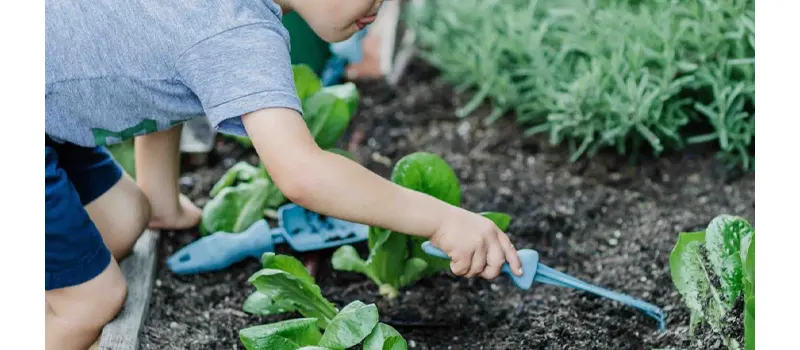
Gardening includes many small hand movements that help preschoolers use their fingers and hands with control. Picking up seeds, pinching soil, holding a small tool, and pouring water all take focus and coordination. With repeated practice, children become more comfortable handling small objects and managing simple tasks that rely on hand use. This carries over into everyday activities such as drawing, cutting, turning pages, buttoning, and early writing.
Grobmotorische Fähigkeiten
Gardening also keeps the whole body involved. Children bend down, squat, stretch, carry watering cans, and move from one task to another. These actions use the arms, legs, back, and core at the same time, which helps children develop balance, coordination, and body awareness. Because the movement is tied to a real task, children are also learning how to control their posture, shift weight, and move with intention.
Encourages Healthy Eating Habits
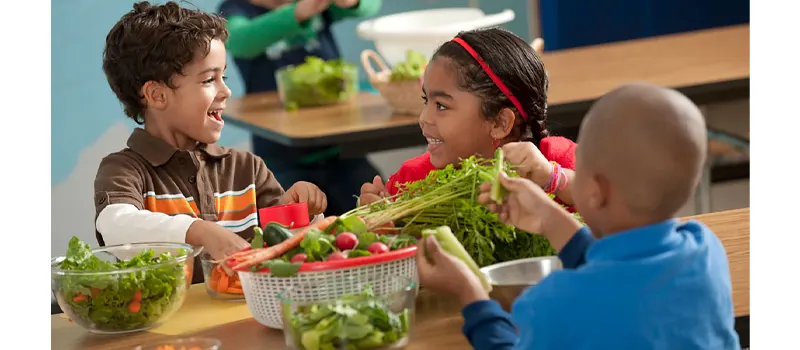
Instead of only seeing fruits and vegetables on a plate, children take part in growing them. They plant seeds, water them, and watch them change over time. This process makes food feel more familiar and reduces resistance to trying new things.
When children are involved in growing their own food, they are usually more willing to taste it. The experience creates curiosity rather than pressure, which is important at this age when eating habits are still forming. If you use the vegetables they grew when cooking, they will be very happy and proud.
Fostering Creativity and Imagination
Gardening gives preschoolers a space to think beyond instructions and use their own ideas. Children may turn a patch of soil into a tiny world, imagine who lives among the leaves, or invent stories around flowers, insects, and changing weather. These moments of thinking often happen naturally when children spend time outdoors.
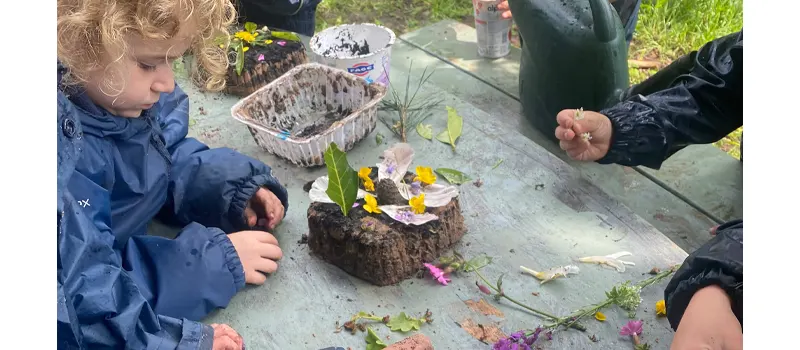
It also encourages open-ended exploration. Preschoolers can choose where to place stones, how to arrange leaves, what shapes they notice in petals, or how to decorate a planting area with natural materials. There is no single right way to respond to what they see. It gives children room to make choices and express themselves.
As children spend more time observing plants and changes in the garden, they begin to ask their own questions:
- “What will happen if I forget to water this plant?”
- “Why are these leaves bigger than the others?”
- “How does this tiny seed turn into a vegetable?”
- “Why is the leaf green?”
These questions are not taught. They come from what children see and experience. Over time, this kind of curiosity supports both imagination and early thinking skills. Children begin to explore ideas, make guesses, and notice patterns in their environment.
Cultivating Emotional Wellbeing
Gardening gives preschoolers time to slow down, focus on simple tasks, and feel connected to what they are doing. As children plant, water, and observe, they begin to build patience, take responsibility, and feel proud of their progress.
Teaches Patience
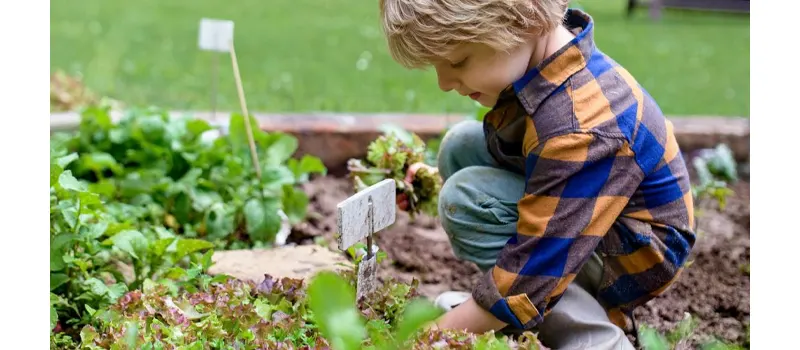
Gardening helps children see that growth takes time. Seeds do not sprout right away, and plants need regular care. For preschoolers, this is a simple way to learn that waiting is part of the process. Over time, they become more comfortable with delayed results and more willing to stay with a task.
Builds Responsibility
Looking after a plant gives children a small but meaningful responsibility. They begin to understand that plants need water, light, and care to stay healthy. When preschoolers take part in these tasks, they start to see how their actions affect the world around them. That makes responsibility easier to understand and more relevant to everyday life.
Grow Self-Confidence
Gardening gives children visible results they can feel proud of. A sprout appears, a leaf gets bigger, or a flower opens. These small changes help children see that their effort matters. That sense of progress can build confidence and encourage them to take part more actively in other daily tasks.
Reduces Stress
Time in the garden can feel calm and steady. Fresh air, natural light, and simple hands-on tasks can help children relax and reset. For preschoolers, gardening often feels less pressured and more soothing.
Enhancing S.T.E.M. Learning
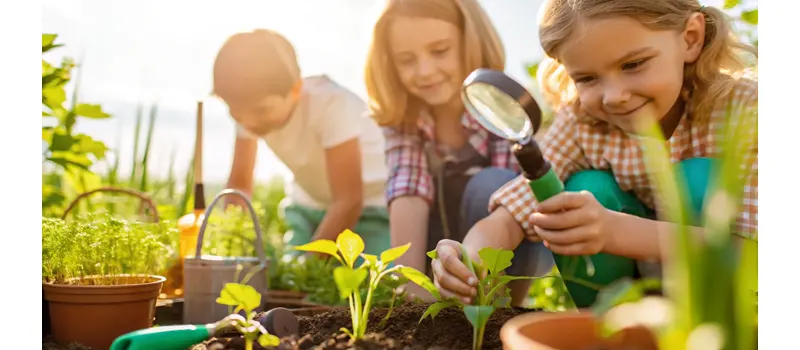
Gardening is a simple way to bring early STEM learning into everyday play. Instead of learning these ideas only through pictures or teacher explanations, children can see them in action as plants grow and change.
- Science: Children observe how seeds sprout, how leaves change, and what plants need to grow. They also begin to ask simple questions about sunlight, water, soil, and weather.
- Technology: Preschoolers use basic tools such as watering cans, spray bottles, and scoops. This helps them understand how tools make a task easier.
- Engineering: Gardening involves small problem-solving moments, such as figuring out where a plant should go, how to keep it upright, or how to move soil without making a mess.
- Math: Children can count seeds, compare plant sizes, sort leaves, and talk about shape, height, number, and change over time.
Strengthening Sensory Development
In the garden, preschoolers learn through their senses. They may be pressing damp soil around a seedling, might stop to smell mint on their hands, or notice how rough a leaf feels compared with a flower petal. Each feels a little different, and that variety helps children slow down, pay attention, and become more aware of the world around them.
Growing Social Skills
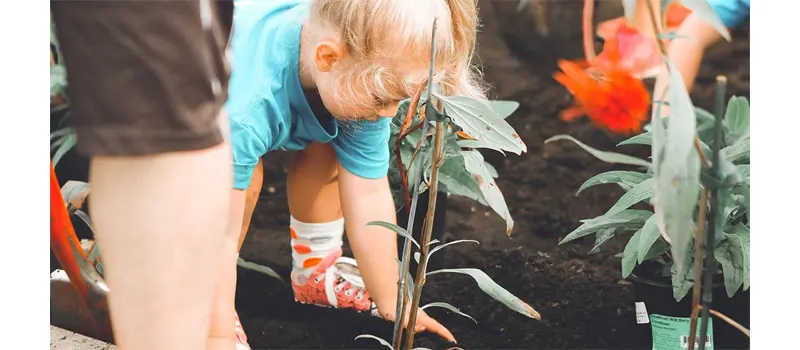
Gardening often brings children together around one shared task. It’s about waiting for a turn with the watering can, deciding together where to plant the sunflowers. Through these shared tasks, children learn the basics of cooperation and communication. A garden, like a community, thrives when everyone works together toward a common goal.
Supports Environmental Awareness
Gardening helps preschoolers find that nature needs to be cared for. When children spend time with plants, soil, and insects, they start to see that each part of the environment plays a role. A dry plant, a fallen leaf, or a patch of soil after rain can all become small lessons in how living things respond to their surroundings.
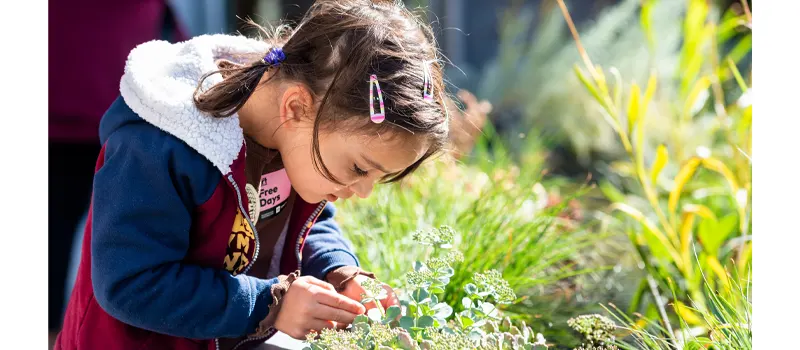
When they water a plant regularly, it stays healthy. When a plant is ignored, it may die or stop growing. These simple experiences make environmental ideas easier to understand because children can see the results themselves.
Over time, gardening can shape how preschoolers think about the natural world. They begin to notice seasonal changes, understand that plants need the right conditions to grow, and show more interest in what is happening outdoors. That early awareness can be the first step toward respect for nature and more thoughtful habits later on.
Just Plain Fun!
Let’s be honest: kids love to explore! There is so much joy in hunting for a hidden strawberry or splashing a bit of water on a sunny day. Gardening is a place where they can be curious, get a little messy, and just be happy. A muddy kid is usually a happy kid!
FAQs
What Are Easy Plants for Preschoolers to Grow?
Simple, fast-growing plants work best. Herbs like mint or basil, as well as lettuce, beans, and cherry tomatoes, are good choices. They grow quickly and are easy for children to care for, which helps keep them interested.
How do you start gardening with preschoolers?
Start small and keep it simple. A few pots, some soil, and easy plants are enough. Let children take part in basic tasks like planting, watering, and checking on growth. The goal is to let them be involved and enjoy the process.
How often should preschoolers water plants?
It depends on the plant, but a simple daily check works well. Let children touch the soil and decide if it feels dry. This helps them learn to observe instead of just following instructions.
Can gardening be done without a backyard?
Yes, gardening can easily be done indoors or in small spaces. A few pots on a windowsill or a small balcony setup is enough for preschoolers to take part and see results.
What if a plant does not grow well?
That is part of the learning process. It gives children a chance to notice what might be missing, such as water or sunlight, and try again. These moments are just as valuable as success.
 German
  English
  Arabic
  French
  Italian
  Spanish
  Thai
Thai  Japanese