News & Article

What Is Loose Parts Play
Blog
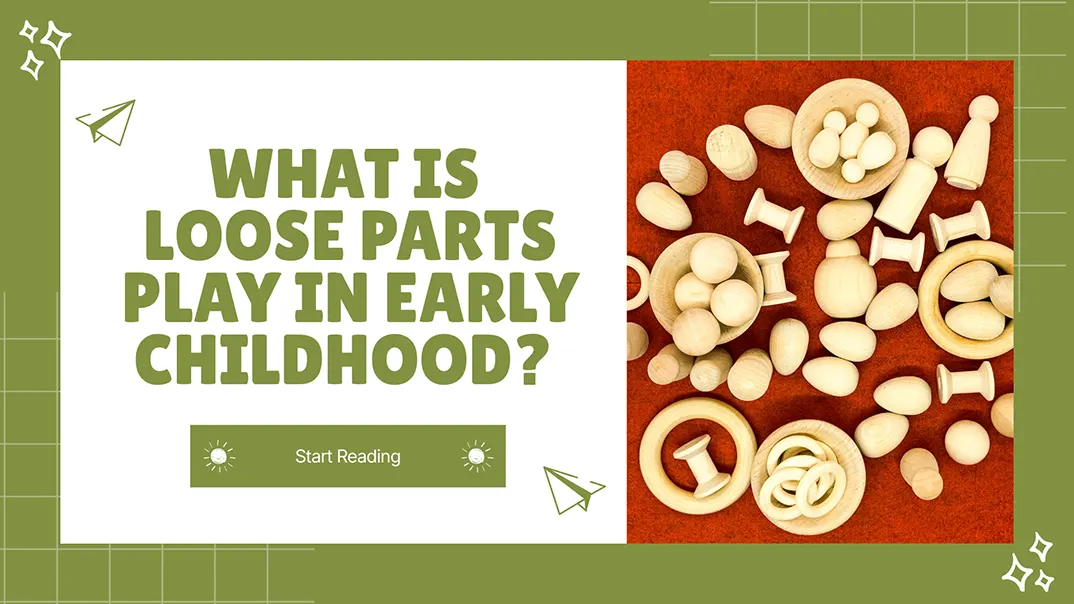
What Is Loose Parts Play in Early Childhood​?

Loose parts play offers endless opportunities for children to explore, create, and socialize. By using movable materials like wooden blocks, stones, and fabric, children develop cognitive and motor skills while enhancing their problem-solving abilities. This article delves into the definition, benefits, educational frameworks, and practical tips for incorporating Loose Parts Play into everyday learning environments.
Outdoor Art Studio
Blog
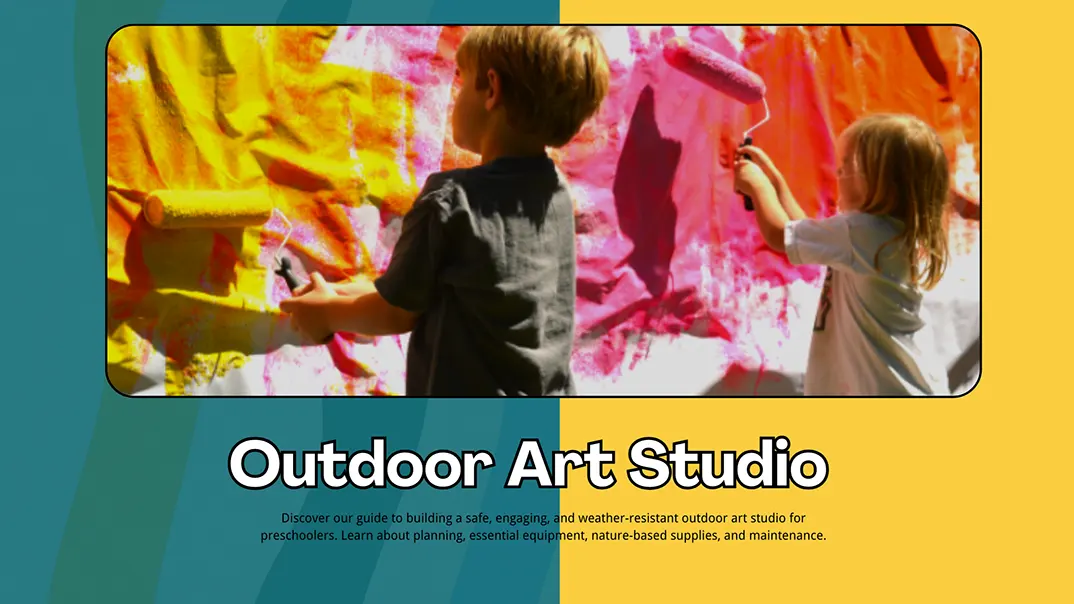
How to Build an Outdoor Art Studio For A Preschool?

An Outdoor Art Studio can transform your preschool into a more creative and engaging learning environment. This guide walks you through space planning, functional zoning, child-safe materials, weather-resistant furniture, compliance standards, and practical budgeting to help your preschool create a safe, inspiring outdoor atelier.

Flexible Seating Options
Blog
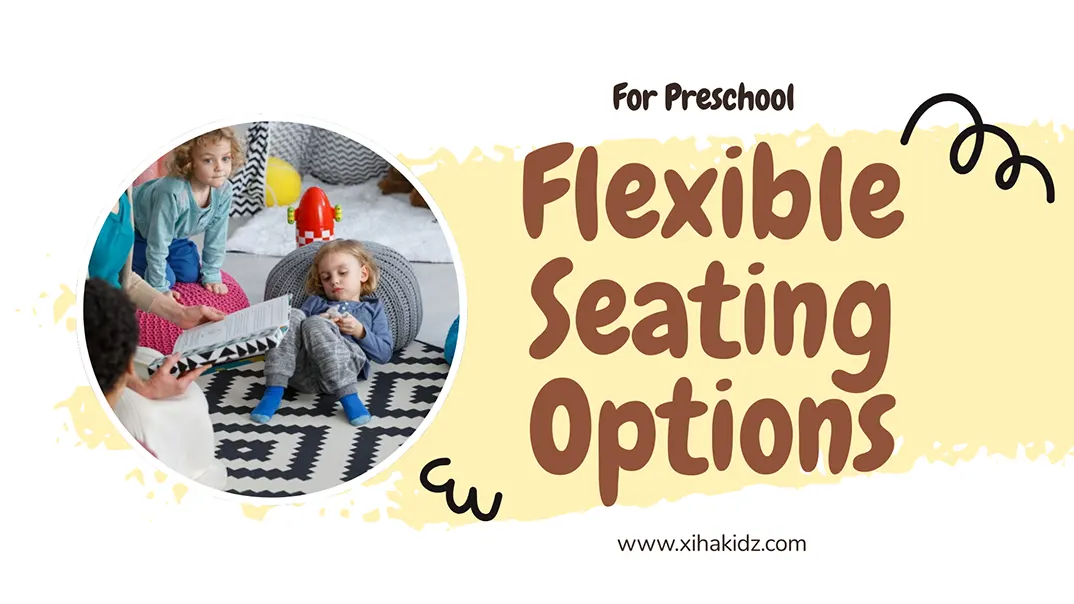
23 Flexible Seating Options for Preschool Classrooms

In 2026, flexible seating is becoming a key feature of modern preschool classrooms. This comprehensive guide introduces 23 seating options that support movement, focus, and child-centered learning. From floor cushions and wobble chairs to soft modular systems, you’ll also find expert advice on safety, classroom setup, budgeting, and choosing the right seating for your center.

How to Set Up a Dramatic Play Center
Blog
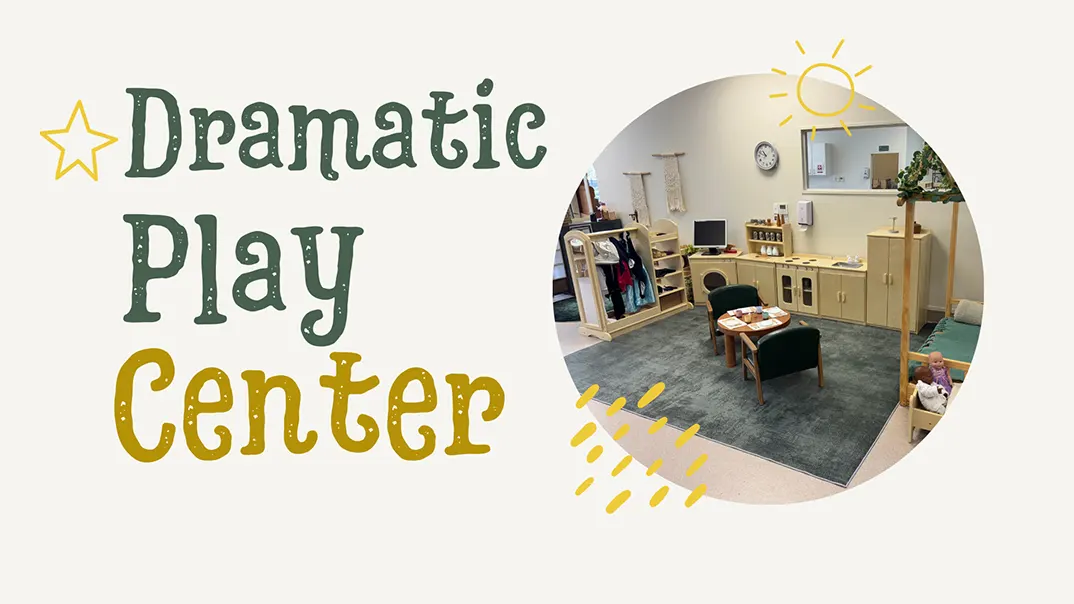
How to Set Up a Dramatic Play Center in Your Preschool Classroom?

In this guide, we walk through exactly how to set up a dramatic play center in your preschool classroom, from defining learning objectives and choosing the right location to selecting durable, child-sized furniture and rotating curriculum-aligned themes. We also cover safety standards, material selection, budgeting strategies, and practical teacher techniques to maximize learning outcomes.

Montessori-Sprachmaterialien
Blog
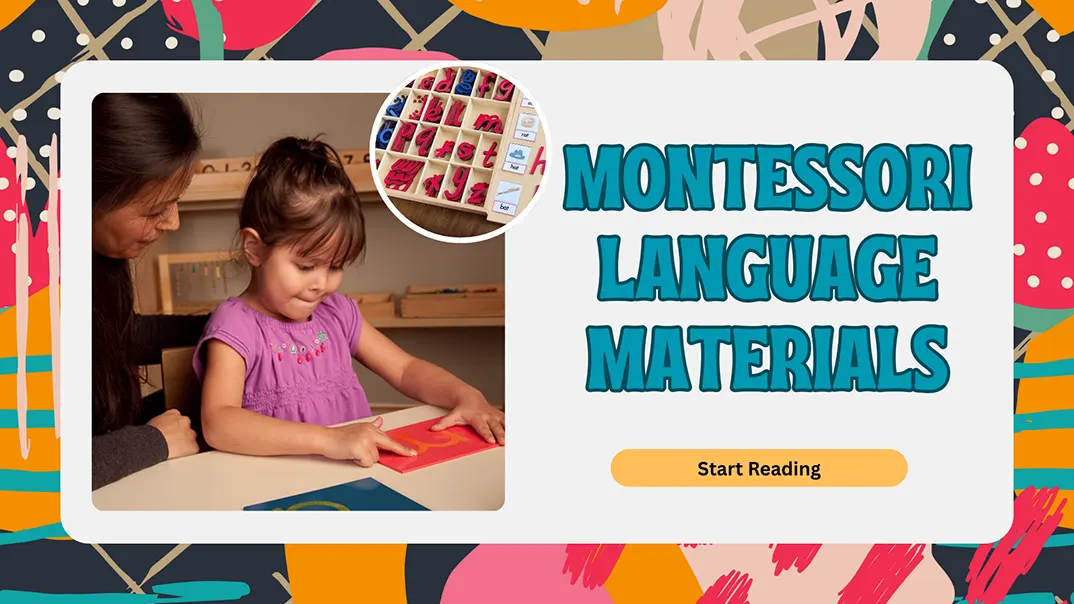
Montessori Language Materials: A Complete Guide for Preschool Classrooms

Montessori Language Materials are a defined set of hands-on learning materials used to introduce spoken language, sounds, symbols, and early written language. This guide details their educational intent, core categories, and role within the Montessori language curriculum. We will analyze the precise function of each material, the correct developmental sequence, and how to curate a professional selection that empowers the child’s natural desire to learn.

Outdoor Classroom Design
Blog
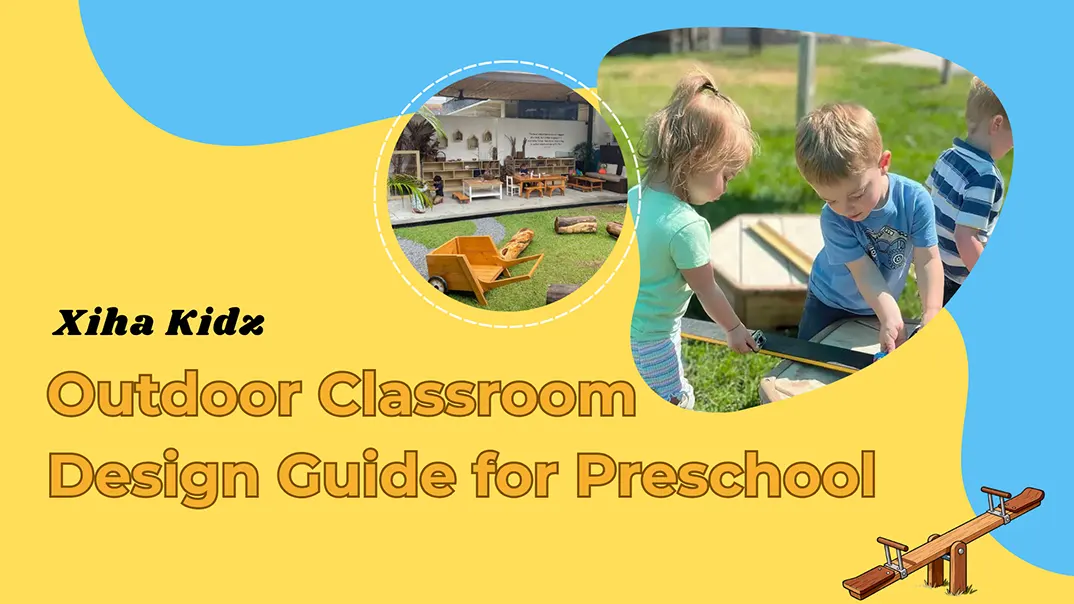
Outdoor Classroom Design Guide for Preschool

An effective outdoor classroom design is a carefully planned learning environment that supports physical development, cognitive growth, social interaction, and sensory exploration in natural settings. This guide explains how to design safe, engaging, and developmentally appropriate outdoor classrooms that align with early childhood education principles and the real operational needs of preschools and childcare centers.

What Is a Montessori Shelf
Blog
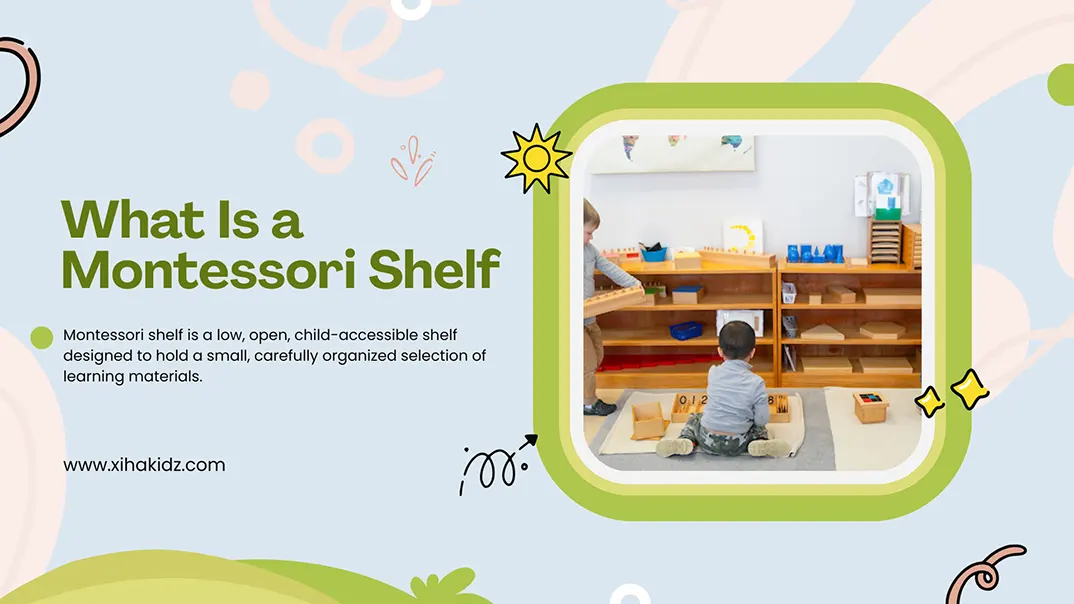
What Is a Montessori Shelf?

This article explains what a Montessori shelf is, how it differs from regular bookshelves, and why it plays a key role in child development. We will also explore how Montessori shelves are used in real classrooms and what to consider when selecting the right shelf for different age groups and learning spaces.

Sensory Room Ideas for School
Blog
Top 21 Sensory Room Ideas for School

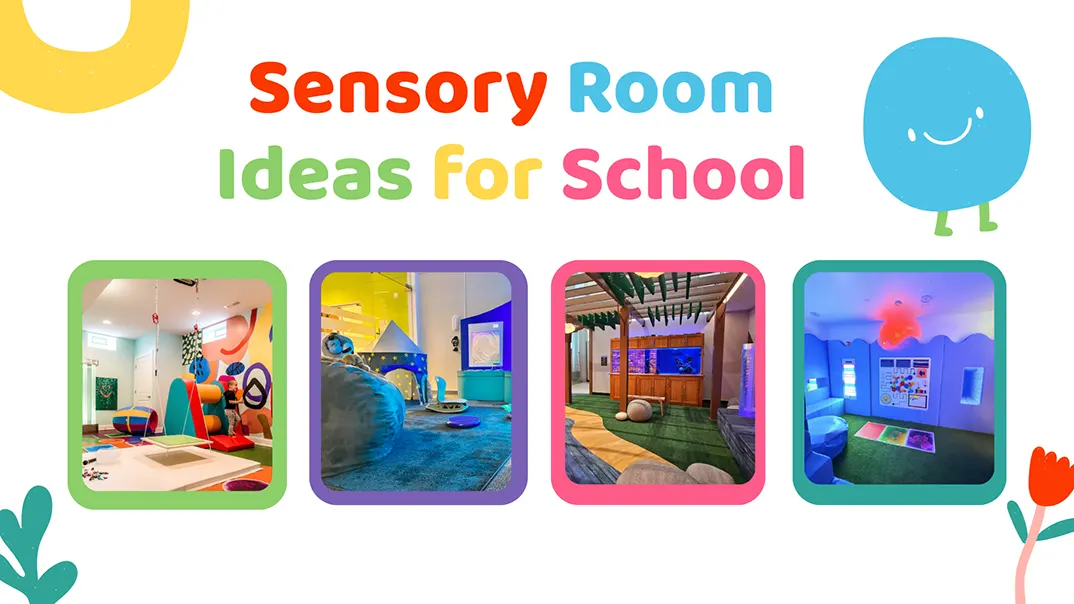
To help you move from inspiration to execution, we have curated the top 20 sensory room ideas for school, strictly categorized by functional needs. Each idea in this guide breaks down the essential key products and offers actionable pro setup tips, providing you with a clear, professional roadmap to designing a space that truly supports your students’ self-regulation and development.

Preschool Classroom Design 5 C’s
Blog
How to Incorporate the 5 C’s into Your Preschool Classroom Design?

Incorporating the 5 C’s into your preschool classroom design requires a strategic transformation of the physical environment into distinct, functional zones. In practical terms, that means setting up a clear meeting space for communication, building in small group work zones for collaboration, adding inquiry-friendly materials and surfaces for critical thinking, protecting open-ended areas for creative thinking, and using child-sized storage and routines that support character. In the philosophy of Reggio Emilia, the environment is the “third teacher.” Yet, many modern classrooms

de_DEGerman
Powered by TranslatePress
xihakidz-Katalog

Vorschulkatalog jetzt anfordern!

Füllen Sie das nachstehende Formular aus, und wir werden uns innerhalb von 48 Stunden mit Ihnen in Verbindung setzen.