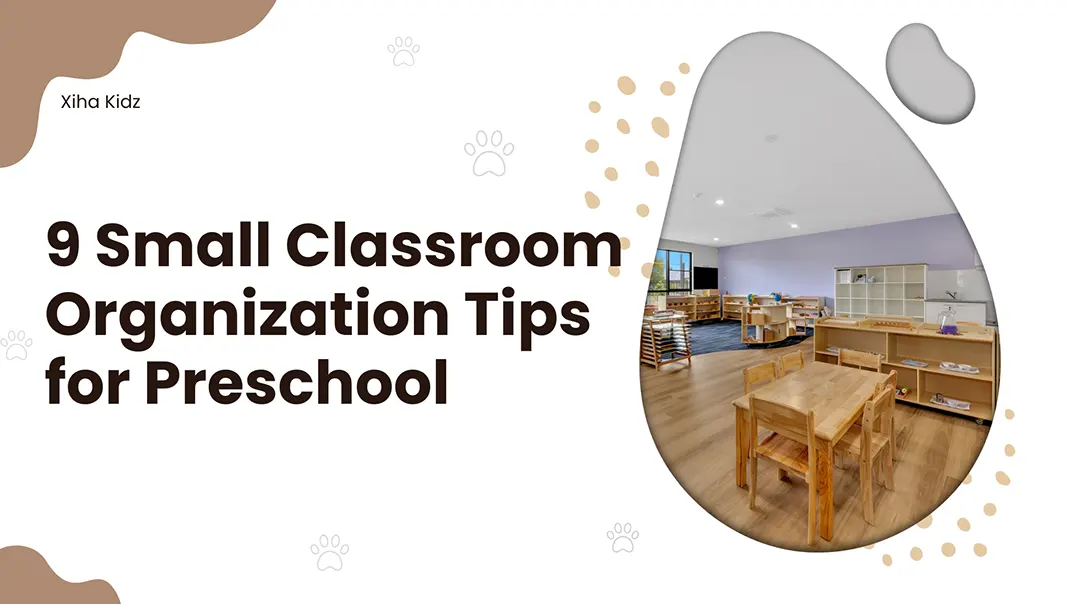
Small classroom organization is about making limited space work better for teaching, supervision, and daily routines. For preschool directors and teachers, an organized classroom makes daily management easier and helps create a more professional learning environment for children.
In many early learning centers, classroom space does not always grow with enrollment. More children, more materials can quickly make the room feel crowded. Consequently, the efficient organization and layout become critically important; this means choosing the right furniture, using storage more intentionally, and creating clear areas for activities. With the right layout, even a compact preschool classroom can feel open, safe, and easy to use.
In this guide, we will share 9 practical small classroom organization tips for preschool settings that improve efficiency and make small classrooms work better.
Why Small Classroom Organization Matters in Preschool Settings?
Small classroom organization helps teachers work more efficiently and creates a better learning environment for children. It improves daily routines, supports classroom management, and helps schools present a more professional image to parents. When the classroom is planned well, both teaching and enrollment become easier.
Saves Time During Daily Routines
When materials are stored in the right place and learning areas are clearly arranged, teachers spend less time searching, cleaning, and resetting the classroom. Daily routines such as circle time, art activities, and transitions become faster and easier to manage.
Makes Classroom Management Easier
A clear classroom layout helps teachers guide children more effectively. Each area has a specific purpose, so children understand where to read, play, create, or rest. This reduces confusion and helps the whole class follow routines more smoothly.
Encourages Children’s Independence
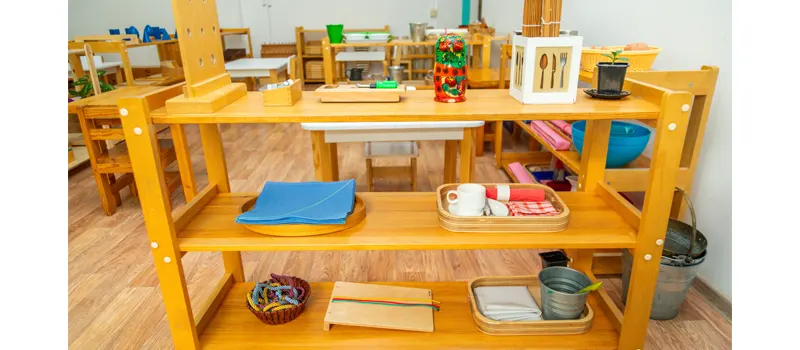
Low shelves, labeled bins, and child-sized storage allow children to take materials by themselves and return them after use. Teachers do not need to repeat cleanup instructions constantly, and children develop stronger responsibility and self-management skills.
Improves Safety and Supervision
Open walkways and proper furniture placement make movement safer for young children. Teachers can see the classroom more clearly and supervise activities more easily.
Better First Impression for Parents
Parents often judge classroom quality during school visits and tours. An organized classroom feels more professional and trustworthy. Clear learning areas and tidy storage show that the school values both education and daily management, which can help increase parent confidence and support enrollment decisions.
Reduces Teacher Stress
A messy classroom often creates unnecessary pressure during the school day. Better small classroom organization creates a calmer environment where teachers can focus more on learning and less on handling clutter or repeated classroom problems.
Longer Furniture and Material Lifespan
Poor organization often leads to damaged furniture, lost materials, and faster daily wear. When shelves are overloaded, or tables are used for everything, products break down more quickly. A better organization system protects classroom furniture and helps preschool owners reduce unnecessary replacement costs over time.
9 Small Classroom Organization Tips
A small preschool classroom needs a clearer organizational system. The right layout, storage system, and furniture choices can make a small preschool classroom feel more open and easier to manage. Here are simple ideas that can make a big difference without major renovation or extra budget.
1. Start with a Clear Classroom Layout Plan
First, check how the current classroom is being used. Many small classrooms feel messy because furniture and learning centers were added over time without a clear plan.
Measure the actual usable space and look for problem areas. Pay attention to narrow walkways, blocked corners, oversized furniture, and unused spaces near walls, doors, or windows. Also check irregular areas like columns, wall recesses, and protruding corners. These spaces are often wasted, but they can be used for reading corners or extra storage.
If you are not sure how to lay out, Xiha Kidz can support you with a complete solution.
2. Define Learning Areas
Start with the high-use areas first: reading corner, art center, and dramatic play area. These are the zones used most often and should have the best positions.
Use low shelves, rugs, or small dividers to create boundaries instead of walls. This keeps the classroom open while still helping children understand where each activity belongs. Avoid putting too many zones into one room. In small classrooms, fewer well-planned areas work better than trying to include everything.
Leave enough space between each area for movement. If children need to move chairs just to walk through the room, the layout is too crowded.
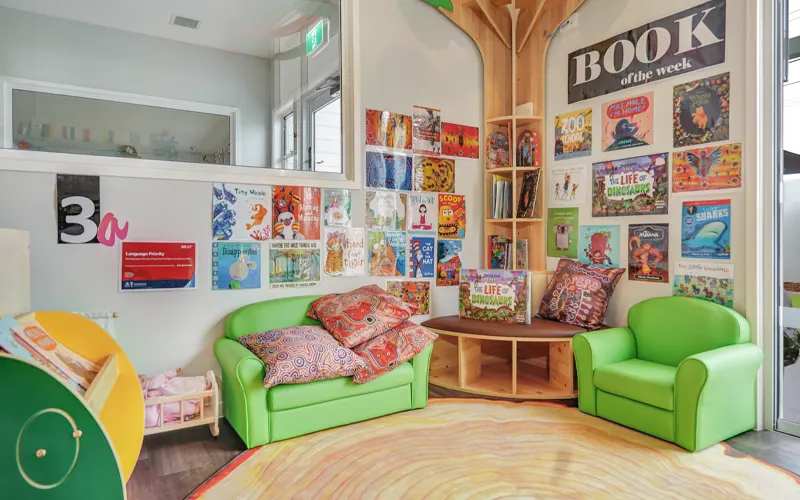
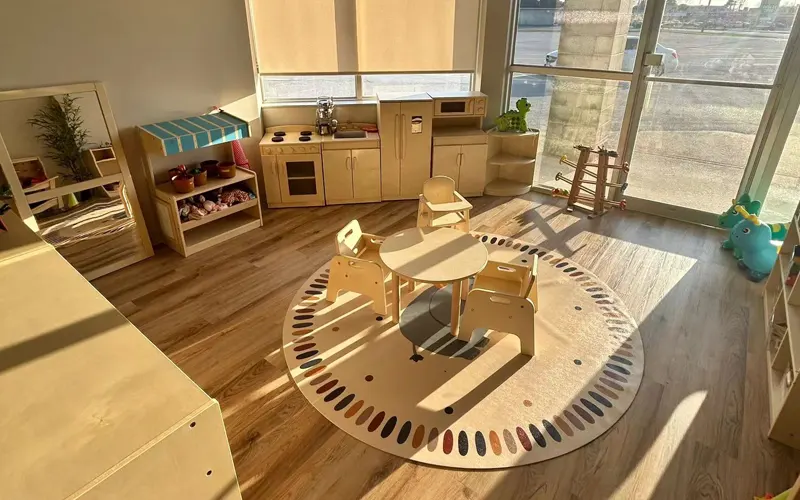
3. Choose Multi-Functional Furniture and Maximize Every Learning Area
In a small classroom, 教室用家具 should do more than one job. Storage benches can provide seating and book storage at the same time. Open shelves can divide learning zones while also storing teaching materials. Avoid large single-purpose furniture that takes up space but adds little daily value.
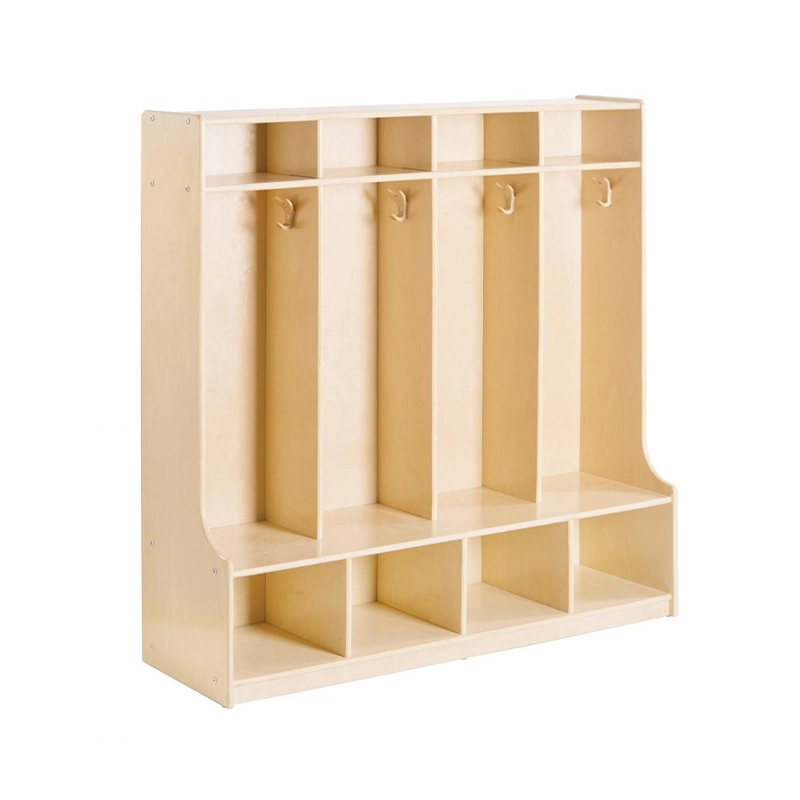
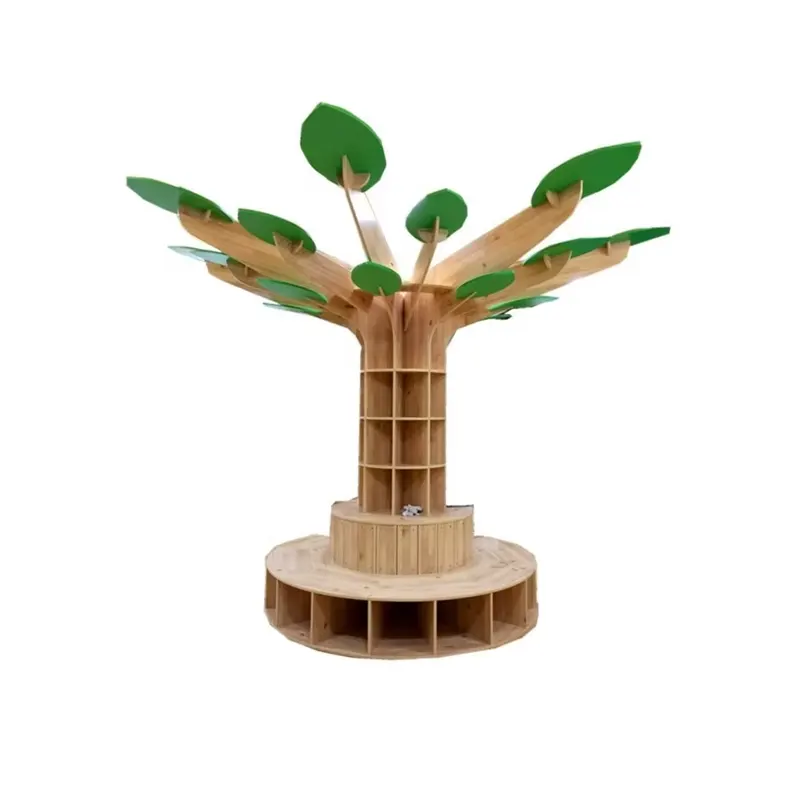
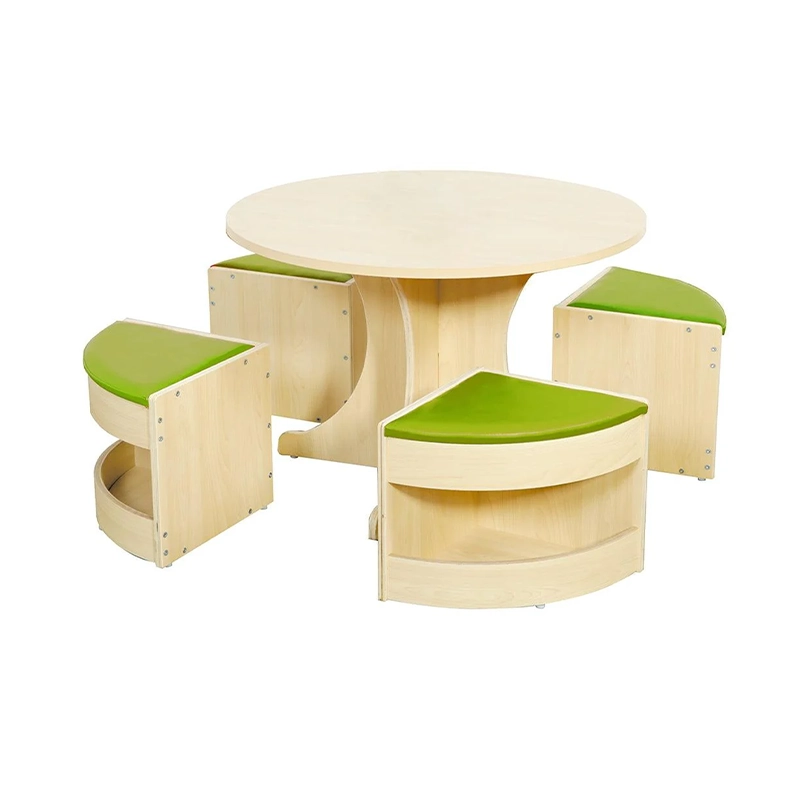
The same idea applies to learning areas. Instead of creating separate areas for every activity, combine learning centers that work well together. For example, the art area can also work as a sensory or science station by storing loose parts, natural materials, magnifiers, and simple experiment tools together with craft supplies. A reading corner can also serve as a quiet space for independent work. Circle time space can be used for group activities and movement games. In small classrooms, the goal is not to add more areas, but to make each area work harder.
4. Build a Simple Daily Storage System
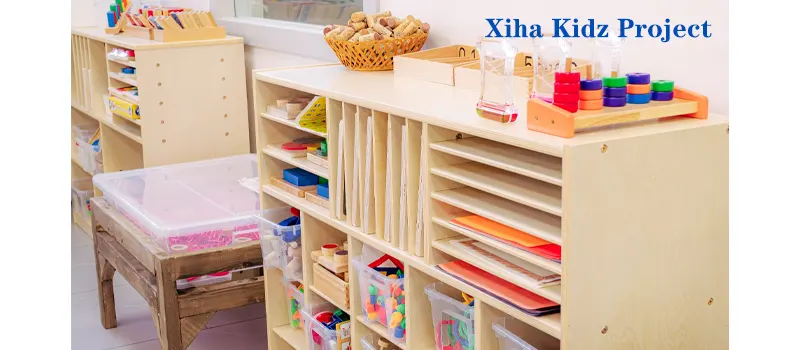
Separating all classroom items into three groups: daily-use items, rotating materials, and teacher-only items. Daily materials should stay at children’s height and close to the learning area where they are used. Rotation materials can be stored higher or inside closed cabinets. Teacher-only items, such as lesson plans and scissors, should stay in locked or adult-only storage.
Assign one fixed location for each category. Do not store the same supplies in three different places or mix different materials. Limit the number of items on each shelf. Keep only the materials needed for the current theme or month, and rotate the rest.
Check storage from the teacher’s walking path. If teachers need to cross the room several times during one activity, the system is wrong. The goal is faster access, easier cleanup, and less daily reset time.
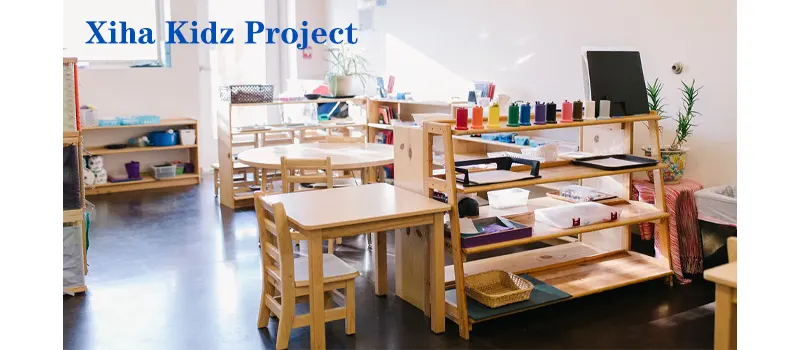
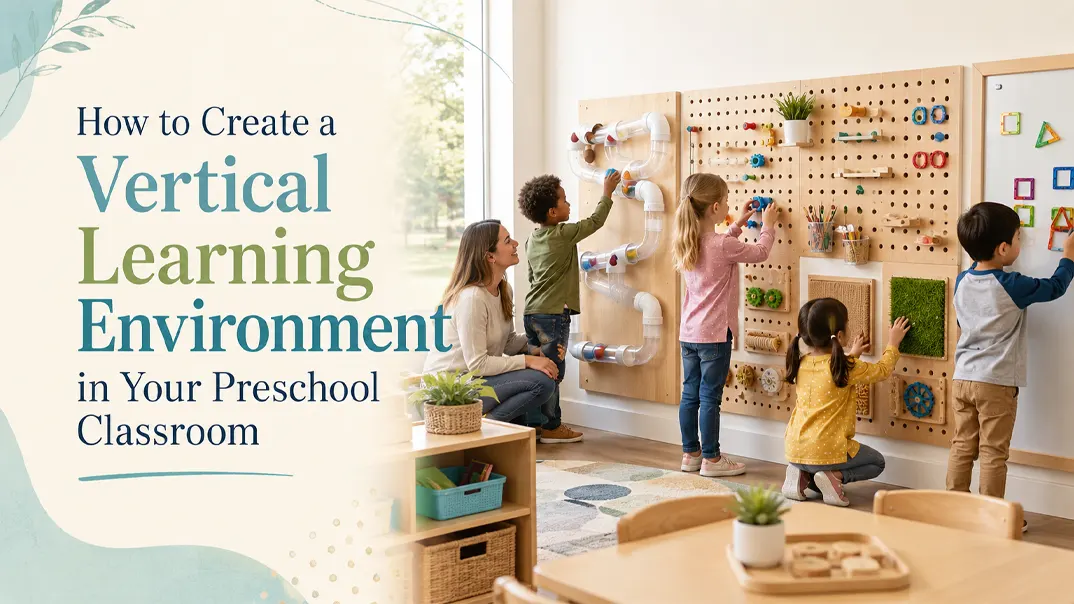
5. Use Vertical Wall Space Wisely
Floor space is limited in small classrooms, so walls should be used as part of the organization plan. Proper use of vertical wall space helps store daily materials, keeps walkways open, and makes the classroom feel less crowded.
Wall-mounted hooks can hold backpacks, coats, and daily-use items without taking up floor storage. Hanging pocket charts are useful for attendance cards, name tags, and activity cards. Magnetic boards and clip rails can organize learning materials while also creating a clean space for children’s work and classroom communication. Teachers can also use wall shelves for seasonal materials that do not need constant access.
Be careful not to hang heavy items too high or overload one wall. Too many posters, decorations, or hanging materials can make the classroom feel visually crowded. A good small classroom organization uses wall space for function first, then decoration second.
6. Label Everything Clearly
Clear labels make small classroom organization easier to maintain. In a preschool classroom, labels should be simple, visual, and placed exactly where materials are stored.
Use picture labels for younger children and add short word labels. For example, label bins as “blocks,” “books,” or “markers.” Keep the wording consistent across shelves, trays, cubbies, and learning centers.
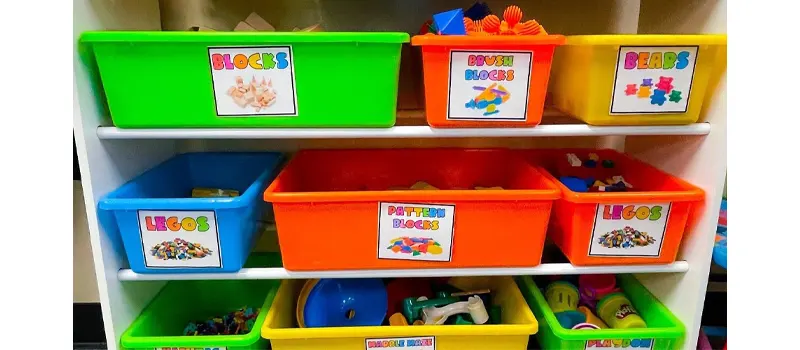
Place labels on the front of bins, shelf edges, drawers, and personal cubbies. Avoid placing labels too high or inside containers where children cannot see them. For mixed materials, use category labels instead of listing every item, such as “art tools,” “math materials,” or “sensory items.”
Color coding can make labels even easier to understand. One color can represent art supplies, another can represent reading materials, and another can represent building toys. This helps children clean up faster and supports teachers during busy transitions.
Labels should also be easy to update. Use removable label holders, laminated cards, or Velcro labels when materials rotate by theme or season.
7. Keep Traffic Paths Open
In a small classroom, children move constantly between different learning centers. Tables and chairs, shelves, and storage units should be placed in a way that allows children to move naturally without squeezing through narrow spaces. Main walkways should stay clear at all times.
Avoid placing large furniture near doorways or in the center of the room where it interrupts movement. Learning areas should feel separate without blocking access to other parts of the classroom. Keeping traffic paths open helps the classroom stay safer and easier to supervise.
8. Use Light and Color to Make the Classroom Feel More Open
Light and color can change how a small classroom feels. A brighter room often looks cleaner and larger. Use natural light as much as possible. Keep windows clear, avoid heavy curtains, and do not block light with tall shelves or large furniture. If natural light is limited, choose warm, soft lighting to avoid creating dark corners or harsh overhead glare.
Wall colors should stay light and calm. Soft white, warm beige, pale green, or light blue can make the classroom feel more open without becoming cold. Avoid using too many strong colors on walls, shelves, and displays at the same time, because this can make a small room feel busy and crowded.
Color can still be used for organization. For example, use one color for art storage, another for reading materials. This keeps the classroom clear and child-friendly while still supporting small classroom organization.
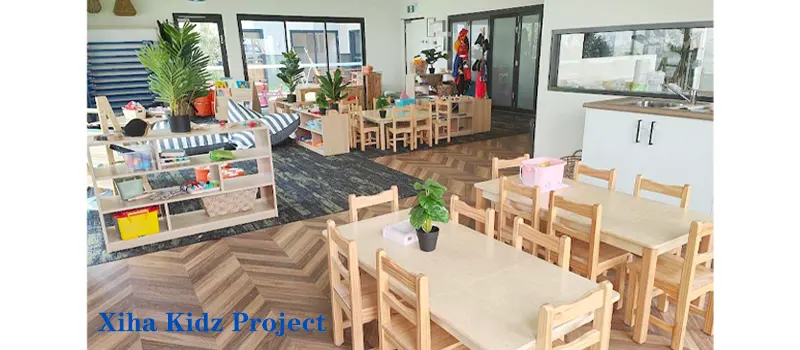
9. Review and Adjust the Classroom Regularly
Classroom organization is not something finished in one setup. As children grow, classroom routines change, and learning materials rotate, the layout should be reviewed regularly to make sure the space still works well.
Teachers should pay attention to how the room works during normal school days. If one area is always crowded, materials are often left in the wrong place, or teachers need to walk across the room repeatedly during lessons, the classroom layout may need adjustment.
Check furniture placement every month. Tables, shelves, and storage units should support current teaching routines, not old ones. A reading corner may need more space during literacy themes, while an art area may need expansion during project-based learning periods.
Review storage systems at the same time. Remove broken materials, rotate unused items, and reduce supplies that create unnecessary clutter. Regular adjustment keeps the small classroom organization practical instead of becoming another fixed problem.
結論
Even a limited space can feel open and professional when every area is planned with purpose. A well-organized small preschool classroom supports more than storage. It improves daily teaching, helps children move safely, reduces teacher stress, and creates a stronger first impression for parents.
If you are planning to upgrade your preschool classroom but are not sure where to start, Xiha Kidz can help. From classroom layout planning to preschool furniture selection and customized storage solutions, we support schools in creating spaces that are safe, functional, and designed for real daily use.
よくある質問
Can classroom organization improve parent satisfaction?
Yes. Parents often notice classroom order immediately during school visits. A clean entrance, organized learning areas, and visible storage systems make the school feel more professional and help parents trust the quality of care and education.
What is the biggest mistake in small classroom organization?
One common mistake is trying to fit too much into one room. Too many tables, oversized shelves, and excessive teaching materials make the classroom harder to manage. A smaller number of well-planned items usually works better than filling every corner.
What furniture is most important for a small classroom organization?
Low storage shelves, stackable chairs, multi-use tables, mobile storage carts, cubbies, and compact reading furniture are usually the most useful. These pieces help save space while supporting daily teaching and storage needs.
How can I make a small classroom look bigger?
Use light wall colors, natural lighting, open shelves, and clear walking paths to make the classroom feel more open. Avoid oversized furniture, heavy visual clutter, and too many decorations that make the room feel crowded.


 Japanese
  English
  Arabic
  French
  Italian
  German
  Spanish
  Thai
Thai