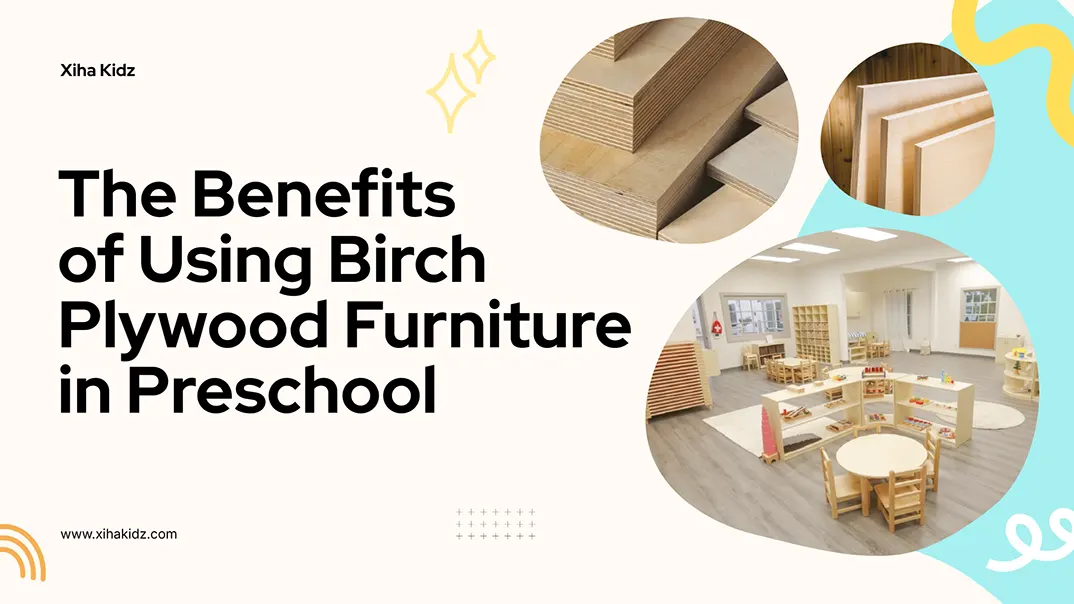
Birch plywood furniture is widely used in preschool classrooms. It’s exceptional durability to withstand heavy daily use, superior structural stability that prevents warping, and a safe, non-toxic surface for young children. Additionally, its natural, light wood grain creates a calming, focused environment that perfectly supports early childhood education philosophies like Montessori.
In early learning settings, furniture must do more than simply hold materials or provide seating. Tables, shelves, and storage units are constantly moved, climbed on, and used by many children throughout the day. Materials that chip easily, loosen at the joints, or wear out quickly can disrupt classroom routines and increase maintenance costs. Because of this, many preschool designers and school operators prioritize engineered wood materials that balance durability with everyday practicality.
Birch plywood has gradually become one of the most trusted materials for mobili per la scuola materna manufacturing. Its structural stability, consistent surface quality, and compatibility with modern classroom designs make it suitable for a wide range of furniture. Understanding the benefits of birch plywood helps educators and buyers make more informed choices when selecting furniture for early childhood environments.
What Is Birch Plywood?
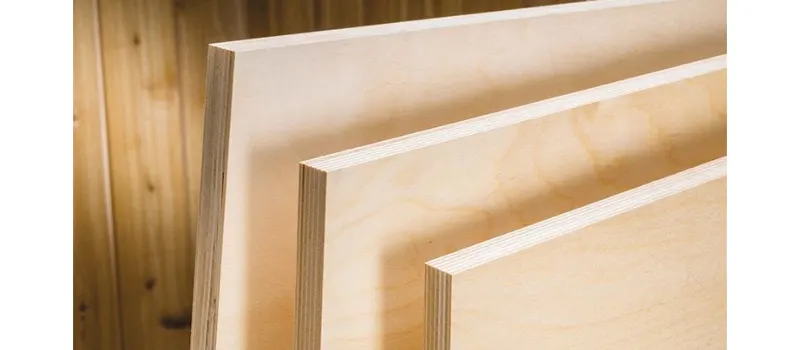
Birch plywood is an engineered wood panel made by bonding multiple thin layers of birch veneer together, with each layer arranged in alternating grain directions. This cross-laminated structure increases the panel’s strength, stability, and resistance to warping compared with many single-layer wood boards. Because birch has a fine, consistent grain, the finished surface is typically smooth and uniform, making it well-suited for furniture that requires clean edges and precise construction.
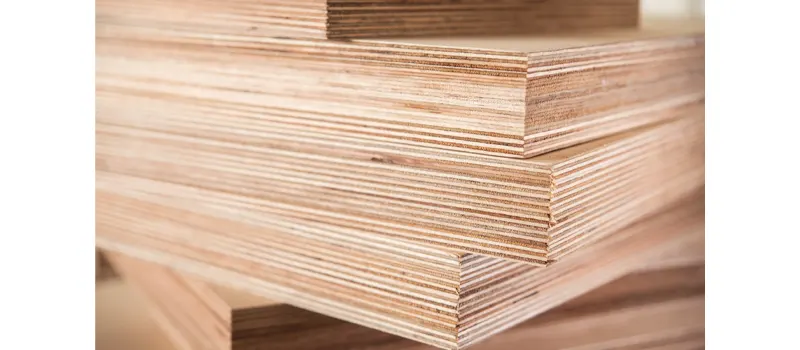
In furniture manufacturing, birch plywood is valued for its balanced combination of strength and workability. The layered core provides reliable screw-holding capacity and structural stability, which helps furniture maintain its shape even with frequent use. At the same time, the material can be cut, drilled, and finished accurately, allowing manufacturers to produce detailed components such as curved panels, shelving units, and modular classroom furniture.
Types of Birch Plywood Used in Furniture
Birch plywood is not a single, uniform material category. The most practical distinctions for buyers are core construction, surface grade, and panel thickness. Understanding these categories helps distributors, preschool operators, and project buyers select the most suitable material for different furniture applications.
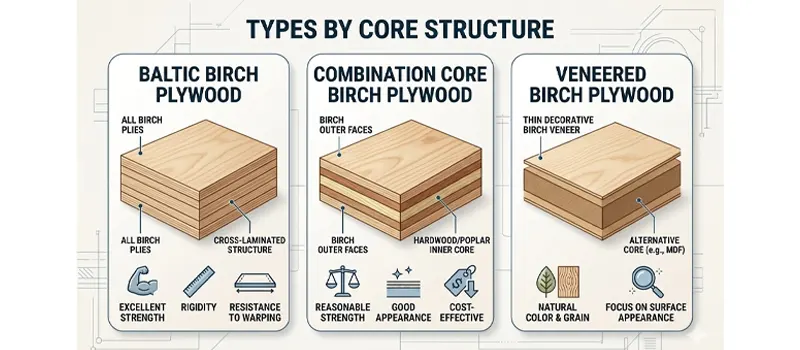
By Core Structure
- Baltic Birch Plywood
Baltic birch plywood is made entirely from multiple layers of birch veneer, usually with more plies than standard plywood. The cross-laminated structure gives it excellent strength, rigidity, and resistance to warping. - Combination Core Birch Plywood
This type combines birch veneers with other wood layers in the core. The outer surfaces remain birch, while the inner plies may include poplar or other hardwoods. This construction helps reduce cost while still maintaining reasonable strength and appearance. - Veneered Birch Plywood
Veneered birch plywood refers to plywood panels that have a thin decorative layer of birch veneer applied to the surface. The core of the panel may be made from different wood species or plywood layers, but the outer face provides the natural color and grain pattern associated with birch.
By Surface Grade
| Surface Grade | Appearance Characteristics | Typical Use in Daycare Furniture |
|---|---|---|
| B/BB Grade | One side (B) is very smooth and clean with minimal defects; the back side (BB) may have small repaired patches but remains uniform. | Ideal for visible furniture surfaces, such as tabletops, cabinet fronts, bookshelves, and Montessori furniture, where a clean natural wood appearance is important. |
| BB/BB Grade | Both sides may contain small oval patches used to repair natural defects. The surface remains smooth and structurally strong but slightly less visually perfect than B grade. | Suitable for most preschool furniture, including storage cabinets, shelves, cubbies, and classroom tables where durability matters more than a perfectly clear surface. |
| BB/CP Grade | One side is BB grade, while the CP side may show more patches, color variation, or repaired defects. | Often used for hidden or internal components, such as cabinet backs, internal panels, or furniture parts that will be painted, laminated, or not visible to children. |
By Thickness
Birch plywood is produced in a range of thicknesses to suit different structural and furniture applications. Thinner panels are commonly used for lightweight components such as cabinet backs, drawer bottoms, and decorative panels, while thicker boards provide greater strength and stability for shelves, furniture frames, and load-bearing structures. Common birch plywood thicknesses include 9 mm, 12 mm, 15 mm, 18 mm, 21 mm, and 24 mm, allowing manufacturers to select the appropriate panel based on the required strength, weight, and design of the furniture.
Xiha Kidz Birch Plywood Standard
Our preschool furniture is made from 15–18mm multi-ply cross-banded birch plywood with a B/BB surface grade and a 100% birch void-free core—never MDF or finger-joint boards. This structure provides stronger screw-holding power, better bending strength, and long-term structural stability for high-frequency preschool use. All panels comply with E0 and CARB Phase 2 emission standards and support FSC sourcing and EU EUDR traceability requirements. While materials and specifications can be adjusted to fit different project budgets, safety, durability, and regulatory compliance are never compromised.
The Benefits Of Using Birch Plywood To Make Furniture
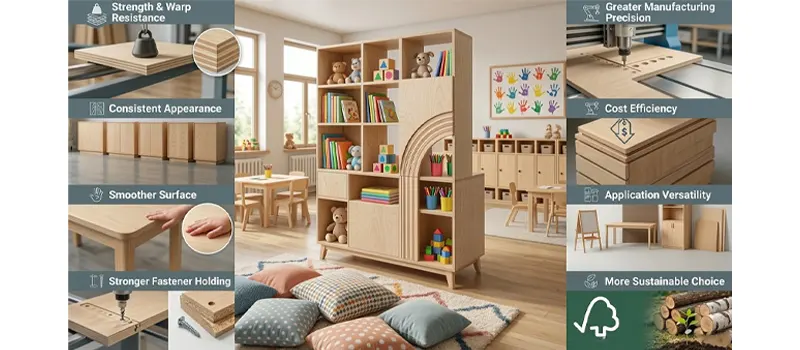
Birch plywood offers several practical advantages for furniture manufacturing and commercial buyers. Its layered construction provides strong structural support, reliable dimensional stability, and consistent material quality. These characteristics translate into durable furniture, predictable product quality in bulk orders, and materials that perform well in high-use environments such as preschool classrooms.
Strength and Warp Resistance
Because each veneer layer is arranged with the grain running in alternating directions, internal stresses within the wood are balanced across the panel. This structural balance helps birch plywood remain stable even when environmental conditions change.
Variations in temperature or humidity can cause solid wood boards to expand, contract, or distort, but the cross-laminated structure of plywood significantly reduces these effects. As a result, furniture made from birch plywood is more likely to maintain its shape over time.
Consistent Appearance
Unlike solid wood, which often shows significant variation in grain patterns, knots, and color tones, birch plywood panels are manufactured from carefully selected veneers that create a more uniform surface. This consistency makes it easier for furniture manufacturers to produce matching components across multiple pieces. In larger furniture systems—such as shelving units, cabinets, and deposito per aule—this uniform look helps create a clean and cohesive design throughout the space.
Smoother Surface for Safer
When it comes to toddlers, safety is paramount. Birch plywood naturally features an exceptionally smooth and flat surface, free from the rough patches often found in other wood types. This provides a flawless canvas for child-safe finishes, such as non-toxic, water-based clear coats. It eliminates the risk of splinters and ensures that every surface a child touches is perfectly smooth and safe.
Stronger Fastener Holding
Furniture performance does not depend on panel strength alone; it also depends on how well the material holds screws, fittings, and connectors over time. Birch plywood generally provides better screw-holding performance than many lower-density engineered boards, which helps keep joints tighter and structural connections more secure. For project buyers and school operators, stronger fastener holding reduces the chance of wobbling, loosening, or maintenance issues after extended use.
Greater Manufacturing Precision
Birch plywood works well with CNC cutting, routing, drilling, and other precision manufacturing methods, allowing furniture components to be produced with cleaner cuts and more accurate dimensions. This translates into practical advantages: parts fit together more reliably, hole positions are more consistent, and finished furniture tends to look more professional and perform more predictably. In bulk purchasing or multi-classroom projects, dimensional accuracy helps reduce installation issues and supports a cleaner overall result.
Cost Efficiency
Equipping an entire kindergarten or daycare center is a significant financial undertaking. While birch plywood offers the premium look and extreme durability of high-end materials, it remains much more affordable than solid birch wood. This perfect balance of strength, aesthetic appeal, and budget-friendly pricing makes it the most cost-effective choice for B2B buyers looking to maximize their procurement budget without sacrificing quality.
Application Versatility
Birch plywood is available in a range of thicknesses, panel sizes, and veneer grades, which makes it highly adaptable for different furniture designs. Thin panels may be used for lightweight components or backing structures, while thicker panels provide structural support for tables, cabinets, and shelving units. Because of this flexibility, birch plywood can be used across many types of furniture projects.
More Sustainable Choice
Birch plywood is an environmentally responsible option, as it is often sourced from fast-growing, sustainably managed forests. Additionally, the manufacturing process of plywood utilizes more of the log, generating significantly less waste compared to traditional solid wood processing.
What to Check When Buying Birch Plywood?
When buying birch plywood, the most important things to check are the core construction, veneer layer count, panel thickness, surface grade, edge quality, and formaldehyde emission compliance. These factors determine whether the plywood is strong, stable, safe, and suitable for furniture used in demanding environments such as preschools and other high-use educational spaces.
Core Construction Quality
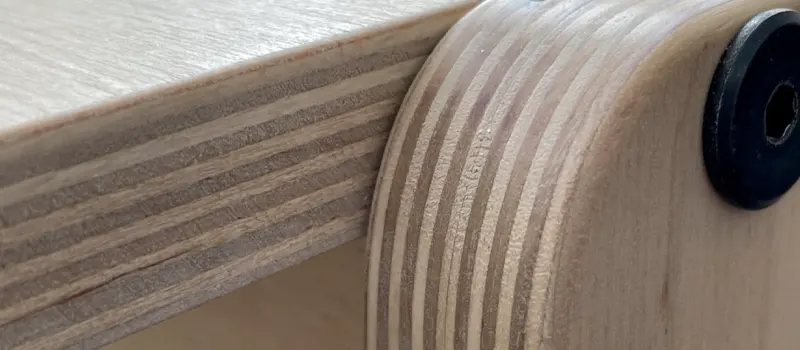
High-quality birch plywood typically contains evenly layered veneers with minimal internal voids. Panels with dense, consistent cores tend to provide better strength, stability, and screw-holding performance. In contrast, plywood with visible gaps or irregular layers may weaken furniture joints and reduce long-term durability.
Surface Grade and Appearance
The surface grade determines how clean and uniform the plywood face looks. Higher grades usually have fewer patches, knots, or color variations, which makes them suitable for furniture with natural wood finishes. Lower grades may still be structurally sound but are often better suited for painted or laminated furniture where the surface will not remain visible.
Panel Thickness
Thickness directly affects the structural strength of the furniture. Thinner panels are typically used for backing boards or lightweight components, while thicker panels provide better load-bearing capacity for shelves, cabinets, and tables. When buying plywood for preschool furniture, selecting an appropriate thickness helps ensure the final product can handle daily classroom use.
Number of Veneer Layers (Ply Count)
Another important factor when evaluating birch plywood is the number of veneer layers, often referred to as the ply count. Panels with more layers are generally stronger and more stable because the thin veneers distribute stress more evenly across the board. Higher ply counts also help reduce internal voids and improve screw holding performance.
Edge Quality
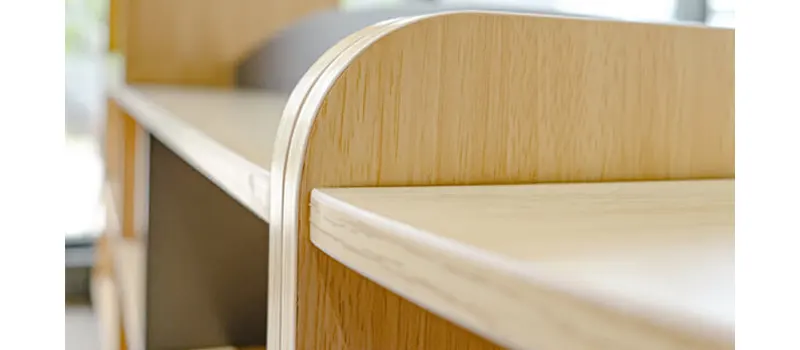
The edges of birch plywood can reveal a lot about its internal quality. Clean, tightly layered edges usually indicate well-constructed panels with consistent veneers. Panels with rough edges or visible gaps may contain internal voids, which can weaken structural performance when used in furniture.
Safety and Emission Standards
For furniture used in early childhood environments, safety standards are particularly important. Buyers should look for plywood that complies with recognized formaldehyde emission regulations and indoor air quality standards. Panels certified under programs such as CARB Phase 2 or TSCA Title VI in the United States help ensure that the material meets established emission limits for wood products.
Surface Finish Compatibility
Another factor to consider is how well the plywood accepts finishes or coatings. High-quality birch plywood typically sands smoothly and works well with paints, stains, or protective coatings used in children’s furniture. A consistent surface helps achieve a cleaner final appearance and ensures that the protective finish performs effectively over time.
Maintenance Tips for Birch Plywood Furniture in a Preschool
Wiping birch plywood surfaces regularly with a soft cloth and a mild cleaning solution helps remove dirt without damaging the protective finish. Harsh chemical cleaners or abrasive pads should be avoided because they may wear down the coating and expose the wood surface.
1. Daily Cleaning: The Gentle Approach
The golden rule for birch plywood is to avoid harsh chemicals that can degrade the protective finish.
- Use Mild Soap: Clean surfaces daily with a soft cloth dampened with a solution of warm water and a small amount of mild, pH-neutral dish soap.
- Dry Immediately: Never leave standing water on the surface. Wipe the furniture dry with a clean, lint-free cloth to prevent moisture from seeping into the grain or joints.
- Avoid Abrasives: Do not use scouring pads, steel wool, or abrasive cleaners, as these will scratch the smooth birch veneer and trap dirt.
2. Deep Sanitization (Weekly or Monthly)
In a preschool, germs are a constant concern. However, excessive use of strong disinfectants can cloud the clear coat.
- Diluted Solutions: If you must use a disinfectant, ensure it is heavily diluted according to the manufacturer’s instructions.
- Test First: Always test a new cleaning product on a hidden area (like the underside of a table) to ensure it doesn’t discolor the wood.
- Focus on High-Touch Areas: Prioritize the edges of tables, chair backrests, and locker handles where children’s hands are most active.
3. Managing Spills and Stains
Preschools are hubs of creativity, which often means paint, ink, and juice.
- Act Fast: The longer a liquid sits, the more likely it is to penetrate the finish. Blot (don’t rub) spills immediately.
- Art Supplies: Most washable markers and tempera paints can be removed with a damp cloth. For tougher stains, a specialized wood cleaner that is “child-safe” is recommended.
- The “No-Soak” Rule: Never use a dripping wet mop or cloth on plywood furniture, as prolonged exposure to water can lead to delamination (layers peeling) over time.
4. Structural Integrity Checks
Safety is about more than just cleanliness; it’s about stability.
- Tighten Fasteners: Once every term, check all screws and cam-lock connectors. The constant movement of furniture can slightly loosen joints. A quick turn with a screwdriver ensures the piece remains rock-solid.
- Inspect Edges: While birch plywood is incredibly resistant to splintering, check for any physical damage or sharp dings caused by heavy impact. Sand down any rough spots with fine-grit sandpaper (320+ grit) and re-seal if necessary.
5. Environmental Control
Wood is a natural material that “breathes.”
- Avoid Direct Sunlight: Prolonged exposure to direct UV rays through a window can cause the light-colored birch to darken or “yellow” over time.
- Maintain Humidity: Try to keep the classroom humidity between 40% and 60%. Extreme dryness can cause minor cracks, while excessive humidity can cause the wood to swell.
Conclusione
Birch plywood has become a widely trusted material in furniture manufacturing because it offers a balanced combination of strength, stability, and practical performance. Its layered construction helps resist warping and structural damage, while the smooth surface and consistent panel quality make it suitable for producing durable and visually clean furniture. These characteristics make birch plywood especially well-suited for environments where furniture is used frequently.
As a manufacturer specializing in preschool furniture, we offer a wide range of classroom products made from high-quality birch plywood, including shelves, storage units, tables, and learning furniture designed for early childhood settings. If you are planning a preschool project or sourcing classroom furniture, feel free to contact us. Our team provides one-stop solutions covering classroom layout planning, furniture customization, production, and global delivery.
Domande frequenti
How long does birch plywood furniture typically last in a classroom?
High-quality birch plywood furniture is built for longevity. In a high-traffic preschool environment, well-constructed pieces (using 18mm thickness and professional joinery) typically last 10 to 15 years or more. Its cross-banded core prevents the warping and structural fatigue common in cheaper materials like particleboard or MDF.
Is birch plywood waterproof?
Birch plywood is not naturally waterproof, but it can be water-resistant when properly sealed or coated. The plywood itself can absorb moisture if left unprotected, which may cause swelling or surface damage over time. To improve moisture resistance, manufacturers often apply protective finishes such as varnish, lacquer, laminate, or water-based coatings. These finishes help protect the panel surface and make the furniture easier to clean and maintain.
Is Birch Plywood Strong?
Yes, birch plywood is considered a strong and durable engineered wood material. It is made from multiple thin layers of birch veneer bonded together with alternating grain directions, which improves structural strength and stability. This cross-laminated construction allows the panel to distribute weight and stress more evenly than many other wood-based boards.
Why is birch plywood more expensive than other types of plywood?
The higher cost reflects its superior density, strength, and aesthetic grade. Unlike utility plywood, birch plywood has minimal internal voids and uses high-quality veneers throughout its core. For B2B buyers, the slightly higher upfront cost is offset by a much higher ROI, as the furniture requires far fewer replacements over time.
Can birch plywood furniture be repaired if it gets scratched?
Yes. One of the great benefits of birch plywood is that it features a real wood veneer. Minor surface scratches can often be lightly sanded (using fine-grit sandpaper) and re-sealed with a matching clear coat. This makes it a much more sustainable and repairable choice than plastic or laminate furniture.



 Italian
  English
  Arabic
  French
  German
  Spanish
  Thai
Thai  Japanese