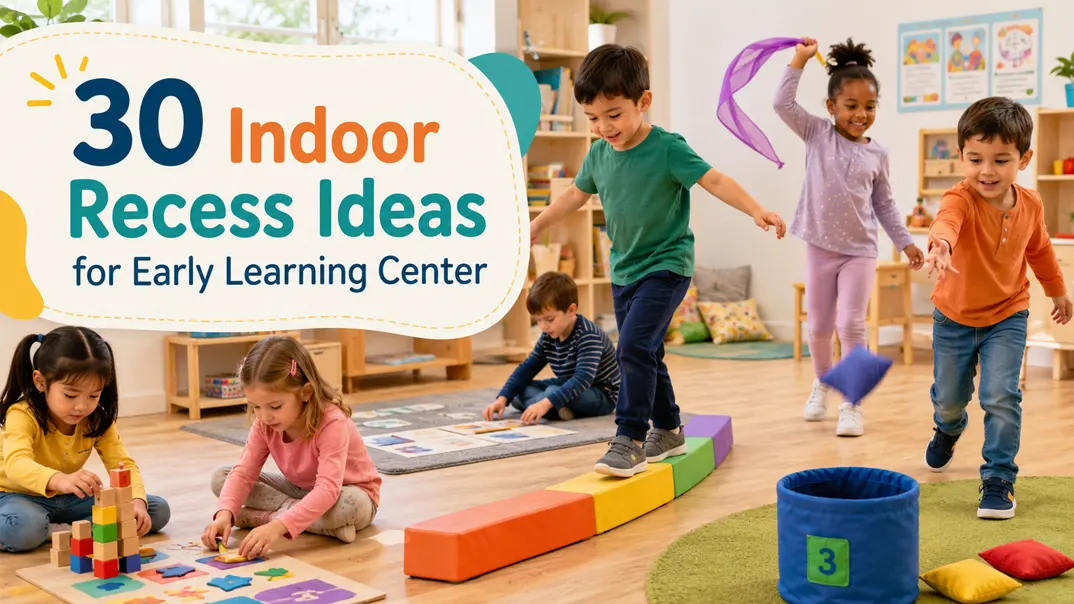
When rain, snow, extreme heat, or poor air quality keep children inside, teachers need activities to help young learners move, play, reset, and return to class feeling calm and ready.
So instead of treating indoor recess as “free time until the weather gets better,” teachers can use it as a chance to support gross motor skills, social-emotional growth, creativity, and self-regulation. The right activities can help children release energy without turning the classroom into chaos.
For preschool-aged children, indoor recess works best when it is simple, safe, and purposeful. This guide shares 30 Indoor Recess Ideas for Early Learning Center classrooms to make indoor recess easier to plan.
Why Indoor Recess Matters in Early Learning Centers?
Bad weather may keep children indoors, but it doesn’t reduce their need to move. Indoor recess ideas help keep children active, regulated, and engaged during limited outdoor access.
A well-designed indoor recess period can support several areas of early childhood development:
- การพัฒนากล้ามเนื้อมัดใหญ่
- การมีปฏิสัมพันธ์ทางสังคม
- Self-regulation
- Creative thinking
- Classroom engagement
Indoor recess also helps maintain one of the most important elements of an early learning environment: consistency. Young children thrive on predictable routines. When outdoor play is unexpectedly canceled, having engaging indoor alternatives helps preserve the rhythm of the day and reduces frustration for both children and teachers.
For educators, indoor recess is often viewed as a challenge to manage. In reality, it can become a valuable teaching opportunity. A simple obstacle course can strengthen gross motor skills. A building challenge can encourage collaboration. Even a short movement game can improve children’s readiness to participate in the next learning activity.
How to Choose the Right Indoor Recess Activities?
The best indoor recess activity is not always the most exciting one. It needs to fit the children, the room, the schedule, and the teacher’s ability to manage it safely.
Before choosing an activity, consider a few practical questions:
- How much space is available?
The activity should leave enough space for children to move without bumping into furniture or each other. Small classrooms are better for quiet games. Larger rooms can support some movement activities. - How old are the children?
Toddlers need simple, short activities with clear directions. Preschoolers can handle basic rules, partner games, and pretend play. Kindergarten-age children may enjoy more structured challenges. - What is the children’s energy level?
A restless group may need active movement first. A tired or overstimulated group may do better with stretching, sensory play, or cooperative building. - What happens after recess?
If children are moving into nap time, story time, or focused table work, choose activities that help them calm down rather than wind up.
Notice: Teachers should be able to see all children during indoor recess. Avoid activities that create hidden corners and crowded pathways. For larger groups, it is often easier to set up two or three simple stations instead of opening the whole classroom at once. A simple rule is to match the activity to the moment.
30 Indoor Recess Ideas for Early Learning Center
Indoor recess activities do not all need to look the same. Some days, children need quiet choices that help them calm down and focus. Other days, they need safe movement activities that help them release energy indoors. The following ideas are grouped into movement-based activities and quiet indoor recess activities, so teachers can choose based on the room size, age group, noise level, and daily schedule.
Movement-Based Indoor Recess Ideas
Movement-based indoor recess gives children a safe way to use their energy when outdoor play is not available. These activities work best when teachers set clear boundaries first: where children can move, how fast they can go, and what the signal means “stop”.
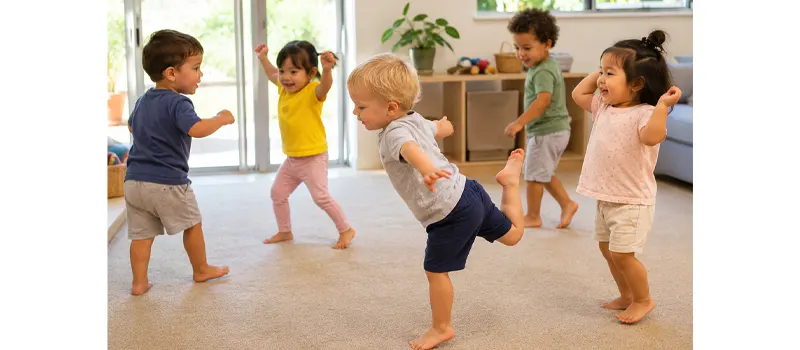
1. Freeze Dance
Play music and let children dance freely in their own space. When the music stops, everyone must freeze. Start the music again, and the children continue dancing. Teachers can add fun freeze poses, such as “freeze like a tree” or “freeze like a robot.”
2. Animal Walks
Call out an animal and ask children to move like that animal across a marked area. They can hop like frogs, crawl like bears, waddle like penguins, or stretch like cats. Change animals every 30–60 seconds.
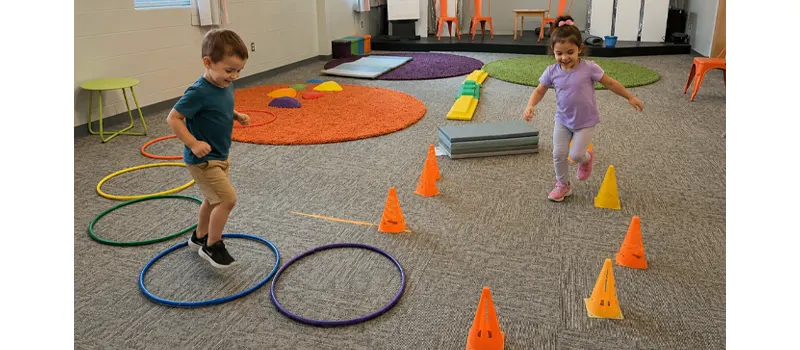
3. Indoor Obstacle Course
Set up a simple path using classroom-safe items. Children can step over cushions, crawl under a table, walk along a tape line, toss a bean bag into a basket, and finish with a pose. Let children move through the course one at a time or in small groups. Keep the course low and soft. Avoid activities that require children to jump from furniture or climb unstable items. Use arrows or floor spots to show direction.
4. Balloon Volleyball
Use a balloon instead of a ball. Children tap the balloon back and forth over a low line, table, or imaginary net. The goal is to keep the balloon in the air without grabbing it or hitting it too hard.
5. Movement Dice
Use a large dice with actions written on each side, such as jump, spin, march, stretch, clap, or balance. Children roll the dice and do the movement together. You can also roll a number dice to decide how many times to repeat the action.
6. Simon Says Movement Edition
The teacher gives simple movement directions, such as “Simon says touch your toes” or “Simon says march in place.” Children only do the action when the direction begins with “Simon says.” Keep the commands short and easy to follow.
7. Follow-the-Leader Fitness Trail
Choose one leader to move around the room using simple actions like marching, tiptoeing, stretching, clapping, or balancing. The rest of the children copy the leader. Change leaders after a short round so more children get a turn.
8. Tape Line Balance Walk
Place painter’s tape on the floor in straight, curved, or zigzag lines. Children walk along the tape slowly without stepping off. To add variety, ask them to walk heel-to-toe, carry a bean bag, or stop at the end with a pose.
9. Bean Bag Toss
Place baskets, hoops, or floor spots a short distance away. Children take turns tossing bean bags toward the target. For younger children, keep the target close. For older children, add different target distances.
10. Red Light, Green Light
Children stand behind a starting line. When the teacher says “green light,” they move forward by walking, marching, tiptoeing, or taking giant steps. When the teacher says “red light,” they stop immediately. The goal is to reach the finish line while following the correct instructions.
11. Jumping Path Adventure
Place floor spots, paper shapes, or tape markers on the floor to create a path. Children jump from one marker to the next. You can make it more playful by calling the markers “islands,” “rocks,” or “space stations.”
12. Yoga for Kids
Guide children through simple poses such as tree, butterfly, star, mountain, cat, or child’s pose. Keep each pose short and use playful instructions, like “grow tall like a tree” or “curl up like a sleepy kitten.”
13. Indoor Hopscotch
Create a simple hopscotch grid on the floor. Children take turns hopping or stepping through the numbers. Younger children can step with both feet. Older children can hop on one foot, count aloud, or follow a number sequence.
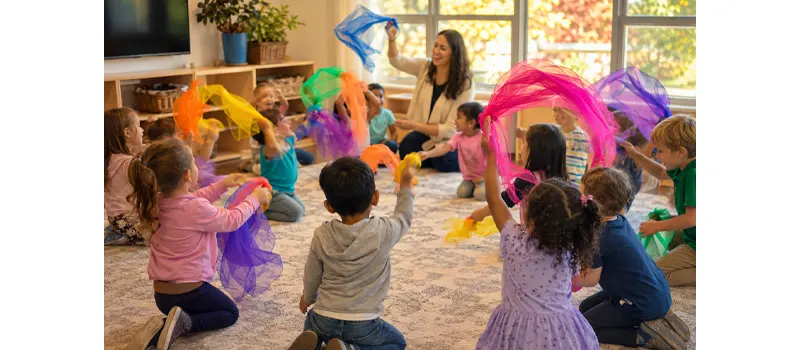
14. Ribbon Dancing
Give each child one short ribbon or scarf. Ask them to move it high, low, side to side, in circles, slowly, or quickly. Add music if desired. Teachers can call out movement ideas, such as “make waves,” “draw circles,” or “move like the wind.”
15. Indoor Scavenger Hunt
Ask children to find safe classroom items by color, shape, texture, or category. For example, “Find something soft,” “Find something round,” or “Find something yellow.” It keeps children moving without running.
Quiet Indoor Recess Ideas
Quiet indoor recess activities are helpful when children need a calmer environment. These activities work well before nap time, after movement games. Most of them require simple materials, such as books, puzzles, blocks, playdough, cards, trays, or art supplies, so teachers can set them up quickly and reuse them throughout the week.
16. Reading Corner Time
Prepare a small reading area with picture books, floor cushions, a rug, or a low reading bench. Let children choose one or two books and sit in the reading corner alone or with a friend. They can look at pictures, retell a familiar story, or quietly share a book together.
17. Puzzle Table
Prepare two or three age-appropriate puzzles on a child-height table. Younger children can use knob puzzles, shape puzzles, or matching boards, while older children can try simple jigsaw puzzles.
18. Playdough Station
Prepare playdough, small work mats, rolling pins, cutters, and simple tools. Give each child a small piece of playdough and let them roll, press, flatten, cut, or shape it into simple objects such as animals, food, flowers, or buildings. Teachers can also introduce simple themes to inspire creations.
19. Drawing and Doodle Table
Prepare paper, crayons, colored pencils, or washable markers on a table. Children can draw freely or follow a simple prompt, such as drawing the weather, their favorite animal, or something they played with that day. Keep a small basket nearby for used materials.
20. Sensory Bottles
Prepare sealed sensory bottles filled with safe materials such as colored water, glitter, beads, buttons, or floating shapes. Place the bottles on a quiet table or mat. Children can shake, roll, turn, and watch how the materials move inside the bottles.
21. Felt Board Stories
Prepare a felt board and a basket of felt pieces, such as people, animals, houses, trees, clouds, or familiar story characters. Children can place the pieces on the board to create a scene, tell a simple story, or retell a book they already know.
22. Building with Wooden Blocks
Prepare a small basket of blocks and place them on a rug or table to reduce noise. Children can build towers, roads, houses, bridges, or simple patterns. For extra variety, offer picture cards with building ideas that children can choose to follow.
23. Sorting Trays
Prepare sorting trays and large safe objects, such as wooden shapes, toy animals, fabric pieces, color counters, or classroom items. Ask children to sort the objects by color, size, shape, texture, or type. For younger children, start with only two sorting choices.
24. Sticker Collage
Prepare paper and small sheets of stickers. Children can place stickers freely on the paper or follow a simple theme, such as animals, weather, shapes, or garden scenes. Older children can add drawings around the stickers to complete their picture.
25. Puppet Play
Prepare a small basket of hand puppets, finger puppets, or animal puppets. Children can choose one or two puppets and create short conversations or stories. A table or cardboard box can serve as a simple stage. It will be even better if you have a puppet theater.
26. Matching Card Games
Prepare picture cards, color cards, shape cards, number cards, or animal cards. Place the cards face up for younger children or face down for older children. Children take turns finding matching pairs and placing them together.
27. Magnetic Board Play
Prepare a magnetic board or magnetic tray with letters, shapes, animals, vehicles, or picture pieces. Children can arrange the magnets to make patterns, simple scenes, names, roads, houses, or pretend play stories while keeping the materials contained on the board.
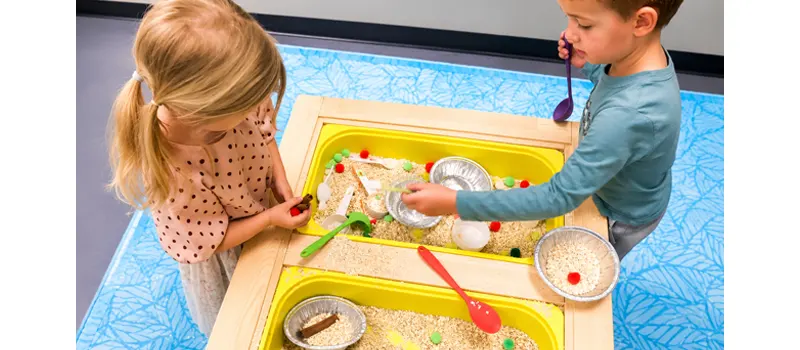
28. Sensory Bin
Prepare a small sensory bin with age-appropriate materials such as large pom-poms, fabric squares, foam shapes, large beads, kinetic sand, or rice alternatives. Add scoops, cups, bowls, or tongs. Let one or two children use the bin at a time to scoop, pour, sort, and transfer materials.
29. Mystery Bag Guessing Game
Place familiar objects inside a cloth bag. Without looking, children reach inside and use touch alone to guess what the object might be. After making a guess, they remove the item to see if they were correct.
30. Lacing Cards
Prepare large lacing cards and thick laces. Show children how to push the lace through one hole and pull it through the other side. Let them continue around the card at their own pace. Use simple shapes, animals, shoes, or clothing-themed cards.
Indoor Recess Ideas by Age Group
Choosing indoor recess activities by age group helps teachers avoid two common problems: activities that are too simple to hold attention, and activities that are too complex to manage safely.
Toddlers: Ages 2-3
Toddlers need short, simple activities with very few rules. The best options involve touching, stacking, carrying, moving, or copying simple actions.
Good indoor recess ideas for toddlers include:
- Soft block building
- Scarf play
- Sensory bins
- Simple animal walks
- Ball rolling
- Bubble popping
- Large puzzle play
At this age, the goal is not to complete a task. The goal is safe exploration.
Preschoolers: Ages 3–4
Preschoolers enjoy activities with imagination and movement. They can follow basic directions, but long explanations usually lose their attention.
Good indoor recess ideas for preschoolers include:
- Freeze dance
- Puppet play
- Balloon volleyball
- Matching card games
- Tape line balance walks
- ละครเวที
- Simon Says
Pre-K Children: Ages 4–5
Pre-K children are ready for activities with slightly more structure. They can work in groups, follow short multi-step directions, and stay engaged with simple challenges.
Good indoor recess ideas for pre-K children include:
- Indoor obstacle courses
- Movement dice
- Building challenges
- Bean bag toss
- ละครเวที
- Matching card games
For this age group, activities can include a clear goal, but they should still leave room for creativity and choice.
Kindergarten: Ages 5–6
Kindergarten children can usually handle longer activities, clearer rules, and more independent play. They often enjoy games that include teamwork, problem-solving, or a small challenge.
Good indoor recess ideas for kindergarten include:
- Puzzle games
- STEM building challenges
- Yoga for kids
- Magnetic tile construction
- Mystery bag guessing games
At this stage, indoor recess can include more planning and cooperation, as long as the activity still feels like play rather than another lesson.
Indoor Recess Supply Checklist for Early Learning Centers
You don’t need to purchase every item. Many early learning centers start with a small collection of versatile materials and expand over time as children’s interests and classroom needs evolve. Dozens of activities can be carried out with just a small amount of flexible and child-safe materials.

For Movement Activities
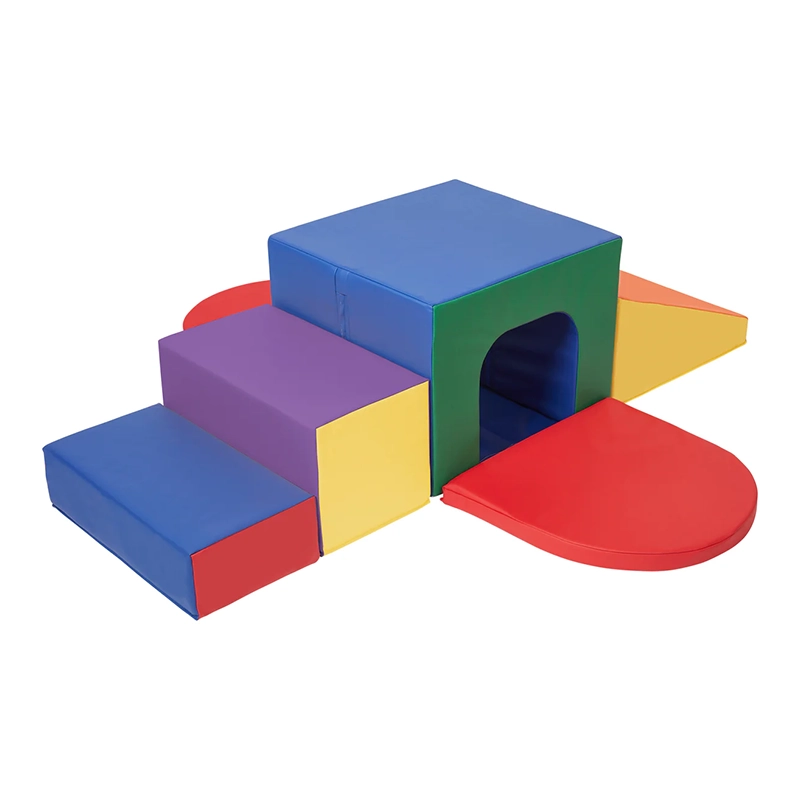
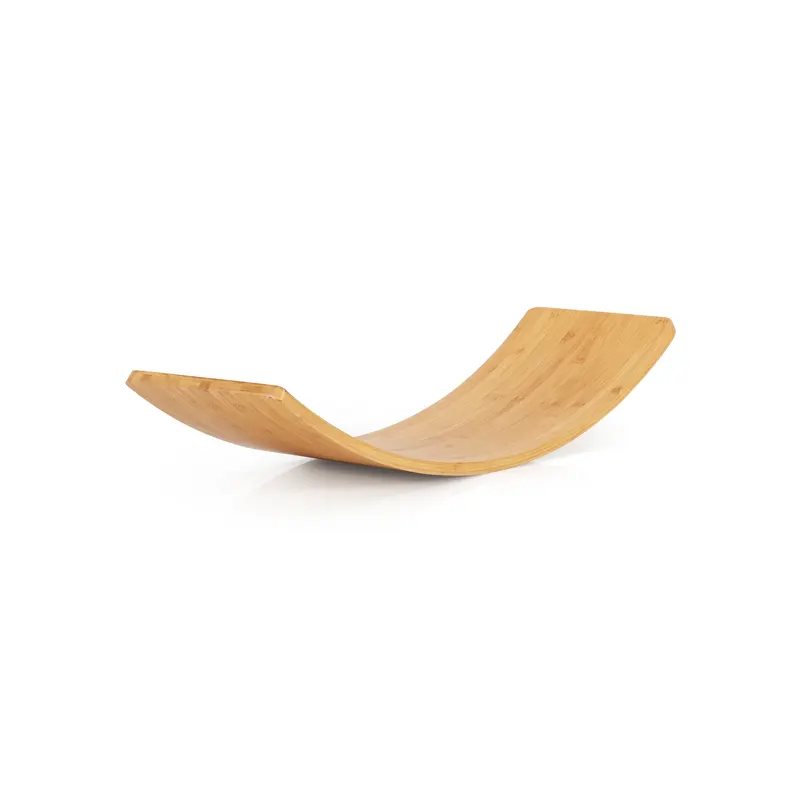
Movement supplies should help children release energy safely without encouraging running around the classroom. Choose soft, lightweight, and easy-to-move materials that can be used in obstacle courses, balance games, beanbag toss, indoor bowling, and music movement.
- Soft mats
- แผ่นโฟม
- Soft tunnels
- Floor spots
- Beanbags
- Lightweight balls
- Balance lines
- Ribbons or scarves
- Removable floor tape
- Small cones or markers
For Quiet Activities
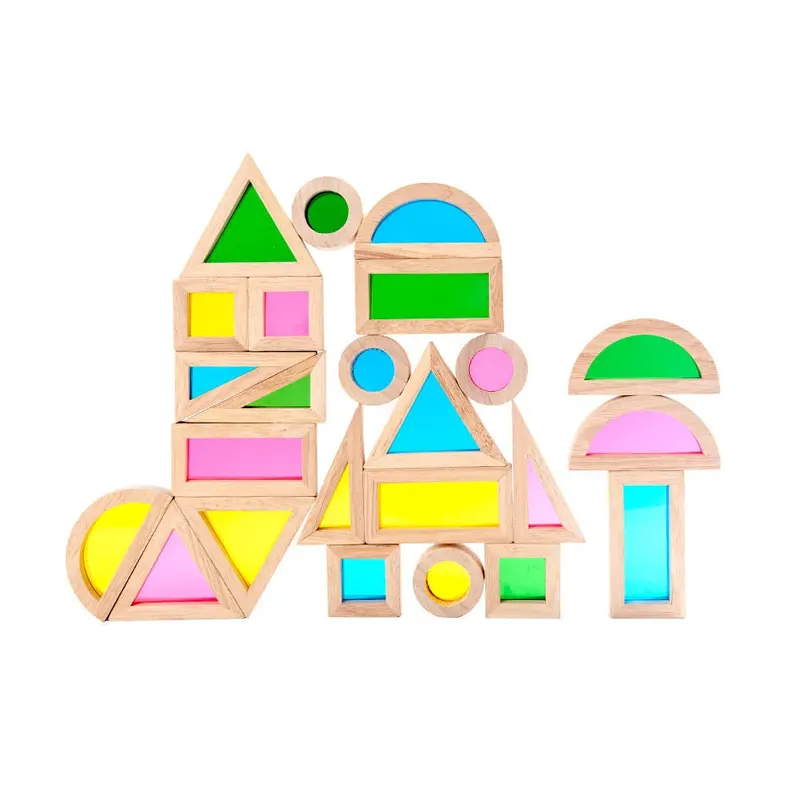
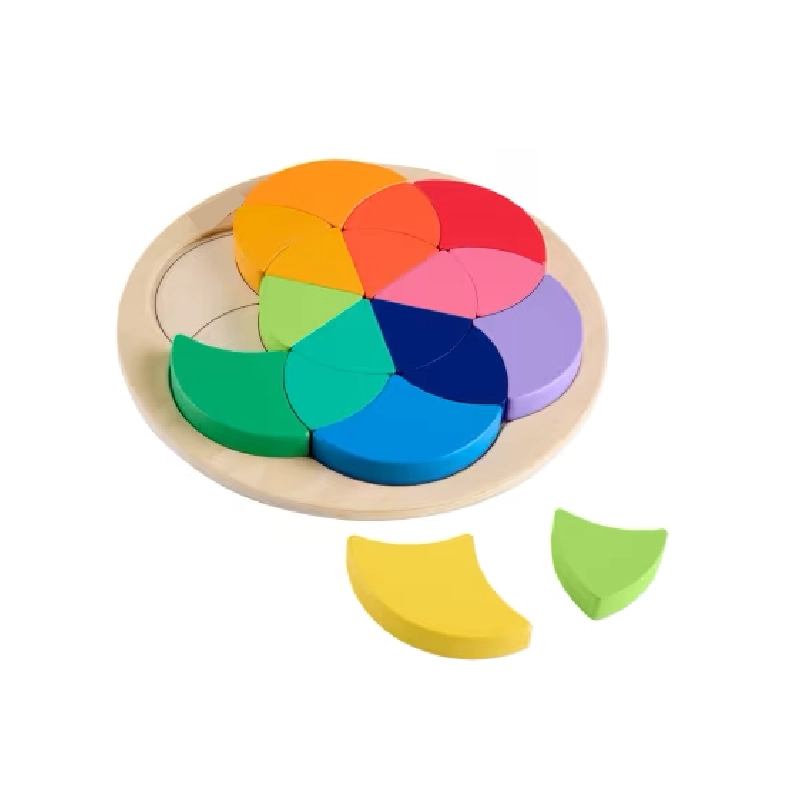
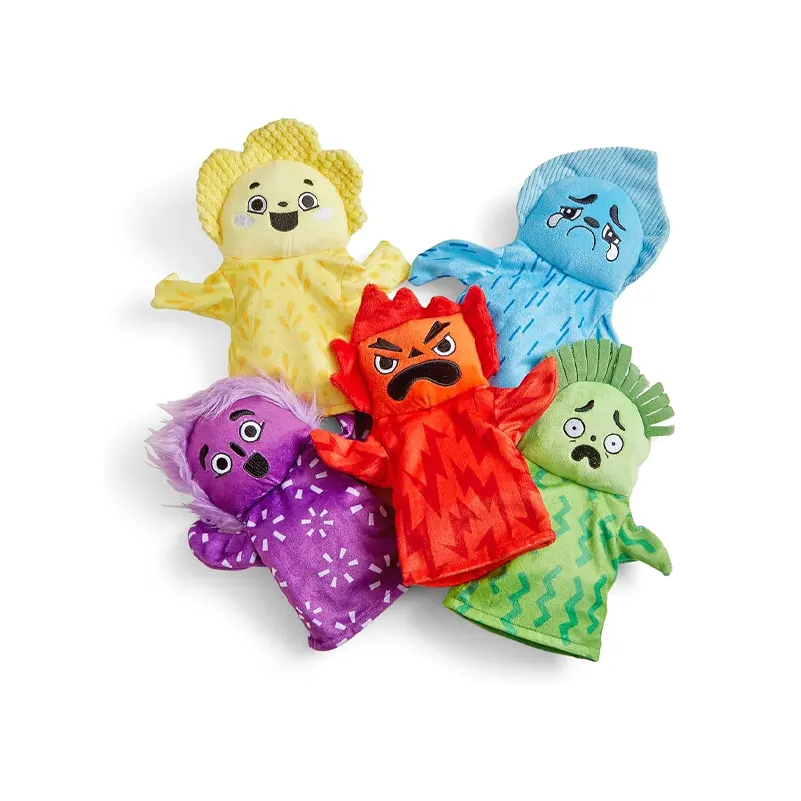
Quiet activity supplies are useful for small classrooms, rainy days, before nap time, or after active indoor play. These materials should be easy to place in trays or baskets so children can use them independently and clean up quickly.
- Picture books
- Preschool puzzles
- Matching cards
- Lacing cards
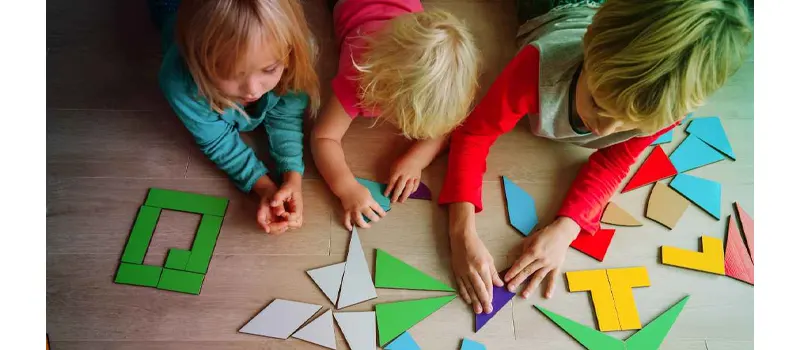
- Pattern blocks
- Drawing paper
- Crayons
- ปากกาเมจิกล้างออกได้
- Playdough
- Felt board pieces
- Puppets
- Simple board games
Tips for Preschool Directors and Teachers
Indoor recess should be prepared before it is actually needed. Once outdoor play is cancelled because of rain, snow, heat, poor air quality, or playground maintenance, teachers usually have very little time to make a good plan. If activities, materials, rules, and storage are arranged in advance, indoor recess can stay calm and purposeful instead of becoming a rushed backup solution.
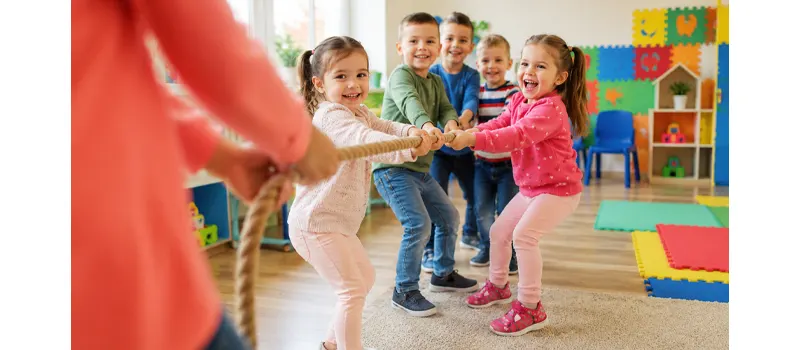
Plan Indoor Recess Before Weather Becomes a Problem
Preschool directors can prepare a simple indoor recess plan for each classroom before rainy seasons, winter weather, or hot months arrive. The plan does not need to be complicated. It should include several movement activities, quiet activities, and small-group options that teachers can use quickly when outdoor play is unavailable.
Set Clear Rules Before Children Start Playing
Because indoor spaces are smaller than playgrounds, children need to understand the limits before the activity begins. Teachers should explain where children can move, which materials they can use, how many children can join each area, and what the signal ” stop ” means. Clear rules at the beginning can prevent many problems during the activity.
Limit the Number of Children in Each Area
A good activity can quickly become difficult when too many children join at once. Reading corners, sensory bins, block areas, soft play zones, and table games all work better with small groups. Teachers can rotate children between areas instead of letting the whole class crowd into one activity.
Balance Active Play With Calm Activities
Indoor recess should help children release energy, but it should also help them return to the classroom routine. A useful approach is to start with movement activities such as freeze dance, obstacle courses, animal walks, or beanbag games, then shift to quieter choices such as books, puzzles, drawing, playdough, or sensory bottles.
Keep Materials Organized and Easy to Reach
Teachers should not need to search through storage rooms when children are already waiting. Indoor recess materials can be stored in labeled bins, trays, rolling carts, or open shelves so they are easy to take out and put away. When materials are organized by activity type, teachers can set up faster, and children can help clean up more independently.
Make Supervision Easy
Teachers should be able to see every activity area without blocked views or hidden corners. Active play should be kept away from doors, shelves, tables, and sharp edges, while quiet areas should be placed where children can settle without being interrupted.
Review the Plan With All Staff
Indoor recess planning should not depend on one teacher’s memory. Directors need to make sure teachers all know where supplies are stored, which activities are suitable for each age group, and what rules should be followed. This keeps indoor recess consistent even when staffing changes during the day.
Review and Refresh Activities Regularly
Children’s interests change throughout the year. Activities that are exciting in September may feel repetitive by January. Regularly rotating materials, introducing new challenges, and adapting favorite games can help maintain engagement without requiring a large investment in new equipment.
บทสรุป
Indoor recess should be seen as part of a center’s learning environment, not a temporary fix for bad weather. Start with simple activities, observe what keeps them engaged, and adjust the routine as their needs change. Over time, indoor recess can become a reliable way to support movement, self-regulation, creativity, and social connection inside the classroom.
So, don’t wait for the next rainy day to create a plan. Build an indoor recess routine now, test it, improve it, and make it part of your center’s daily quality standard. Small improvements can make a big difference.
คำถามที่พบบ่อย
- How long should indoor recess be?
Indoor recess usually works well in short blocks of 20 to 30 minutes. Younger children may need shorter activities with quick transitions, while older preschool and pre-K children can stay engaged longer if the activities are well organized. - How do you make indoor recess less chaotic?
Keep the setup simple. Open only a few activity areas at one time, limit the number of children in each area, use clear rules, and prepare materials before children enter the space. It also helps to start with movement and then shift to quieter activities. - Can indoor recess replace outdoor play?
Indoor recess can support movement and play when outdoor time is not possible, but it should not fully replace outdoor play when the weather and environment are safe. - What should teachers avoid during indoor recess?
Teachers should avoid activities that encourage uncontrolled running, rough pushing, throwing hard objects, using small parts with toddlers, or crowding too many children into one area. Activities with long setup times or difficult cleanup may also become stressful. - Should screen time be used for indoor recess?
Screen time should not be the main indoor recess activity. Young children benefit more from movement, hands-on play, social interaction, pretend play, building, reading, and sensory activities. Videos may be used occasionally, but they should not replace active indoor play.


 Thai
Thai  English
  Arabic
  French
  Italian
  German
  Spanish
  Japanese