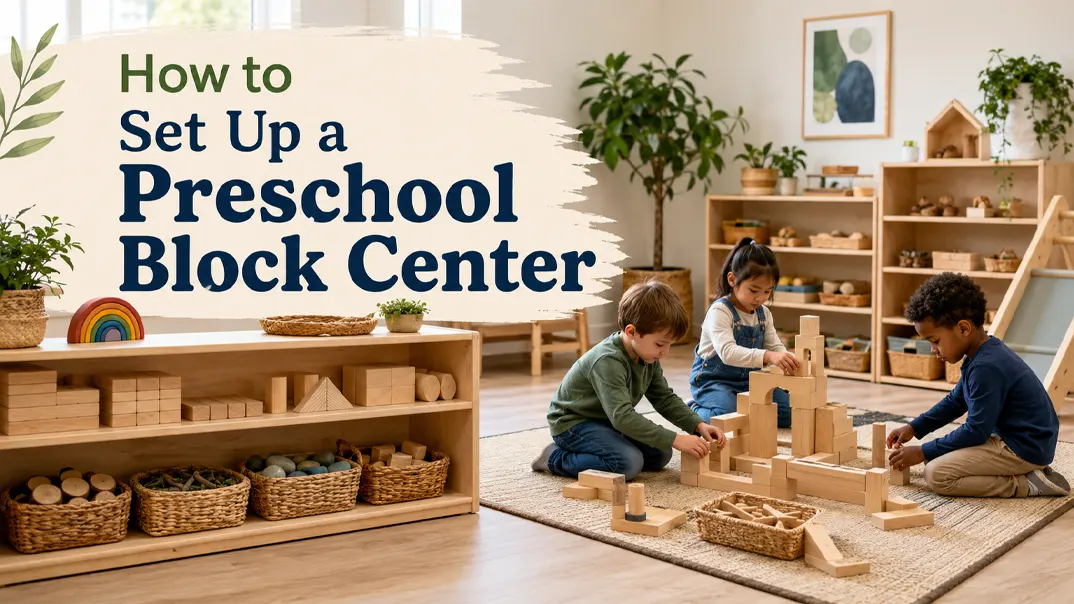
Blocks are valuable learning materials in preschool classrooms. Through building, stacking, and arranging, children begin to understand space, shape, height, balance, direction, and structure. They also learn to share ideas, solve problems, discuss plans, and work with others during hands-on play.
But block play is active and open-ended; without proper planning, blocks can easily spread across the room, materials may get mixed, children may compete for space, and cleanup can become difficult for teachers. This is why a preschool block center is important.
It gives block play a dedicated place in the classroom, with enough building space, organized storage, suitable materials, and simple rules. When the area is planned well, children can build more independently, and teachers can manage the space more easily.
In this guide, you will learn how to set up a preschool block center from scratch, including where to place it, how to plan the space, what furniture and materials to choose, how to organize blocks, and how to make the area suitable for different preschool age groups.
Why Is a Block Center Important in Preschool Classrooms?
A block center gives children a dedicated space to build, think, create, and work with others. It helps turn block play from a loose classroom activity into a structured learning area with clear materials, space, and purpose.
Supports Early Math and STEM Thinking
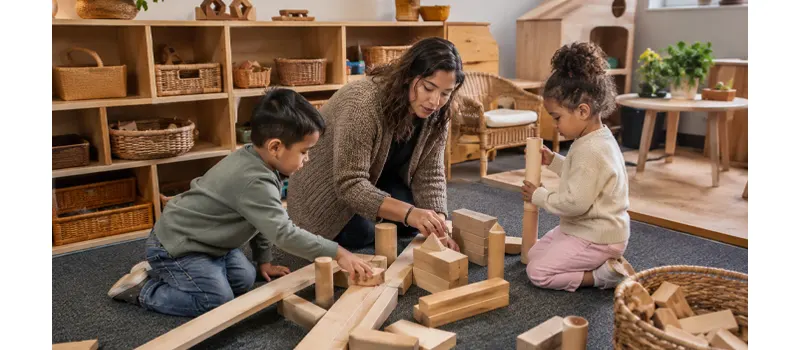
When children build with blocks, they naturally explore height, length, balance, shape, symmetry, pattern, and spatial relationships. They test ideas by stacking, adjusting, rebuilding, and solving simple construction problems, which supports early math and engineering thinking through hands-on play.
Encourages Language Development
Block play gives children many chances to talk about what they are building, describe shapes and positions, ask for materials, and explain their ideas to others. These daily conversations help build vocabulary, communication skills, listening skills, and confidence in expressing thoughts.
Builds Social and Collaboration Skills
Preschool block center often involves shared space and shared materials, so children learn to take turns, negotiate, plan together, and solve conflicts. When they build roads, houses, bridges, or larger structures as a group, they practice cooperation in a natural classroom setting.
Supports Creativity and Imaginative Play
Blocks are open-ended materials, which means children can use them in many different ways. The same blocks can become a city, farm, zoo, road, castle, or home, giving children freedom to create stories, roles, and play scenarios based on their own ideas.
Develops Independence and Responsibility
When blocks are stored on low shelves, sorted clearly, and labeled with pictures, children can choose materials and return them independently. This helps them build responsibility, care for classroom materials, and follow cleanup routines with less teacher support.
Keeps Block Play Organized and Manageable
A clear block center helps prevent blocks from spreading across the classroom. With a defined area, suitable storage, and simple rules, children understand where building happens, where materials belong, and how to use the space safely and respectfully.
How to Set Up Your Preschool Block Center?
Because block play involves movement, large materials, shared space, and unfinished structures, the area must be planned with enough room, clear boundaries, and good visibility for teachers. The goal is to create a space where children can build freely without interrupting other classroom activities.
1. Choose the Right Location in the Classroom
The first step is selecting an appropriate location. The block center should ideally be placed in an area that allows for active movement and some level of noise, since block play is naturally social and hands-on.
A good location should:
- Be visible to the teacher for easy supervision
- Be away from quiet areas such as reading or nap zones
- Have enough open floor space for movement and building
- Ensuring it does not block classroom traffic paths
- Allowing smooth movement in and out of the area
Avoid placing the block center in tight corners or near fragile materials, as children need freedom to build large structures and collaborate with others.
2. Ensure Enough Open Space for Building
If the area is too small, children will quickly become frustrated, and their play will become limited.
As a general guideline:
- The space should allow at least 2–4 children to build comfortably at the same time
- There should be enough room for large structures such as towers, roads, or bridges
The goal is to support expansive, not restricted, construction play.
3. Define the Physical Boundaries
Clearly marking the block area helps children understand where play begins and ends.
Boundary options include:
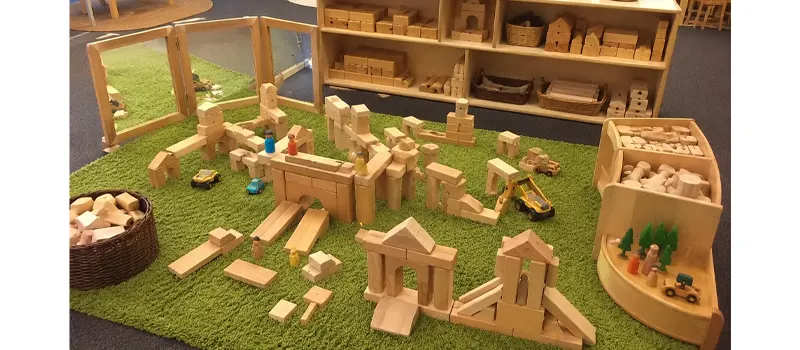
- Floor rugs or carpets
- Low shelving units
- Floor tape or visual markers
Defined boundaries improve organization and reduce classroom conflicts.
4. Select the Essential Furniture for a Preschool Block Center
While blocks and materials are the focus of play, the furniture determines how accessible, organized, and functional the space will be. Well-chosen furniture not only supports independent learning but also encourages children to take ownership of their environment.
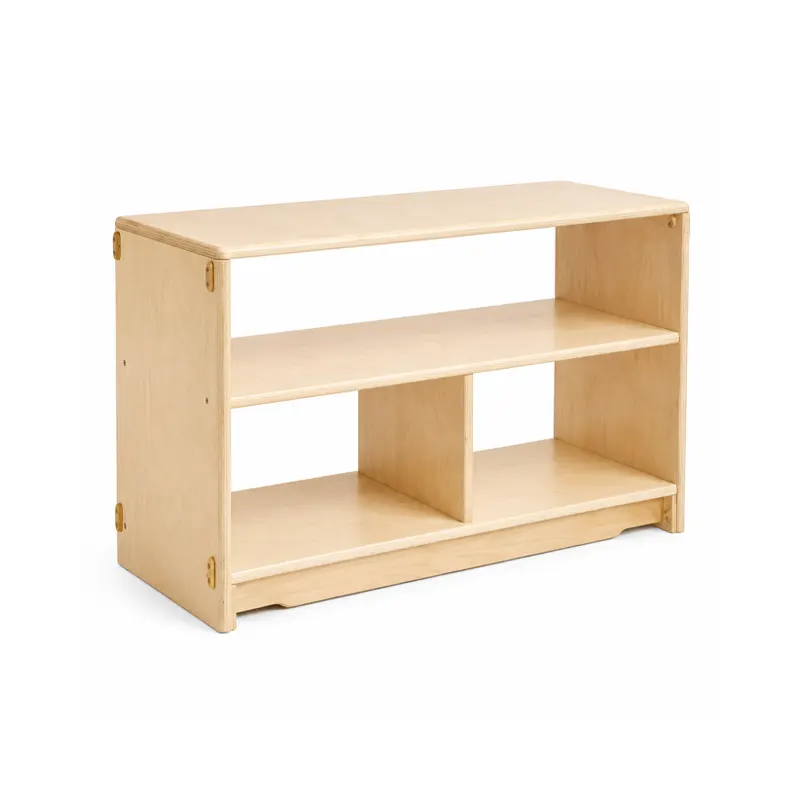
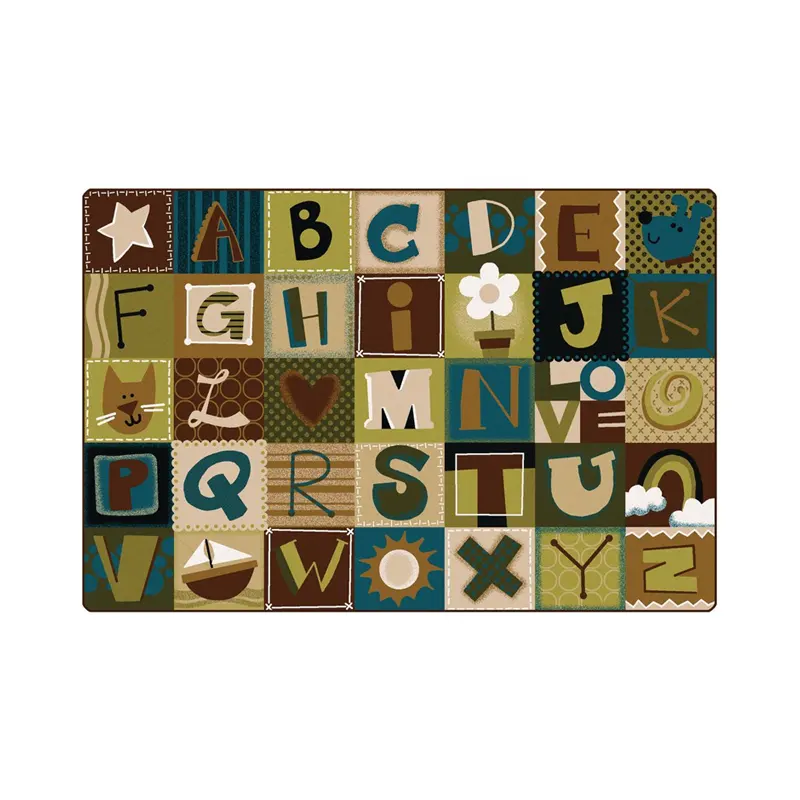
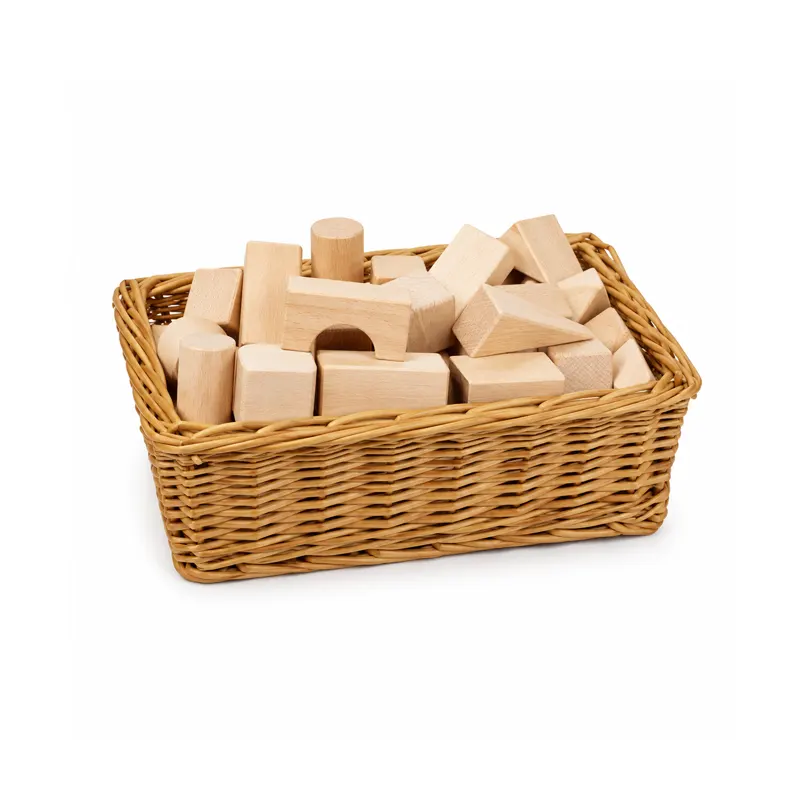
Open Block Shelves
Open shelving allows children to access and return materials without adult assistance independently. It also supports classroom order by making it visually clear where each type of material belongs, which encourages responsibility and independence.
Classroom Rug or Building Mat
أ classroom rug or building mat helps define where block play should happen. It gives children a clear building zone, reduces noise from blocks hitting the floor, and helps protect both the floor and the materials. For teachers, a rug also makes it easier to limit the building area and prevent blocks from spreading across the classroom.
Baskets and Trays
Baskets and trays are useful for smaller block center materials such as vehicles, people figures, animals, and loose parts. This helps children find what they need and keeps the block center from becoming visually cluttered.
Table or Flat Surfaces
Although most block play happens on the floor, having a nearby table or flat surface can expand learning possibilities. This adds flexibility to the Preschool Block Center and supports different learning styles.
Child-Sized Seating or Floor Cushions
Small floor cushions or child-sized seating can be useful when children plan buildings, draw simple designs, or talk about their structures. These should stay flexible so they do not reduce the main building space.
5. Choose the Right Block Center Materials
The materials in a Preschool Block Center should support building, problem-solving, storytelling, and hands-on exploration. A good block center does not need too many materials at once. It needs the right mix of basic blocks, real-world accessories, and open-ended materials that match children’s age and classroom space.
Start with Basic Building Blocks
Basic building blocks are the foundation of every Preschool Block Center. They give children the main materials they need to stack, balance, connect, compare, and build different structures.
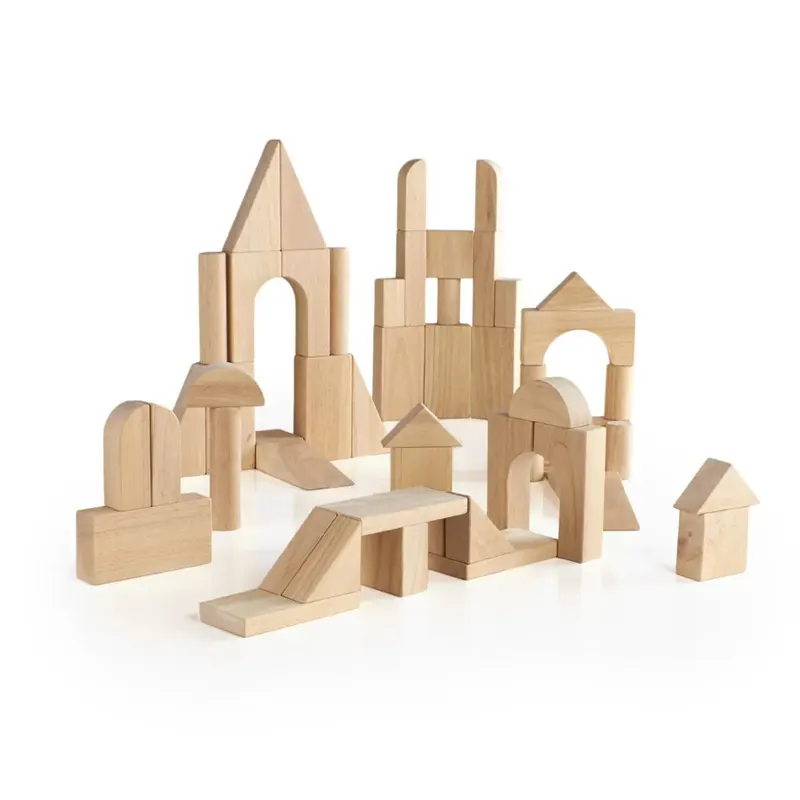
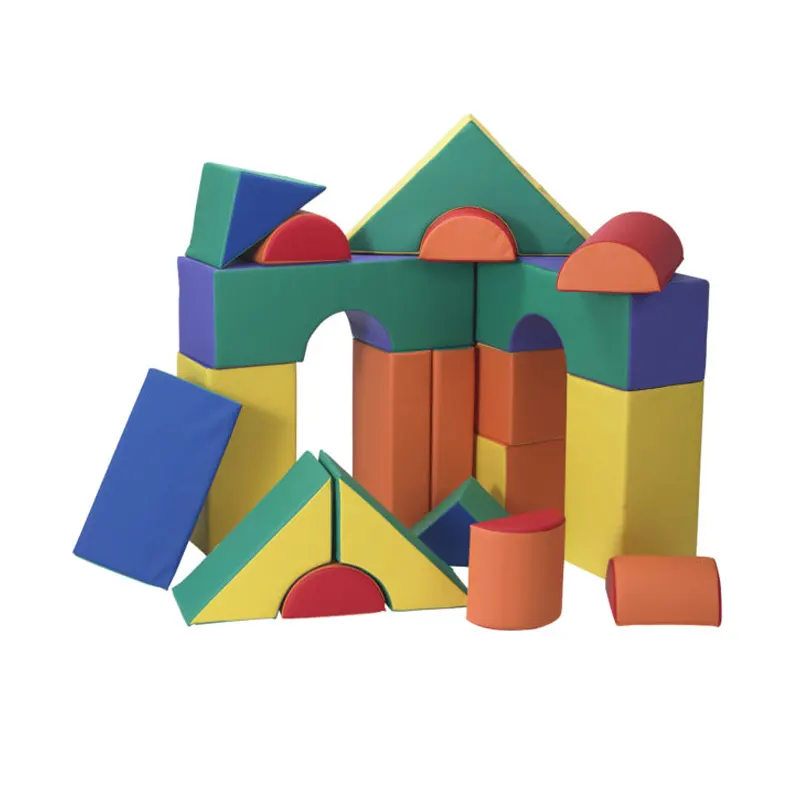
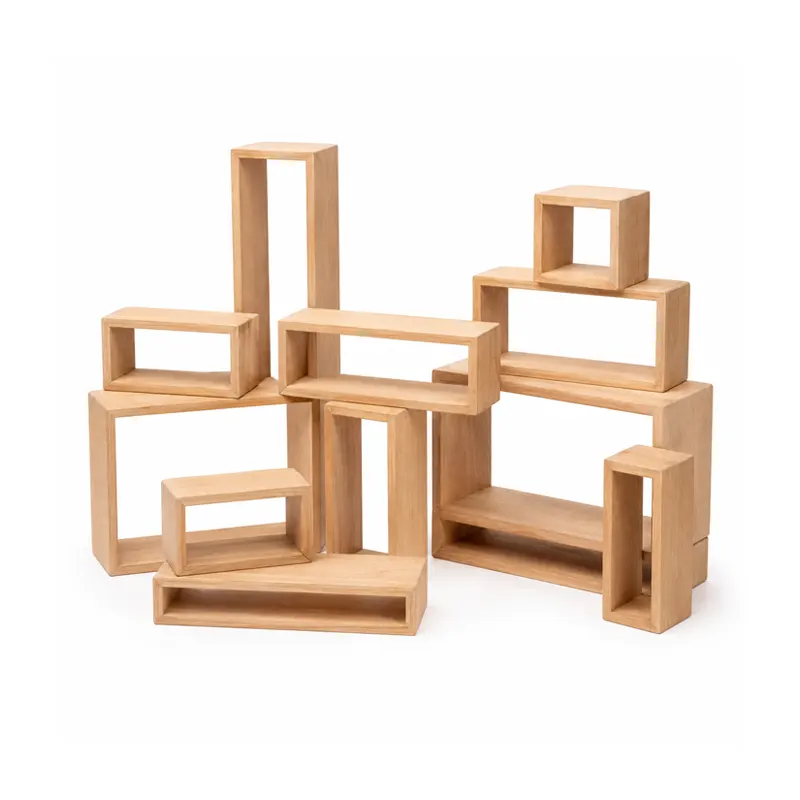
Recommended materials include:
- Wooden unit blocks
- Hollow blocks
- Foam blocks
- Large lightweight blocks
- Soft blocks for younger children
These blocks help children explore shape, height, balance, size, weight, and spatial relationships through repeated hands-on building.
Add Ramps and Construction Materials
Ramps and construction add-ons make block play more challenging and more connected to early STEM learning. They help children test movement, slope, speed, balance, and cause-and-effect during building play.
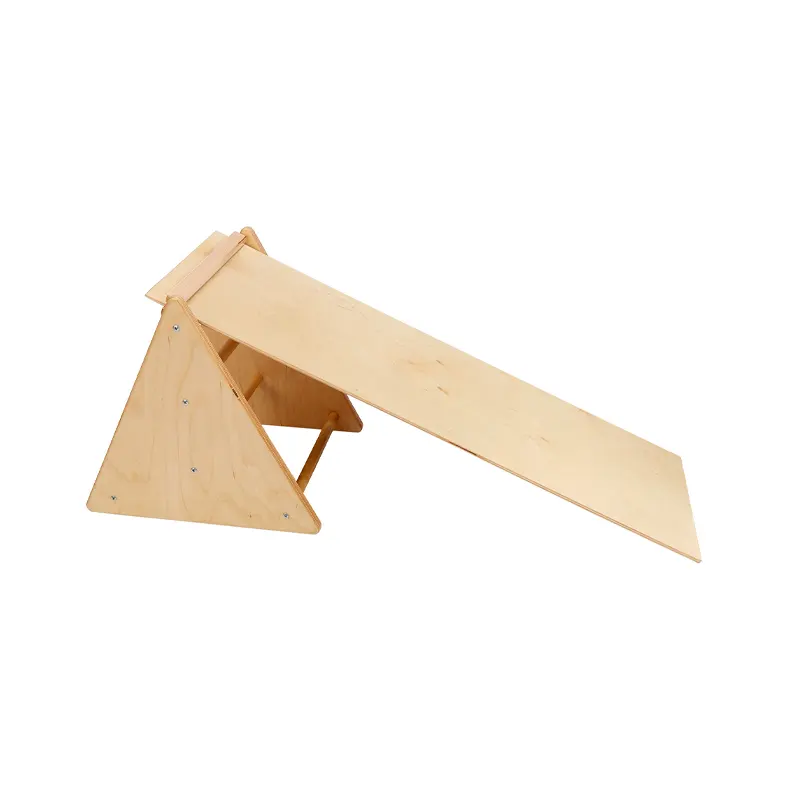
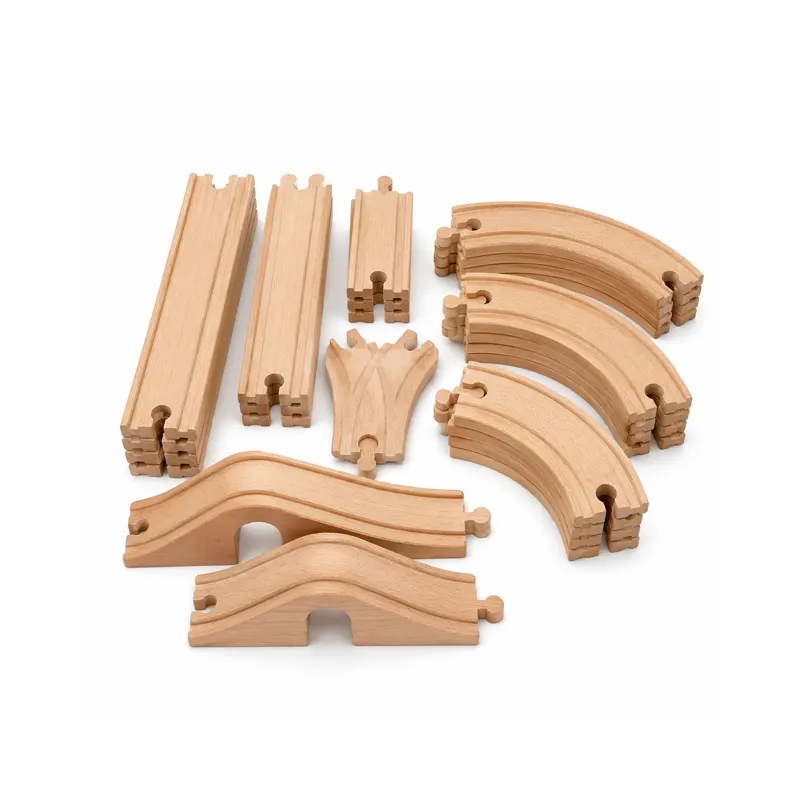
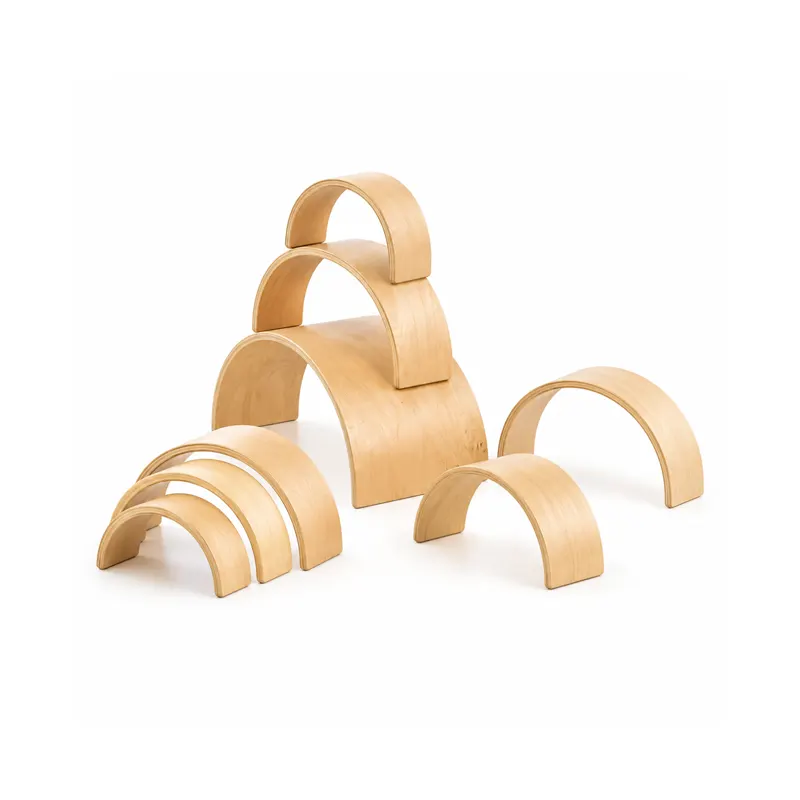
Recommended materials include:
- Wooden ramps
- Tubes
- Tracks
- Arches
- Bridges
- Simple engineering pieces
These materials encourage children to build roads, tunnels, bridges, vehicle paths, and more complex structures that require planning and problem-solving.
Include Themed and Real-World Accessories
Accessories bring imagination into the Preschool Block Center. They help children connect their constructions to real-life environments and turn simple structures into meaningful play scenes.
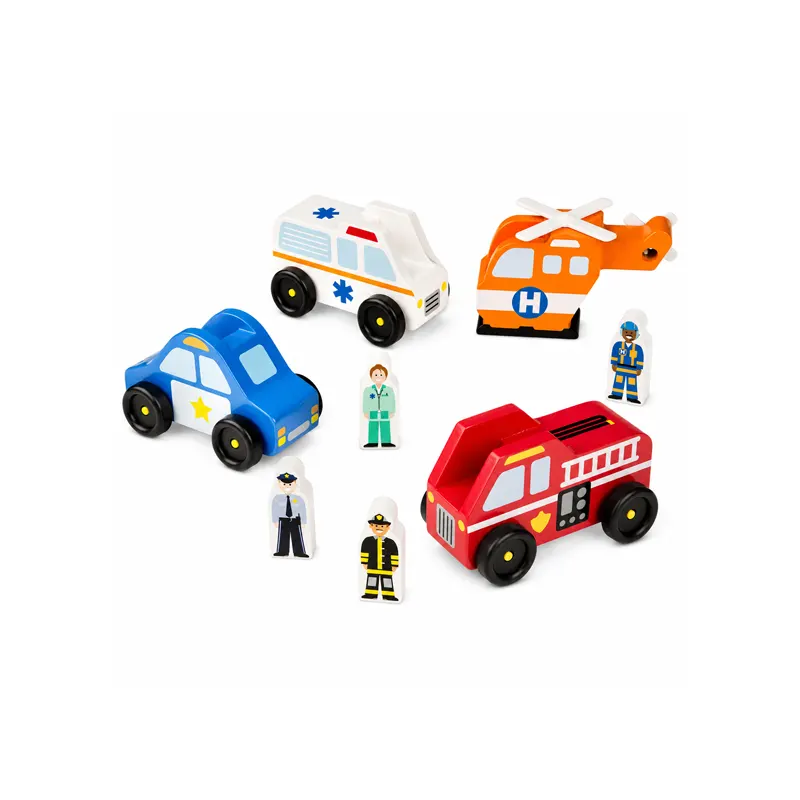
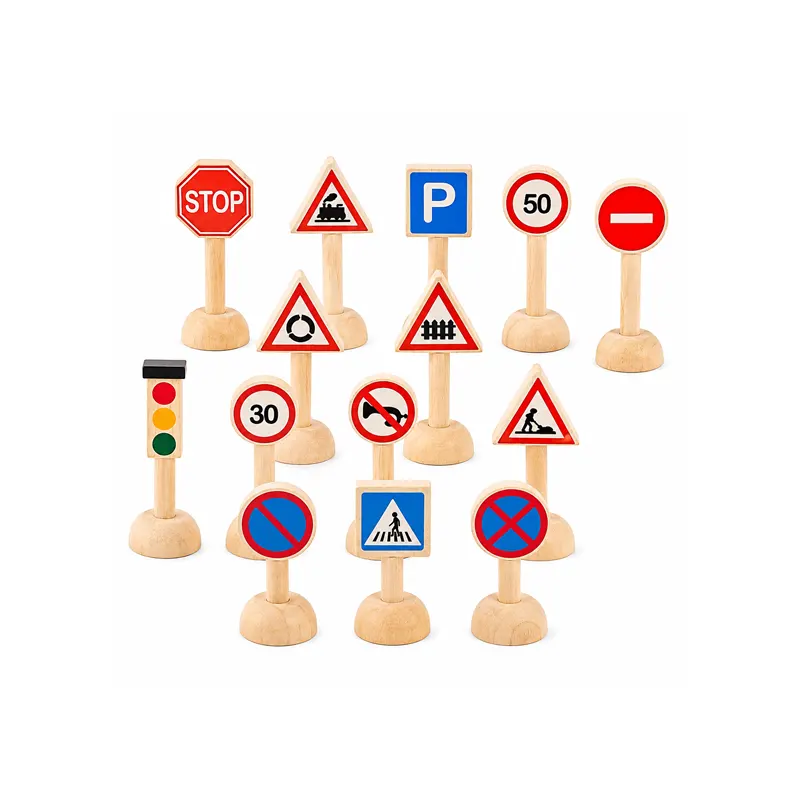
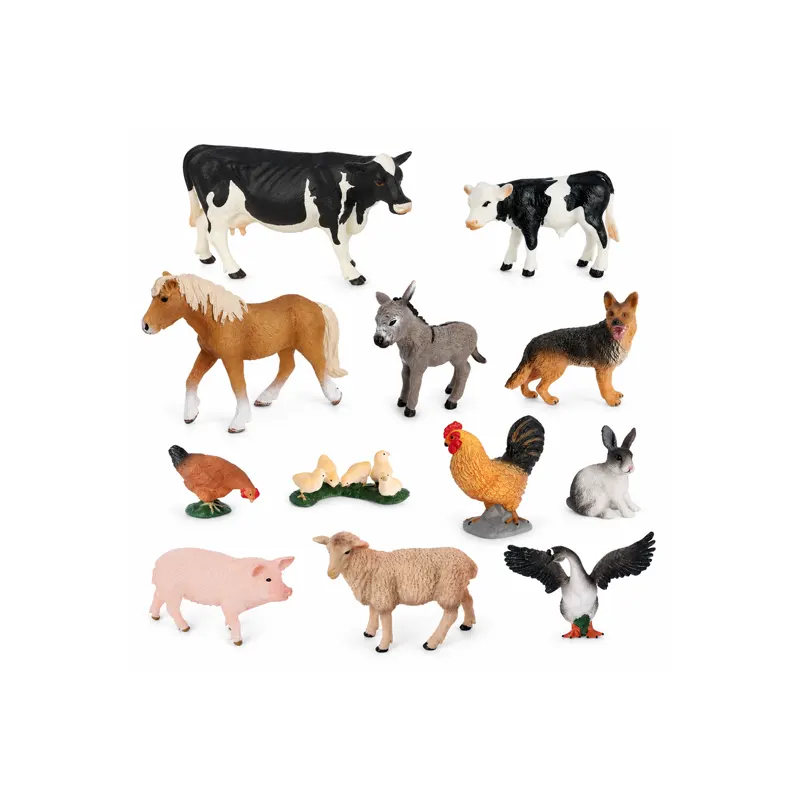
Recommended accessories include:
- Small human figures
- Animals
- Vehicles, such as cars, trucks, and emergency vehicles
- Road signs
- Traffic lights
- Trees and landscape pieces
- Small houses or community buildings
These items transform simple block structures into cities, farms, roads, construction sites, zoos, or fantasy worlds.
Offer Open-Ended Loose Parts
Open-ended loose parts give children more freedom to create, combine, and represent their own ideas. Unlike fixed toys, these materials can be used in many different ways depending on the child’s imagination.
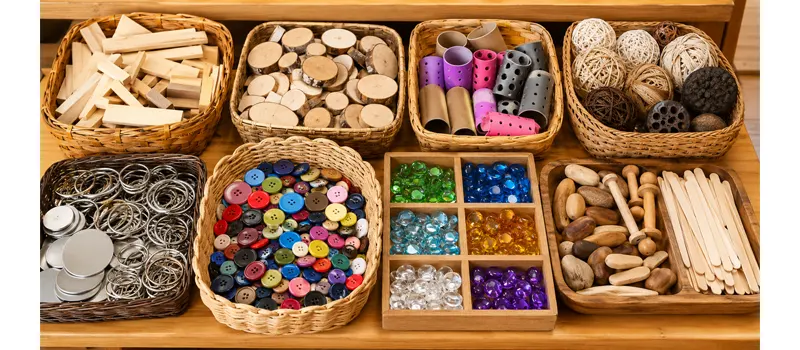
Recommended loose parts include:
- Wooden discs
- Wooden rings
- Fabric pieces
- Cardboard tubes
- Stones
- Shells
- أقماع الصنوبر
- Small natural materials
These materials can become windows, roofs, fences, tunnels, decorations, bridges, or pretend objects during block play.
Prepare Planning and Drawing Materials
Planning materials help older preschool children move from simple building to more intentional design. They encourage children to think before they build, record their ideas, and explain their structures to others.
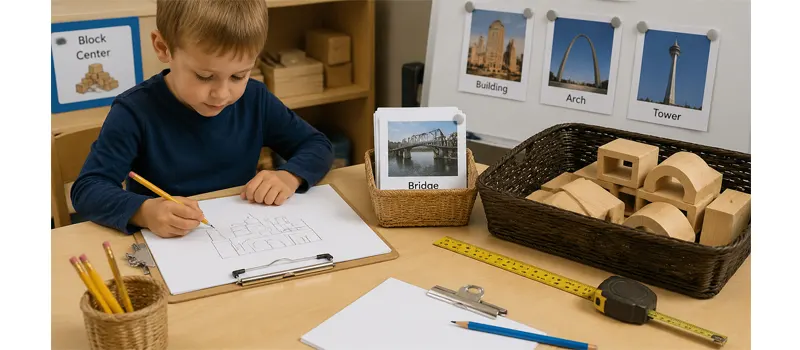
Recommended materials include:
- Clipboards
- Pencils
- Drawing paper
- Simple blueprint cards
- Photos of buildings and bridges
- Construction image cards
- Measuring tapes or rulers for older children
These tools connect block play with early literacy, math, design thinking, and project-based learning.
6. Place Shelves Along the Edge
Place block shelves around one side or two sides of the block center. Keep the center space open for building. Children need room to sit, kneel, stand, move blocks, and work with classmates.
Shelves should be low enough for children to reach without help. Open shelving works best because children can see the blocks, choose what they need, and return them after play. Avoid putting too many shelves inside the building area, because this reduces floor space and makes the center feel crowded.
7. Sort Blocks by Type and Size
Blocks should be grouped in a way that children can understand quickly. Large blocks, unit blocks, hollow blocks, ramps, arches, cylinders, and small accessories should each have their own clear place.
A good setup usually places heavier and larger blocks on lower shelves. Smaller blocks and accessories can be placed higher, but still within the child’s reach. This makes the space safer and helps children find materials without pulling everything out at once.
How to Organize the Block Center for Easy Cleanup?
A well-designed Preschool Block Center should make cleanup feel natural, simple, and predictable for young children. Instead of relying on constant teacher instructions, the environment itself should guide children toward putting materials back in the right place. When organization is done well, cleanup becomes a smooth extension of play rather than a separate, stressful task.
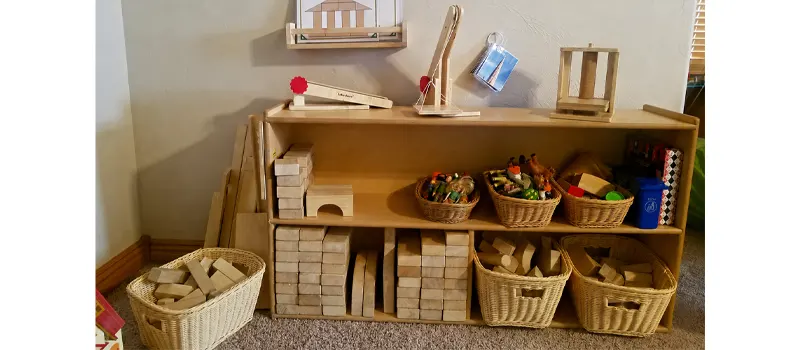
Add Simple Visual Labels
Use picture labels on shelves to show where each type of block belongs. For preschool children, visual labels are much easier to follow than text-only labels.
Each shelf section can show a simple image of the block shape stored there. This supports independent cleanup and helps children develop sorting, matching, and a sense of responsibility through daily routines.
Start with Fewer Materials
Do not put out every block and accessory at the beginning. Too many materials can make the block center crowded, noisy, and difficult to manage. Start with basic blocks, a few vehicles or figures, and one small group of loose parts. More materials can be added later as children learn how to use and clean up the area.
Set Simple Rules
Introduce a few clear rules before children use the block center. The rules should be easy to remember and easy to follow.
Useful block center rules include:
- Build inside the block area
- Carry blocks with two hands
- Keep blocks below shoulder height
- Walk around other children’s buildings
- Ask before changing someone else’s structure
- Return materials to the matching shelf or basket
Simple rules help keep the area safe, respectful, and manageable.
Limit the Number of Children
A block center works better when the number of children is limited. Too many children in the same space can lead to crowding, conflict, and broken structures. Teachers can use a center sign or picture cards to show how many children can play in the block area at one time.
Teach the Cleanup Routine
Show children how to return each block to its labeled shelf, place small accessories in baskets, and check the floor before leaving the area. At first, teachers may need to model the routine several times. Once children understand the system, cleanup becomes faster and more independent.
Observe and Adjust the Setup
After the block center is in use, observe how children interact with the space. If children often crowd in one corner, the layout may need more open floor space. If materials are always mixed together, the labels or storage system may need to be clearer.
A good Preschool Block Center is not fixed forever. It should be adjusted based on children’s age, interests, building skills, and classroom routines.
Adjust the Block Center for Different Preschool Ages
Children at different developmental stages interact with materials in very different ways. Instead of using a one-size-fits-all setup, teachers should gradually modify materials, expectations, and complexity to match the abilities of the children in their classroom.
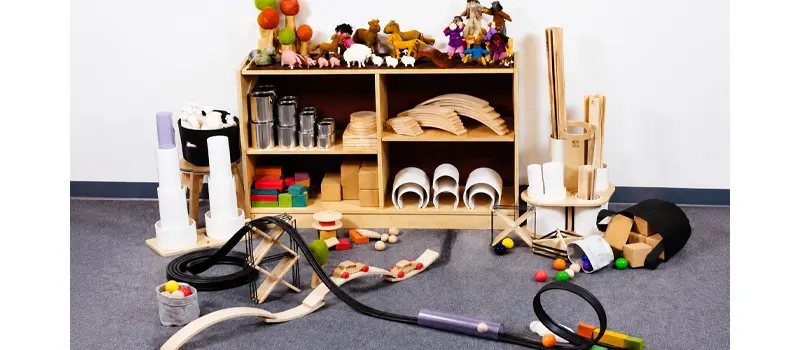
For Younger Preschoolers (Ages 2–3)
At this stage, children are still developing basic motor skills and spatial awareness. Their play is often exploratory rather than structured, focusing on sensory experience and simple actions like stacking and knocking down.
The block center for this age group should prioritize safety, simplicity, and ease of use. Materials should be large, lightweight, and easy to grasp, reducing frustration and preventing accidental hazards. At this stage, the goal is exploration rather than construction accuracy.
For Middle Preschoolers (Ages 3–4)
Children in this stage begin to show more intentional building behavior. They start planning simple structures and engaging more actively with peers during play.
The block center can now include a wider variety of materials, such as standard unit blocks, basic accessories, and simple thematic items like small figures or vehicles. These additions help expand imagination while still maintaining structure.
At this age, children also begin learning how to share space and materials, so classroom organization and basic cleanup expectations become more important.
For Older Preschoolers (Ages 4–5)
Older preschool children are capable of more complex thinking and cooperative construction. They begin to plan projects, solve problems, and work together to create larger and more detailed structures.
The block center can now support more advanced materials, including engineering add-ons like ramps, connectors, and more detailed accessories. These materials encourage early STEM thinking and introduce concepts such as balance, movement, and design planning.
At this stage, teachers can also introduce more structured challenges, such as building specific objects or collaborating on group projects.
خاتمة
A well-designed block center creates a shift in the classroom dynamic. Instead of children passively receiving knowledge, they become active thinkers who test ideas, solve problems, and learn through direct interaction with their environment. In this sense, the block center is not just a learning area—it is a thinking space where cognitive development becomes visible through action.
For teachers, this also represents an important shift in role. Rather than being the center of instruction, the teacher becomes an observer, facilitator, and designer of learning conditions. Small adjustments in materials, structure, and guidance can significantly influence how deeply children engage and what skills they develop.
If you are looking to create a more engaging and inspiring block center for your classroom, reaching out to شيها كيدز is a strong next step toward turning your educational vision into reality.
الأسئلة الشائعة
At what age is best for a block center?
A block center is suitable for children aged 2–5 years old. Younger children focus on simple stacking and sensory exploration, while older preschoolers engage in more complex building and collaborative projects.
How can teachers reduce noise in the block center?
A rug or building mat can help reduce the sound of blocks hitting the floor. Teachers can also place the block center away from quiet areas and limit the number of children using the space at one time. Choosing smoother, well-finished blocks and teaching children to carry materials carefully can also help keep the area calmer.
How often should block center furniture and materials be checked?
Block center furniture and materials should be checked regularly because they are used heavily in preschool classrooms. Teachers should look for loose parts, rough edges, broken blocks, unstable shelves, damaged baskets, and missing labels. Regular checks help keep the area safe, organized, and ready for daily use.
How can a block center be used for classroom observation?
Teachers can observe how children solve problems, cooperate, use language, understand space, and respond to challenges during block play. For example, a child may test balance, explain a building plan, negotiate with a friend, or rebuild after a structure falls. These moments give teachers useful insight into children’s thinking and development.
What safety details should buyers pay attention to when choosing block center furniture?
Buyers should look for child-height furniture, stable construction, rounded edges, smooth surfaces, secure shelving, and safe finishes. Furniture should be easy for children to access without climbing and strong enough for daily preschool use. For project purchasing, material quality and long-term durability are just as important as appearance.


 Arabic
  English
  French
  Italian
  German
  Spanish
  Thai
Thai  Japanese