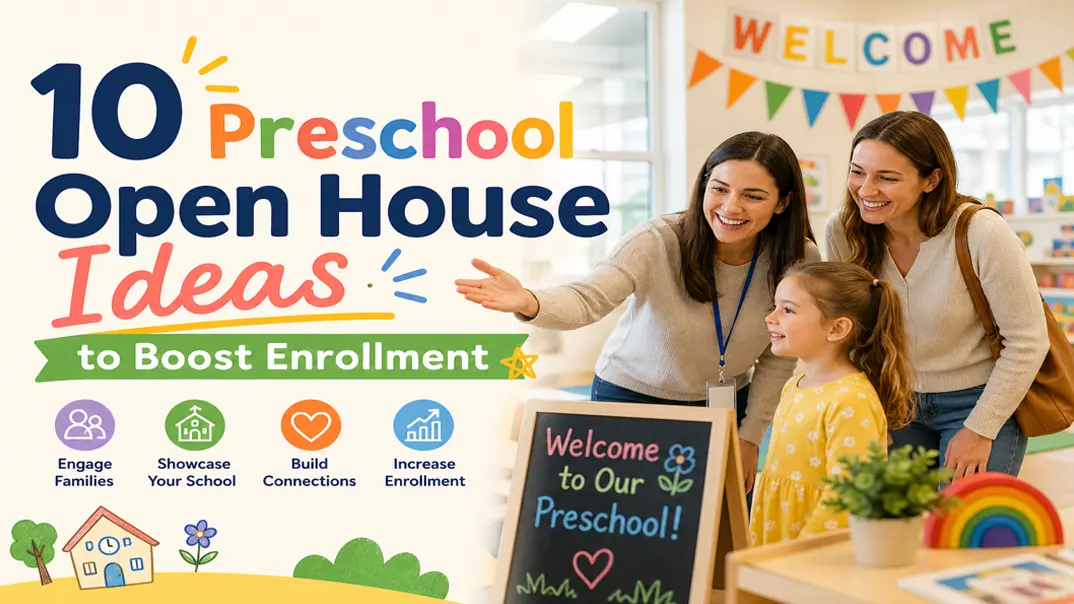
A preschool open house is a planned visit event where families can tour the classroom, meet teachers, learn about the daily routine, and decide whether the program feels right for their child. The best preschool open house ideas help families picture their child in your care. When parents leave with confidence, they are much more likely to ask about enrollment and complete an application.
That is why a well-planned preschool open house needs to balance three things at once: a smooth flow for visitors, meaningful interaction for children, and clear communication for parents. In this guide, you will find practical preschool open house ideas that you can actually use. The goal is simple: help you turn your open house into a professional, welcoming experience that leads to real enrollment results.
What Is a Preschool Open House?
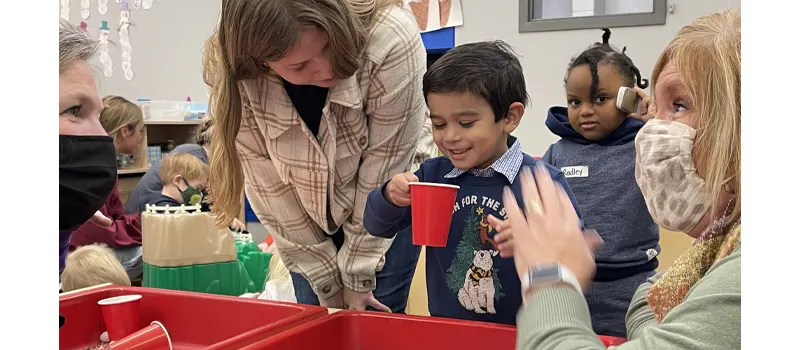
A preschool open house is a scheduled event where prospective families are invited to visit your preschool, explore the classroom environment, and learn how your program works. It gives parents a clear, real-life view of your space, your teaching approach, and how children spend their day.
Unlike a simple tour, a preschool open house is more interactive and structured. Parents are not just walking through the classroom. They are observing how learning areas are set up, how materials are organized, and how teachers communicate and guide children. At the same time, children can try small activities, move around the room, and get a first feeling of what daily life might look like.
Why Preschool Open House Matters?
A preschool open house helps families understand your school before enrollment. It gives parents a chance to see the classroom, meet teachers, ask questions, and feel more confident about their decision. It also helps children become familiar with the environment before their first day, making the transition into preschool smoother.
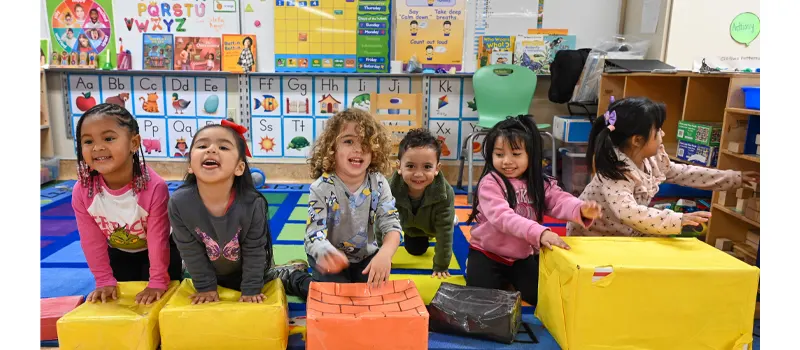
Builds Trust with Parents
Parents want to feel sure that their child will be safe, comfortable, and well cared for. During an open house, they can see the classroom in person, observe how the space is arranged, and speak directly with teachers. This real experience often feels more convincing than photos, brochures, or online descriptions.
Helps Children Adjust Before Enrollment
A preschool open house is also a simple way to help children get used to the new environment. Instead of entering an unfamiliar classroom on the first day, children can visit with their parents, explore the space, and try a few simple activities. They begin to recognize the room, the materials, and the teachers. This small step can reduce anxiety and make the first school days feel easier.
Shows Your Classroom Environment Clearly
Open house events allow families to see how your preschool works in daily life. Parents can notice the learning areas, Kindermöbel, classroom materials, and storage systems. These details help them understand whether the environment is organized, safe, and suitable for young children.
Gives Parents a Chance to Ask Questions
Many parents have concerns before choosing a preschool. They may want to ask about daily routines, teacher qualifications, safety rules, meals, nap time, communication, or how children are supported during separation. An open house gives them a natural time to ask these questions and receive clear answers.
Shows What Makes Your Preschool Different
Every preschool has its own way of doing things, but that is not always easy to explain online. An open house lets you show your strengths clearly. This could be your teaching method or daily activities. When parents can see these details, they better understand your value.
Supports Enrollment Decisions
A well-planned open house helps families move from interest to action. When parents feel comfortable with the classroom, trust the teachers, and understand the program clearly, they are more likely to take the next step. That may be submitting an application, booking a follow-up tour, and actual enrollment.
How to Plan a Successful Preschool Open House?
Planning a preschool open house is less about doing more, and more about doing the right things clearly. Families do not need a complicated event. They need a smooth experience that helps them understand your school, feel comfortable in the environment, and trust your team.
Set a Clear Goal for the Event
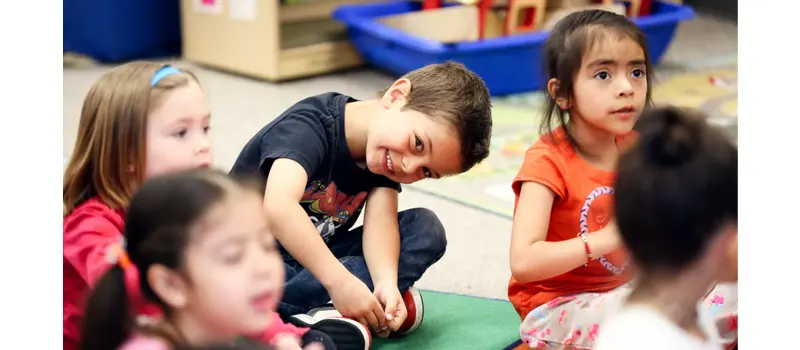
Before planning details, decide what you want this open house to achieve. Some schools focus on increasing enrollment. Others want to introduce a new campus, fill specific class spots, or build awareness in the local community. When your goal is clear, it becomes easier to decide what to include, what to simplify, and how to guide parents toward the next step.
Create a Simple Open House Schedule
A clear and simple schedule helps everything run smoothly. You can divide the visit into a few clear parts. For example, welcome and sign in, classroom tour, child activities, teacher interaction, and a short Q and A. Keep each part short and focused. Print your schedule and place it at the entrance or check-in table so every family can quickly see what will happen next.
Choose the Right Date and Time
Timing can affect how many families attend. Try to schedule your open house about one to two months before enrollment deadlines. This gives parents enough time to consider your school and take action. Avoid major holidays or large local events. Weekends or late afternoons usually work better for working families. If possible, consider offering two time options. This can help more families attend.
Promote Your Open House
Promotion does not need to be complicated, but it needs to be clear and consistent. Clear information matters. Include date, time, location, and what families can expect.
- Your website: Add a clear banner or landing page with date, time, and sign-up details
- Email list: Send simple invitations with a short explanation of what families will experience
- Social media: Share classroom photos, short videos, or teacher introductions to build interest
- Local groups: Post in community groups or parent networks
- On-site signage: Place a banner or poster outside your school
Prepare the Classroom Environment
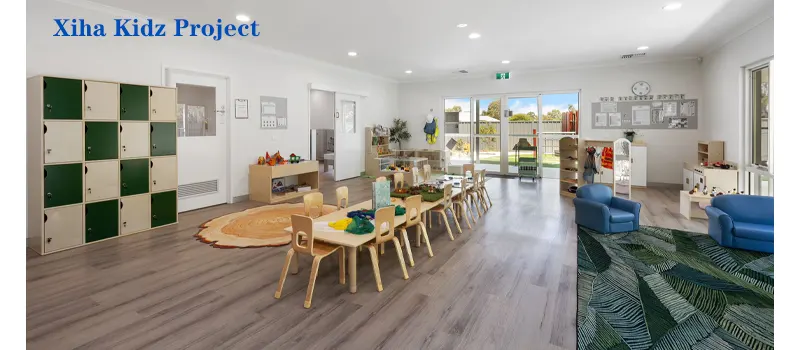
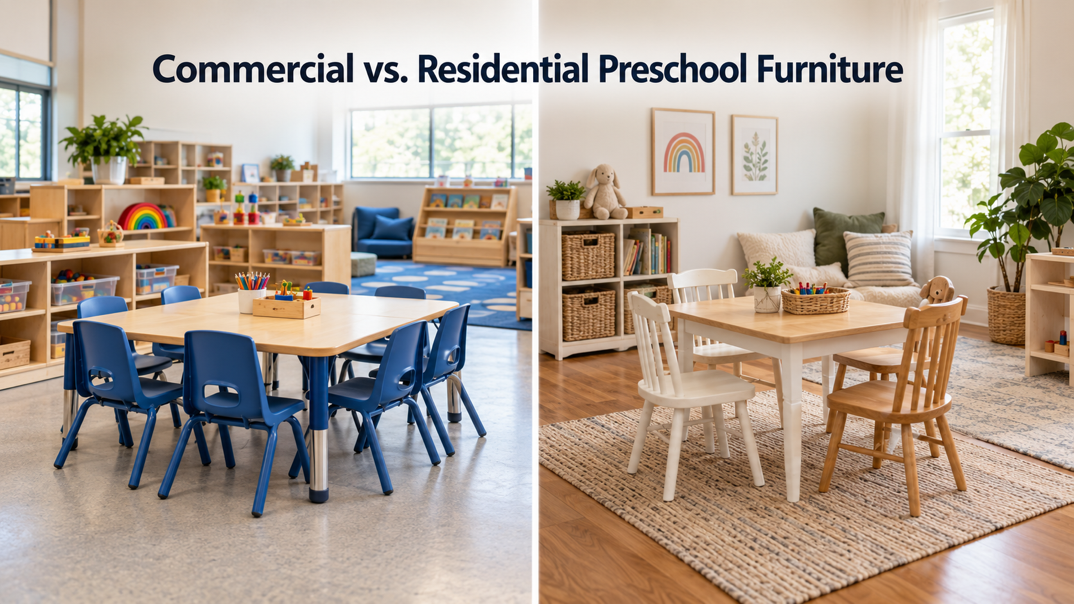
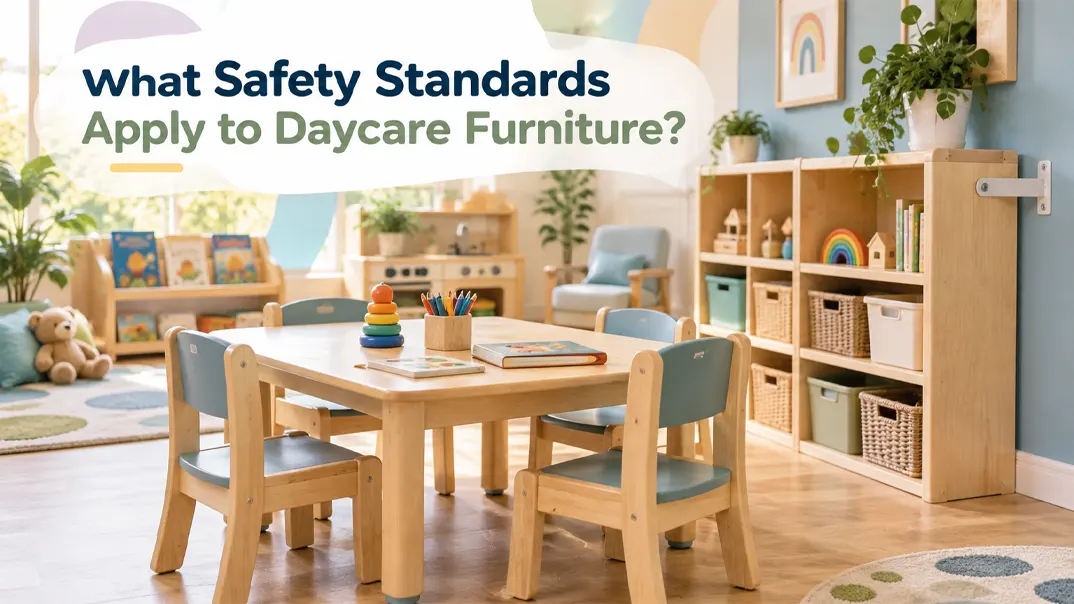
Your classroom is one of the most important parts of the open house. Make sure the space is clean, organized, and easy to understand. Learning areas should be clearly defined. Materials should be accessible. Furniture should match the children’s size and feel safe to use. Parents should be able to walk in and quickly understand how the classroom works.
Xiha Kidz supports daycare projects with classroom layout design, child-sized furniture, storage planning, and customized learning space solutions. You can work with us to create a supportive classroom environment to give parents a stronger sense of trust when they visit.
Train Teachers and Staff for Parent Communication
Teachers play a key role during the open house. Before the event, make sure staff know how to greet families, introduce the classroom, answer common questions, and explain daily routines in simple language. They should be ready to talk about separation anxiety, safety, meals, naps, behavior guidance, learning activities, and how teachers communicate with parents after enrollment. Parents often remember these conversations more than anything else. Simple, confident communication builds trust very quickly.
Prepare What You Will Present
Think about what you want parents to take away from the visit. This could include a short introduction about your program, your teaching approach, or what makes your preschool different. You do not need a long speech. Keep it simple and focused.
10 Preschool Open House Ideas (For the Day of the Event)
A great preschool open house is not about having more activities. It is about creating a clear, welcoming experience where parents can understand your school and children feel comfortable exploring the space.
1. Prepare Take-Home Materials
Parents often forget details after they leave, so simple materials can make a big difference.
You can prepare:
- A short school introduction
- Daily schedule overview
- Enrollment steps and contact details
- Tuition or program information
Keep everything clear and easy to scan. Avoid long text. Parents should be able to review it later in just a few minutes.
2. Create a Warm Welcome Atmosphere
The first few minutes of arrival shape the entire experience. When families walk in, they should immediately feel guided and comfortable. A clean and organized sign-in area, friendly greetings, and clear directions help remove any uncertainty. When parents feel relaxed from the beginning, they are more open to engaging with the rest of the event.
3. Display Student Work
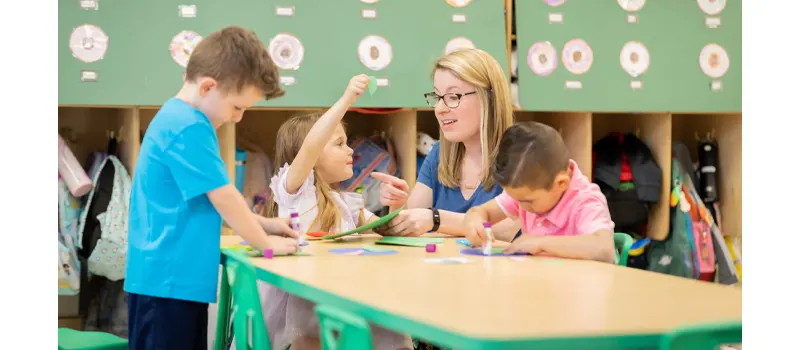
Showing real student work helps parents understand what happens in your classroom on a daily basis. Instead of only hearing about your approach, they can see examples of children’s activities, creativity, and progress. This makes your program feel more authentic and easier to relate to, especially for parents trying to imagine their own child in the space.
4. Offer a Mini Class Experience
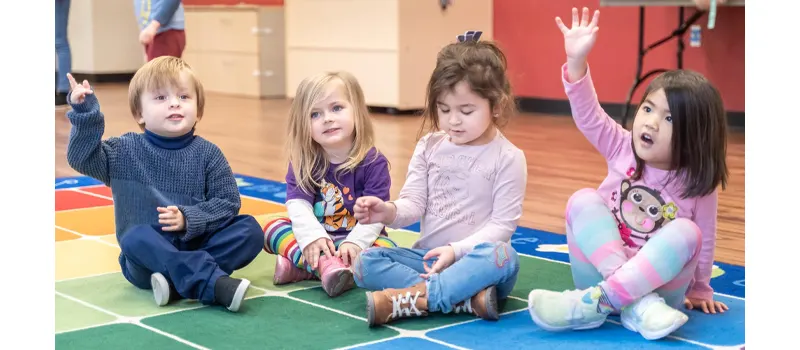
A short classroom experience allows families to see how teaching actually happens. This could be a brief circle time, a simple group activity, or a storytelling session. Keep it within 10 to 15 minutes. The goal is not to teach a full lesson, but to let parents see how teachers guide children and how children respond.
5. Set Up Interactive Activity Stations
Set up two or three simple activity areas that children can use without instructions. A drawing table, a block area, and a sensory play setup are good options. This helps them feel more comfortable and reduces anxiety about the new environment. At the same time, it allows parents to observe how their child responds to the space.
6. Provide Simple Sancks
Offering light refreshments can make your open house feel more welcoming and relaxed. Simple options like water, juice, fruit, or small snacks are enough. The goal is to create a comfortable atmosphere where families can stay a little longer, talk more easily, and feel at ease in your space.
For children, having a small snack or drink can also help them settle in. If possible, you can also use this moment to show your approach to food.
7. Highlight Safety and Cleanliness
Safety is one of the first things parents notice. During the open house, you can briefly walk parents through your cleaning routines and safety measures. For example, explain how often Klassenzimmerspielzeug and surfaces are cleaned, how classrooms are maintained throughout the day, and how you handle shared materials. If you have clear procedures for handwashing, sanitizing, or daily cleaning schedules, make them visible.
It is also helpful to highlight safety protection in the environment. Show how furniture is stable and child-friendly, and how classrooms are arranged to reduce risks. You can also mention supervision practices, entry control, or emergency procedures in a simple and reassuring way.
8. Create a Parent Q and A Area
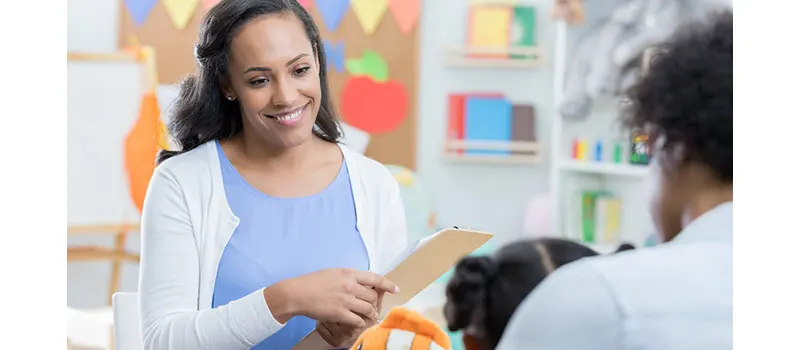
Parents often have specific questions, and they need a clear place to ask them. Setting up a dedicated area for conversation makes the process smoother. It allows staff to explain daily routines, answer concerns, and discuss enrollment details without distractions. This kind of focused interaction helps build trust.
9. Create a Photo Corner for Families
Set up a small photo area with simple classroom decorations, books, or playful props. Parents often enjoy taking pictures during the visit, and these photos can help create positive memories connected to your preschool.
10. Offer On-Site Enrollment Incentives
If families feel ready, make it easy for them to take the next step.
You can offer:
- Priority registration
- Limited-time discounts
- Small welcome presents
Keep it simple and low-pressure. The goal is to support decisions, not push them.
Follow-Up Ideas After a Preschool Open House
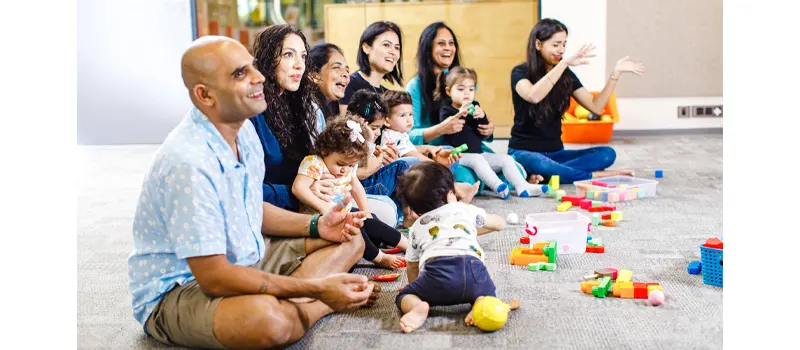
A preschool open house does not end when families leave. Sometimes, the real decision happens afterward. Parents need time to think, compare options, and discuss with family members. A clear and timely follow-up can make a big difference in whether they choose your school.
Send a Thank-You Email
A simple thank-you email helps you stay connected with families after the visit. Send it within one or two days while the experience is still fresh. Keep the message short and friendly. You can thank them for visiting, briefly highlight your program, and remind them how to take the next step. This small action shows professionalism and keeps your school in their mind.
Share Photos or Highlights from the Event
Photos help parents remember how the visit felt. You can share a few moments from the open house, such as children exploring activity areas, classroom setups, or small group interactions. This helps parents revisit the experience and share it with other family members who may not have attended. Make sure the photos are simple and real. The goal is to reinforce trust, not create a promotional feeling.
Invite Families for a Private Tour
For families who showed interest, it is helpful to invite them for a private tour. This allows you to answer more specific questions, discuss their child’s needs, and build a stronger connection.
Provide Clear Enrollment Steps
After the open house, parents should clearly understand what to do next. Explain the enrollment process in a simple way. This could include how to apply, deadlines, required documents, and how to secure a spot. Avoid complicated instructions. The easier it is to follow, the more likely families will take action.
Schlussfolgerung
In many ways, a well-prepared open house is not about showcasing a perfect moment. It is about showing your daily reality in a clear and thoughtful way. The more closely your open house reflects real classroom life, the easier it is for families to imagine their child being part of it.
For schools that are planning or improving their spaces, this also highlights an important point. A strong classroom environment is not only important for teaching. It directly affects how families perceive your program, how children respond to the space, and how confident parents feel when making a decision.
When your environment, your team, and your process all work together, an open house becomes more than a visit. It becomes the starting point of trust.
Bei Xiha Kidz, we support preschools with classroom layout, customized furniture solutions, and practical setup ideas based on real projects. Whether you are preparing for an open house or setting up a new classroom, the goal is simple: create a space that feels clear, safe, and ready for children from the first visit.
FAQs
How far in advance should you plan a Preschool Open House?
It is best to start planning at least 6 to 8 weeks in advance. This gives you enough time to prepare the classroom, train staff, and promote the event so more families can attend.
How do you measure if your Preschool Open House was successful?
You can track attendance, follow-up inquiries, and completed enrollments. Feedback from parents can also help you improve future events.
How many families should attend one open house?
This depends on your space, but smaller groups often create a better experience. Around 10 to 20 families at one time allows for easier interaction, clearer communication, and less crowding. If you expect more interest, consider offering multiple sessions instead of one large event.
Should the open house be guided or free exploration?
A combination works best. Free exploration helps families feel relaxed, while short guided tours ensure they do not miss important areas. Without guidance, parents may overlook key parts of your classroom.
What should staff wear during a preschool open house?
Staff should dress in a way that reflects the daily classroom environment. Clean, simple, and approachable clothing works best. Avoid overly formal outfits, as parents want to see what a normal school day feels like.
Should you collect parent information during the open house?
Yes, but keep it simple. A basic sign-in form with name, email, and child’s age is enough. This allows you to follow up later without making the process feel intrusive.
Can a preschool open house work for a new school with no students yet?
Yes, but the focus should shift slightly. Instead of student work, you can highlight your classroom setup, materials, teaching approach, and daily routine. Parents are mainly looking for clarity and confidence, not history.

 German
  English
  Arabic
  French
  Italian
  Spanish
  Thai
Thai  Japanese