Tapis pour salle de classe
Our collection of classroom carpets and rugs is designed to enhance the comfort, structure, and educational value of early learning environments. Each rug is crafted with child-safe, stain-resistant material and a non-slip backing. Ideal for daycare centers, our rugs help define classroom areas, support learning activities, and create a warm and comfortable learning atmosphere.
Types of Classroom Carpets and Rugs
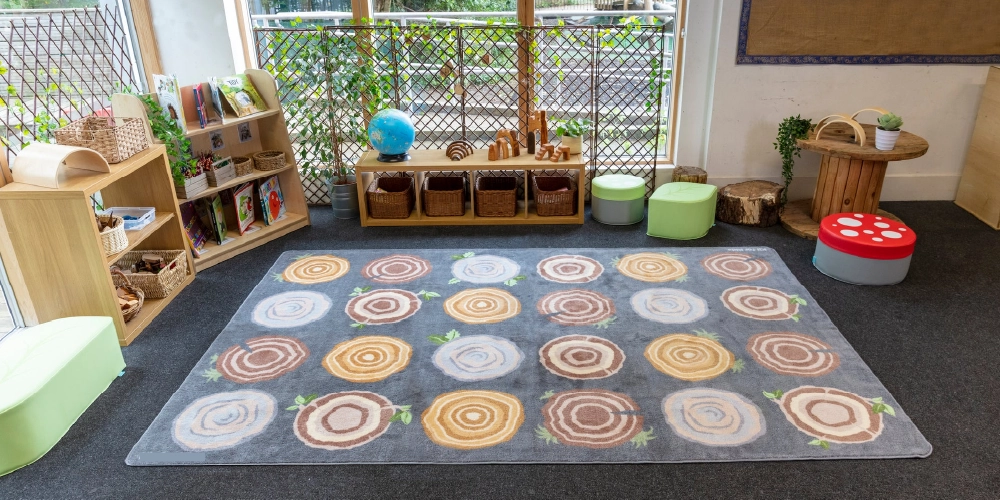
Our classroom carpets and rugs collection features a wide variety of styles designed to support early childhood learning environments. From structured seating carpets and educational alphabet rugs to themed play mats and calming reading area rugs, each product helps define classroom zones while promoting comfort, organization, and active engagement.
Alphabet, Number, and Bilingual Rugs
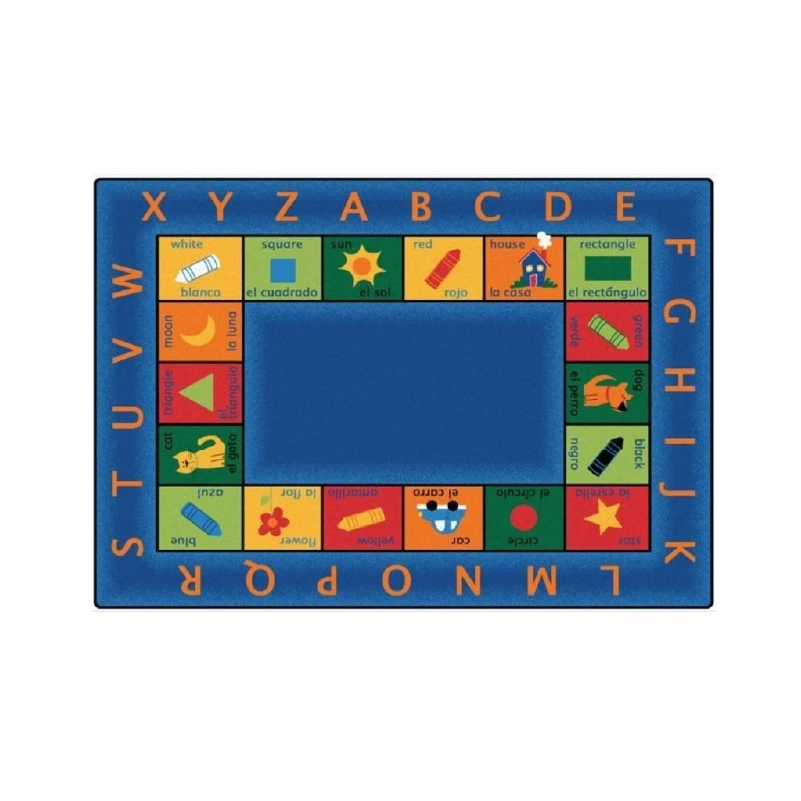
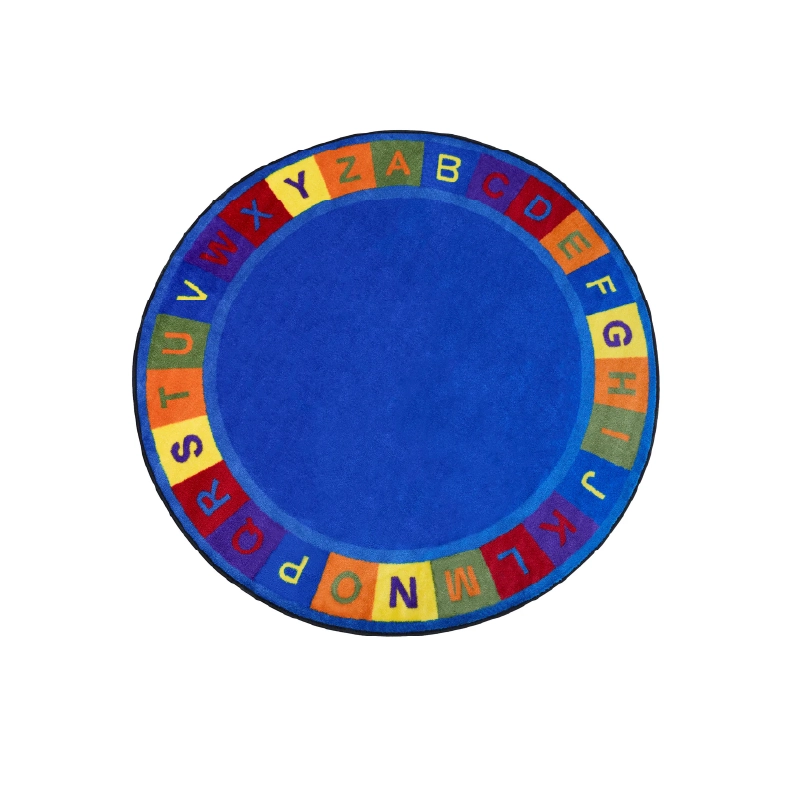
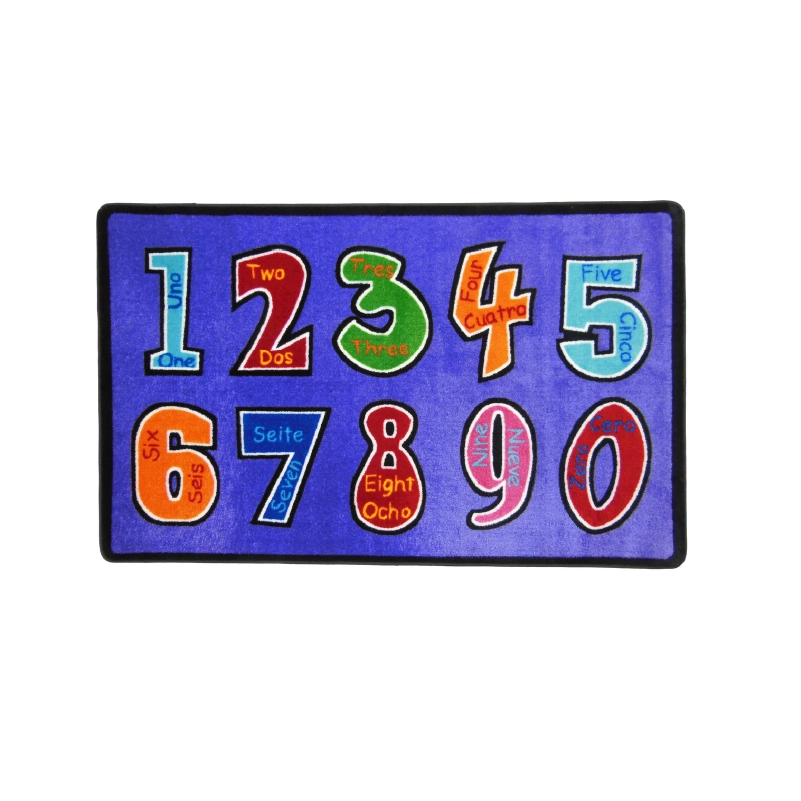
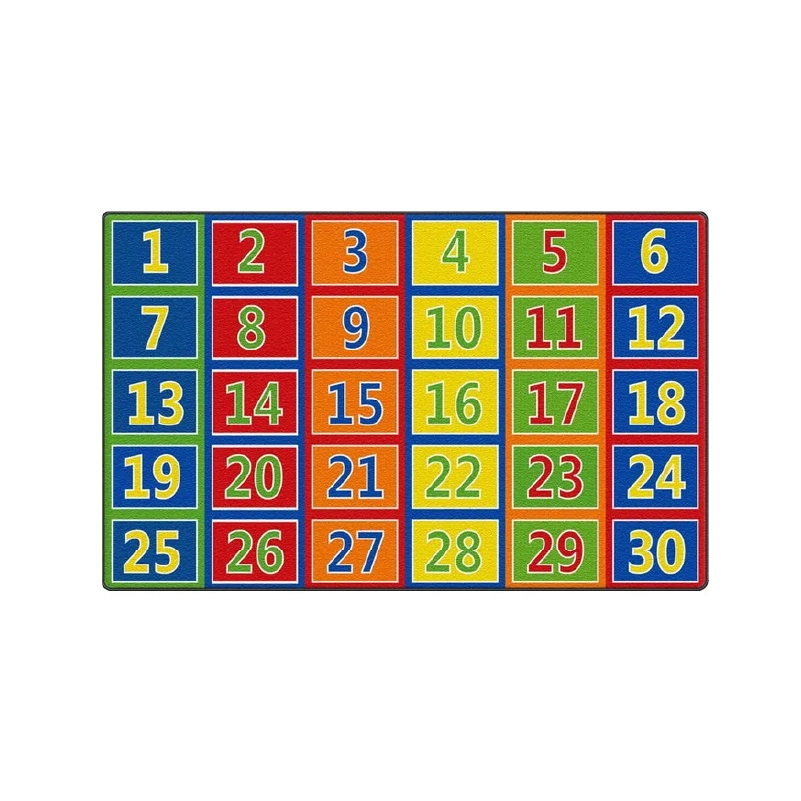
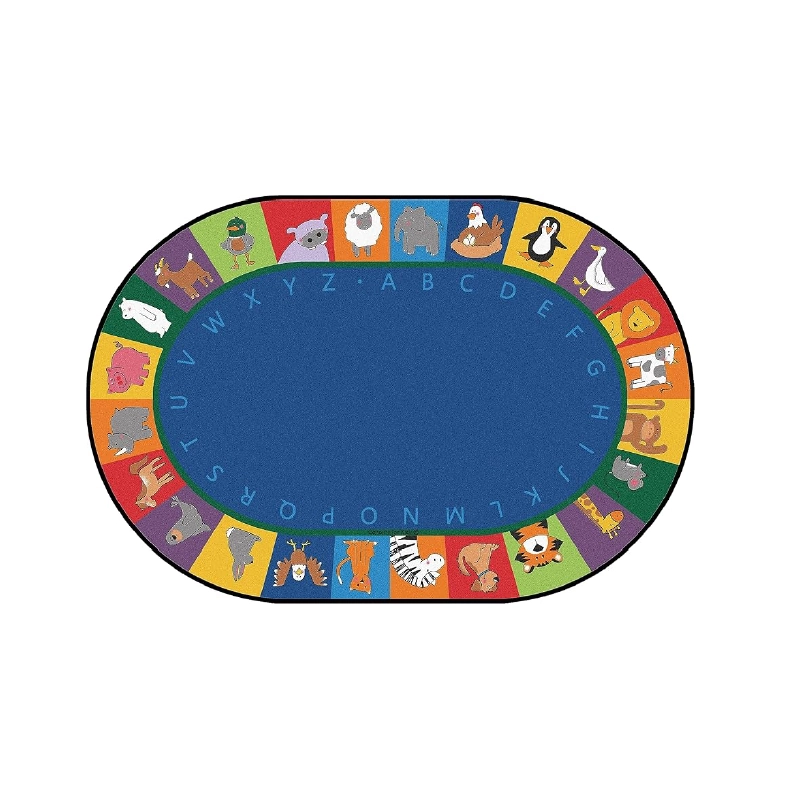
These rugs combine letters, numbers, and essential vocabulary in a clear and organized layout. The high-visibility graphics help children recognize symbols and words with ease, while the color-coded structure guides seating and group activities. They work well in both bilingual and standard classrooms, offering an educational and visually organized flooring option.
Animal Rugs
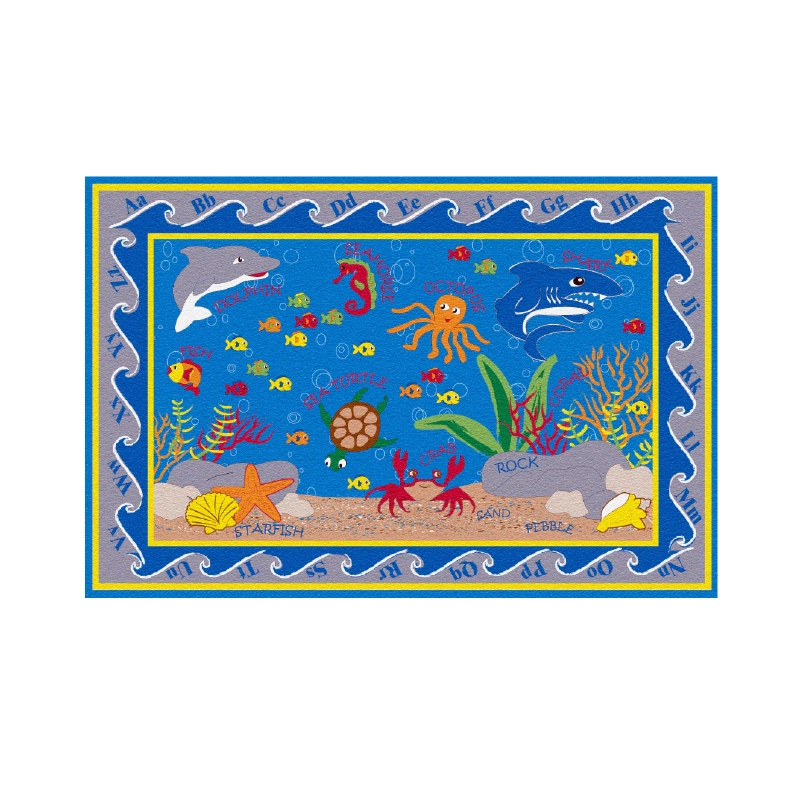
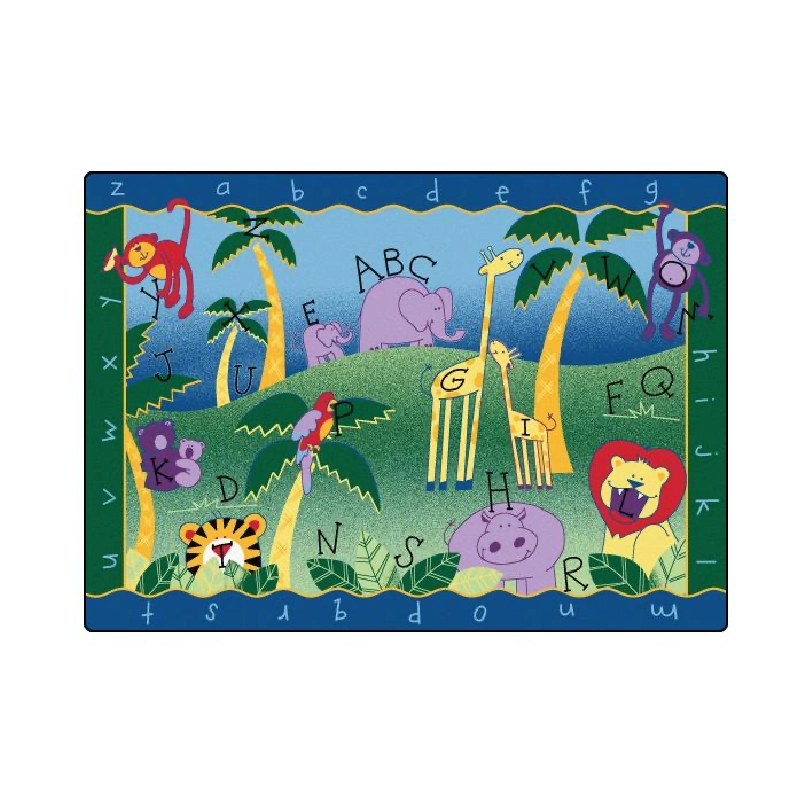
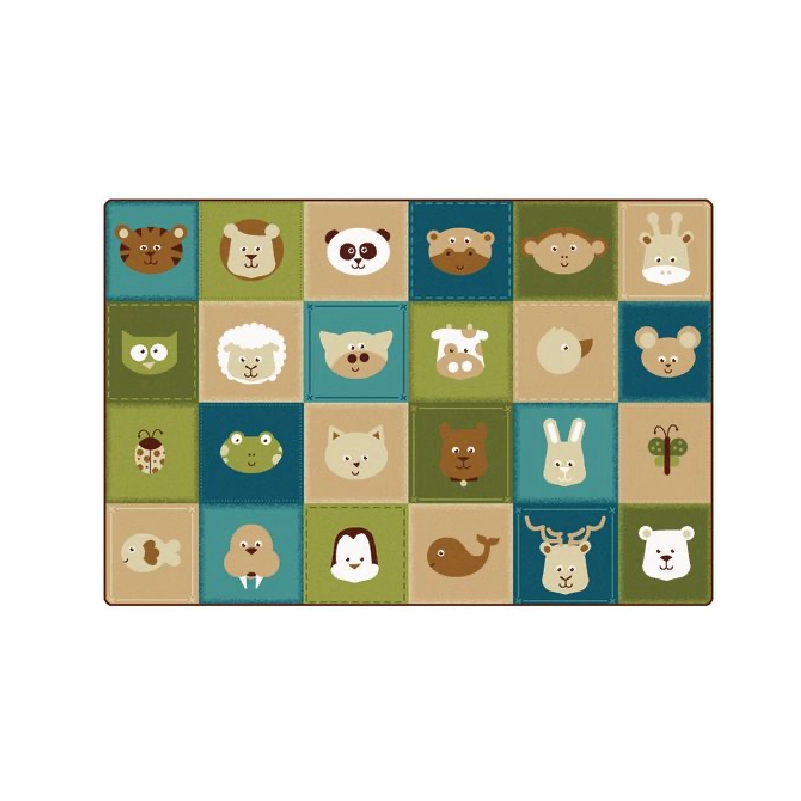
Animal rugs stand out for their engaging illustrations and themed artwork, such as jungle animals, ocean creatures, or farm icons. They instantly brighten a room and make play areas more inviting. Their soft textures and friendly designs make them a favorite for reading corners, pretend-play areas, and cozy spaces.
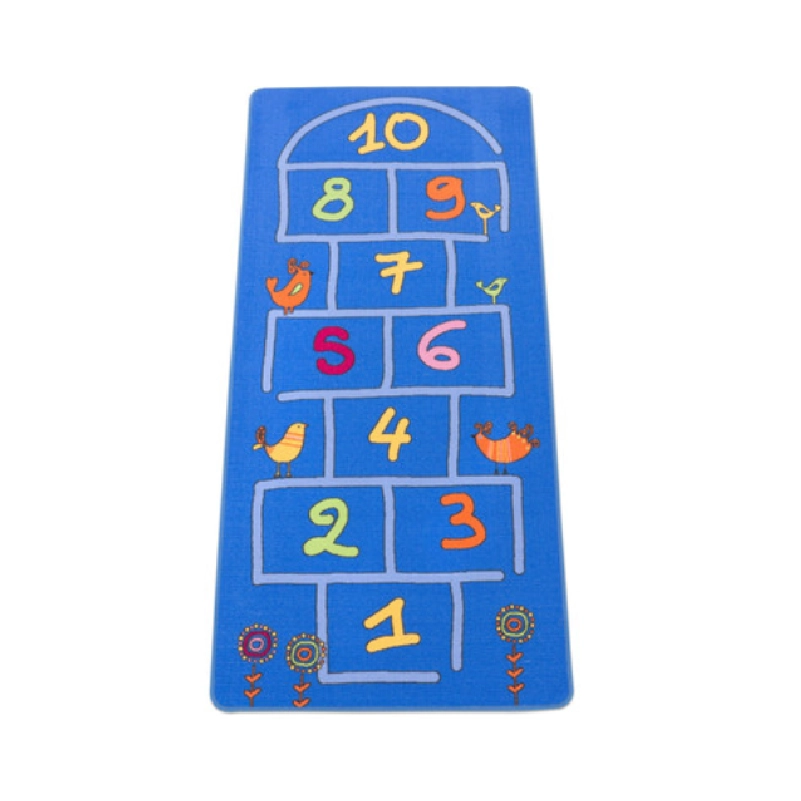
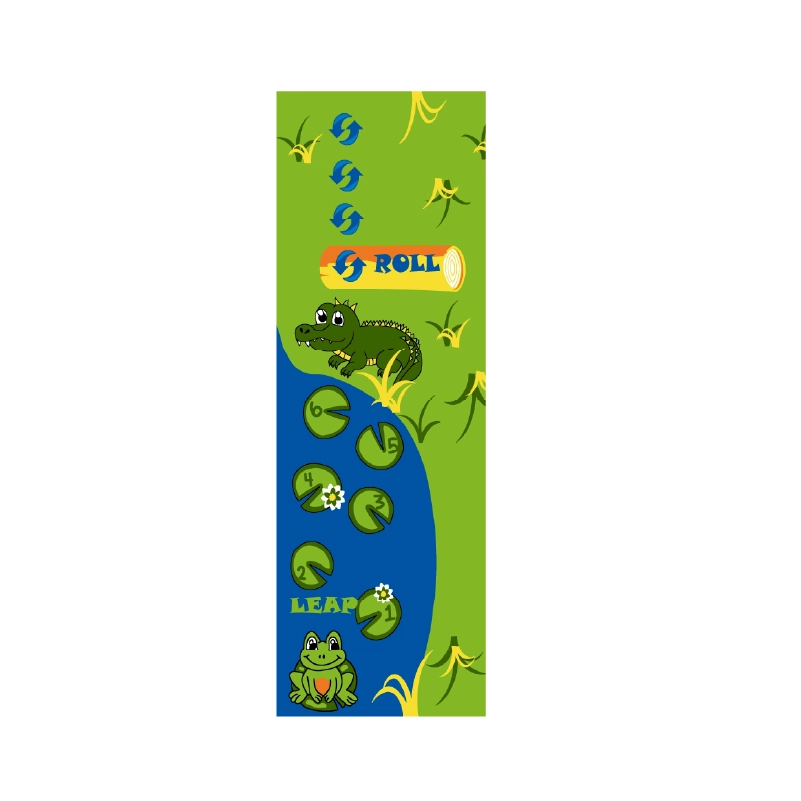
Game Rugs
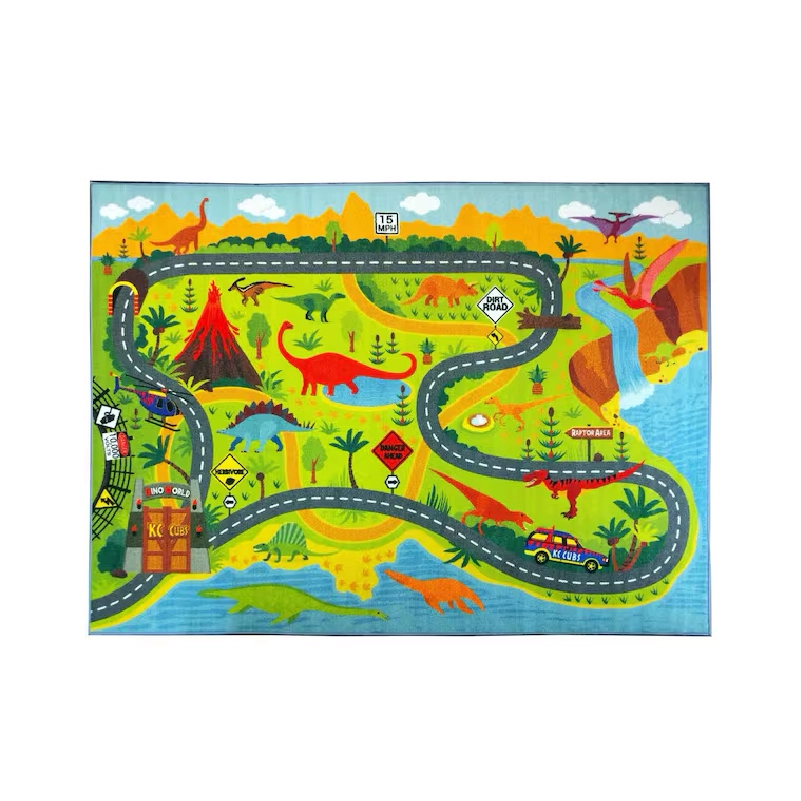
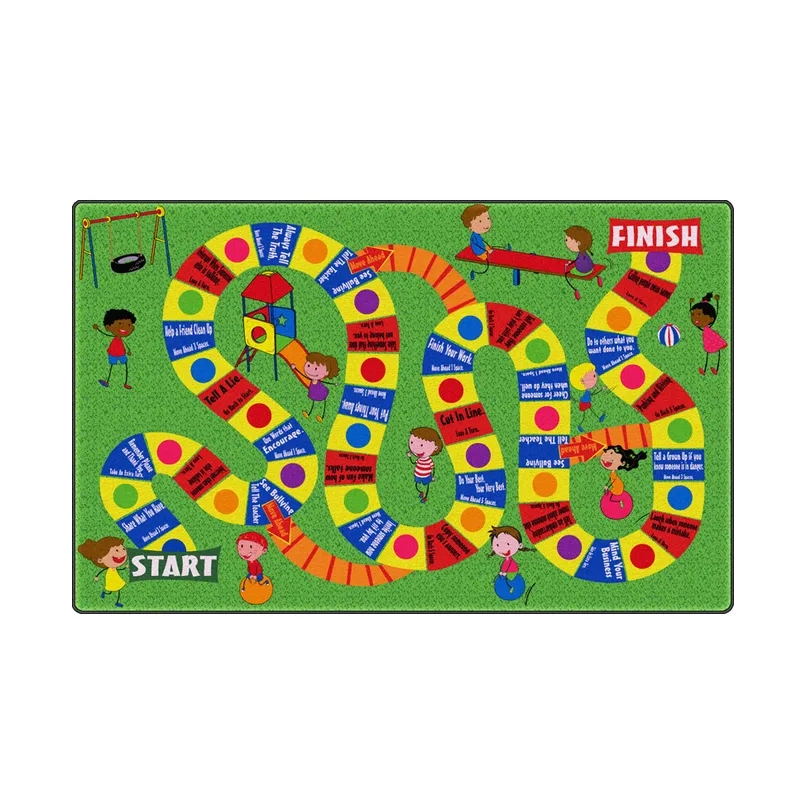
Game rugs often include interactive paths, themed graphics, or playful layouts that invite children to move, jump, and engage physically. Many designs also blend musical notes, instruments, or creative art elements to inspire imagination during active play. The durable surface supports frequent classroom use while keeping activities visually organized.
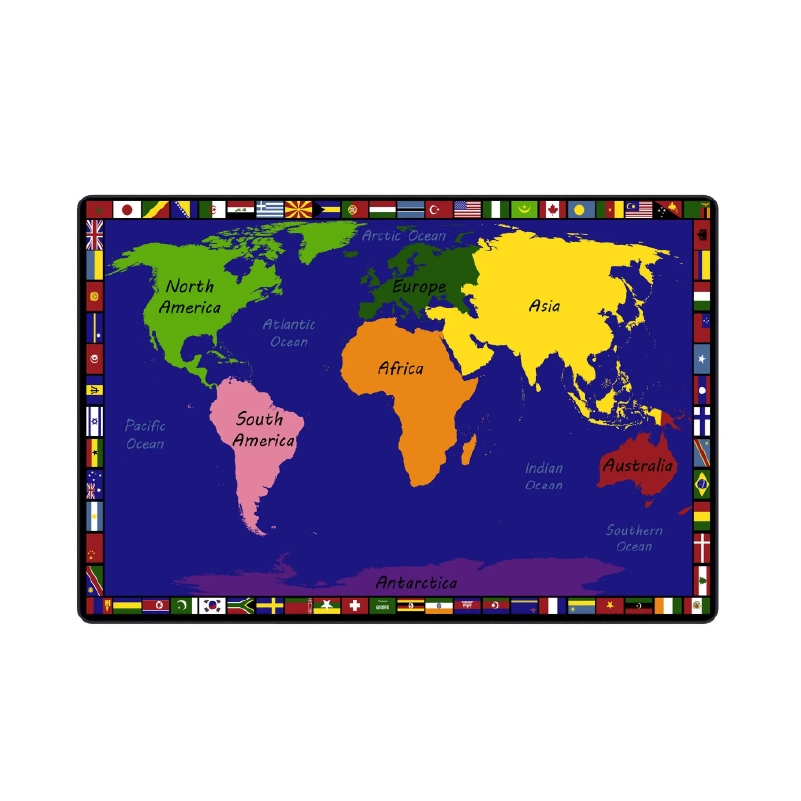
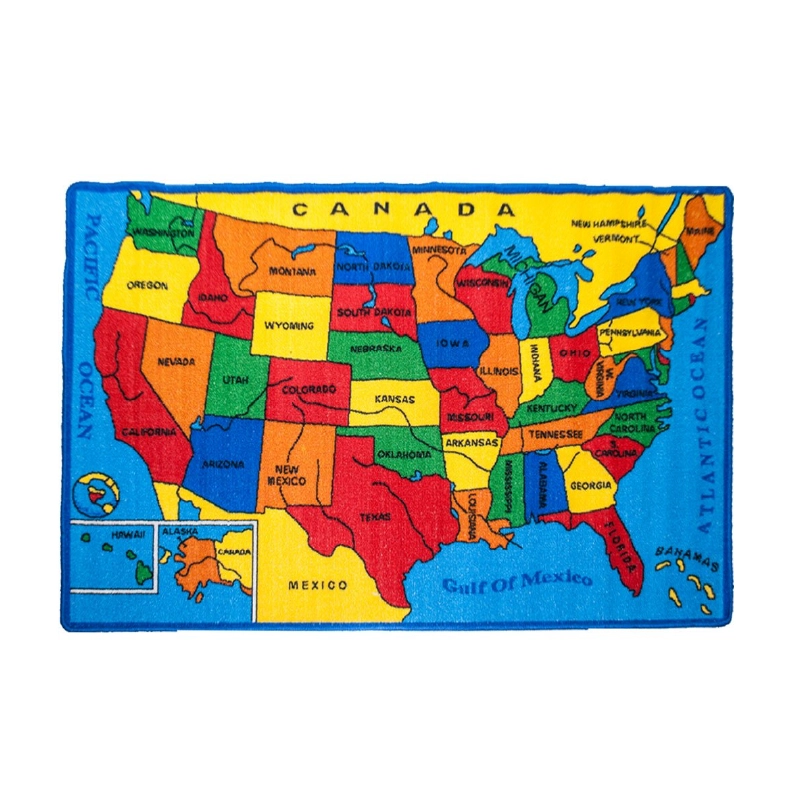
Map and Geography Rugs
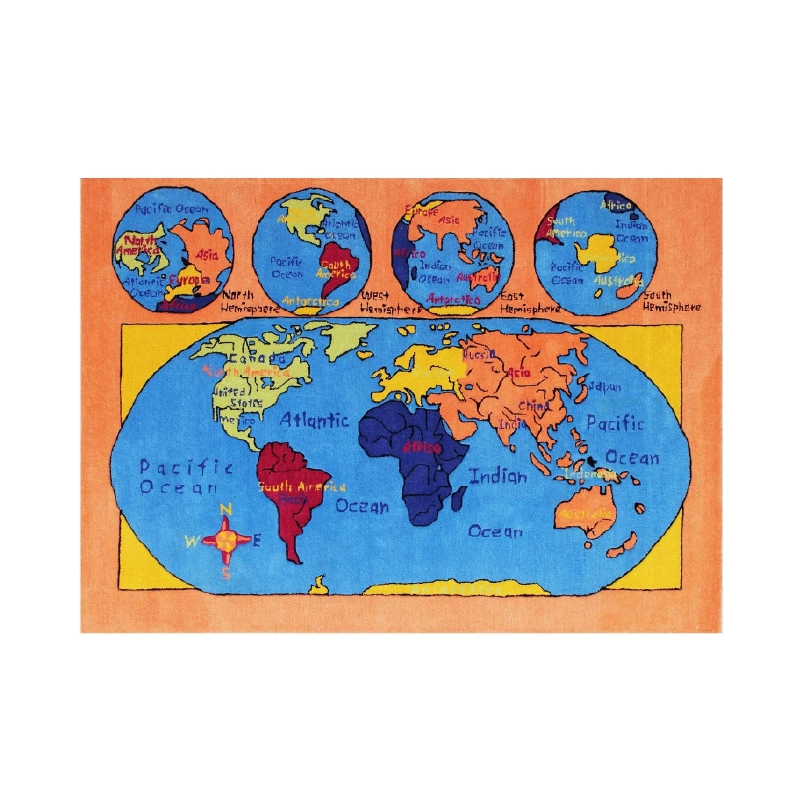
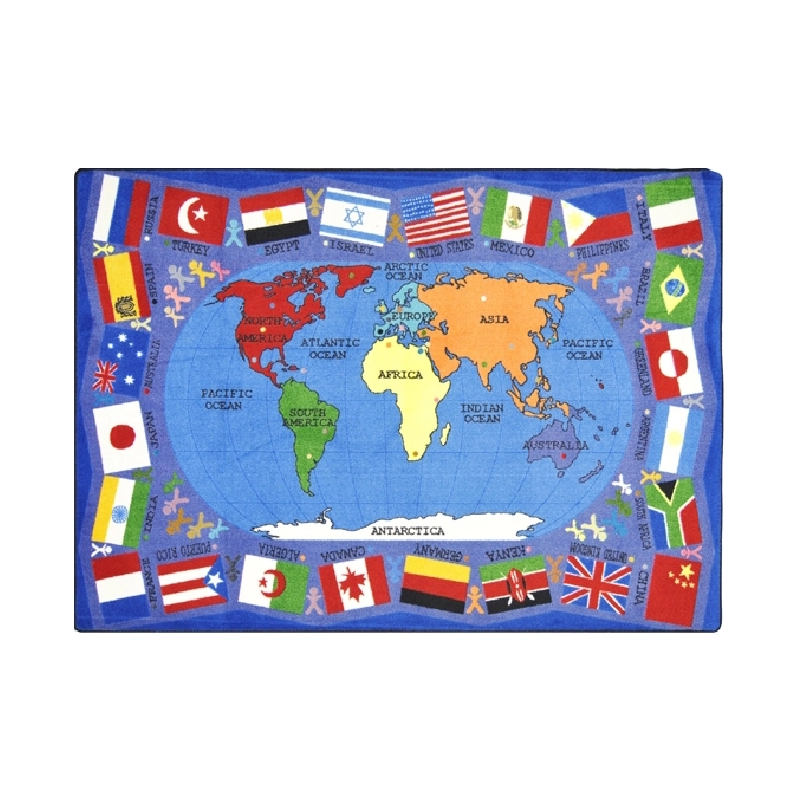
Map rugs feature simplified world or regional maps with bright landmarks, directional icons, and easy-to-understand geography layouts. Their large-scale graphics help children visualize continents and environments. They serve as a decorative centerpiece while introducing global themes in a visually appealing way.
Seating Rugs
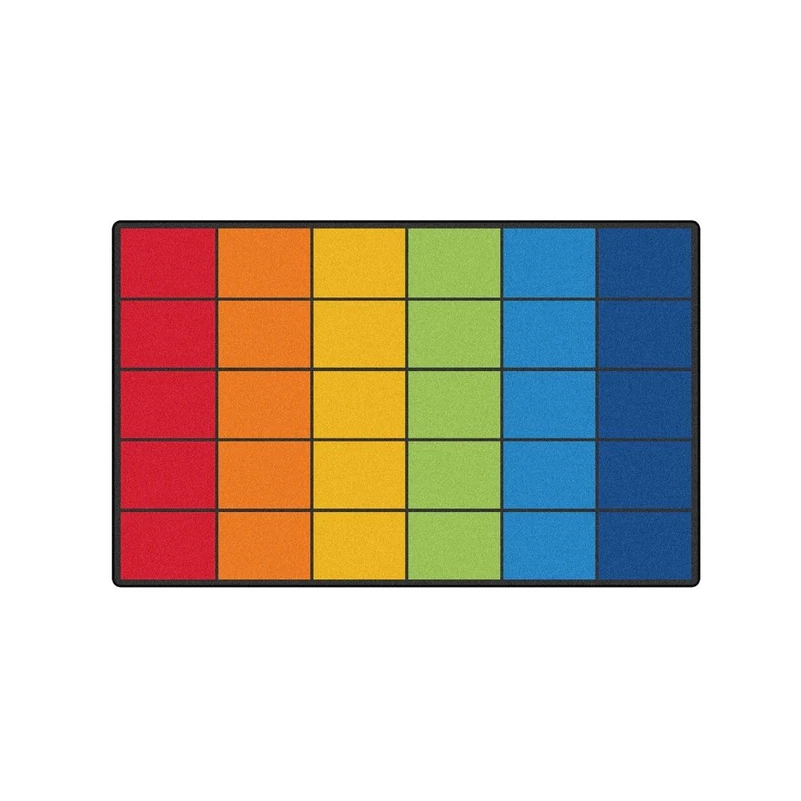
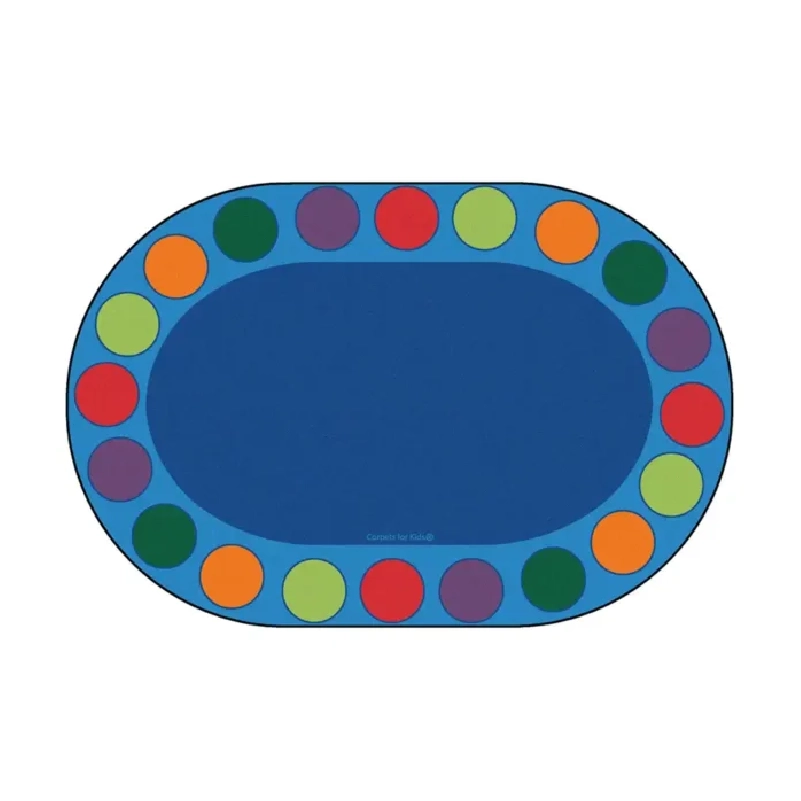
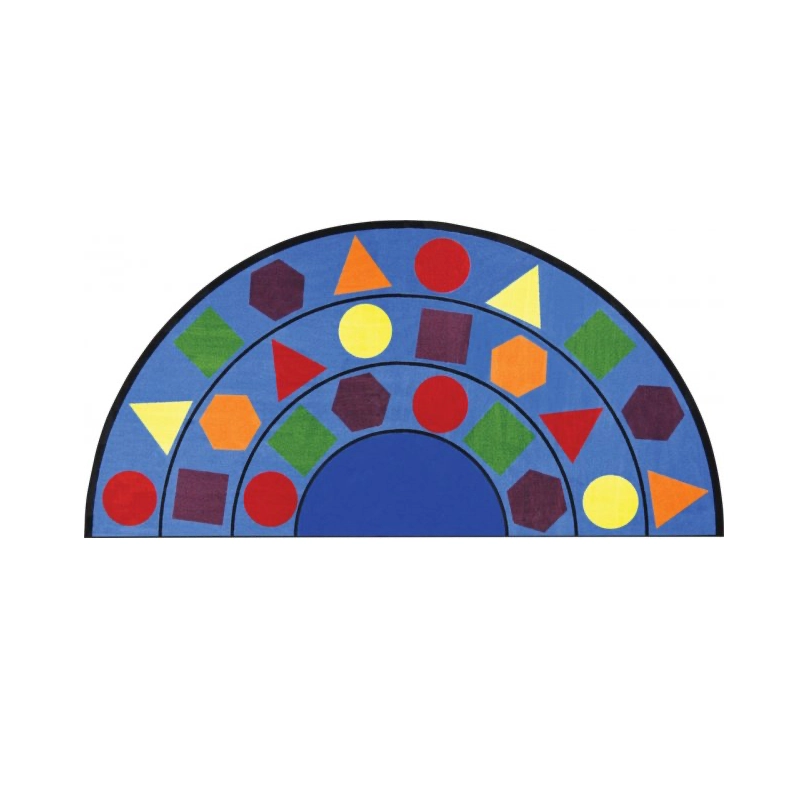
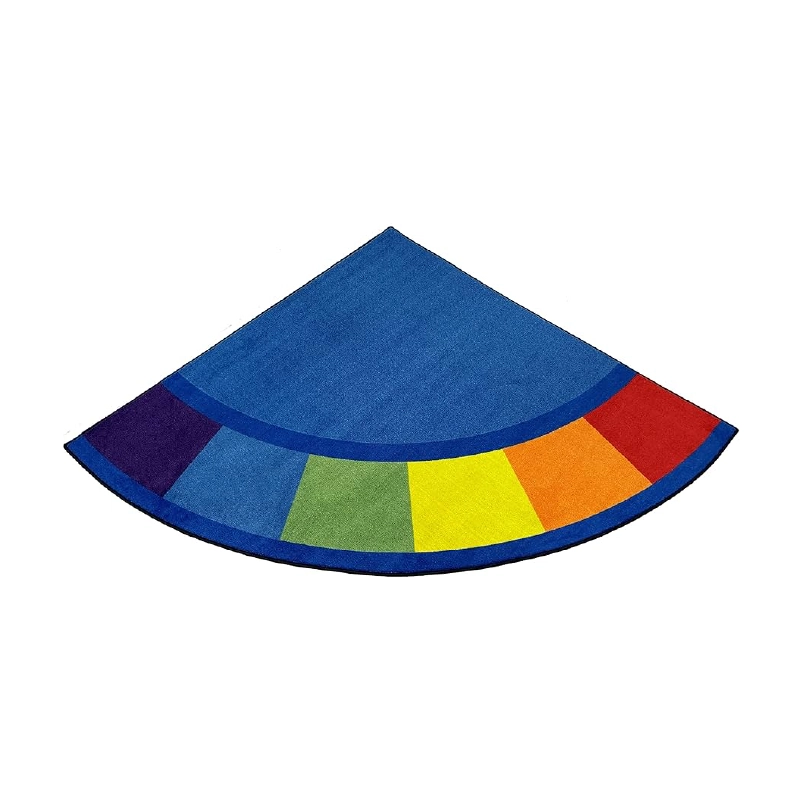
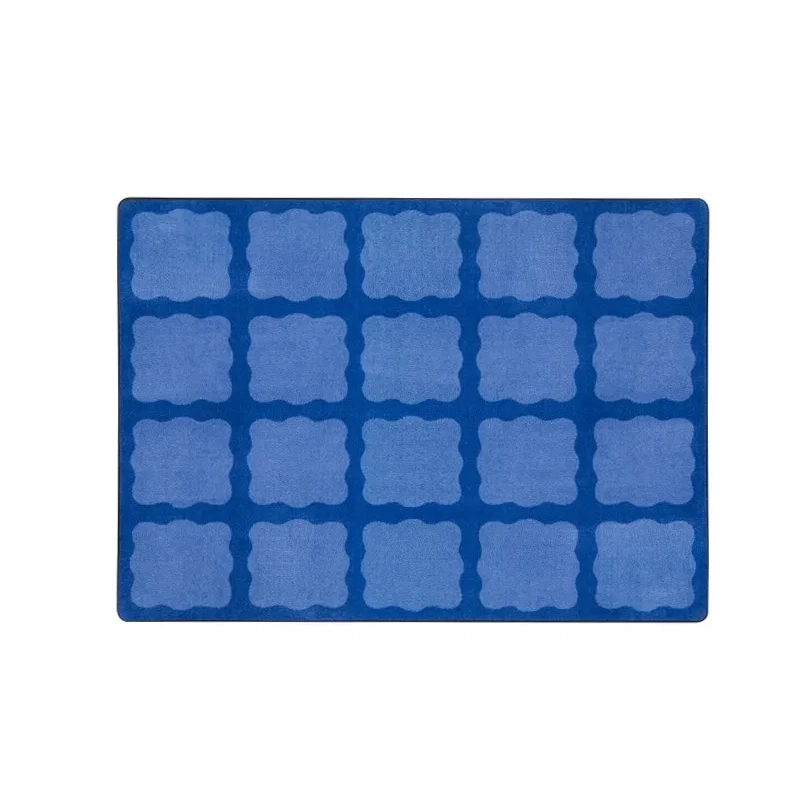
Seating rugs include clearly marked spots, grids, shapes, or color blocks that designate personal space for each child. Their layout supports orderly seating and smooth transitions. They are built with anti-crush fibers to maintain their shape, ensuring that seating markers remain sharp and visible over time.
Solid Color Rugs
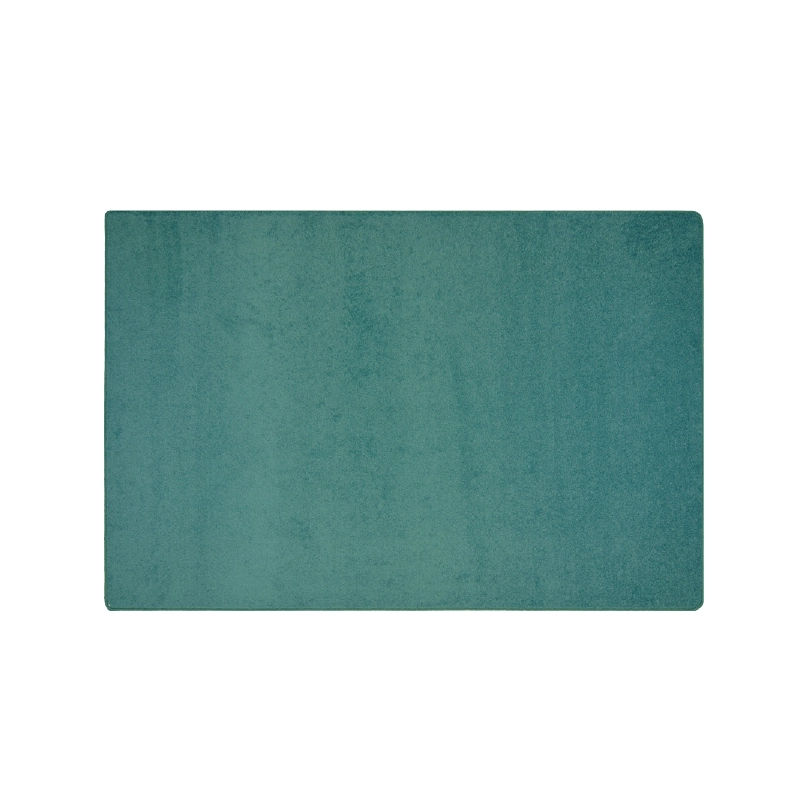
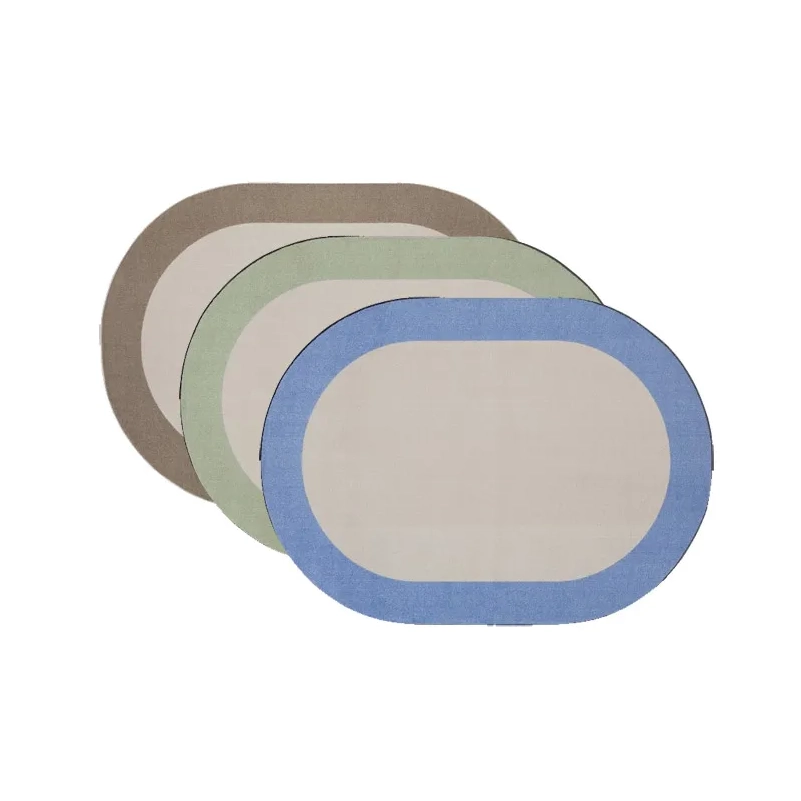
Solid color rugs provide a clean, uniform appearance that blends with any classroom style. They offer a calm, clutter-free look with soft textures and gentle tones. Made to create a peaceful environment, these rugs are perfect for Montessori classrooms, quiet zones, and minimalist interior designs.

Your Trusted Partner for Classroom Carpets and Rugs Solutions
As a leading manufacturer and global supplier of classroom carpets and rugs, we focus on professional design, precision production, and fully personalized customization. Our end-to-end service covers custom design support, strict quality assurance, and efficient worldwide delivery. Every rug is produced with child-safe materials and meets international safety standards.
With extensive export experience, we understand the logistics requirements and compliance standards of the United States, Canada, Australia, and many other regions. This ensures that schools and distributors receive products safely, smoothly, and on schedule. Today, we supply classroom furniture and rugs to hundreds of daycares and Montessori centers worldwide. Our OEM and ODM capabilities support flexible order volumes, from small custom batches to large-scale commercial projects.
Classroom Carpets and Rugs: Materials and Quality Standards
The durability, comfort, and safety of classroom carpets and rugs depend heavily on the materials used. All of our rugs are made with high-performance, child-safe materials that meet international standards for fire resistance, low VOC emissions, and classroom-grade durability.
-
Nylon Known for its excellent resilience, vibrant color retention, and stain resistance. Nylon rugs are soft underfoot, easy to clean, and ideal for high-traffic classroom environments.
-
Polypropylène A budget-friendly option that resists moisture, mildew, and fading. Polypropylene is lightweight and ideal for classrooms where easy maintenance and affordability are priorities.
-
Polyester Offers a soft feel and bright colors. Often made from recycled materials, polyester rugs are an eco-friendly choice that resists stains and maintains texture in moderate-use settings.
-
Wool A premium, sustainable material with excellent thermal and acoustic properties. Wool rugs offer superior comfort and are ideal for reading corners or quiet zones in classrooms.
-
Felt or Non-Woven Fabric Backing Provides a soft cushioning layer while protecting flooring underneath. Often used in lightweight rugs or in spaces that require minimal movement and easy repositioning.
-
Rubber or Gel Non-Slip Backing Ensures that the rug stays securely in place, preventing slips and bunching—especially important for group activity areas and high-movement zones.
Factors to Consider When Choosing a Classroom Rug
When selecting carpets and rugs for the classroom, several practical and pedagogical factors must be carefully weighed. These factors influence how the space functions, how students engage, and how well the carpet performs over time.
Size and Classroom Layout
We can design blocks in a variety of dimensions and shapes to support different age groups, motor skill levels, and learning objectives. Blocks can be made in standard or custom sizes, with options for stacking, interlocking, sensory features, or oversized soft play.
Material and Comfort
Select soft, child-friendly materials that feel comfortable for sitting and play. Low VOC and hypoallergenic fibers help maintain a healthy indoor environment for young children.
Durability and Wear Resistance
Classroom rugs need to handle constant movement and daily cleaning. Look for strong stitching, dense pile, and colorfast materials to ensure long-lasting performance.
Educational Value and Design
A well-designed rug can support learning through themes such as letters, numbers, shapes, or maps. Clear and engaging visuals help create a warm, interactive, and visually appealing classroom.
Safety and Certifications
Choose rugs made with non-toxic dyes, flame-resistant materials, and anti-slip backing. Certifications such as CPSIA or EN71 provide added assurance of safety for early learners.
Cleaning and Maintenance
Easy-to-clean rugs save time for teachers and help maintain a tidy classroom. Stain-resistant and quick-drying surfaces keep the rug looking fresh throughout the school year.
Age-Appropriate Classroom Carpet Sizes
1–3 Years
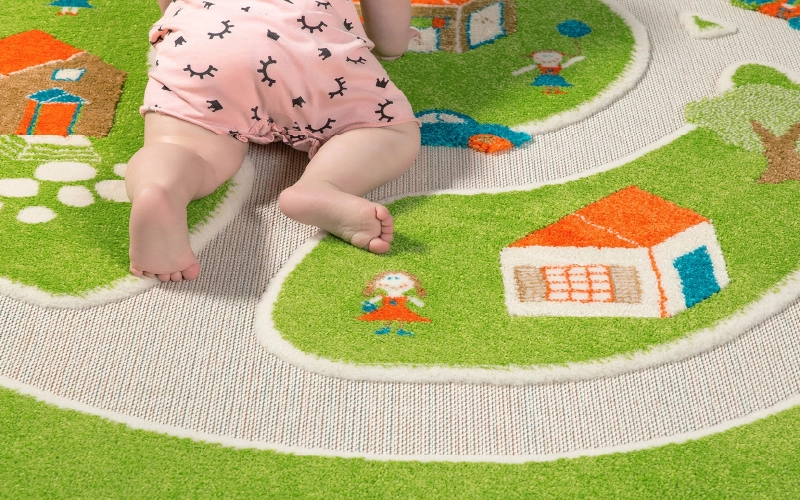
At this early developmental stage, children are still mastering basic motor skills such as crawling, sitting independently, and walking. Carpet areas should be small and cozy, encouraging interaction without overwhelming the space.
Recommended size:
4’ x 6’ or 5’ x 7’ rugs are perfect for tummy time, crawling, and early motor exploration. These sizes provide enough room for movement while offering a defined boundary to help toddlers feel secure.
3–5 Years
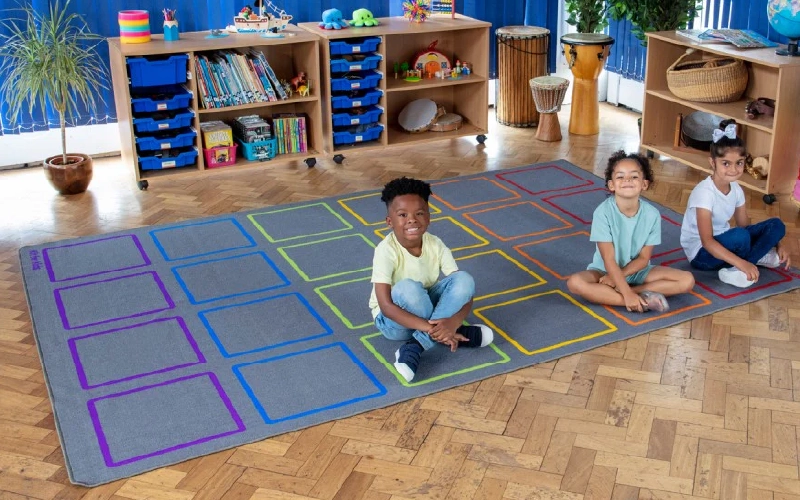
Preschool-aged children engage more actively in group learning and social play. Carpets should be large enough to host an entire class for circle time or collaborative activities.
Recommended size:
6’ x 9’ to 8’ x 12’ rugs are ideal for classes with 10–20 students. These dimensions allow children to sit comfortably in assigned spaces, with enough room for movement and minimal crowding.
5 Years and Older
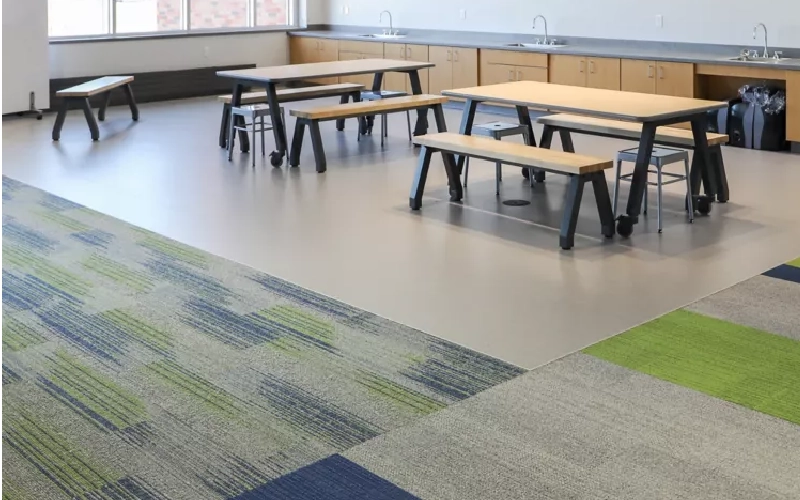
As students transition into kindergarten and elementary grades, classroom rugs become tools for structured learning zones and cooperative work. The size should support organized seating and multi-purpose use throughout the day.
Recommended size:
8’ x 12’ to 10’ x 14’, depending on class size and room layout. These larger rugs accommodate full-class participation, individual workstations, or subject-specific group tasks, making them versatile for evolving academic needs.
Kindergarten Carpet Safety Considerations
Safety should never be compromised. Classroom carpets, particularly those in kindergarten rooms, must meet strict health and fire safety standards.
-
Non-slip backing: Rugs must remain stable on both hard floors and tiles to prevent tripping.
-
Fire retardant certification: Ensure compliance with NFPA 253 or ASTM D2859.
-
Hypoallergenic and non-toxic materials: Especially for young learners with developing immune systems.
-
Rounded edges: Prevent curling or tripping at corners.
-
Low pile height: Makes mobility easier for children and reduces the chance of allergens being trapped.
Classroom Rugs Placement Guidelines
Where you place the rug is almost as important as which rug you choose. Rugs should support the structure and flow of the room rather than obstruct it.
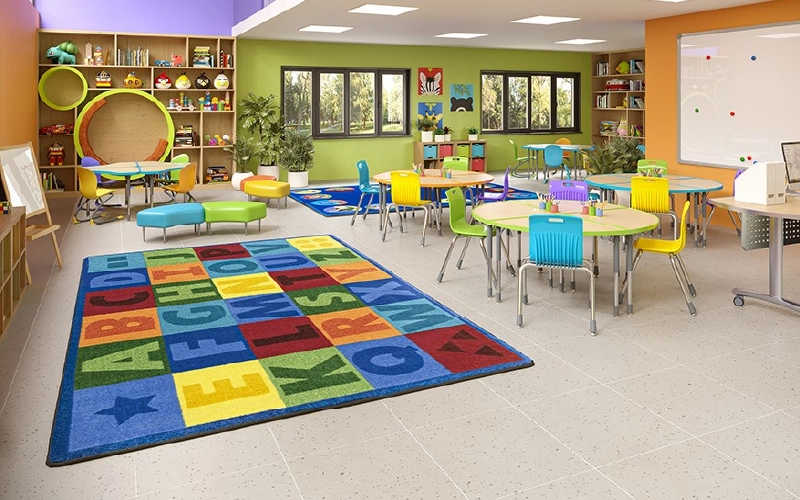
Group Work
Rugs for collaborative activities should be large, open, and free of excessive visual elements. Rectangular shapes work best for seating arrangements that allow every child to participate equally.
Place these rugs in a central location where students can quickly gather and disperse without moving desks or tables.
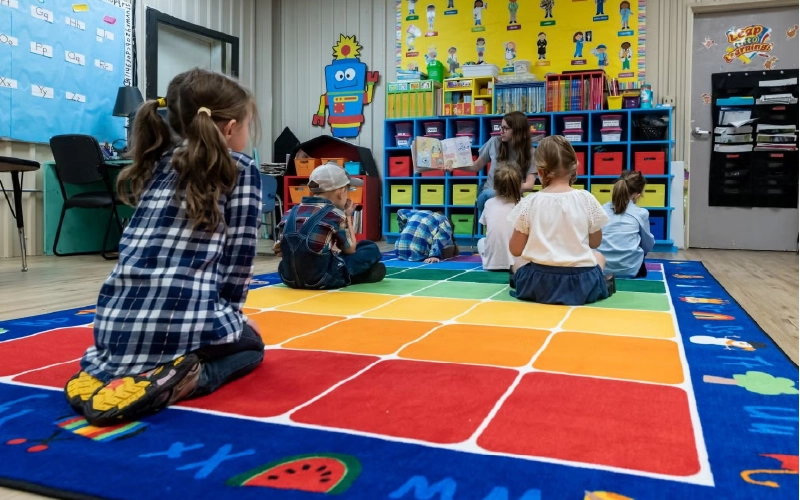
Learning Center
For activity-specific stations, smaller rugs help define personal space and limit distractions. Consider individual carpet squares or 4’ x 6’ rugs that anchor each learning center.
Ensure that rugs here are low-pile and easy to clean, especially if art or science experiments occur in the area.
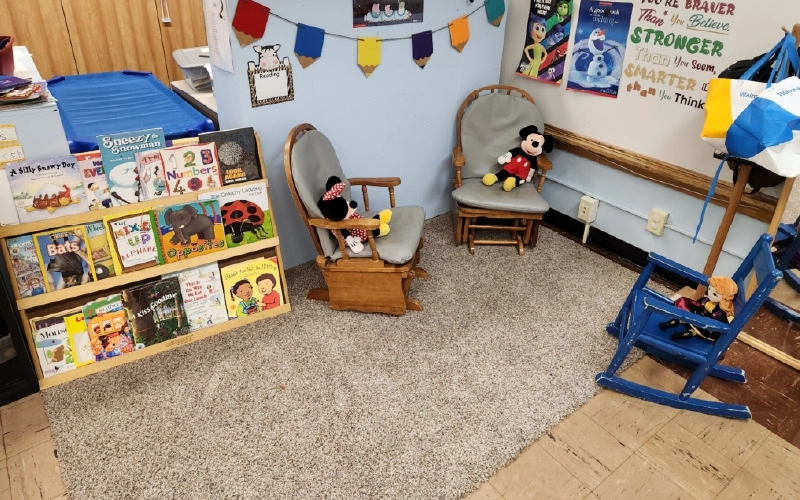
Espace de lecture
Reading rugs should be cozy, inviting, and separate from the main instructional zone. Circular or oval rugs work well to create a welcoming, contained space. Use calming colors and soft textures to support quiet, focused behavior.
Add soft cushions or bean bags to encourage extended reading time.
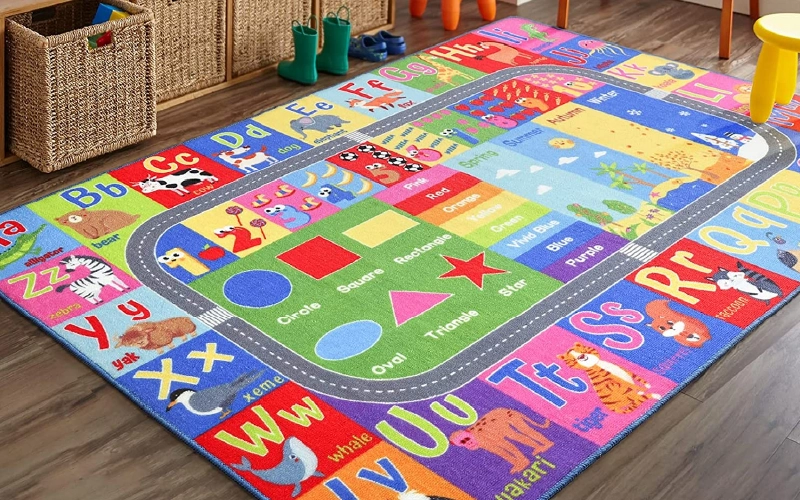
Playroom
For early education play zones, durability is crucial. Select rugs that can withstand frequent foot traffic, movement of toys, and spills. Bright designs are appropriate here, but safety remains a priority. Choose rugs with bound edges and backing that grips even on slick floors.
Practical Tips for Cleaning and Daycare Carpet Maintenance
Even the most beautiful rug becomes a health hazard without proper care. Classrooms, especially those with young children, demand high hygiene standards.
Machine-washable rugs are ideal for preschool and daycare settings, where messes are frequent and unavoidable.
Here’s how to maintain classroom carpets:
-
Vacuum Daily: Prevents buildup of dust, allergens, and crumbs.
-
Spot Clean Immediately: Use child-safe cleaners and address spills before they set.
-
Use Entrance Mats: Reduce dirt tracked in by placing mats at all doorways.
-
Deep Clean Monthly: Steam cleaning or professional rug shampooing keeps carpets fresh.
-
Rotate Rugs: Change the position of rugs every few months to distribute wear.
FAQ
What size rug is best for a kindergarten classroom?
A rug around 8' x 12' comfortably fits a class of 20–25 children during group activities.
Are classroom rugs safe for children with allergies?
Yes, hypoallergenic and low-VOC rugs help reduce allergen exposure and are ideal for sensitive students.
What’s the best way to secure rugs on tile floors?
Use non-slip pads, corner grips, or carpet tape to prevent sliding and curling.
Can carpets help with classroom noise levels?
Yes. Carpets absorb sound, reducing echoes and contributing to a quieter, more focused learning space.
 French
  English
  Arabic
  Italian
  German
  Spanish
  Thai
Thai  Japanese