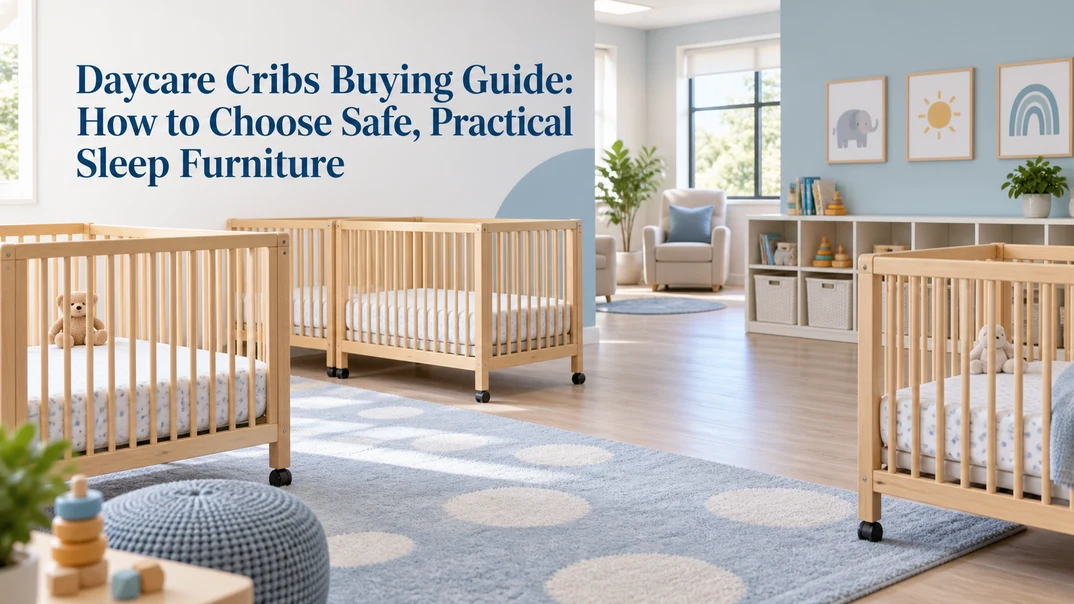
When selecting a crib for a daycare center, you shouldn’t just compare product photos or choose the lowest price. You need cribs that are safe for the children in your care, practical for your staff to use every day, easy to clean, and suitable for the size and layout of your infant room.
This daycare cribs buying guide will help you choose the right cribs that support the smooth daily operation of your center and avoid wasting money on unsuitable products.
Start With Your Daycare Needs
Before comparing daycare cribs, you need to understand how they will actually be used in your center. The number and age of children, available space, staff routines, and local requirements can all affect which crib is right for you.

Consider the Children and the Sleep Routine
Record the age range, expected number of infants, number of rooms, and how children transition out of cribs. Infant rooms and toddler rooms may have very different furniture needs. Do not assume that a crib designed for one age or developmental stage is automatically appropriate for another.
Also notice whether the cribs will be used for full naps, short rest periods, or a mixed-age program. The answer affects the quantity, layout, mattress strategy, and whether another sleep solution should be considered for older children.
In practice, the number of cribs should take into account attendance patterns, room allocation, remaining capacity, downtime for cleaning or maintenance, and whether the same classroom will serve multiple classes.
Set the Project Budget
Your budget should also include more than the crib frame.
- Cribs and compatible mattresses
- Fitted sheets and replacement bedding
- Delivery, unloading, and possible installation
- Room preparation, storage, and changing-area coordination
- Replacement hardware or spare parts
- Required testing, documentation, or local review
- Contingency for damage, lead-time changes, or additional units
For a new center, keep the furniture budget connected to the wider classroom plan. At Xiha Kidz, project conversations are more productive when the team reviews the room plan and the purchasing brief together rather than quoting a crib in isolation.
Check Local Requirements
Childcare requirements vary by country, state, province, and licensing authority. Identify the authority that will inspect or approve your center, then ask what it requires for cribs, mattresses, spacing, sleep supervision, and documentation.
For a US project, review the American Academy of Pediatrics safe-sleep recommendations. These are useful reference points, but they do not replace the rules that apply to your specific childcare license or jurisdiction.
Types of Daycare Cribs
There is no single crib type that works for every daycare. The right choice depends on how the crib will be used, how much space you have, and whether you need features such as mobility, emergency evacuation, or compact storage. Understanding the main types first will make it easier to compare products later.

Full-Size Daycare Cribs
Full-size cribs give infants more sleeping space and are commonly used as the main sleep furniture in infant rooms.
They are a good choice when:
- You have enough floor space
- The cribs will be used every day
- Children may remain in cribs for a longer period
- You want a standard sleep setup that is easy to maintain
Because they take up more room, you should confirm how many units can fit in your infant room before ordering a large quantity.
Compact Daycare Cribs
Compact cribs have a smaller footprint and are useful when you need to accommodate several cribs in a limited space.
They may be suitable when:
- Your infant room is relatively small
- You need to improve space efficiency
- You want more room for staff circulation
Do not choose a compact crib based on size alone. Check the crib’s intended age and weight range and make sure compatible mattresses and replacement parts are readily available.
Evacuation Cribs
Evacuation cribs are designed to help staff move infants during an emergency. They typically include heavy-duty casters and a structure designed to remain stable while being moved. Some local regulations or emergency plans for childcare facilities require the use of evacuation cribs.
When comparing them, look at:
- Weight capacity
- Caster size and locking system
- Frame strength
- Ease of movement when loaded
- Doorway and exit compatibility
A crib with wheels is not automatically an evacuation crib. Ask the supplier to confirm that the model is specifically designed for that purpose.
Folding Cribs
Folding cribs can be collapsed when they are not in use, making them useful for centers that need flexible storage or occasionally change how a room is used.
They may work well when:
- Cribs are not required every day
- Storage space is limited
- You need to move or store cribs regularly
- Your room serves more than one purpose
For frequent daycare use, pay close attention to the folding mechanism, locking system, frame stability, and durability
Cribs Versus Cots or Mats
Some programs use cribs for infants and transition to 保育用ベビーベッド or mats as children become developmentally ready and local rules allow it. That decision should be made as part of the age-group plan, not as a last-minute substitution.
What to Consider When Shopping for Daycare Cribs
For daycare use, you should look beyond appearance and focus on whether the crib is safe, practical, durable, and easy for your staff to manage every day.

Safety and Structural Stability
Safety should be your first consideration. Check whether the crib has a stable frame, secure hardware, smooth edges, and no obvious gaps or areas where a child could become trapped. The crib should remain stable during normal use and should not loosen after repeated movement or cleaning.
If the supplier provides safety testing or compliance documents, review them before placing an order rather than relying only on product descriptions.
Crib Size and Mattress Fit
Always confirm the crib dimensions before buying. The mattress should be designed to fit the crib properly, with no unsafe gaps around the edges. You should also check the mattress support height and the internal sleeping area. If you are ordering cribs and mattresses from different suppliers, confirm compatibility before finalizing the order.
Ease of Access for Staff
Your staff may place infants into and take them out of cribs many times during the day, so the crib should be easy to use without creating unnecessary strain.
Consider:
- Crib height
- Access to the sleeping area
- Door or gate design
- Locking mechanism
A feature that looks convenient in a catalog should also be simple and secure when staff use it repeatedly.
Cleaning and Hygiene
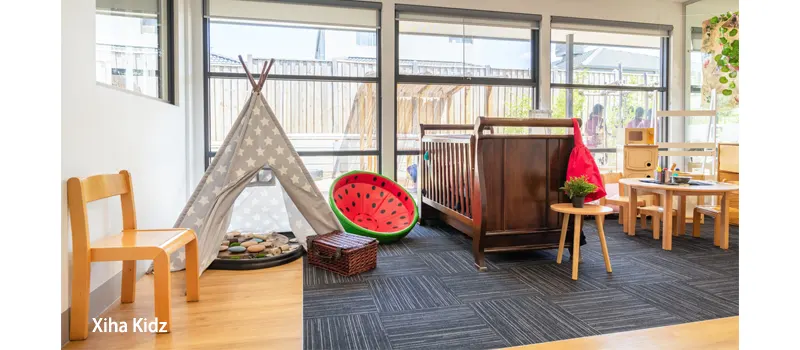
Daycare cribs need regular cleaning, so look closely at the surfaces and structure. Choose materials that are easy to wipe down and avoid designs with too many narrow gaps, exposed joints, or difficult-to-reach corners where dust and dirt can collect. The mattress cover should also be easy to clean and suitable for frequent use.
Mobility and Locking Casters
If you choose a movable crib, you must not overlook checking the casters.
Check whether:
- The crib rolls smoothly
- The casters are strong enough for frequent use
- The brakes are easy to operate
- The crib stays stable when the wheels are locked
Available Space Around the Crib
You also need enough space for staff to approach the crib, supervise children, clean around it, and move safely between cribs. Before ordering, compare the crib dimensions with your actual room plan and the spacing requirements that apply to your childcare center.
Product Documentation and After-Sales Support
For a commercial daycare purchase, the product itself is only part of the decision. Before ordering, ask what documentation and support the supplier can provide, such as:
- Product specifications
- Test reports or certificates
- Assembly instructions
- Cleaning guidance
- Replacement parts
- Warranty information
Clear documentation becomes especially important when you are opening a new center, purchasing in bulk, or preparing for a licensing inspection.
Planning Your Infant Room Can Help You Make Better Choices
A good layout should support supervision, staff movement, daily care, and emergency access. Do not simply fit as many cribs as possible. If you have a floor plan, we can provide you with a free layout plan, helping you plan the number and placement of cribs, as well as changing, storage, feeding, and play areas. This will give you a clear idea before you even order.

Measure the Room and Map Staff Sightlines
Prepare a scaled room plan showing doors, windows, fixed equipment, sinks, changing areas, storage, heating or ventilation elements, and circulation paths. Then place the proposed crib footprint on the plan.
Check whether staff can see and reach each crib without moving other equipment. Avoid layouts that force adults to walk through a sleep area repeatedly or place cribs where open doors, storage units, or stacked items interfere with supervision. Always check local spacing and licensing requirements before finalizing the layout.
Separate Sleep, Changing, and Storage Workflows
Plan the sleep area together with the おむつ交換台, feeding, storage, waste disposal, and handwashing areas.
Staff should be able to move efficiently between care zones while keeping unnecessary traffic around sleeping infants to a minimum. Store frequently used items, such as clean sheets and basic care supplies, close enough to access easily, but avoid placing cabinets or storage units where they block sightlines, restrict movement, or make the sleep area feel crowded.
Consider Cleaning and Daily Maintenance
Leave enough access around the cribs for regular cleaning. Staff should be able to wipe crib surfaces, replace bedding, and clean underneath or around each unit without repeatedly rearranging the room.
How to Get a More Accurate Quote?
A good supplier conversation reduces uncertainty before the purchase order. Instead of sending only “Please quote 20 daycare cribs,” send a concise project brief.

Include These Details in Your Request for Quotation
- Crib type and preferred model
- Required quantity
- Mattress requirements
- Any special features, such as casters, folding functions, or evacuation use
- Material or finish preferences
- Required safety standards, certificates, or testing
- Delivery country, city, and postal code
- Expected delivery date
- Whether you need custom sizes, colors, logos, or other changes
For international orders, ask whether the quote includes packaging, shipping, duties, local delivery, and installation. This makes it much easier to compare suppliers based on the actual project cost rather than the crib unit price alone.
Comparing Different Suppliers
We recommend confirming the same specifications before comparing prices. Xiha Kidz can provide a clear product and quotation breakdown so you can see what is included in the price.
| Compare | What You Should Check |
|---|---|
| Crib model and size | Make sure you are comparing similar crib types and dimensions. |
| Unit price | Check whether the quoted price is based on the same specification. |
| Mattress included | Confirm mattress size, material, thickness, and whether it is included. |
| Materials and finish | Compare frame material, surface finish, hardware, and cleaning requirements. |
| Safety standards | Check which standards the crib is designed or tested to meet. |
| Test reports/certificates | Ask for current documents rather than relying only on product claims. |
| Casters and locking system | Compare wheel quality, locking method, and whether the crib is designed for evacuation if required. |
| Customization | Check available sizes, colors, finishes, logos, or other project-specific options. |
| MOQ | Confirm the minimum order quantity for the model you want. |
| Production lead time | Ask how long production takes after the order is confirmed. |
| Packaging | Check whether packaging is suitable for long-distance or international shipping. |
| Shipping cost | Compare quotes based on the same delivery terms and destination. |
| Replacement parts | Ask whether casters, hardware, or other parts can be purchased separately later. |
| Warranty | Compare warranty length, coverage, and exclusions. |
| After-sales support | Check how the supplier handles damaged parts, missing items, or quality issues. |
| Total project cost | Compare the complete cost, not just the crib unit price. |
Maintain the Cribs After Installation
A good purchase can become a poor long-term result if maintenance is informal. Assign responsibility for checking hardware, surfaces, mattress condition, and documentation. Include crib inspections in the room’s opening and closing routines.
Track repairs and replacement parts by model number. If a component is changed, record what was replaced and whether the supplier’s instructions require a follow-up inspection. When a crib reaches the end of its service life or no longer matches the program, remove it through a documented replacement decision rather than continuing to use it because it is already paid for.
よくある質問
What are the regulations for baby cribs in 2026?
In the U.S., full-size cribs must meet 16 CFR Part 1219, while non-full-size cribs must meet 16 CFR Part 1220. These rules cover key safety areas such as dimensions, slat spacing, hardware, mattress support, strength, labeling, and entrapment risks. Manufacturers and importers must also provide a Children’s Product Certificate (CPC) based on applicable testing. Childcare centers should also check state and local licensing rules for any additional requirements.
How many cribs does a daycare need?
Start with the number of children who may need a crib at the same time, then account for room assignments, attendance, spare capacity, cleaning downtime, and local requirements. The correct quantity is a planning result, not a universal ratio.
Are daycare cribs different from cribs used at home?
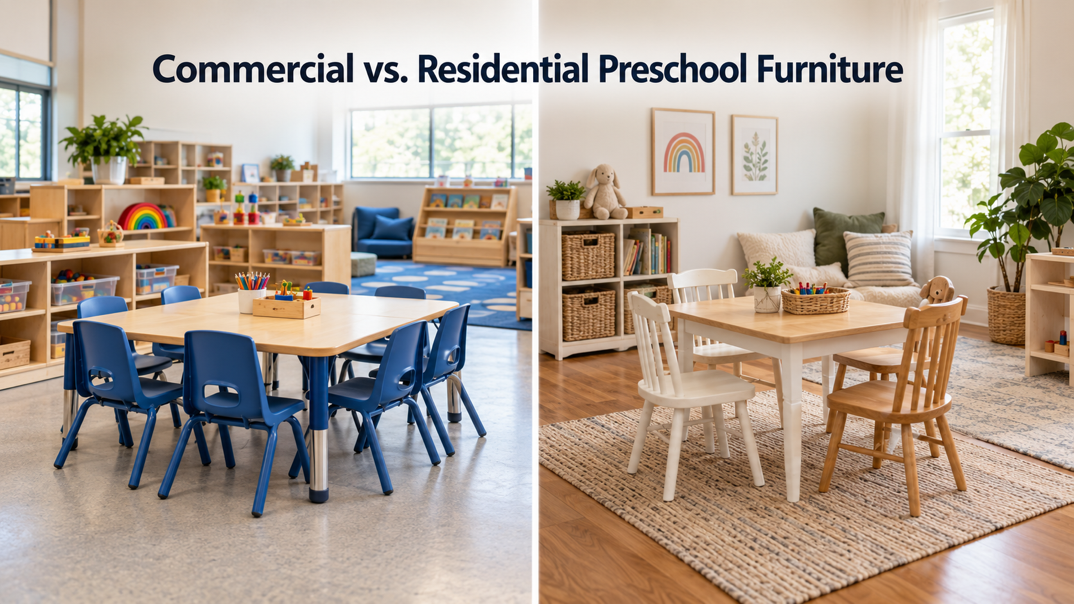
Yes. Daycare cribs are designed for frequent commercial use, with stronger construction, easier-to-clean surfaces, and features such as locking casters or clear panels. They must also meet the safety and licensing requirements that apply to childcare facilities, which can be stricter than typical home use.
Are portable cribs suitable for daycare?
They may be suitable for some programs, but only after checking the exact product’s intended use, safety documentation, durability, storage, cleaning, and daily staff workflow. A portable feature does not by itself make a product appropriate for commercial childcare.
When should a daycare switch from cribs to cots?
That decision depends on the child’s development, the program’s age grouping, the furniture design, and local requirements. Plan the transition as part of the room and enrollment model rather than selecting a crib without considering what happens next.
Is it better to buy extra cribs when opening a new daycare?
Not always. Buying too many units can waste both budget and floor space. It is usually better to plan around your expected infant capacity and program needs, then decide whether a small number of additional units is justified.
Why should a crib be 3 feet from a window?
There is no universal U.S. rule requiring every crib to be exactly 3 feet from a window. However, cribs should be kept away from windows to reduce risks from blind or curtain cords, falls, direct heat, and drafts. Always check your local childcare licensing rules, as some jurisdictions may specify minimum distances.
Final Takeaway
Choosing daycare cribs is ultimately about making a decision that still works well after the products are delivered and put into daily use. A thoughtful purchase can reduce avoidable changes later, make staff routines easier to manage, and give your center a more reliable sleep setup from the start.
However, you don’t need to worry about buying cribs. Feel free to contact シーハ・キッズ anytime; we’d be happy to assist you.




 Japanese
  English
  Arabic
  French
  Italian
  German
  Spanish
  Thai
Thai