If you have managed a preschool playground project before, you know the biggest problem is rarely paying too much for one piece of equipment. It is underestimating the total project cost. So, how much does a preschool playground cost?
You can’t answer the question only on equipment quotes. Your total budget must also cover safe surface, site preparation, transportation, installation, and other facilities required for daily use. With the right cost plan, you can avoid missing expenses, compare quotations fairly, and decide what to build now without limiting future expansion.
Average Price of a Playground Project
For a preschool, a small complete playground usually starts at around $20,000 to $30,000, while many standard commercial projects fall between $35,000 and $85,000. A larger playground with more capacity, premium surfacing, shade, and fencing can reach $100,000 or more.
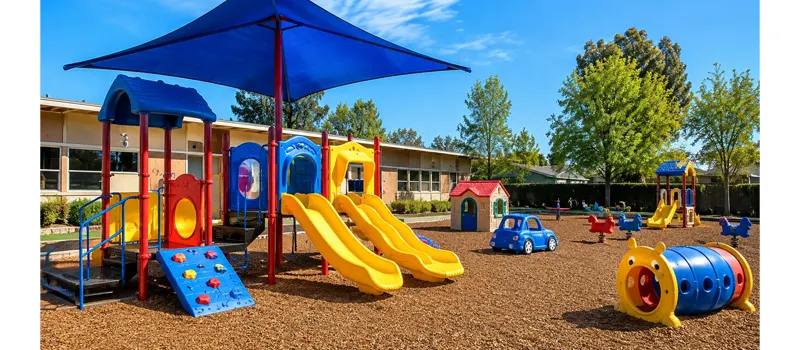
How Much Does a Preschool Playground Cost?
These percentages are a planning model, not a fixed rule.
| Budget Category | Recommended Share |
|---|---|
| 遊具 | 40% |
| Safety Surfacing | 15% |
| Site Preparation and Drainage | 10% |
| Shipping and Delivery | 10% |
| Design, Permits, and Installation | 15% |
| Fencing, Shade, and Site Amenities | 5% |
| Contingency Allowance | 5% |
Playground Equipment: About 40%–50%
This is the biggest expense in the entire project, but I don’t recommend spending more than half of the total budget. This budget covers the main play structure and freestanding activities such as climbers, slides, playhouses, and activity panels. If your budget is limited, start with one durable main structure and 2-3 freestanding playground equipment. You can add more equipment later.
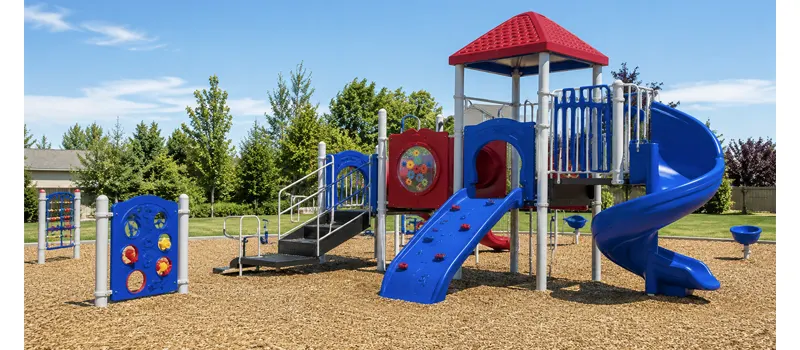
You should partner with professional suppliers and choose commercial-grade 遊具. While low-quality equipment may have lower initial costs, it is rarely able to withstand high traffic and long-term outdoor use, which can lead to safety hazards and higher maintenance costs.
If the site will also serve children under the age of two, you should plan a separate toddler area with appropriate equipment. The 消費者製品安全委員会 includes outdoor playgrounds at commercial childcare facilities within its public playground safety guidelines and specifies separate standards for equipment intended for children aged 6 to 23 months.
It is necessary to specifically confirm whether the supplier’s quotation includes:
- Ground anchors
- Installation hardware
- Roof or canopy
- Freight
- Installation
- Safety surfacing
Many equipment quotations only include the product itself.
Site Preparation: About 10%–15%
Site preparation includes clearing the area, removing old equipment, leveling the ground, drainage, edging, and preparing the base for the safety surface. A flat site with good drainage may require little work. Slopes, poor soil, tree roots, old concrete, or limited vehicle access can increase this part of the budget.
Drainage is a crucial issue that requires your attention. Standing water can damage the rubber flooring or the area beneath the artificial turf, produce unpleasant odors, and even cause the surface to shift. It’s far more cost-effective to address drainage issues before installation than to remove the already laid surface later.
I recommend inspecting the site before finalizing the equipment package. If you purchase the maximum amount of equipment first, you may not have enough money left for essential drainage or groundwork.
Safety Surfacing: About 15%–20%
Depending on the materials and depth, the cost of the safety surface can account for 20% to 25% (or even more) of the total budget. Safety surfacing must cover the full fall zone around the equipment. You can choose from the following methods based on your budget and actual needs.
- Engineered Wood Fiber (EWF): This is usually the most affordable option. Typically costs $3–$8 per square foot installed. It provides good impact protection but requires regular raking, topping up, and checking, as the material can shift away from busy areas.
- Rubber Tiles: Rubber tiles provide a firm, easy-to-clean surface, and damaged sections can usually be replaced individually. Typically costs $10–$18 per square foot installed. However, they require a well-prepared base, and poorly installed joints may lift or separate.
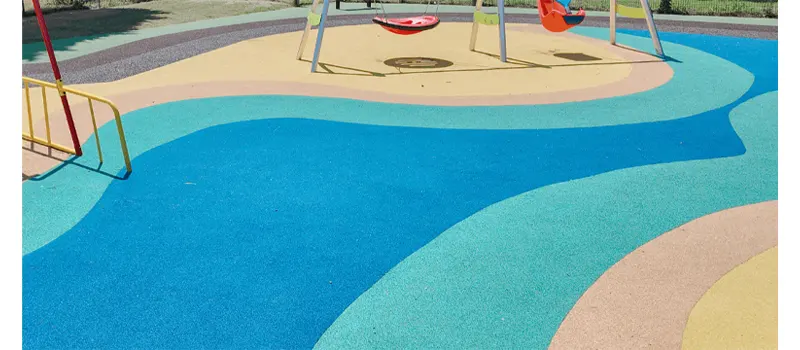
- Poured-in-Place Rubber: This creates a seamless and wheelchair-accessible surface with relatively low daily maintenance. It has the highest initial cost, typically costs $15–$25 per square foot installed, and must be installed by an experienced contractor.
- Synthetic Turf with Pad: A shock-absorbing pad is placed underneath the synthetic turf to provide impact protection, while the turf creates a clean, natural-looking surface. It typically costs $11–$16 per square foot installed. It requires regular cleaning, brushing, and checks of the seams, edges, and infill.
The cost of laying a safety surface should never be reduced to add a piece of equipment. Equipment can be added later, but an unsuitable surface may hinder the safe use of the playground.
Accessible pathways need to be considered in the initial ground plan and should not be added after the equipment is installed. The U.S. Access Board recommends that accessible routes connect the venue entrance to the corresponding play facilities.
Shipping and Delivery: About 10%
Shipping costs are often underestimated, especially when playground equipment and surfacing materials come from different suppliers. I suggest reserving around 10% for shipping and delivery. The percentage may be lower for a local project and higher when equipment must be transported internationally or delivered to a remote site. You can also estimate shipping costs at 20%-30% of the equipment cost.
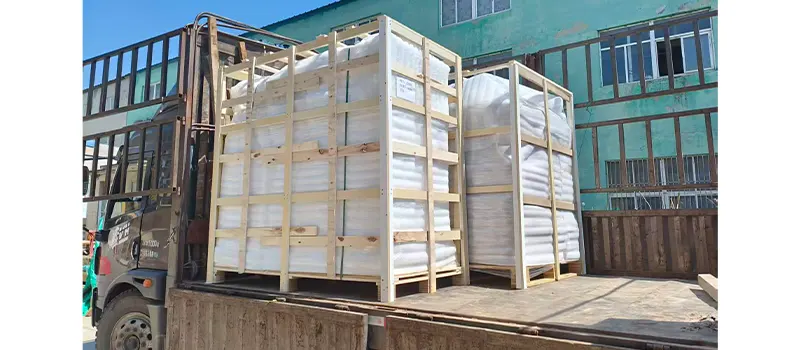
The shipping budget may include:
- Factory-to-port transport
- Ocean or domestic freight
- Packing and crating
- Customs duties
- Port or terminal charges
- Last-mile delivery
- Forklift or crane unloading
- Temporary storage
Before accepting a quotation, you must confirm exactly where the supplier’s responsibility ends.
For imported equipment, consolidated shipping can reduce costs. Flat-packed structures can also use container space more efficiently than fully assembled products. However, you should compare any freight savings with the additional assembly work required on site.
Design and Installation: About 15%
The installation cost depends on the equipment size, foundation requirements, site access, and local labor rates. If you use a local installation team, I recommend confirming that they have experience with commercial playground equipment. You should also confirm whether the supplier provides installation drawings, numbered parts, hardware, and remote guidance. These details can reduce installation time and help prevent mistakes on site.
Don’t reduce the installation budget by using an unqualified team. Incorrect foundations, loose connections, uneven platforms, and exposed hardware can create safety problems and may affect the warranty.
Fencing, Shade, and Site Amenities: About 5%-10%
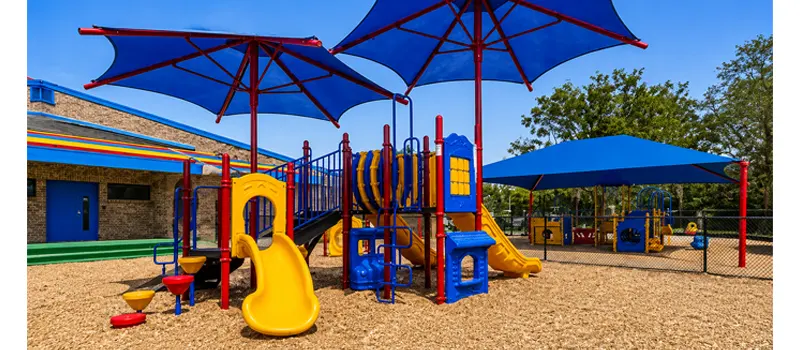
Shade facilities should not be considered optional. If your site is surrounded by trees or you live in a cooler climate, you can save on this expense, but if you live in a hot climate, it’s an essential expenditure.
Within your budget, you can also consider adding fencing, benches, picnic tables, decorative landscaping, etc., which can enhance the children’s play experience and make supervision easier.
Contingency Allowance: About 5%
Keeping at least 5% of the budget unspent until the project is nearly complete. A contingency allowance protects the project from costs that cannot be confirmed during early planning. If no unexpected expenses arise during this period, this money can be used for your subsequent maintenance work.
What Factors Affect the Cost of a Preschool Playground?
Even for playgrounds of the same size, you might receive drastically different quotes. So, before comparing quotes, you need to understand the following factors that influence pricing.
Number of Children Using the Playground
The focus should be on the number of children using the playground at the same time, not the total number of registered children at the center. The more children are active at the same time, the more play areas you’ll need, and the higher your costs will be. You can control costs with a staggered outdoor schedule.
年齢範囲
When the age range becomes wider, you need to separate activity levels. This often requires a larger layout and more varied equipment. You can let children of different ages use the playground at different times, so that some activity equipment can be shared, saving the cost of dividing the area separately and purchasing equipment repeatedly.
Site Condition
Flat, clean, and easily accessible sites have lower costs. Sloping terrain, poor soil, tree roots, waterlogging, and underground utilities can all rapidly increase total costs. Inaccessible sites also increase labor costs, as materials need to be transported over longer distances or smaller equipment needs to be used for installation.
Equipment Size and Complexity
Equipment cost rises as the structure becomes larger, taller, or more complex. A structure with several platforms, bridges, roofs, climbing routes, and activity panels costs more to manufacture, pack, transport, and install. Taller equipment also requires stronger foundations and a higher-performing safety surface, so the additional cost is not limited to the equipment itself.
When your budget is limited, I recommend choosing one durable structure with several useful activities before paying for complicated shapes or decorative features.
Material and Construction Standard
The material specification changes both the initial price and the expected service life. Equipment designed for heavy daily use, strong sunlight, frequent rain, or freezing weather usually needs better finishes, stronger connections, and more durable hardware. These upgrades increase the purchase price but reduce the risk of early fading, corrosion, and movement.
You should choose the construction standard based on the local climate and expected usage. However, long-term costs must be taken into account; if frequent repairs are required, the final cost could be very high.
Local Safety and Approval Requirements
Local regulations, such as permits, inspections, fencing, site specifications, and installation methods, can all affect costs. Some projects require third-party inspections or documentation before the playground can open. Drainage or foundation details may also have specific requirements.
You should confirm all applicable requirements before ordering equipment. Changes due to non-compliance are often very expensive.
How to Reduce Costs Without Reducing Playground Quality?
You do not need to lower the safety standard or choose cheaper materials to control the budget. In most projects, the better savings come from changing the purchasing plan and funding approach.
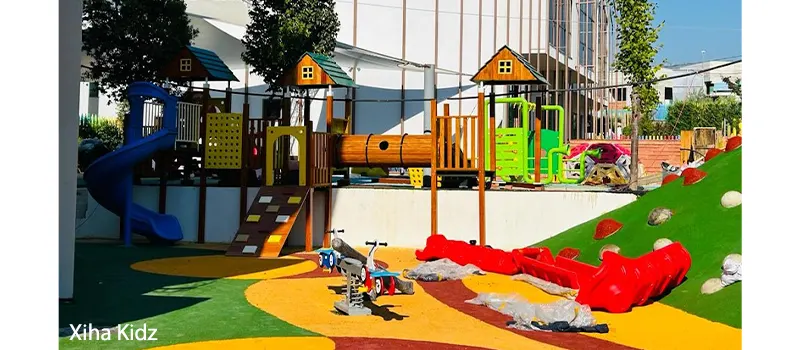
Plan the Complete Layout Before Buying Anything
Before you place your initial equipment order, plan your entire playground. This will prevent your purchased equipment from obstructing passage or requiring relocation during playground expansion.
A complete layout plan also helps you determine which products offer similar play value. Reducing redundant equipment is far better than compromising product quality.
Use Standard Products Where Customization Adds Little Value
Customization is valuable when it helps equipment better suit your site, age group, usage needs, or project positioning. When the budget is limited, we do not recommend customizing equipment solely for aesthetic purposes, as the cost far exceeds the value it can bring.
Standard structures are generally less expensive because their design, components, manufacturing processes, and installation methods are well-established. Furthermore, choosing a standard structure makes subsequent maintenance and parts replacement easier.
Build the Playground in Phases
If your full plan is beyond the current budget, you can complete the playground in phases instead of reducing the quality. Complete the elements that are difficult to change later, then add flexible items when more funding becomes available. This usually includes the overall layout, main play structure, required surfacing, drainage, and access routes. Freestanding activities, seating, storage, and landscaping can be added later.
The core principle is that the parts completed first should not affect subsequent additions and expansions.
Consolidate Your Order With One Main Supplier
Buying from several suppliers may look cheaper when you compare individual product prices, but it can create repeated freight, unloading, installation, and coordination costs.
When possible, purchase the main equipment and related outdoor products through one supplier. A larger order may give you more room to negotiate the product price, packing method, spare parts, and shipping cost. It also makes it easier to match product dimensions, colors, hardware, and installation requirements across the playground.
Using one main supplier also reduces responsibility disputes after delivery. When products come from different companies, each party may blame the other when parts do not fit or the layout changes. A clear supply scope gives you one point of contact for technical questions, missing parts, and warranty support.
Use Grants and Local Partnerships
You can approach local businesses, parent groups, community organizations, charities, and suppliers. Support does not always need to be cash. A contractor may provide reduced-cost site work, a landscaping company may donate materials, or a local business may sponsor equipment in return for recognition on a project board or opening-day materials.
I recommend seeking support for clearly defined projects rather than requesting general donations. Local businesses are likely more willing to provide funding if they can clearly see the specific use of the funds (such as for purchasing parasols).
Never rely on unconfirmed sponsorships for laying safety surfaces, drainage systems, or building foundations. These are essential for the playground to open. Complete these basic tasks with your existing budget first, and then use sponsorships to fund other auxiliary equipment.
よくある質問
Can I install preschool playground equipment myself?
Self-installation may reduce labor costs, but errors in spacing, anchoring, or assembly can create safety and inspection problems. Commercial playgrounds are usually better handled by experienced installers.
How long does playground equipment actually last?
Well-made commercial equipment can often remain in service for 10–20 years with proper inspection and maintenance. Surfacing, ropes, panels, hardware, and moving parts may need repair or replacement sooner.
How much should I reserve for annual playground maintenance?
Many operators reserve around 1%–3% of the original project value each year. Older equipment, loose-fill surfacing, timber products, and heavily used moving parts may require a larger allowance.
Are playground quotations usually fixed?
Most quotations are valid only for a limited period because material prices, freight rates, exchange rates, and local labor costs can change. Check the quotation validity date before approving your funding.
Do you need a permit to put up a playground?
You may need a building permit, planning approval, childcare licensing approval, or a final safety inspection, depending on your location and project scope. Permits are more likely when the project includes permanent foundations, drainage work, fencing, shade structures, electrical work, or major site alterations. I recommend checking with your local building department and childcare licensing authority before ordering equipment, as approval requirements vary by jurisdiction.
Why are school playgrounds so expensive?
School playgrounds use commercial-grade equipment and require safety surfacing, professional installation, accessibility, inspections, and durable materials for daily use. These requirements increase the initial investment, but they also determine whether the playground can remain safe and usable for many years.
Does a playground need to be on level ground?
A playground does not have to be completely flat, but the ground must be properly graded, stable, and drained. Sloped sites can work when the layout controls the slope and provides compliant accessible routes; certain transfer, entry, and maneuvering areas still need suitable level or low-slope surfaces. We recommend completing a site survey before choosing the equipment, even when the area appears relatively flat.
結論
You can first determine your total budget and then prioritize funds for projects that are difficult to change later, such as site leveling and safety paving. Once these necessary expenses are identified, you can use the remaining budget to select suitable playground equipment, thus avoiding project failure due to insufficient funds. シーハ・キッズ can assist you in planning the layout, creating an equipment list, and arranging the procurement process based on your site conditions and budget.


 Japanese
  English
  Arabic
  French
  Italian
  German
  Spanish
  Thai
Thai