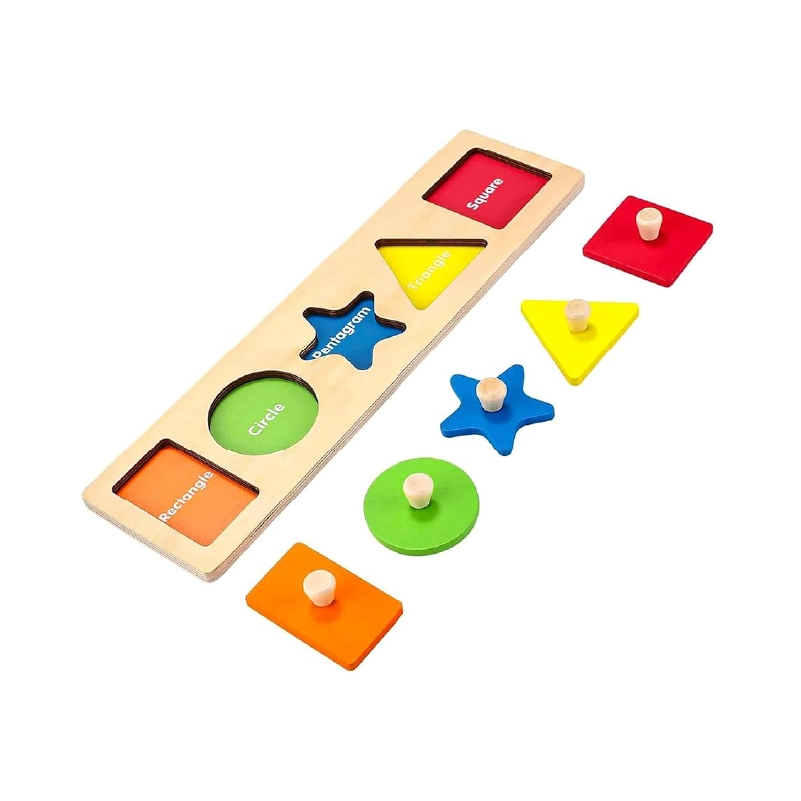
Preschool Puzzles Manufacturer and Supplier
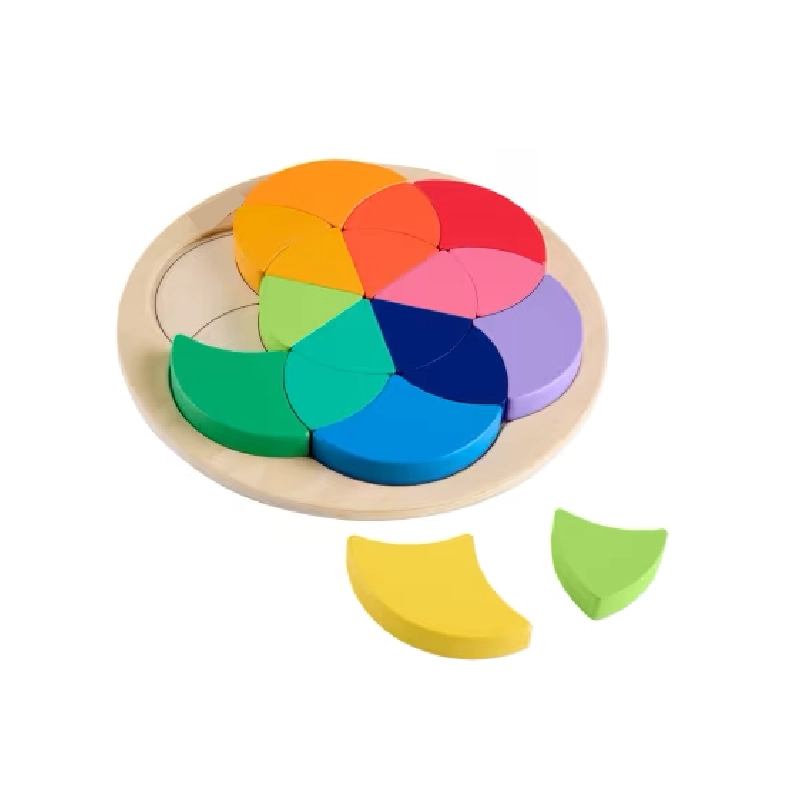
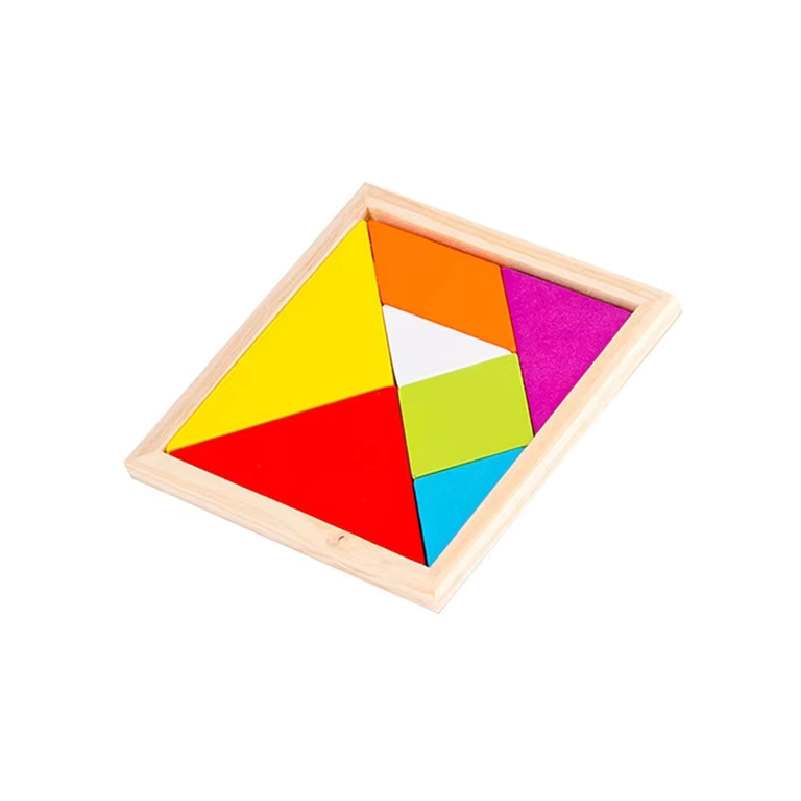
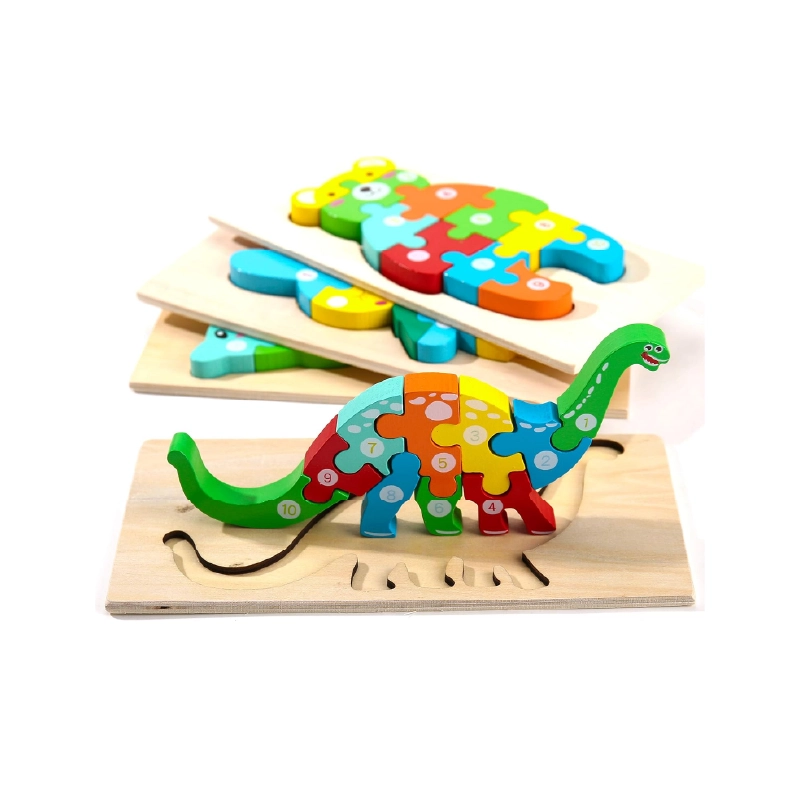
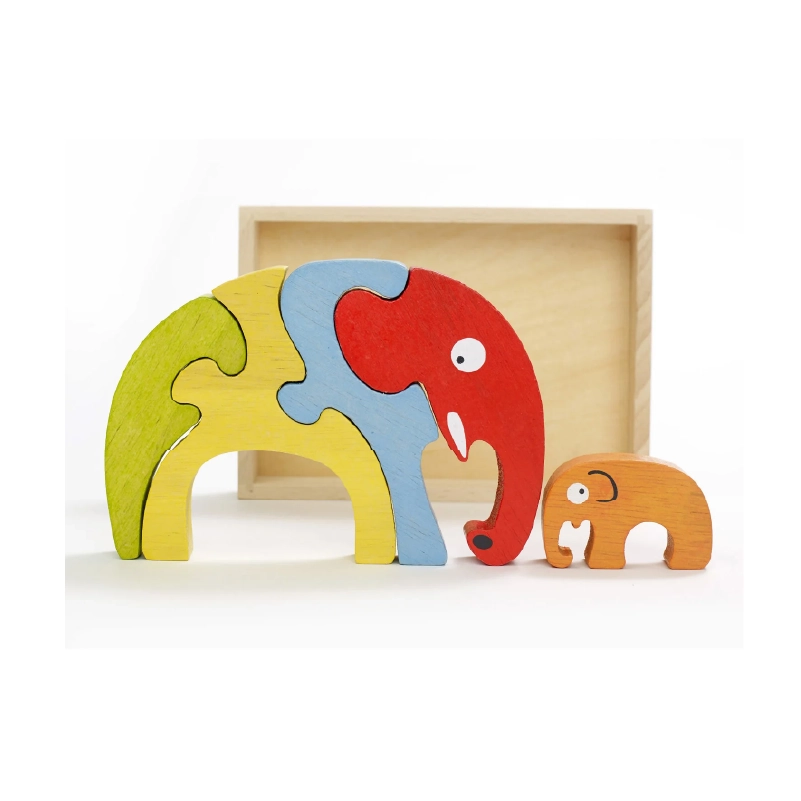
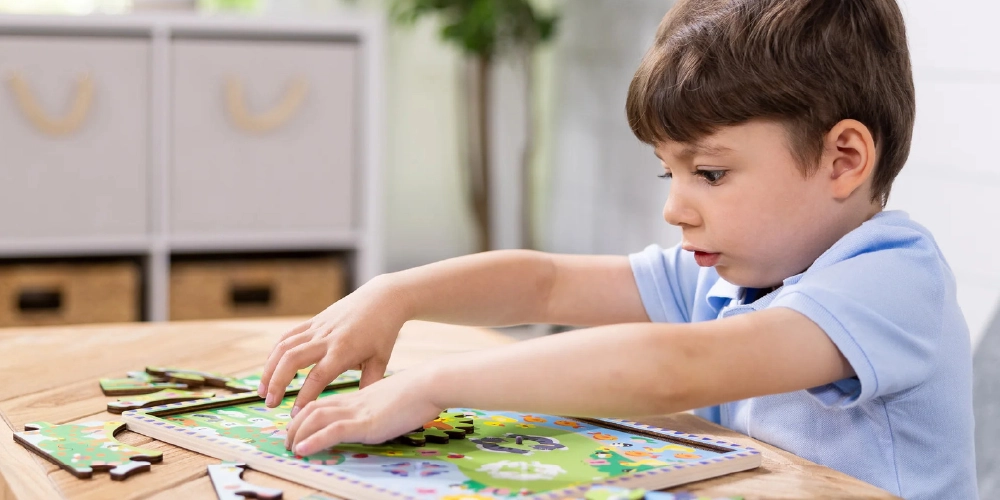
We manufacture preschool puzzles designed for daily use in early learning classrooms. Made with child-safe materials and smooth finishes, these puzzles support cognitive development, hand-eye coordination, and problem-solving skills. Multiple puzzle styles, sizes, and themes are available to suit different age groups and classroom activities.
Commercial-Grade Puzzles for Preschool Learning
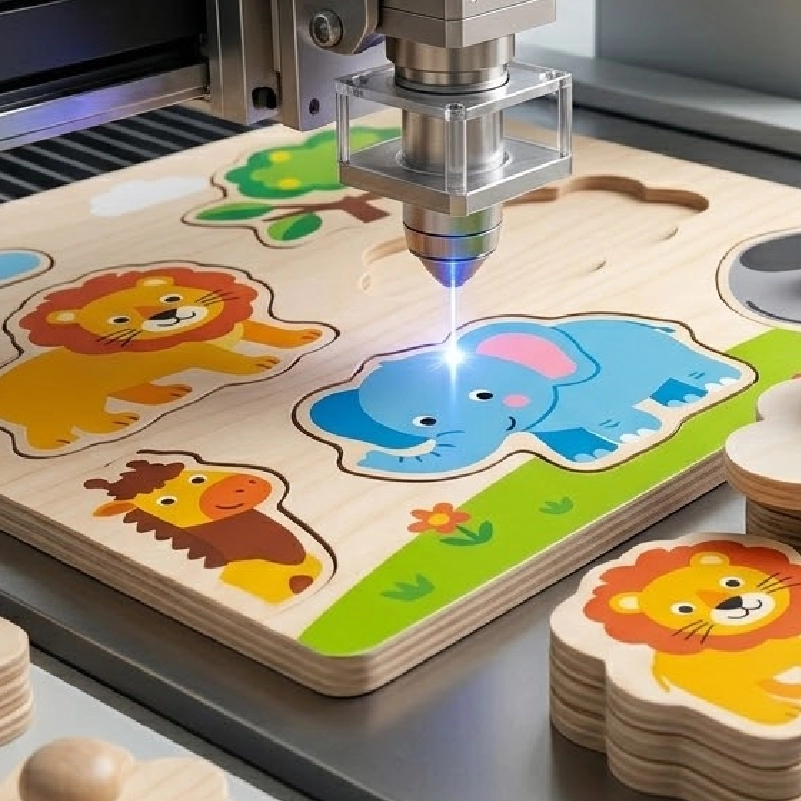
Our puzzles are produced using thicker puzzle board or solid wooden panels, combined with precise die-cutting or CNC cutting processes to ensure consistent shapes and smooth edges. High-resolution printing and protective surface finishes help maintain clear images and color stability even after repeated classroom use.
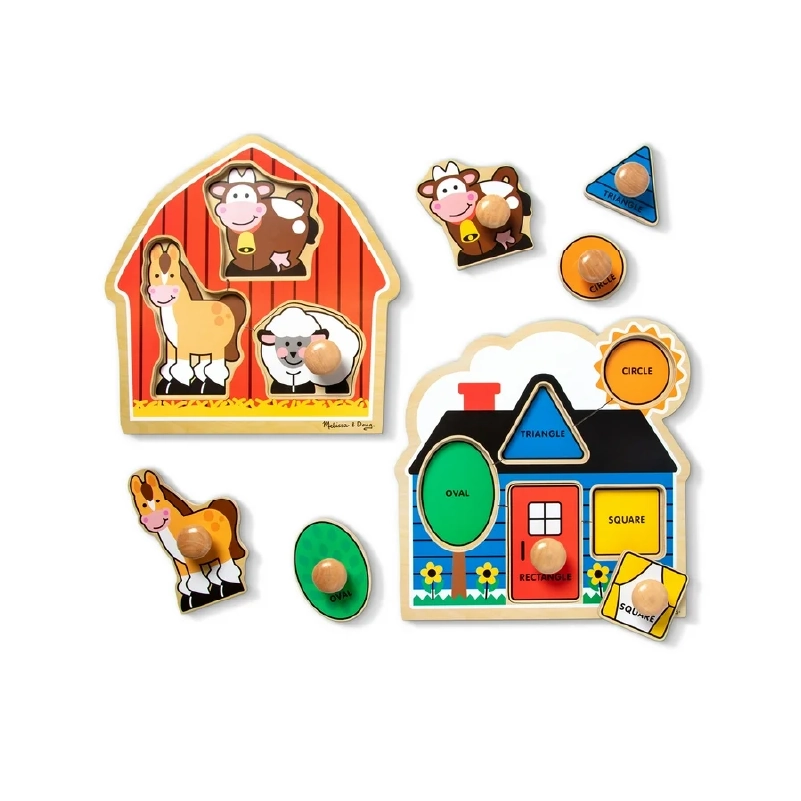
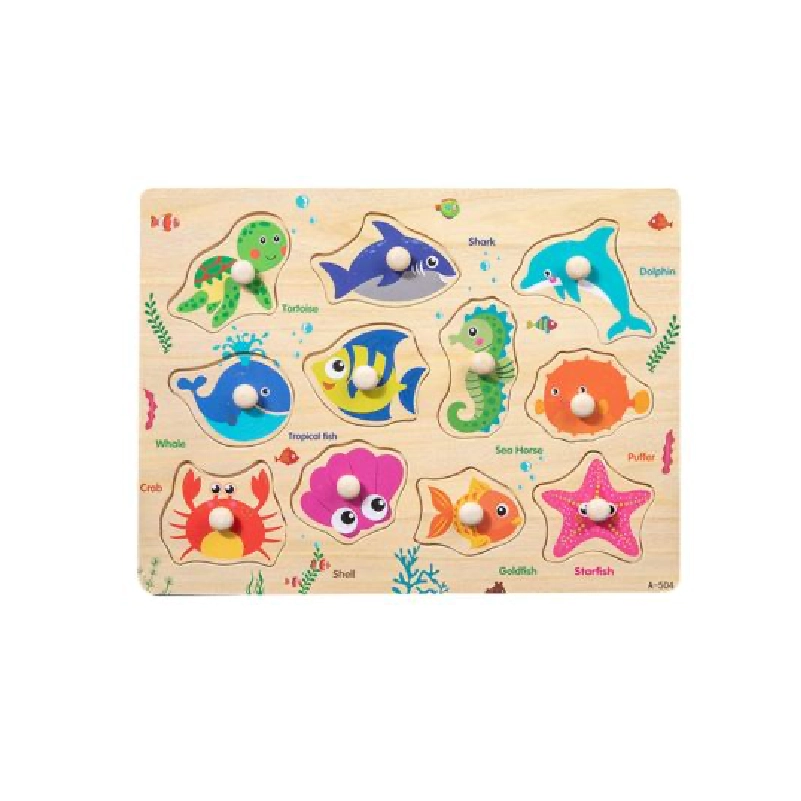
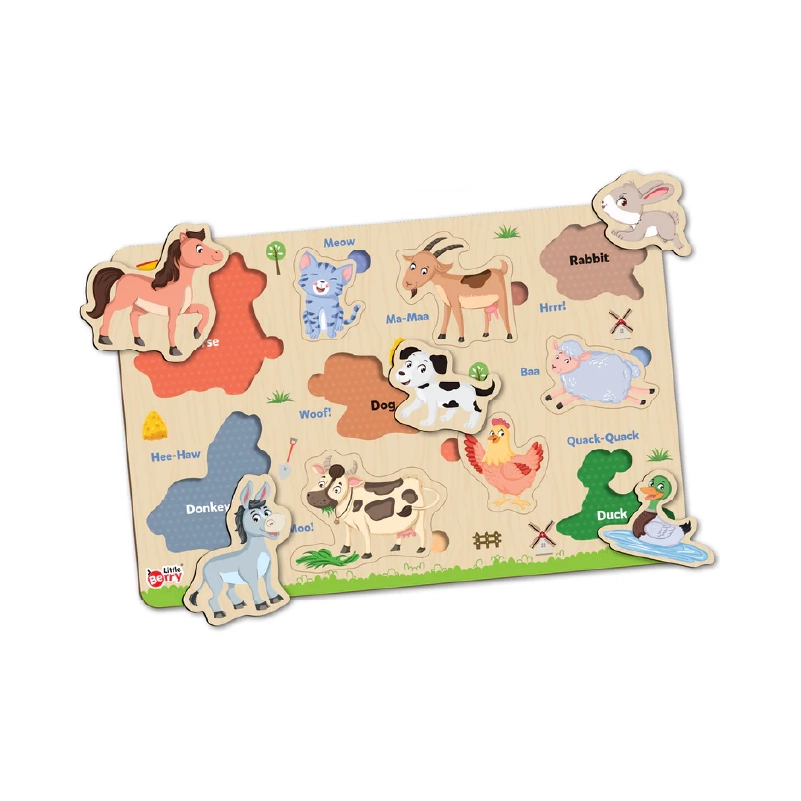
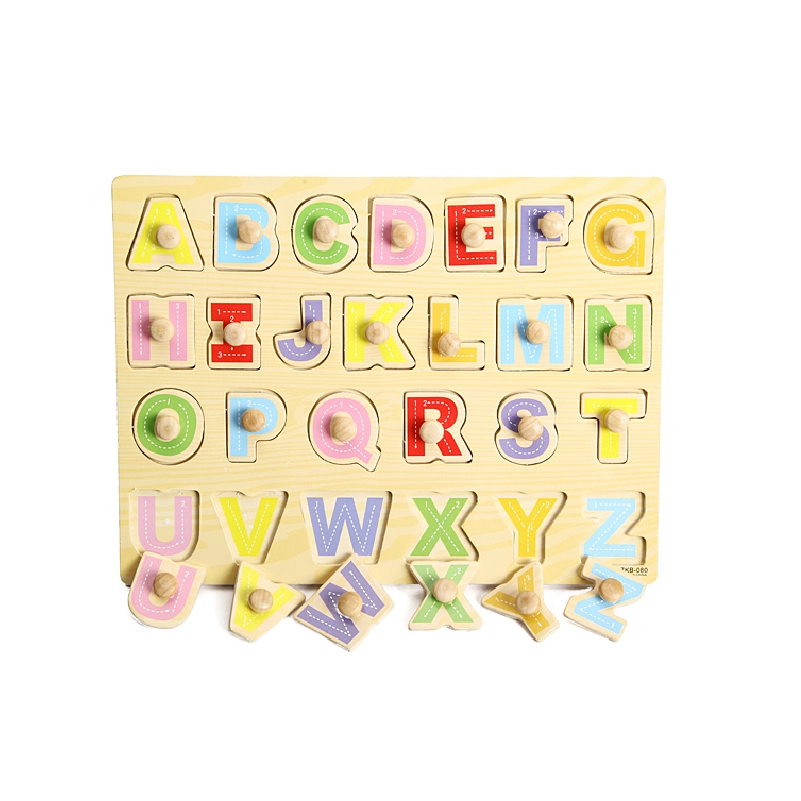
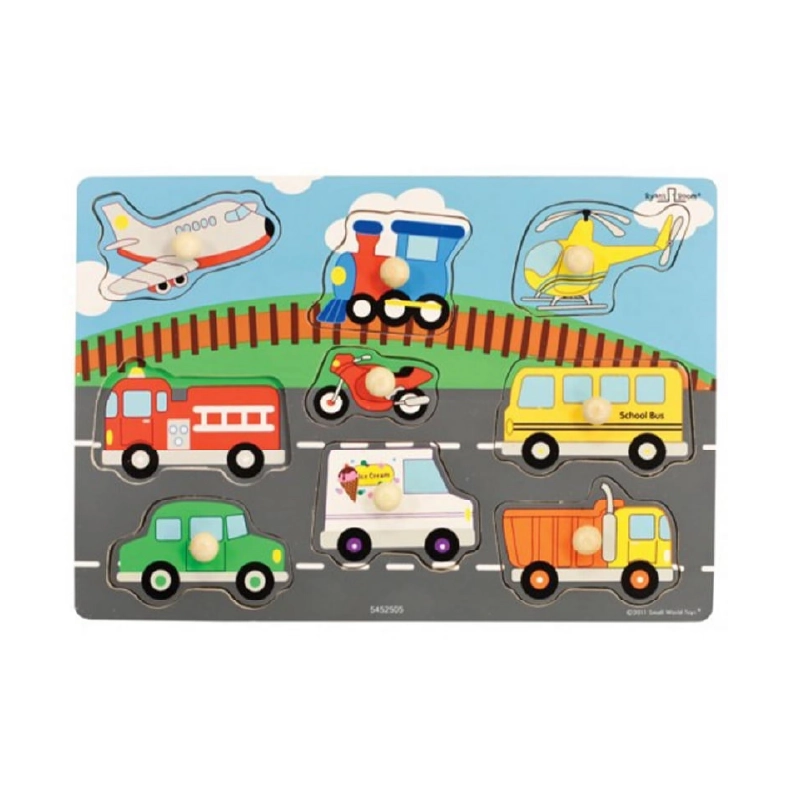
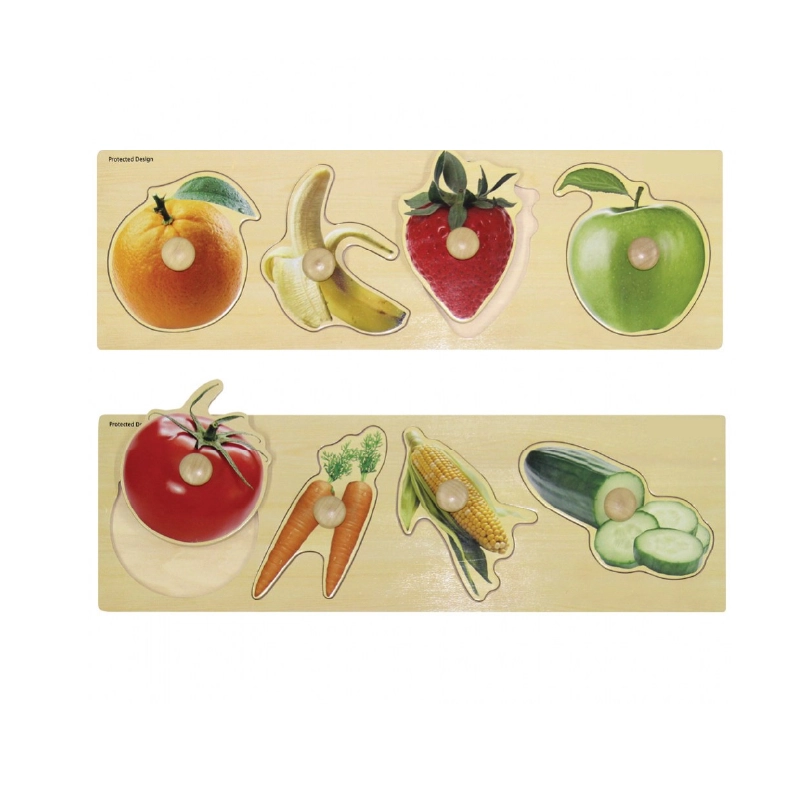
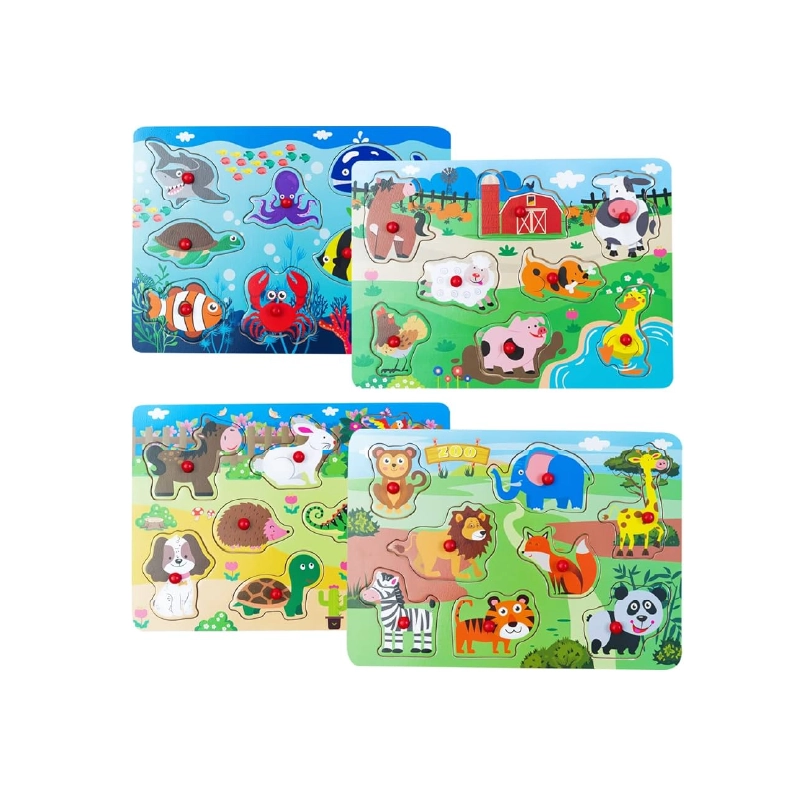
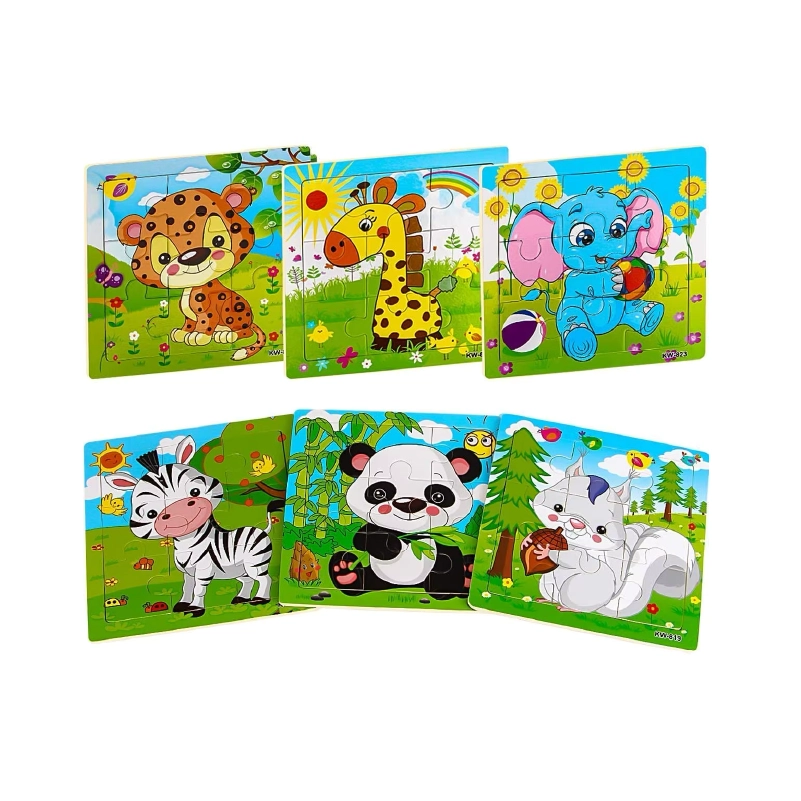
Knob & Peg Puzzles
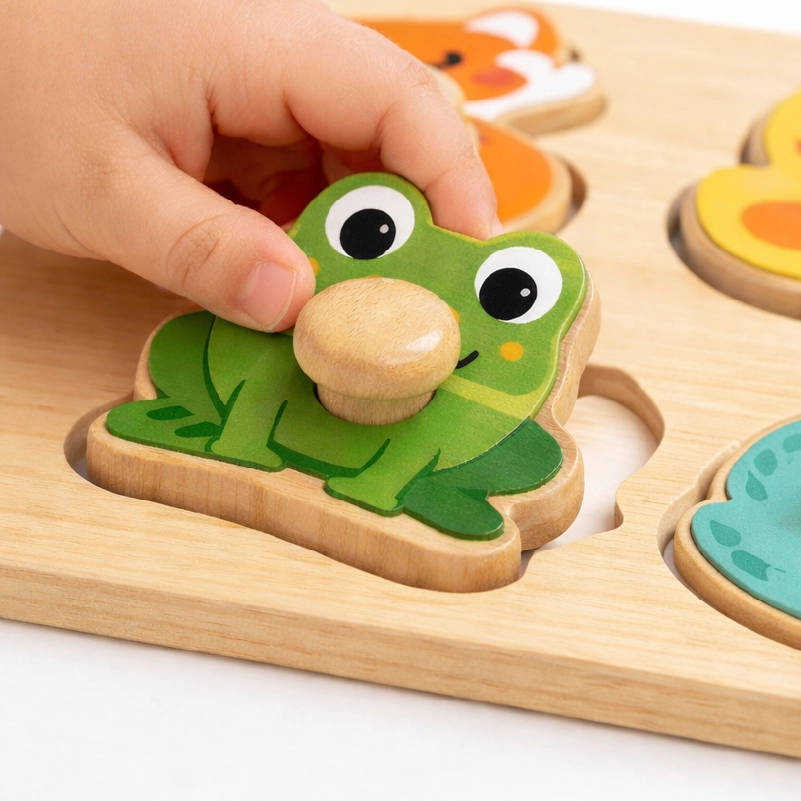
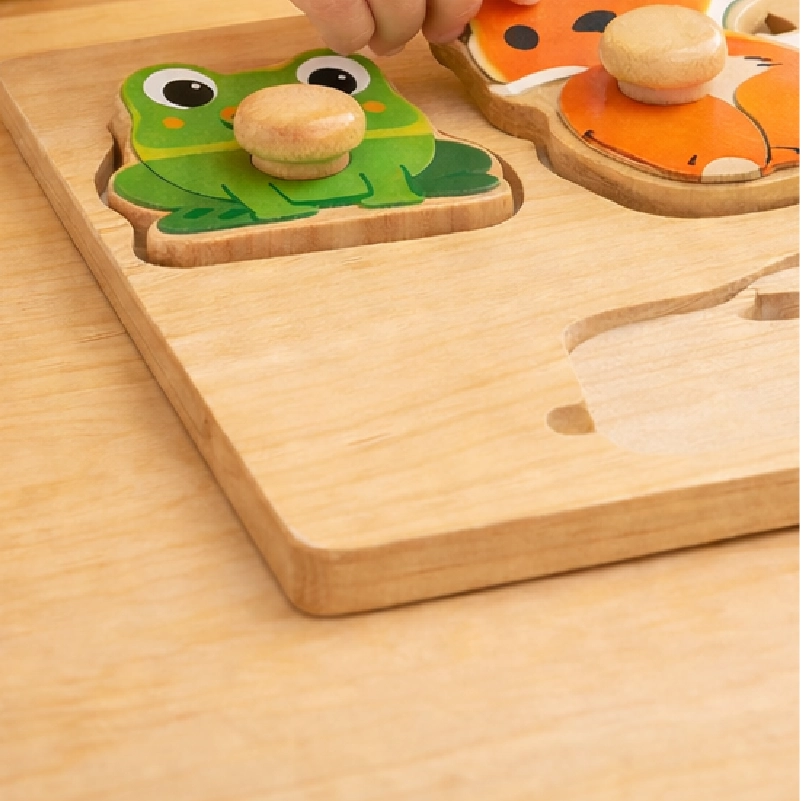
Securely fixed wooden knobs and pegs keep each piece stable even after frequent classroom use. The boards are carefully sanded and finished with smooth edges, allowing children to grasp the pieces comfortably while maintaining long-term durability. Supports the development of the pincer grasp.


Common issue: Handles on many puzzles loosen over time, and poorly finished edges can make the pieces uncomfortable for children to hold.
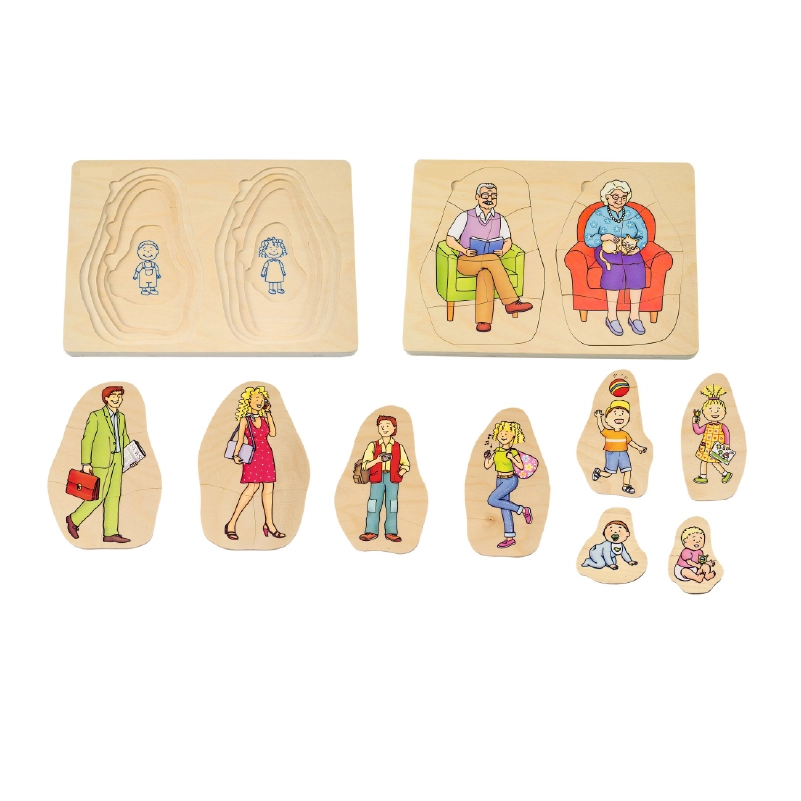
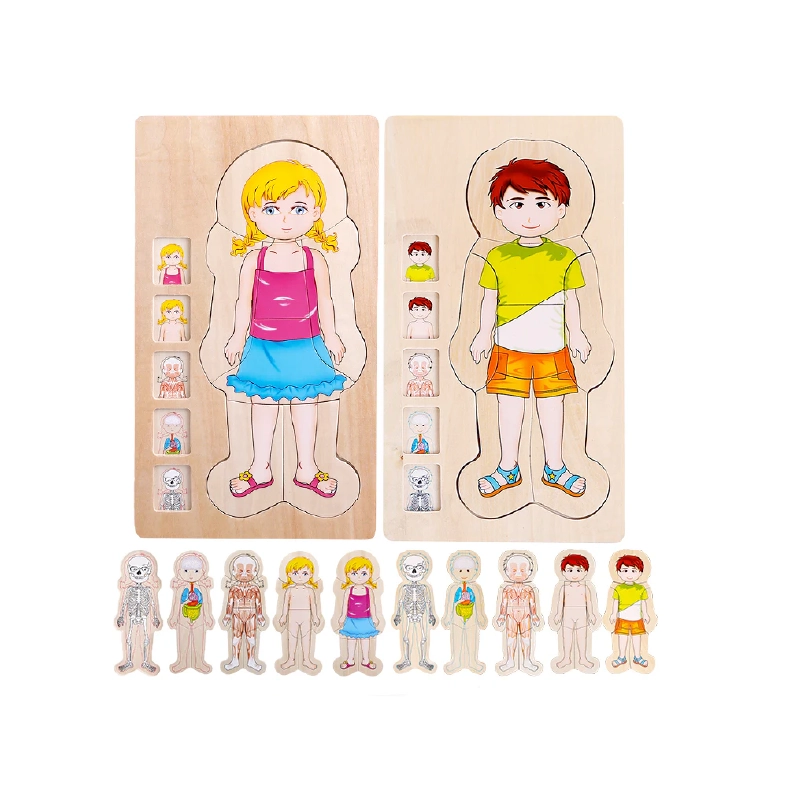
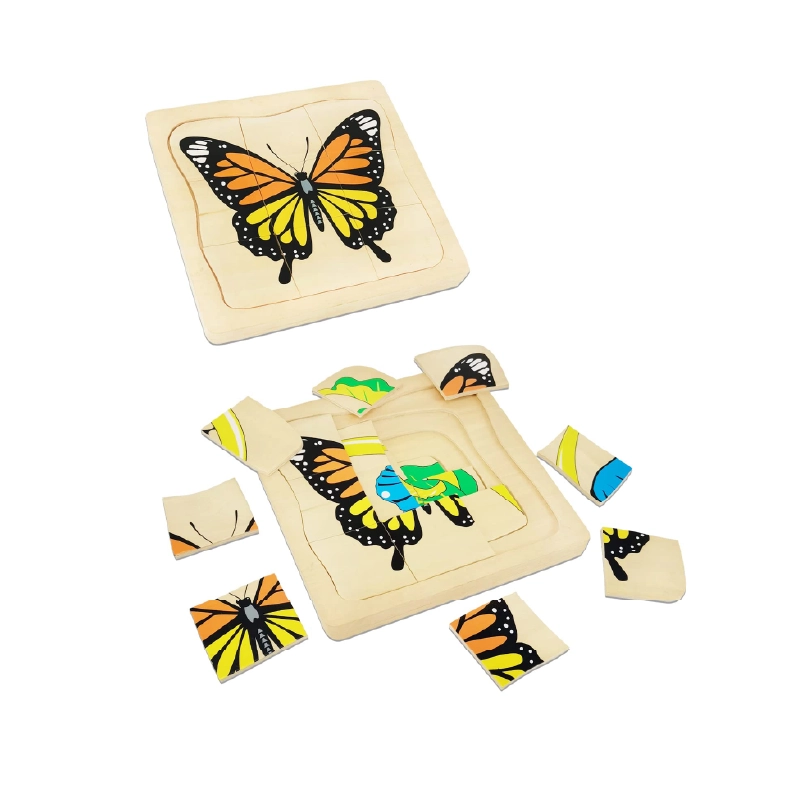
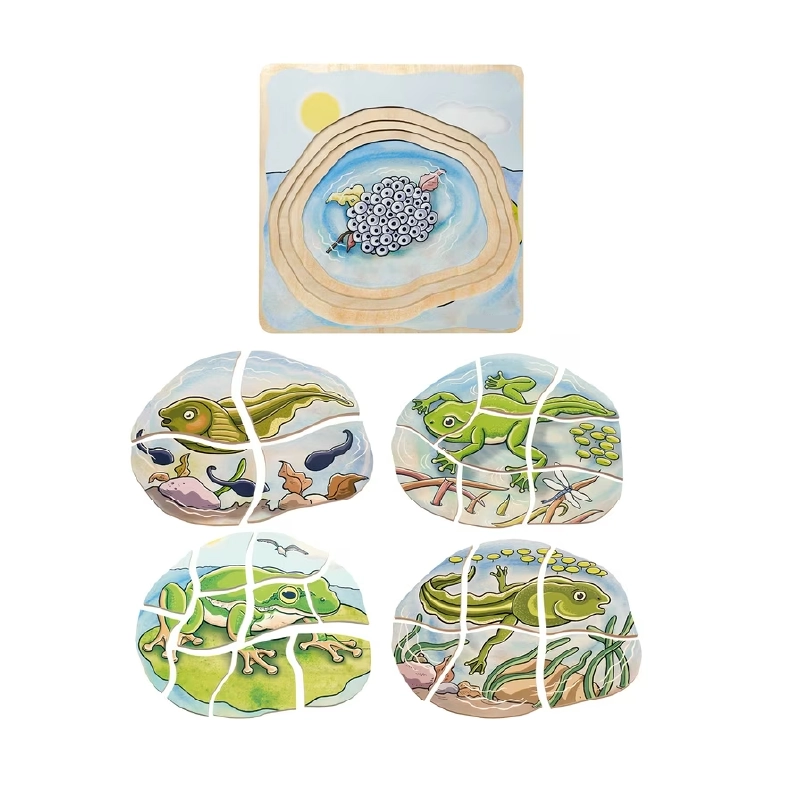
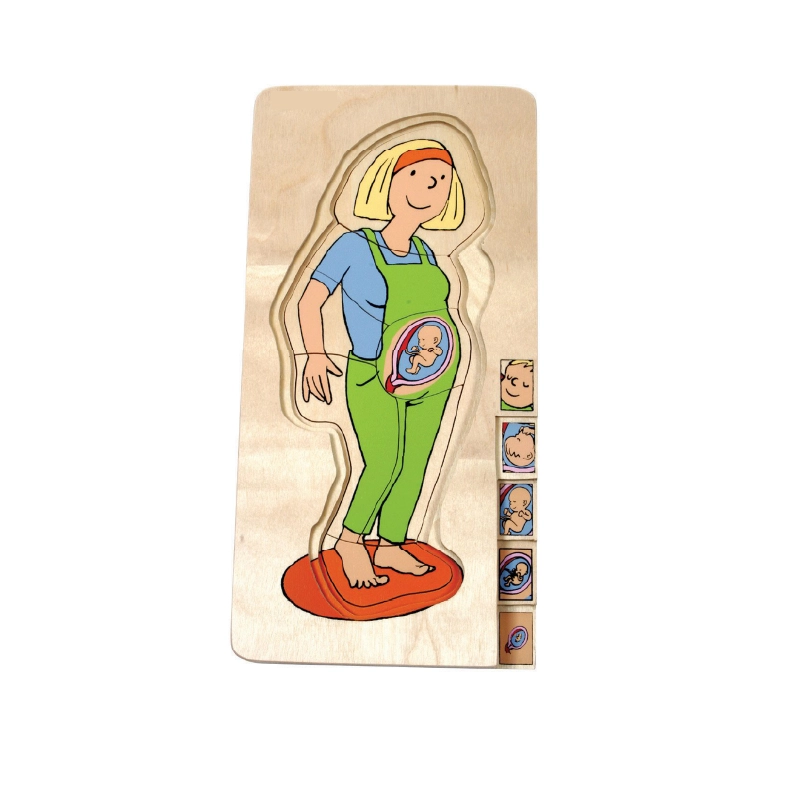
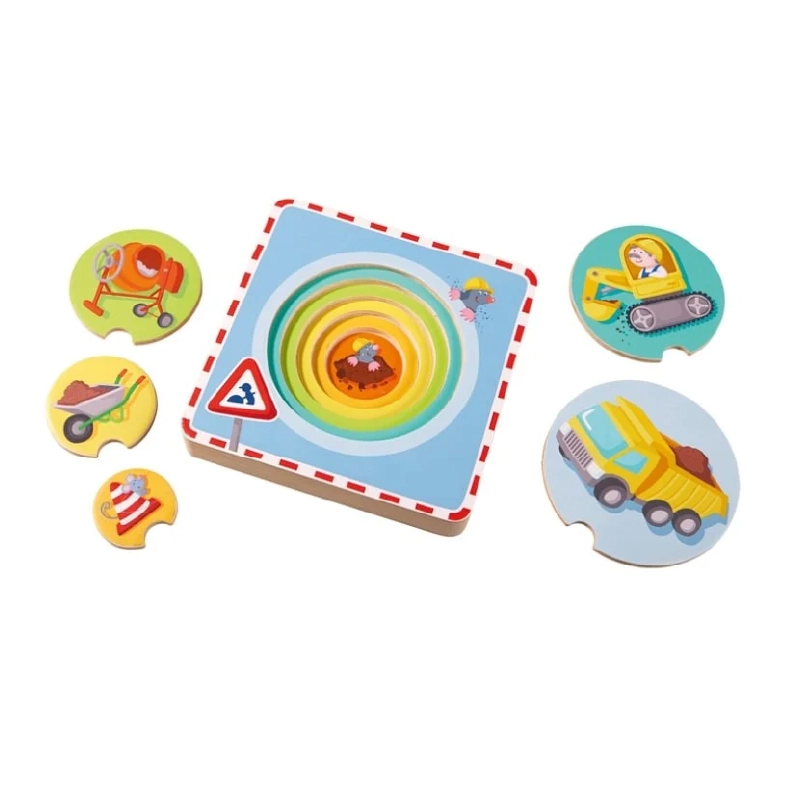
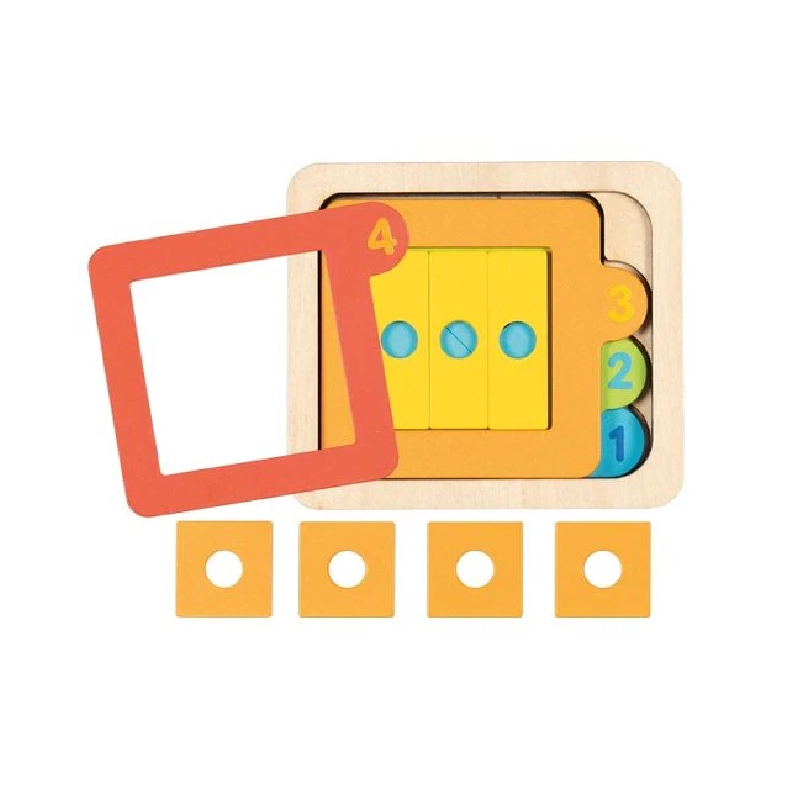
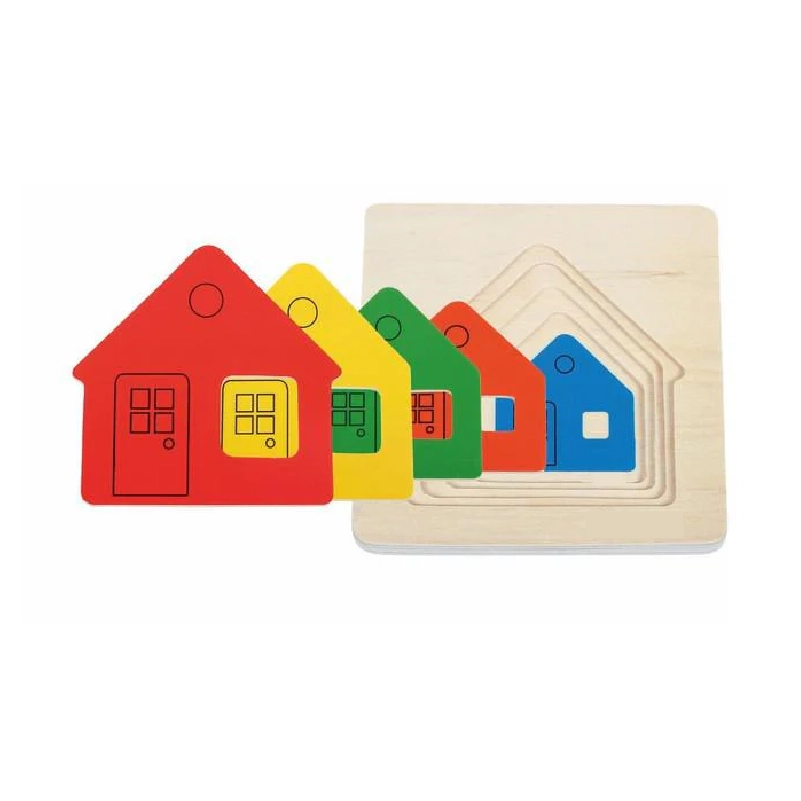
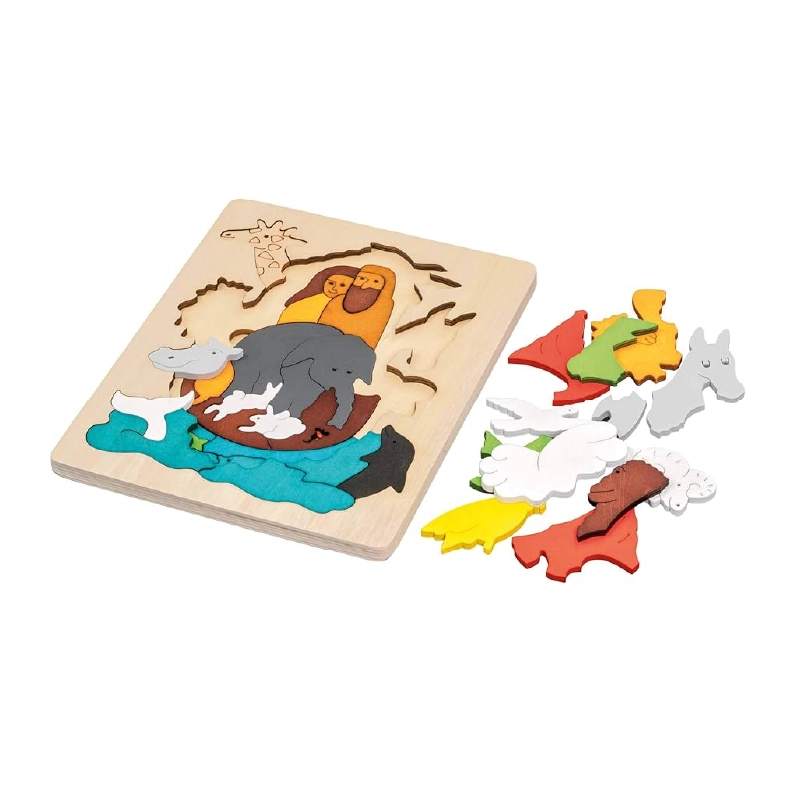
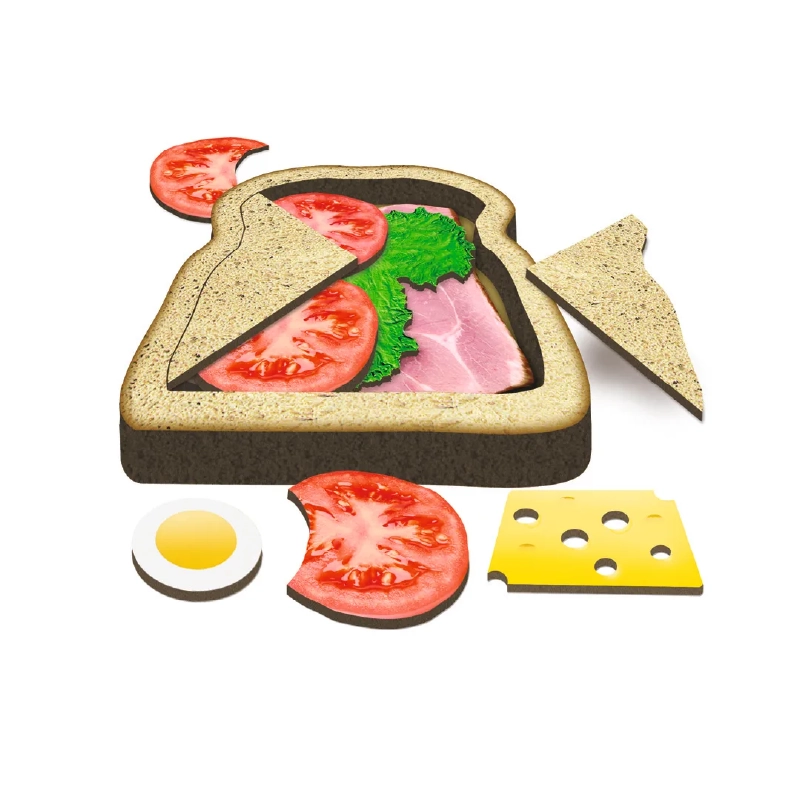
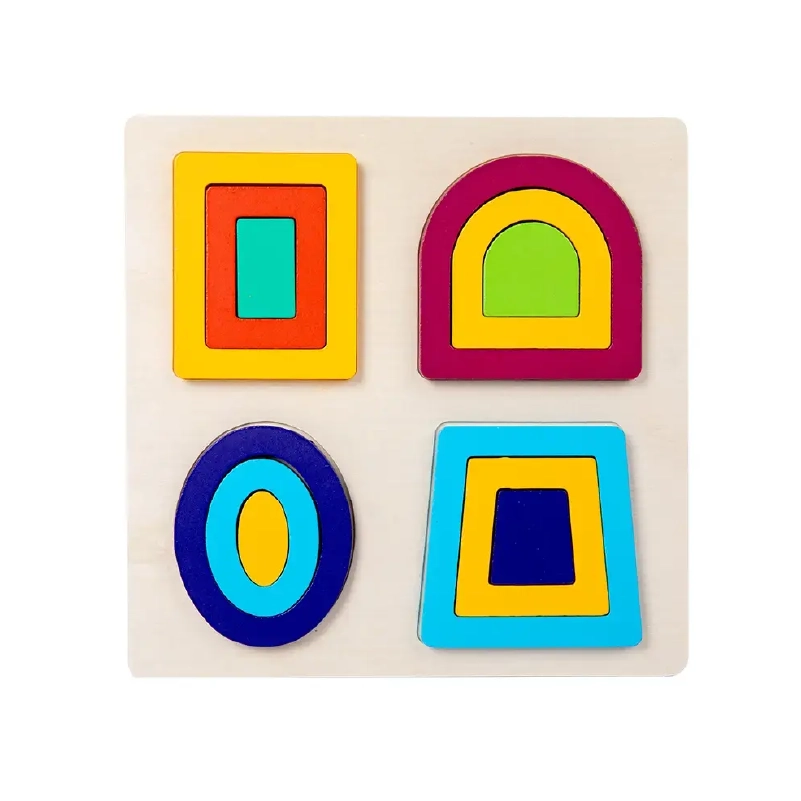
Layer Puzzles
Accurately cut wooden panels keep every layer aligned so the puzzle remains structured and easy to assemble. The clean separation between layers helps children clearly understand progressive themes like animal anatomy or life cycles.


Common issue: Many layer puzzles lose alignment after repeated use, making it difficult to place the layers back correctly.
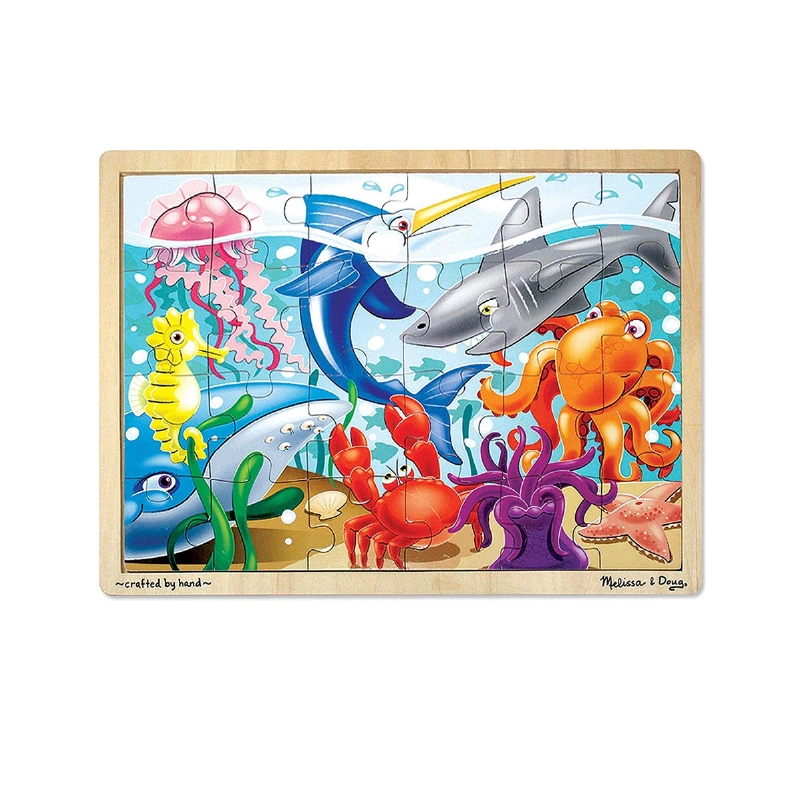
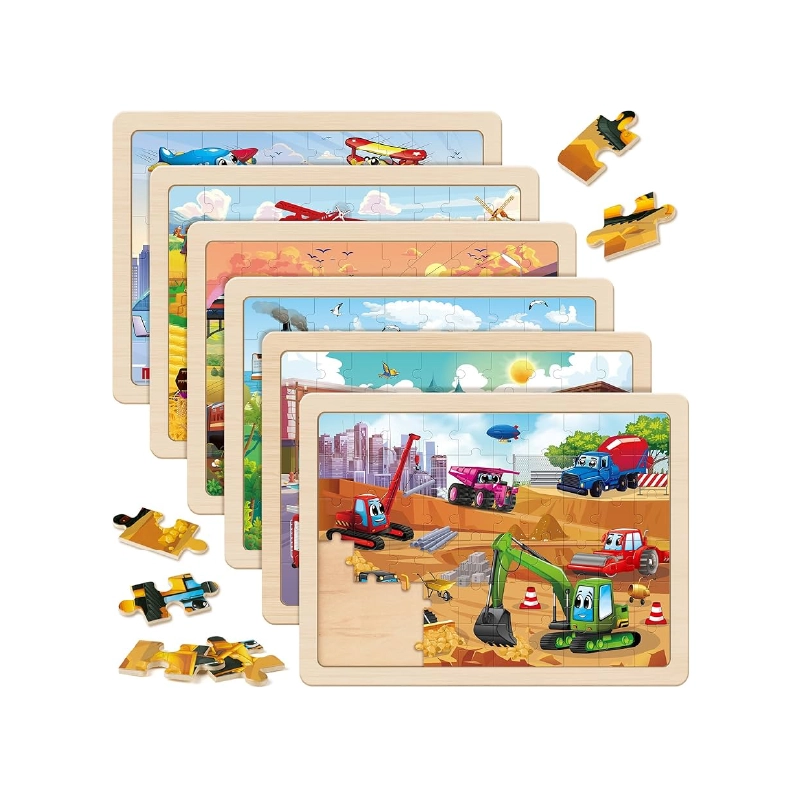
Jigsaw Puzzles
Thicker puzzle board materials improve rigidity and help pieces maintain their shape during frequent handling. High-quality printing keeps colors sharp and images clear, ensuring the completed puzzle remains visually engaging even after repeated use.


Common issue: Thin puzzle boards often bend or tear, and low-quality printing can cause images to fade or become unclear.
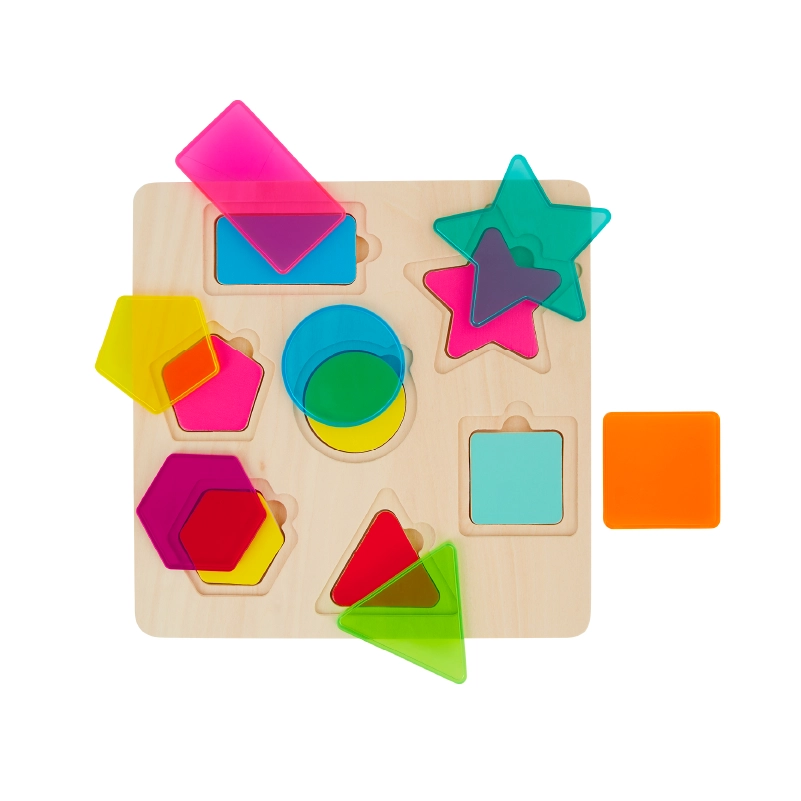
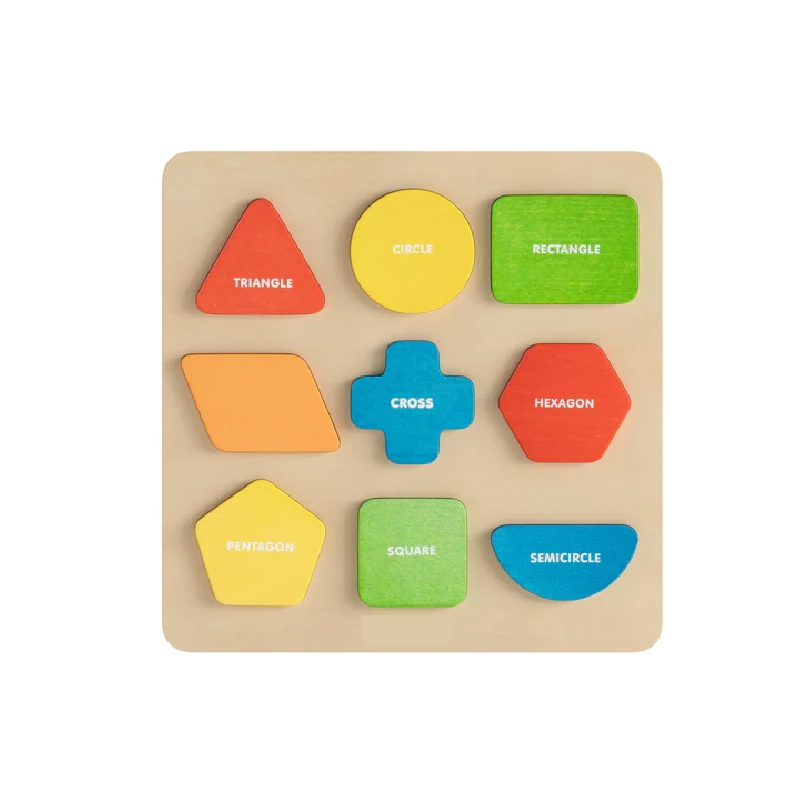
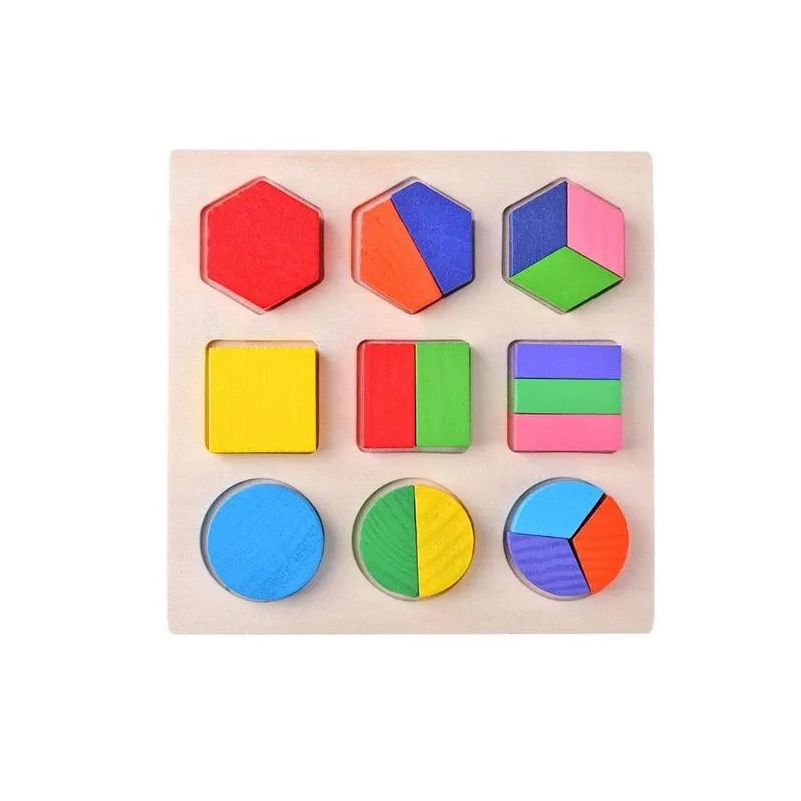
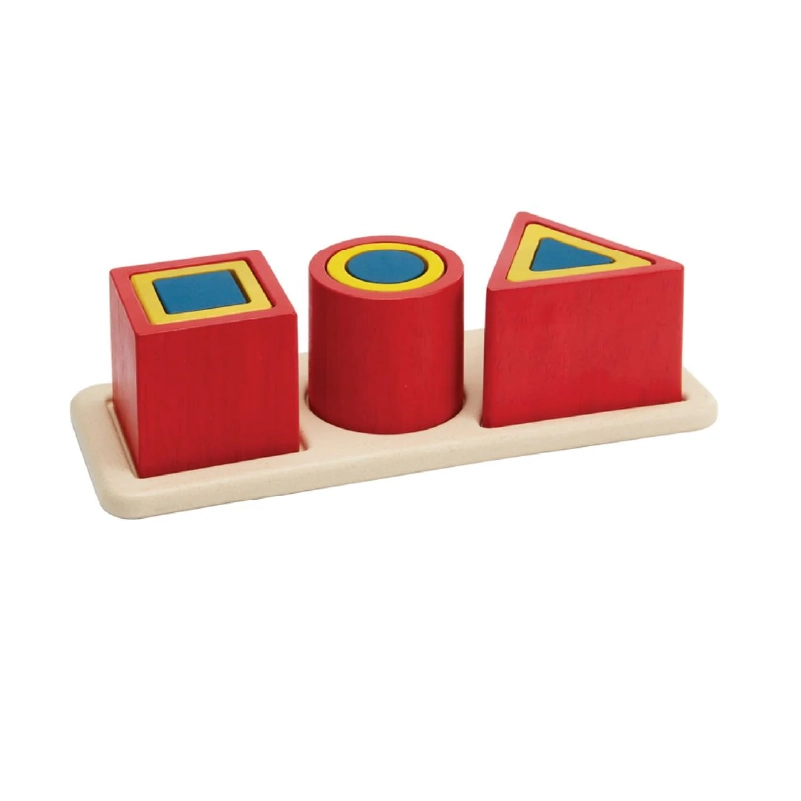
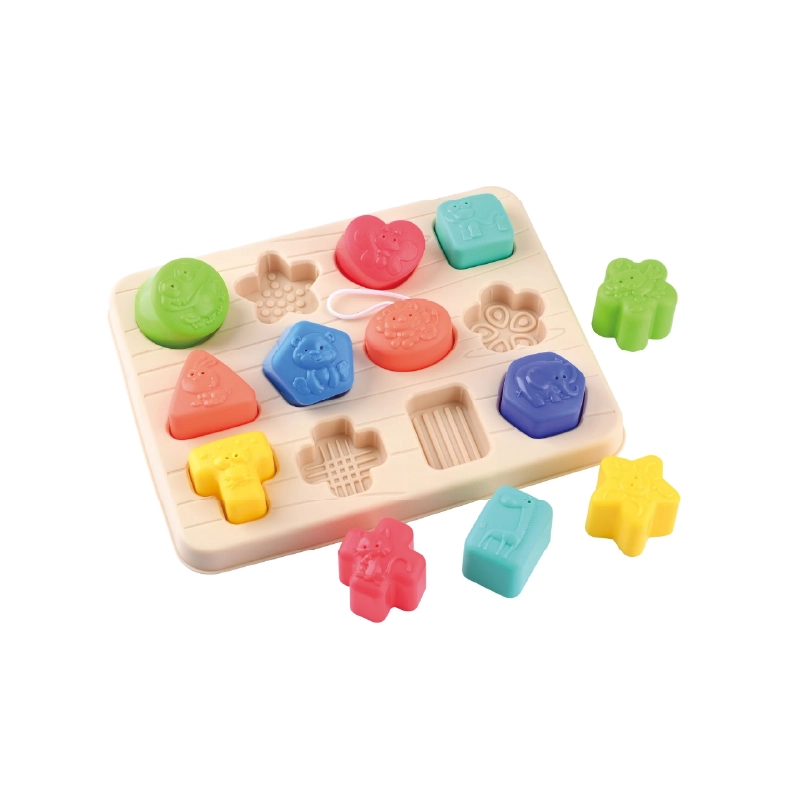
Shape & Sorting Puzzles
CNC-routed openings provide a satisfying, exact fit for every piece, facilitating independent self-correction. The substantial weight of the solid puzzle pieces offers reassuring tactile feedback, helping children refine their hand-eye coordination and shape recognition without the distraction of ill-fitting parts.


Common issue: Inaccurate cut-outs or lightweight pieces can make sorting puzzles frustrating because the shapes do not sit properly in the board.
3D Puzzles
Precisely cut components allow the pieces to connect smoothly and form stable models. This structural stability prevents mid-play collapse, rewarding children's efforts and clearly demonstrating how individual parts integrate into a cohesive whole, fostering early STEM and architectural concepts.


Common issue: Some 3D puzzles are difficult to assemble because the parts do not connect firmly or the structure lacks stability.
Premium Materials Built for Classroom Longevity
When sourcing educational toys for early learning centers, material quality is non-negotiable. We carefully select sustainable, commercial-grade materials engineered to withstand the rigors of daily preschool play while strictly exceeding international toy safety standards.
Solid Hardwood (Beech & Rubberwood)
These high-density natural woods offer exceptional impact resistance and a substantial, tactile weight that perfectly aligns with Montessori sensory learning. Naturally resistant to denting and splintering, they provide a premium, safe feel that lasts through years of frequent classroom handling.
Premium Birch Plywood
Engineered with a cross-grain construction, our multi-layered birch plywood actively resists the warping, bowing, or snapping commonly seen in standard wooden toys. This ensures that precision-cut pieces continue to slide smoothly into their designated spots, regardless of changes in classroom humidity.
Extra-Thick High-Density Cardboard
Moving away from flimsy, easily bent paper materials, we utilize commercial-grade, high-density cardboard (greyboard). This extra thickness prevents peeling, fraying, and delamination. It ensures that every piece maintains its rigid shape and interlocks tightly, laying completely flat even after being assembled and disassembled hundreds of times by active toddlers.
Child-Safe, Non-Toxic Finishes
All our wooden components are sealed with durable, saliva-resistant, and non-toxic water-based paints. For printed designs on cardboard, we use vibrant, eco-friendly soy-based inks protected by an anti-glare, wipe-clean finish. This keeps educational graphics sharp and safe for children who naturally explore the world with their hands and mouths.
Why Partner With Us for Early Learning Puzzles?
Finding a reliable supplier for educational toys is about more than just buying a product; it’s about securing safe, durable, and developmentally appropriate tools for classrooms.
Purpose-Built for Preschool Classrooms
Designed specifically for high-traffic environments like kindergartens and Montessori centers, our puzzles feature reinforced materials, anti-warping technology, and heavy-duty construction that outlasts standard retail puzzles, significantly reducing your replacement costs.
Safety & Global Compliance
Liability is a major concern for educational buyers. You can source with complete confidence knowing that 100% of our products undergo rigorous testing. We strictly adhere to global safety standards, including ASTM, CPSIA, and EN71, using only non-toxic, eco-friendly finishes and child-safe structural designs.
Flexible OEM & ODM Capabilities
Whether you need to adapt an existing puzzle for a specific curriculum, change language elements for your local market, or develop a completely new product line from scratch, our experienced R&D and production teams offer seamless OEM/ODM services. We bring your unique educational concepts to life with precise manufacturing.
Streamlined Global Supply Chain & Support
Time is money in B2B sourcing. We pride ourselves on transparent communication, strict quality control (QC) before shipment, and reliable lead times. Our dedicated account managers provide end-to-end support, ensuring your orders arrive on time and exactly to your specifications, no matter where you are in the world.
Preschool Puzzles Details That Improve Classroom Durability
Material selection, edge finishing, and precision cutting all influence safety, durability, and long-term performance. Our puzzles are manufactured with these factors in mind to ensure reliable use in active classroom environments.
Smooth Rounded Edges
Carefully polished edges help create a smooth surface that is comfortable for children to handle.
Durable Wood Construction
Selected wood materials provide strength and stability for everyday classroom activities.
Precision-Cut Puzzle Pieces
Accurate cutting ensures pieces fit properly while remaining easy for children to place and remove.
Child-Safe Surface Finish
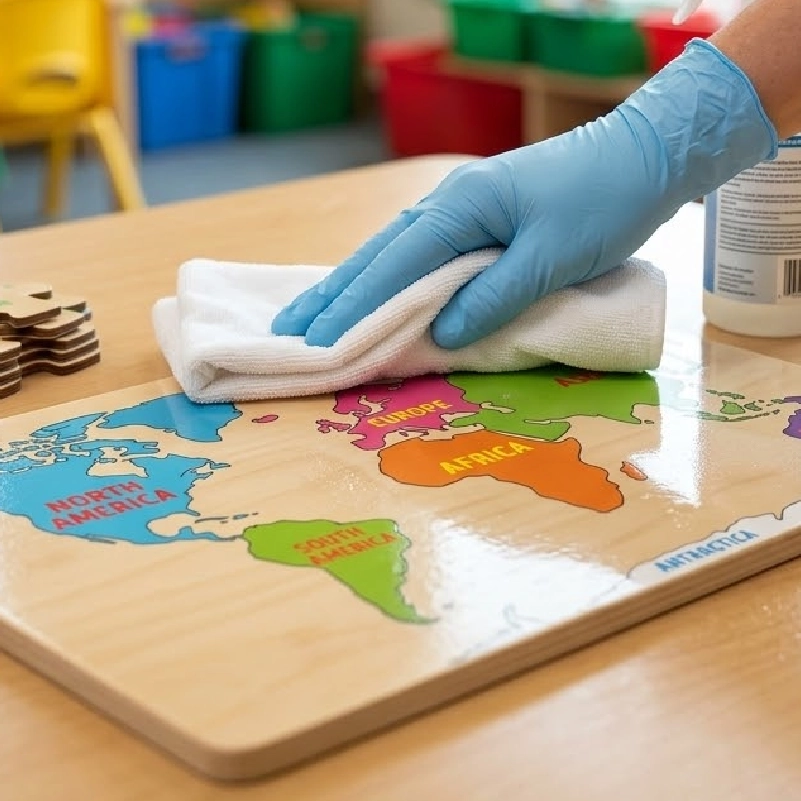
Protective coatings help maintain the puzzle surface during frequent classroom cleaning.
Choosing Preschool Puzzles by Age Group
Children’s puzzle abilities develop rapidly during the preschool years. Selecting puzzles that match each stage helps maintain engagement while gradually strengthening coordination, recognition, and problem-solving skills.
12–24 Months
At this stage, children are beginning to explore simple matching activities and developing their basic grasping ability. Puzzles designed for this age group typically feature large pieces and easy-to-grab knobs that help toddlers pick up and place the pieces independently. Bright images and simple shapes also make it easier for young children to recognize familiar objects while building early hand-eye coordination.
- Knob puzzles
- Large shape puzzles
- Simple animal puzzles
2–3 Years
Toddlers begin recognizing matching relationships and controlling their hand movements more precisely. Puzzles with clear shapes and familiar images help children connect pieces with their positions while improving hand-eye coordination and supporting early vocabulary through recognizable objects.
- Peg puzzles
- Basic frame puzzles
- Shape sorting puzzles
3–4 Years
Children start understanding how multiple pieces form a complete picture. Puzzles with more pieces encourage observation and experimentation, strengthening spatial awareness, logical sequencing, and independent problem-solving.
- Frame puzzles
- Layer puzzles
- Simple jigsaw puzzles
4–6 Years
More complex puzzles introduce greater challenge and require sustained attention. Detailed images and increased piece counts help develop cognitive reasoning, early STEM thinking, and longer focus during problem-solving tasks.
- Jigsaw puzzles
- Multi-layer puzzles
- 3D puzzles
Versatile Educational Solutions for Every Setting
Early Childhood Education Centers
Special Education & Therapy Clinics
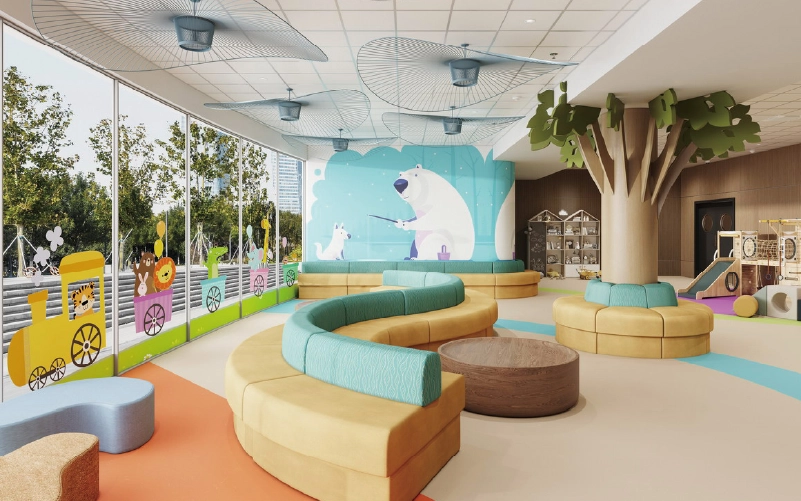
Commercial Waiting Rooms & Play Areas
Premium Toy Retailers & Distributors
คำถามที่พบบ่อย
Do your educational puzzles meet international toy safety standards?
Absolutely. Safety is our ultimate priority. All of our commercial-grade puzzles are rigorously tested to comply with major global safety standards, including ASTM F963 (US), EN71 (Europe), and CPSIA. We exclusively use 100% non-toxic, water-based paints, soy-based inks, and splinter-free materials.
Can I request a physical sample before placing a large bulk order?
Yes, we highly encourage testing our quality firsthand. We provide stock samples for quality evaluation. For custom designs, we can produce a pre-production sample (PPS) for your final approval before mass manufacturing begins. In most cases, the sample fee is fully refundable once your bulk order is confirmed.
What is your standard production lead time for B2B orders?
For standard wholesale items, orders can typically be processed and readied for shipment within 15 to 20 days. For custom OEM orders or highly complex designs, the production lead time is generally 30 to 45 days after the final sample is approved. We will provide a precise timeline along with your quotation.
How should preschool puzzles be cleaned and maintained?
Most wooden puzzles can be cleaned with a soft cloth or mild disinfectant suitable for classroom use. Keeping puzzles dry and storing them properly helps extend their lifespan.
What is a good age to start puzzles?
Children can begin exploring simple puzzles as early as 12 months old. At this stage, puzzles with large pieces and easy-to-grasp knobs help toddlers practice basic grasping and hand-eye coordination.