
Incorporating the 5 C’s into your preschool classroom design requires a strategic transformation of the physical environment into distinct, functional zones. In practical terms, that means setting up a clear meeting space for communication, building in small group work zones for collaboration, adding inquiry-friendly materials and surfaces for critical thinking, protecting open-ended areas for creative thinking, and using child-sized storage and routines that support character.
In the philosophy of Reggio Emilia, the environment is the “third teacher.” Yet, many modern classrooms still rely on rigid, teacher-centered designs that inadvertently suppress the very skills educators aim to cultivate. A child cannot learn to collaborate effectively in a room designed solely for isolation, nor can they develop resilience (Character) in a space that removes all opportunities for independent problem-solving.
This guide moves beyond theory to offer practical design strategies. Whether you are building a new facility or refreshing a single classroom, we will explore how intentional choices in furniture, layout, and zoning can turn your environment into a powerful catalyst for the skills that matter most.
What Are the 5 C’s in Early Learning?
The 5 C’s in early learning refer to five key competencies that support children’s overall development: Communication, Collaboration, Critical Thinking, Creative Thinking, and Character. These skills are not academic subjects. Instead, they describe how children interact with others, explore ideas, solve problems, express themselves, and develop a sense of responsibility.
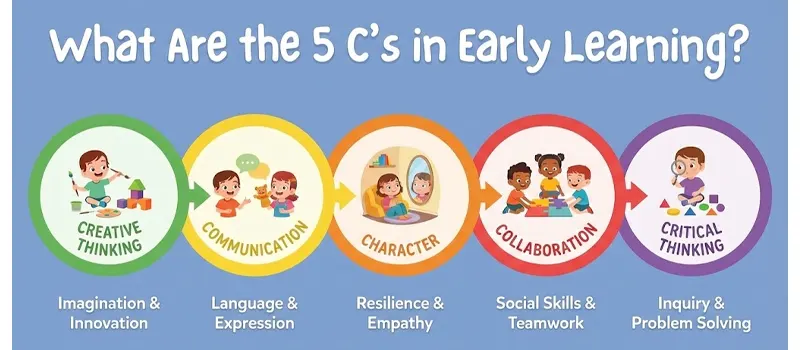
- Communication is the ability to express thoughts, feelings, and ideas clearly while also listening and responding to others. It forms the foundation of social interaction and learning.
- Collaboration involves working with peers, sharing materials, taking turns, and contributing to group goals. It helps children understand teamwork and respect for others.
- Critical Thinking refers to observing, questioning, comparing, and solving problems. It develops when children explore materials, test ideas, and think about cause and effect.
- Creative Thinking is the ability to imagine, experiment, and produce original ideas. It goes beyond art activities and includes flexible thinking and innovative problem-solving.
- Character relates to responsibility, empathy, self-regulation, and respect within a community. It grows as children learn to care for materials, follow routines, and understand how their actions affect others.
Understanding the 5 C’s provides a clear framework for designing classrooms. When learning spaces are aligned with these competencies, the environment itself becomes a tool that supports communication, teamwork, thinking, creativity, and positive behavior every day.
Creative Thinking: Inspiring Imagination and Innovation
Creative thinking in early learning is not limited to art activities or craft projects. It refers to a child’s ability to imagine possibilities, experiment with ideas, and approach problems in flexible, original ways. When the environment allows choice, exploration, and open-ended use of materials, creative thinking becomes part of daily learning rather than a scheduled activity.
1. Create Open-Ended Creative Zones
Designate areas where there is no single “right” outcome. Art studios, maker spaces, and construction zones should allow children to start, pause, return, and change their ideas freely. Avoid overdecorating these spaces so children’s own ideas remain the focus.
- Durable Furniture: Equip these zones with heavy-duty, stain-resistant tables and easy-to-clean vinyl flooring. When the environment can handle paint spills or water play, children feel free to fully immerse themselves in the creative process.
- Flexible Work Surfaces: Provide tables, floor mats, and standing easels that support different ways of working. Some children think best while standing, others while sitting on the floor. Multiple surface options invite experimentation and creative movement.
- Freedom of Movement: Ensure there is ample open floor space. Creative thinking isn’t sedentary; it often requires building structures or acting out scenarios. Furniture in this zone should be lightweight or on casters, allowing students to push tables aside to create a blank canvas for their imagination.

2. Use Open-Ended Materials
Loose parts such as blocks, fabric pieces, magnetic tiles, natural objects, and recycled materials encourage children to invent their own uses. Store these materials in open, clearly visible containers so children can make independent choices.
Design the storage layout to encourage sorting and classifying. When a child knows exactly where to find materials for their invention—and where to put them back—they gain the autonomy required for independent creative work.
3. Include Spaces for Dramatic Play
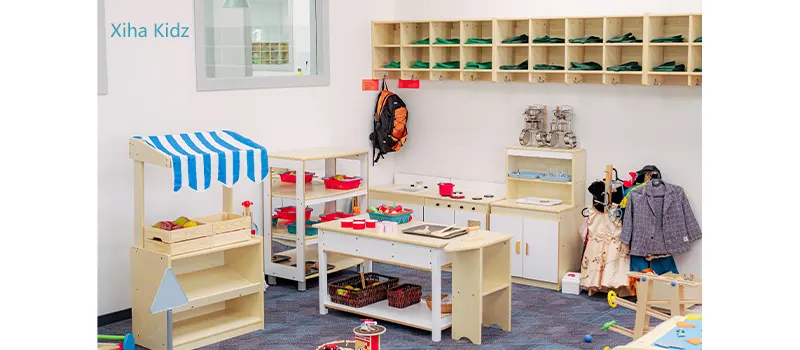
Role-play areas with simple props, costumes, and small-scale furniture support imaginative thinking and narrative development. These spaces allow children to explore real-world roles and create original storylines.
Dramatic play supports creative thinking because children transform objects, roles, and situations into imagined realities. A chair can become a bus, a block can become food, and a simple prop can inspire an entire storyline. This symbolic transformation is a key foundation of flexible and innovative thinking.
4. Displaying the Process
Standard classrooms often only display “perfect” final products. To teach Creative Thinking, the room must value the journey over the destination. This approach teaches children that ideas evolve, mistakes are part of learning, and improvement comes through revision.
- Process Walls: Dedicate wall space specifically for “Works in Progress.” Use cork strips, magnetic boards, or clotheslines at eye level.
- Documentation Panels: Instead of just hanging a painting, provide space to display the sketches, prototypes, and even the failed attempts that led to the final result. This visual evidence teaches children that creativity is an iterative process of trial and error, not instant perfection.
Communication: Enhancing Language and Expression
The way a space is arranged determines how often children speak, listen, negotiate, and share ideas throughout the day. Designing for communication means shaping the environment so children naturally face one another, gather in small groups, use visual tools to express ideas, and engage in conversations during play and learning.
1. Face-to-Face Interaction Zones
Traditional “row-and-column” seating arrangements are designed for listening to a teacher, not for communicating with peers. A clearly defined meeting area signals that conversation matters. Carpeted circle spaces, soft seating clusters, or semi-circle arrangements encourage children to see each other’s faces, which supports turn-taking, eye contact, and active listening.
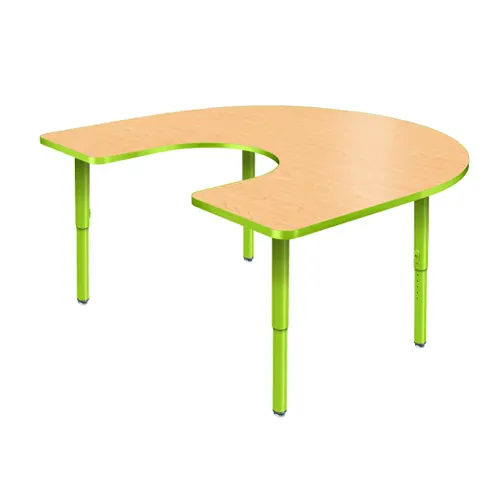
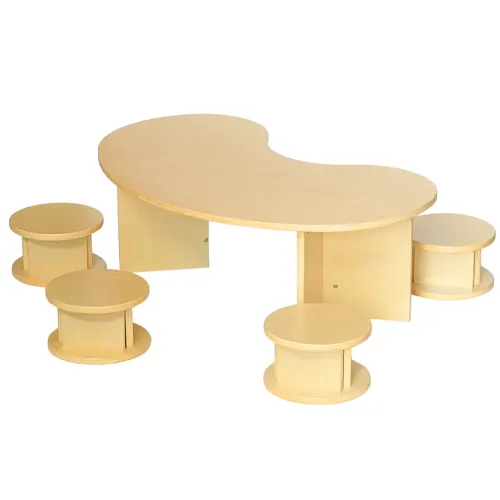

- The Power of Curved Tables: Replace individual desks with kidney-shaped (horseshoe) or round tables. These shapes naturally orient children toward one another, making conversation inevitable and comfortable.
- Acoustic Management: Effective communication requires a soundscape where voices can be heard without shouting. Integrate sound-absorbing furniture, such as soft seating or acoustic dividers, to dampen background noise. This ensures that shy students feel safe speaking up and that listeners can focus on the speaker without distraction.
2. Create Spaces That Encourage Storytelling
Narrative ability refers to the ability to tell coherent stories, and it is fundamental to literacy. Classroom design should provide a practical platform for developing these abilities.
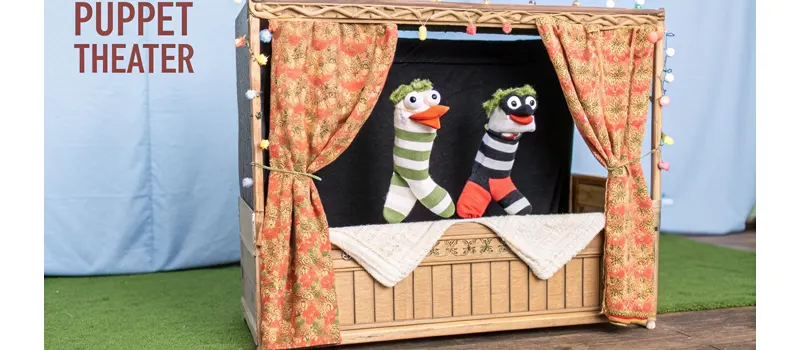
- Performance Areas: Even a small, low-profile riser or a rug defined by shelves can serve as a “stage.” When a child steps onto it, they psychologically shift into “performance mode,” which encourages clearer projection and structured storytelling.
- The Audience Zone: Don’t just design for the speaker; design for the listener. Place comfortable floor cushions or a small amphitheater-style bench facing the stage. This physical arrangement teaches the crucial communication skill of being a respectful and attentive audience member.
3. Provide Visual Communication Tools
Young children often communicate through drawings, symbols, and visual representations before they can fully express ideas with words. Classrooms should include:
- Low bulletin boards for children’s work
- Message centers with paper, clipboards, and markers
- Emotion charts that help children name feelings
- Labelled shelves with pictures and words
These elements support both verbal and non-verbal expression, strengthening overall communication skills.
Character: Building Resilience and Emotional Intelligence
Character development in early childhood is centered on resilience, self-regulation, and the confidence to navigate social complexities. A well-designed classroom acts as an external scaffold for these internal skills, providing safe harbors for big emotions and opportunities for autonomy.
1. Use the Environment to Build Responsibility
Character is built through competence. When children can independently manage materials and personal belongings, they begin to understand ownership and accountability.
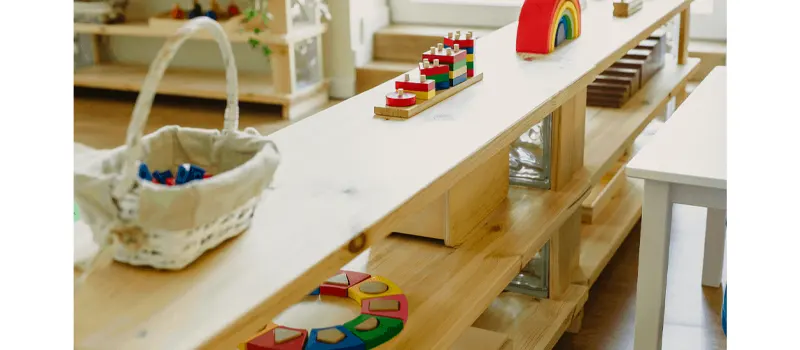
- Child-Center Design: Ensure that all essential resources—from hand-washing sinks to coat hooks—are at the child’s height. If a child has to ask a teacher to get a toy or hang up their bag, they are dependent. If they can do it themselves, they are empowered.
- Open and Low Shelving: Use low, open shelves for toys and supplies. This design choice shifts the responsibility of maintenance to the child. It communicates the expectation: “This is your space, and you are capable of choosing your work and returning it to its place.” This daily practice cultivates responsibility and ownership.
2. Emotional Regulation Zones: The “Calming Corner”
Children need a dedicated space to process overwhelming emotions. This is not a “time-out” corner for punishment, but a “time-in” sanctuary for self-regulation.
- Sensory Design: Designate a quiet, semi-private nook equipped with soft furnishings like bean bags, plush rugs, or a small tent. The goal is to reduce sensory input (noise, bright lights) to help a dysregulated child return to a state of calm.
- Tools for Coping: Equip this area with a “Calming Kit” containing sensory bottles, stress balls, or emotion-identification charts. Having these tools within arm’s reach empowers children to recognize their feelings and actively take steps to soothe themselves, fostering long-term emotional resilience.
3. Mirrors and Identity
Mirrors are often underutilized in classroom design, yet they play a critical role in the formation of self-concept and empathy.
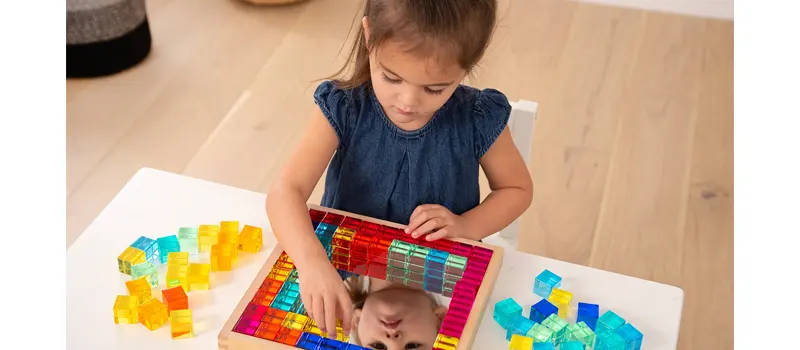
- Emotional Recognition: Place unbreakable, child-safe mirrors at eye level in the dramatic play area or near the changing station. Seeing their own reflection helps children connect their internal feelings with their external expressions (“This is what my face looks like when I am happy/sad”).
- Perspective Taking: Mirrors placed in corners offer new perspectives of the room. This simple addition encourages children to observe themselves and others from different angles, subtly supporting the cognitive development of self-awareness.
4. Create Opportunities for Meaningful Roles
Character is strengthened when children actively contribute to the well-being of their community. The classroom design should elevate these roles from simple “chores” to valued contributions.
- The “Helper Station”: Instead of hiding cleaning supplies in a locked closet, create a designated “Helper Station” with child-sized brooms, dustpans, and table wipers on low hooks. When a child can independently access the tools needed to be the “Floor Sweeper” or “Table Washer,” they internalize the character trait of stewardship.
- Visual Job Boards: Dedicate a specific wall space for a dynamic Job Board. Use photos or symbols attached with Velcro to show who holds which responsibility (e.g., Line Leader, Plant Caretaker). This visual permanence reminds children daily that their role matters and is essential to the classroom’s functioning.
Collaboration: Cultivating Social Skills and Teamwork
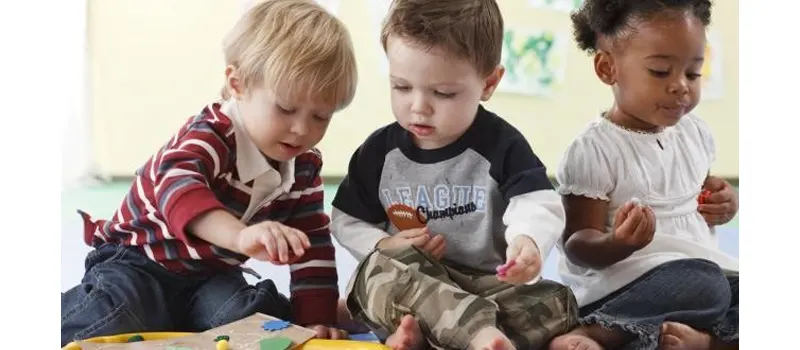
Collaboration is the ability to work harmoniously with others to achieve a shared goal. When furniture layout, learning zones, and material access are planned with teamwork in mind, children naturally practice negotiation, turn-taking, and joint problem-solving throughout the day.
1. Shared Workspaces
Large surfaces for building, art projects, puzzles, and STEM activities encourage children to work side by side toward a common goal. Construction areas, maker tables, and project stations should be spacious enough for multiple children to participate without crowding.
- Group Work: Move away from individual desks. Utilize large rectangular tables or cluster trapezoidal tables to form hexagonal groups. This arrangement ensures that every child has a “neighbor” to turn to for help or discussion, facilitating natural peer tutoring without the teacher’s constant intervention.
- Vertical Collaboration Surfaces: Don’t limit group work to sitting down. Install large, vertical whiteboards or chalkboard walls. These vertical surfaces allow multiple children to stand side-by-side, drawing and brainstorming together. This standing posture is often more dynamic and energizing for collaborative problem-solving than sitting.
2. A Signal for Connection
Inclusion is a prerequisite for true collaboration. Children need tangible signals that help them navigate social entry points. Install a designated “Buddy Bench” or a specific colorful seat in the playground or a quiet corner. Teach the class that sitting here signals, “I want to play, but I don’t know how to join in.”
3. Use Centralized Materials Instead of Individual Sets
Providing one shared set of materials rather than separate kits encourages negotiation and planning. Children must discuss who uses what, when, and how. This design approach shifts the focus from “my work” to “our project,” reinforcing collaborative thinking.
Critical Thinking: Encouraging Inquiry and Problem Solving
Critical thinking in early childhood isn’t about sitting at a desk solving logic puzzles; it’s about active investigation. The classroom design must act as a catalyst for curiosity, prompting children to question, test, and verify their understanding of the world.
1. Furniture for Observation and Inquiry


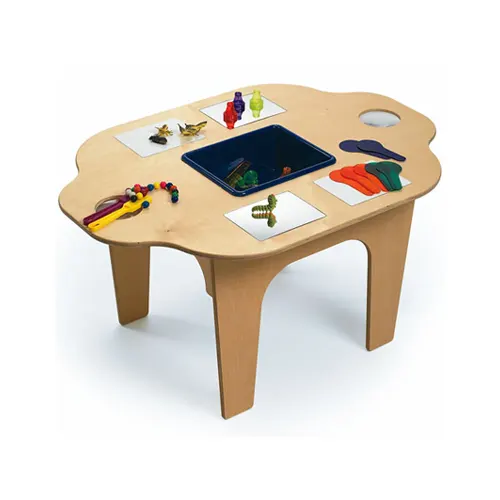
- Light Tables: Incorporate light tables as a central feature of your discovery zone. The backlighting draws children in and allows them to examine transparency, patterns, and details of natural objects (like leaves or X-rays) that aren’t visible on a regular surface. This shift in perspective triggers the question: “What is inside this?”
- Sand and Water Tables: These sensory stations allow children to experiment with floating and sinking, pouring, measuring, and volume. Hands-on testing helps children understand cause and effect and connect physical actions with scientific concepts.
- Science Exploration Tables: Low, open work surfaces equipped with tools like magnifiers, scales, and measuring cups encourage sorting, comparing, and testing ideas. A dedicated space signals that investigation and questioning are part of everyday learning.
- Magnifier Stations: Fixed magnifying tools invite children to slow down and observe fine details in leaves, textures, insects, or classroom materials. Close observation strengthens attention, comparison skills, and curiosity.
- Nature Display Shelves: Low shelves used to present natural objects such as rocks, shells, and plants encourage repeated observation. When discoveries remain visible, children revisit them and develop new questions over time.
2. Create STEAM Stations
Design a dedicated STEAM (Science, Technology, Engineering, Arts, Math) area where tools such as magnifying glasses, scales, rulers, magnets, and measuring cups are stored in open, labeled containers. Easy access allows children to move quickly from curiosity to testing, turning questions into hands-on investigation. When children can measure, compare, mix, and build independently, they learn to test ideas, observe results, and adjust their thinking based on evidence.
3. Floor-Based Learning Spaces
For young children, much of their cognitive work happens on the ground. The floor is often the largest and most flexible work surface in the classroom, and it should be designed with the same intention as tables or workstations.
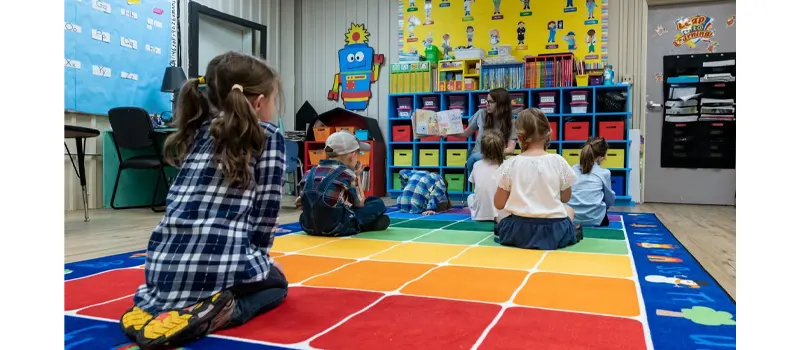
- Defined Cognitive Zones: Use large, low-pile rugs to define areas specifically for floor puzzles, sequencing cards, and block construction. A defined rug space helps children focus their attention on the task at hand, minimizing distractions from foot traffic.
- The “Bird’s-Eye View” Perspective: Working on the floor allows children to step back and observe their creations from above. This top-down perspective supports spatial reasoning, planning, and structural problem solving. When children can move around their work and see it from different angles, they develop a deeper understanding of scale, layout, and design relationships.
4. Include Spaces for Observation and Reflection
Add clipboards, drawing paper, and quiet corners near investigation areas so children can record findings, sketch observations, or think before trying again. Reflection spaces slow the process down, helping children organize their thinking.
FAQ
How can I apply the 5 C’s without redesigning the entire classroom?
You do not need a full renovation. Small adjustments such as rearranging tables for group work, adding a defined meeting area, introducing open shelving, or creating a calm corner can immediately support communication, collaboration, and emotional regulation.
What type of furniture best supports the 5 C’s framework?
Flexible, child-accessible furniture makes the biggest difference. Group tables encourage collaboration, light tables and science tables support inquiry, open shelving builds responsibility, and soft seating areas promote communication and reflection.
Can I incorporate the 5 C’s into a small classroom with limited space?
Absolutely. The 5 C’s are about function, not square footage. In smaller rooms, utilize vertical space (walls for “Communication” and “Creative Thinking” displays) and choose multi-functional furniture.
Won’t a collaborative, open layout lead to a noisy and chaotic classroom?
It is a common misconception that “collaborative” means “uncontrolled.” A well-designed 5 C’s classroom actually reduces chaos through “zoning.” By placing active, noisy zones far away from quiet focus zones and using acoustic furniture to absorb sound, you create a balanced environment.
Conclusion
Redesigning a classroom is more than an aesthetic upgrade; it is a pedagogical strategy. As we have explored, the physical environment serves as the “third teacher,” silently guiding children’s behavior, interactions, and learning outcomes every single day.
By intentionally incorporating the 5 C’s into your floor plan, you transform your classroom from a static container into a dynamic catalyst for growth.
Start Small, But Start Intentional. You do not need to rebuild your entire classroom overnight to see results. Start with one corner. The goal is to look at every piece of furniture and every square foot of space and ask: “What skill is this space teaching?” When the answer aligns with the 5 C’s, you know you are building a foundation for lifelong well-being.


 French
  English
  Arabic
  Italian
  German
  Spanish
  Thai
Thai  Japanese