Montessori Materials Manufacturer and Supplier
As a professional Montessori materials manufacturer and supplier, we help preschools, distributors, and education projects source safe, durable, and classroom-ready Montessori materials. We support bulk orders, customized product sets, private label services, and complete Montessori classroom solutions.
- Factory Direct Supply - Wholesale Prices
- Safe and Certified Materials
- Custom Classroom Solutions
- Worldwide Shipping Support
Explore Our Wide Range of Montessori Materials
We are dedicated to providing precisely designed and durable Montessori teaching materials, helping schools and distributors simplify the procurement process and enhance classroom efficiency.
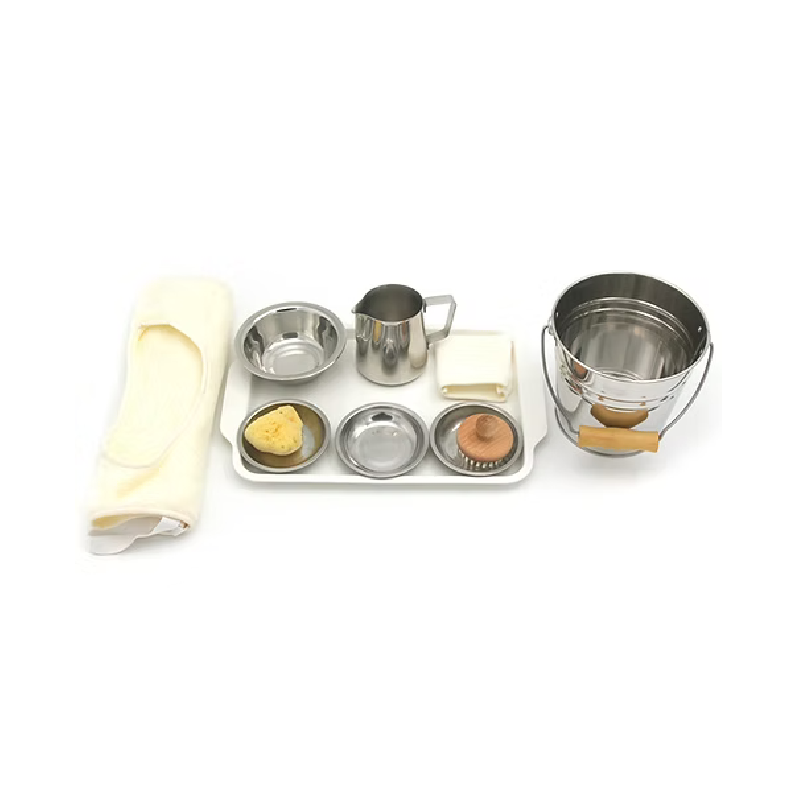
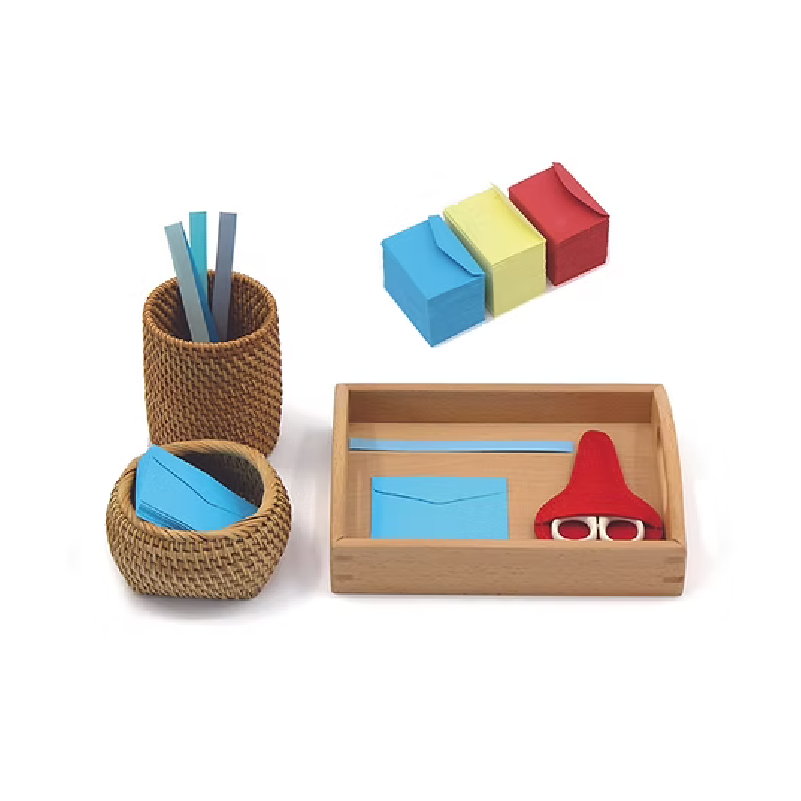
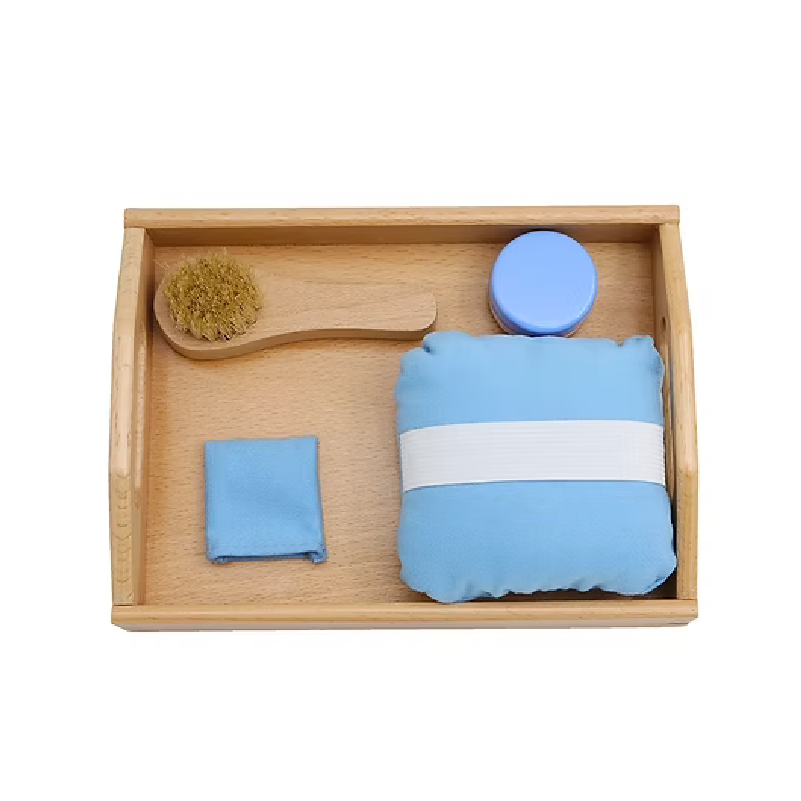
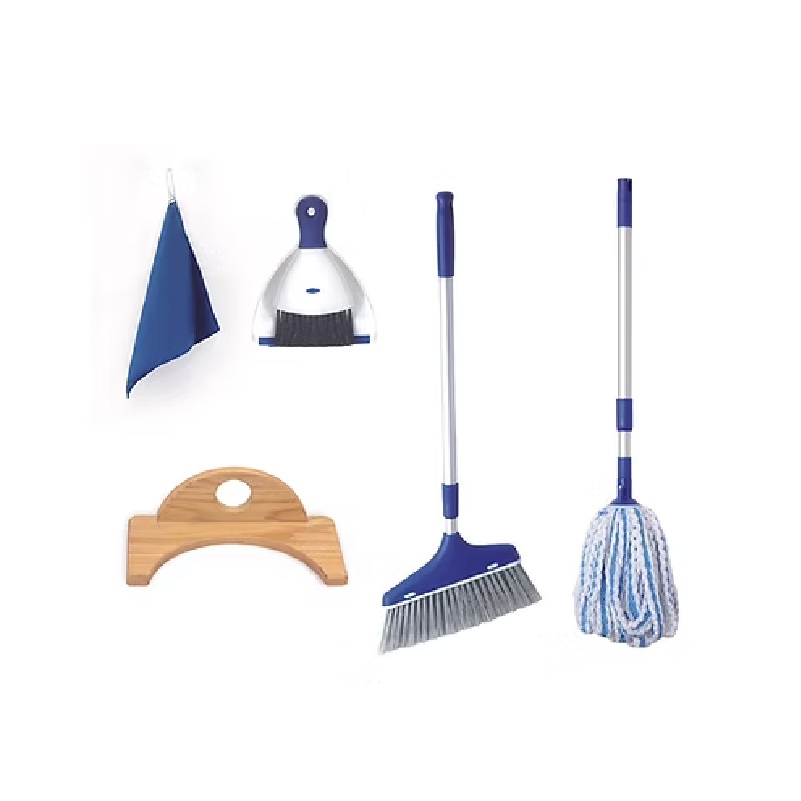
Montessori Practical Life Materials
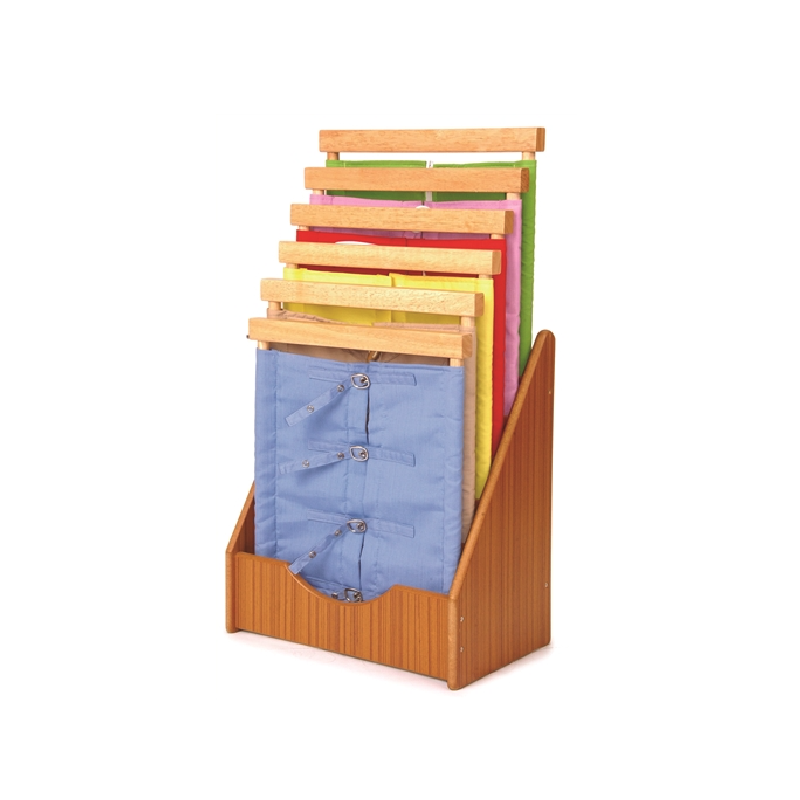
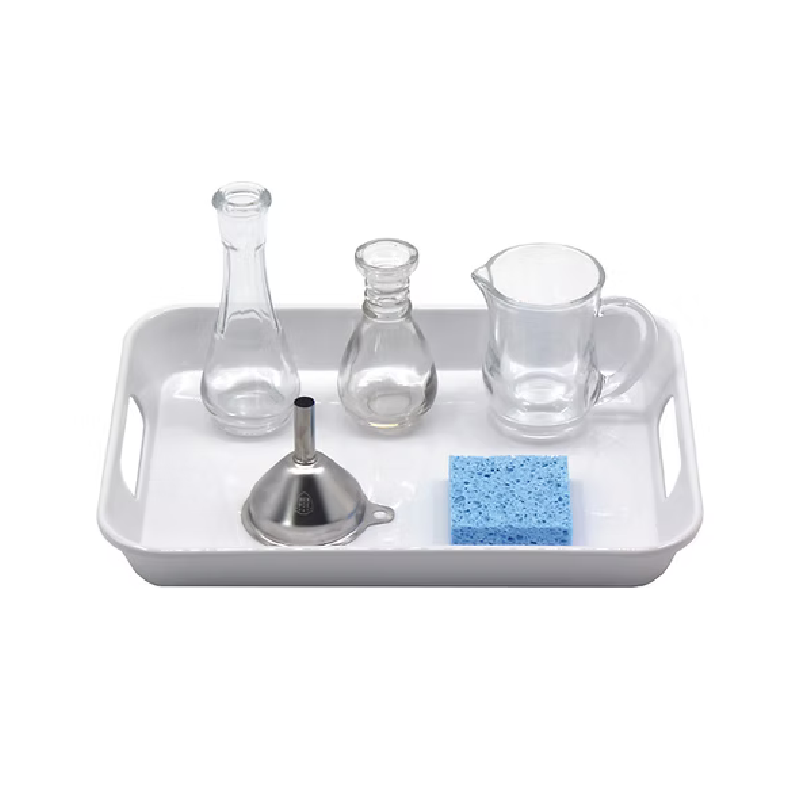
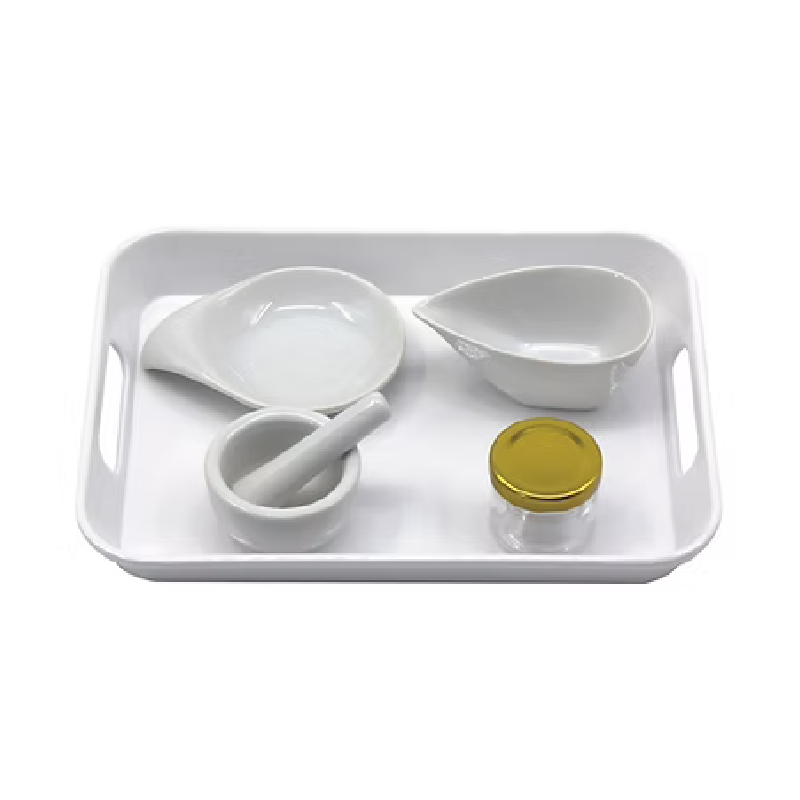
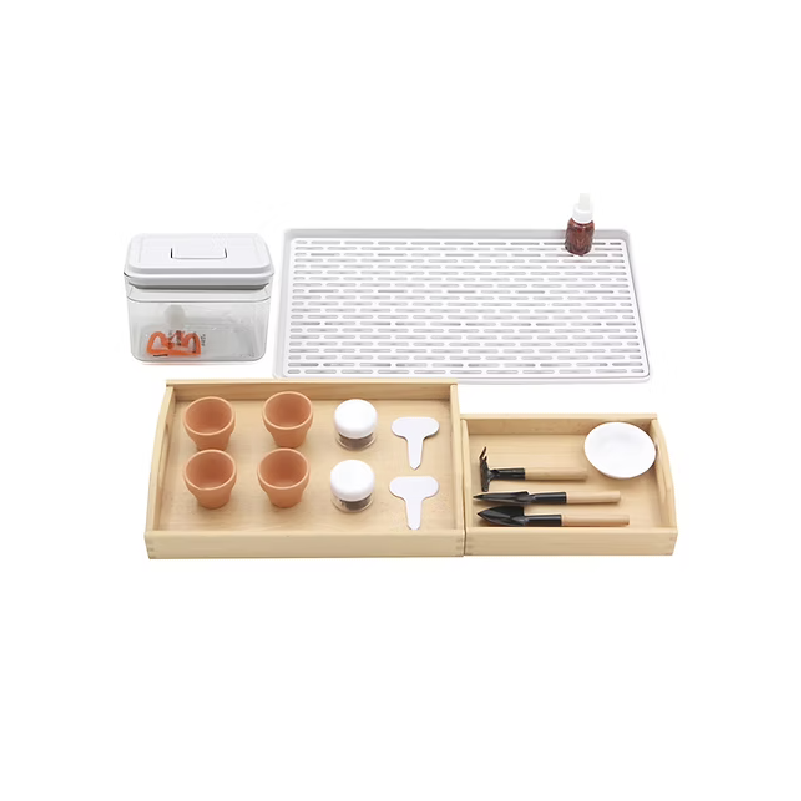
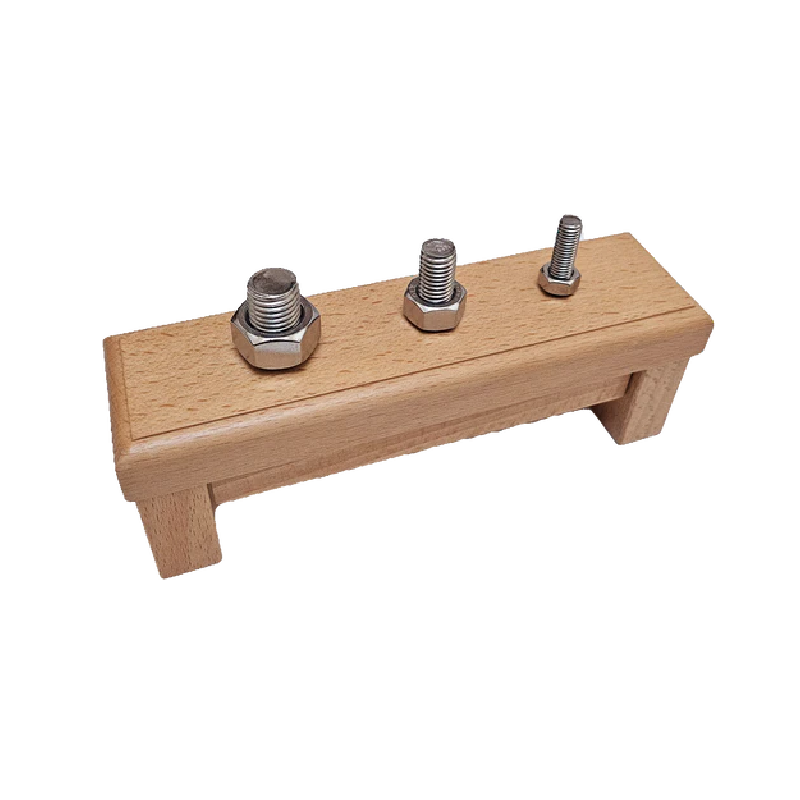
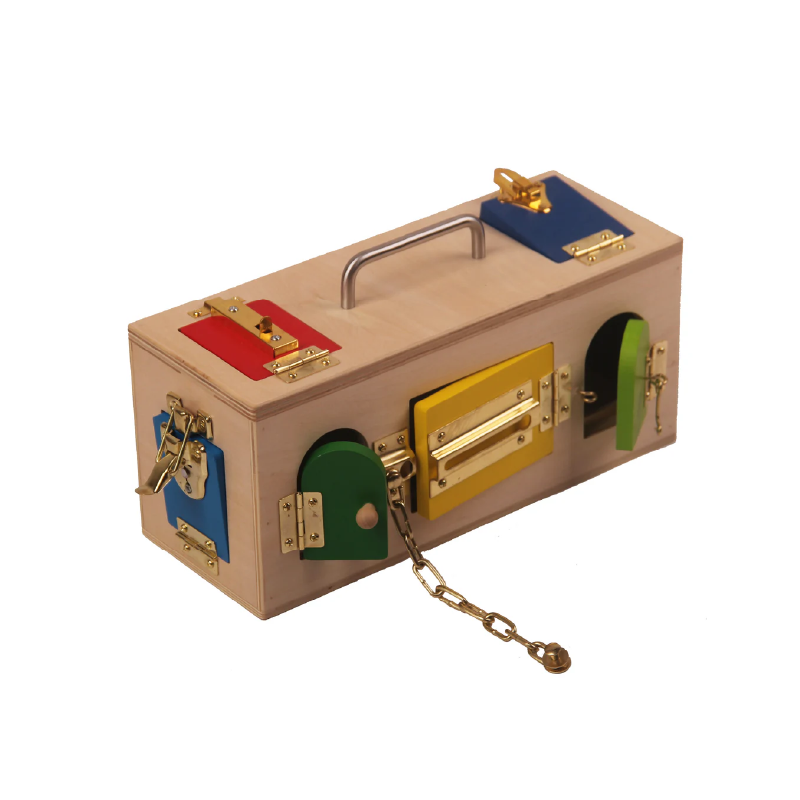
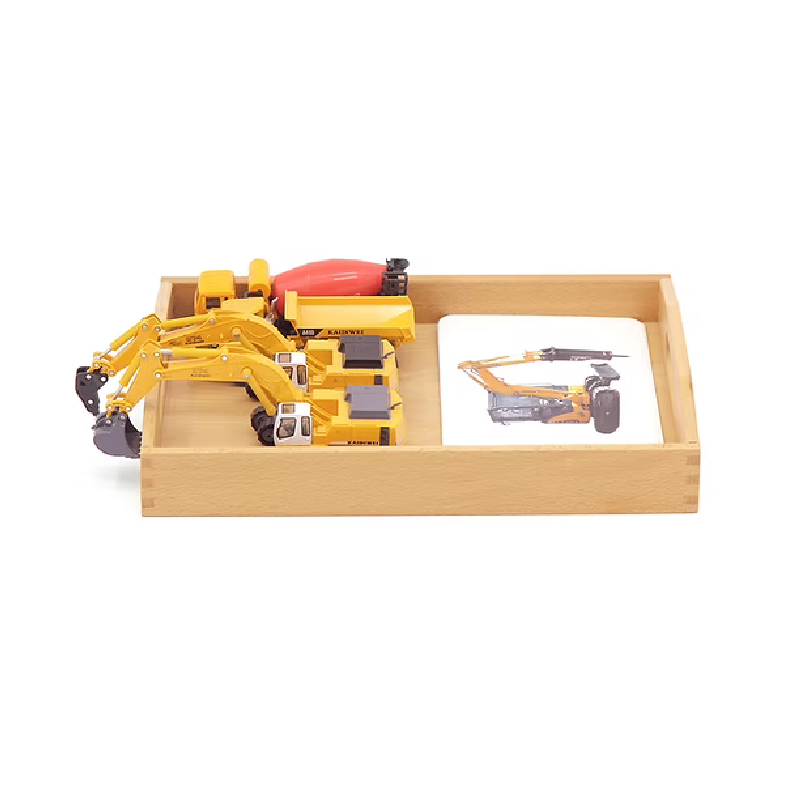
Practical Life materials are used frequently every day, so durability and safety matter most. We provide dressing frames, pouring sets, trays, and daily life tools made with smooth edges, stable structures, and child-safe finishes. The products are designed for repeated classroom use and help schools reduce replacement costs over time.
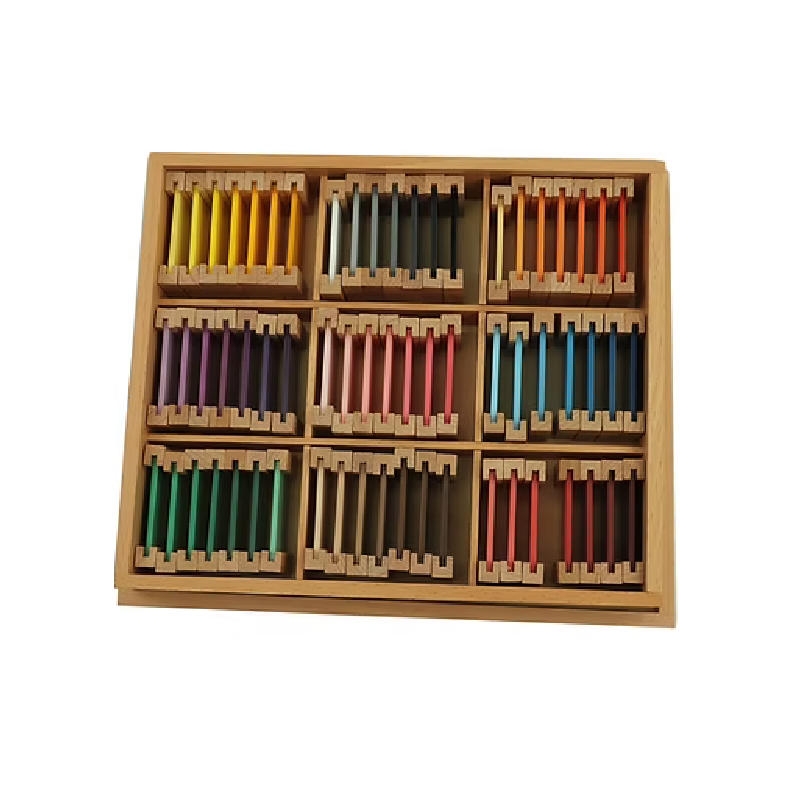
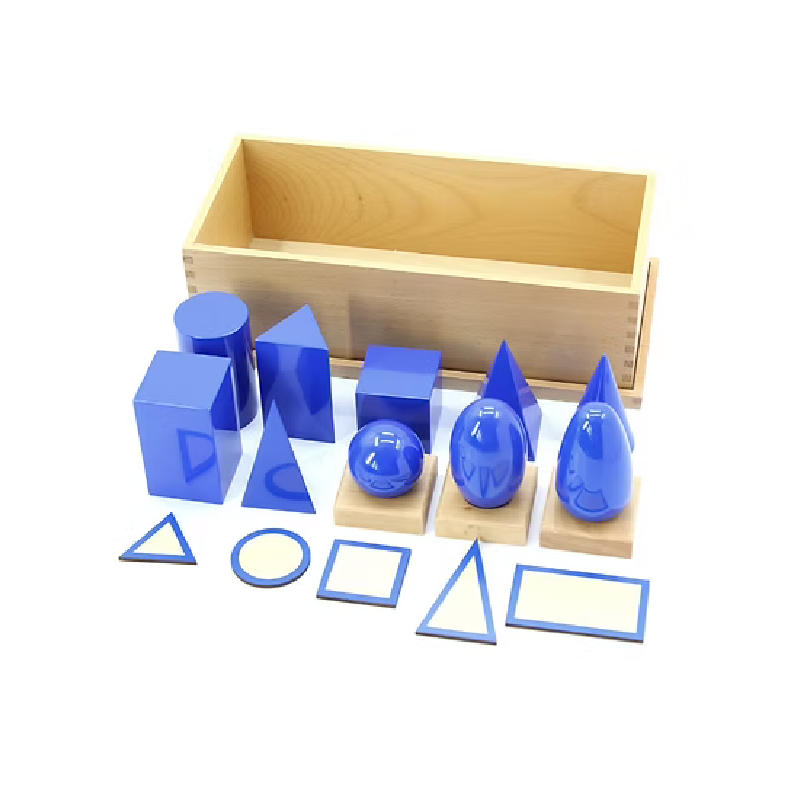
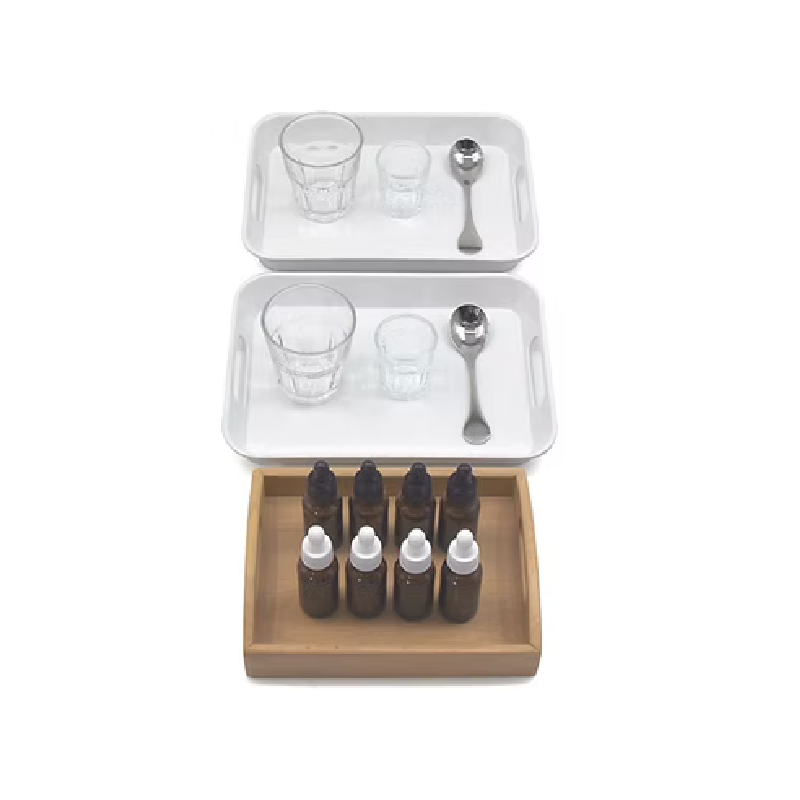
Montessori Sensorial Materials
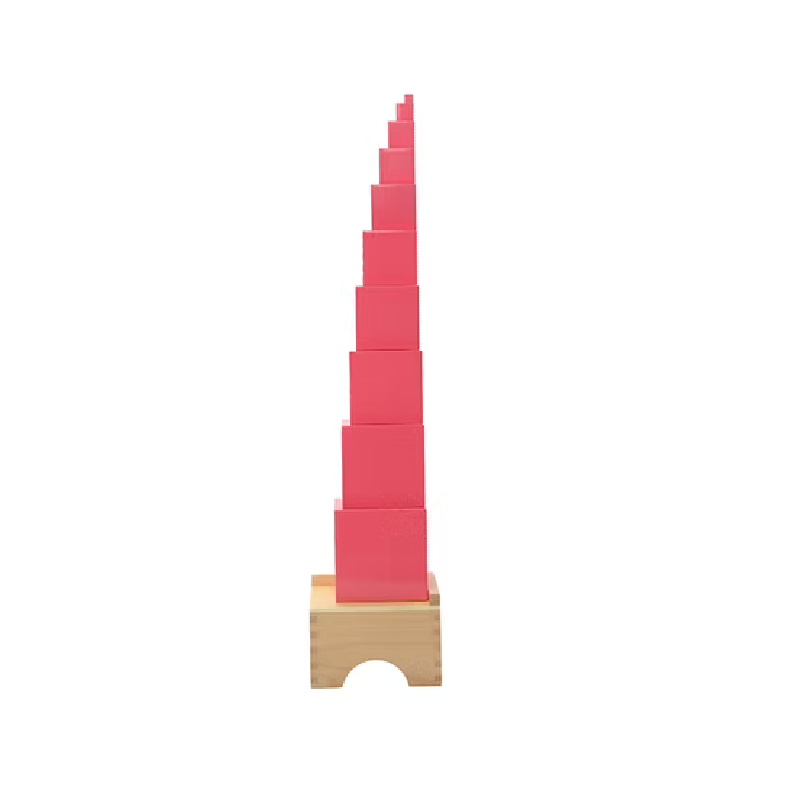
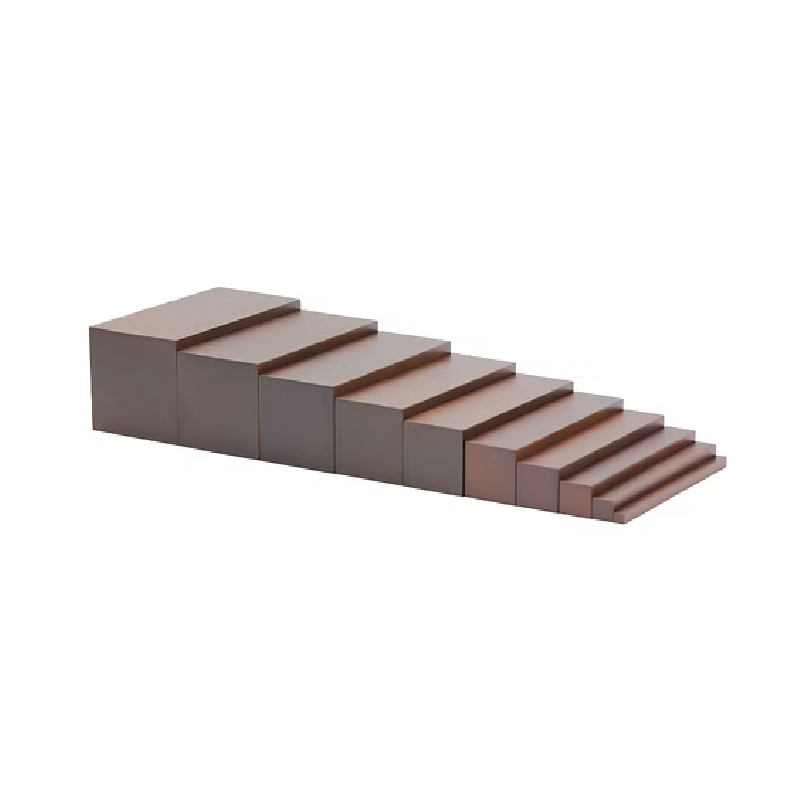
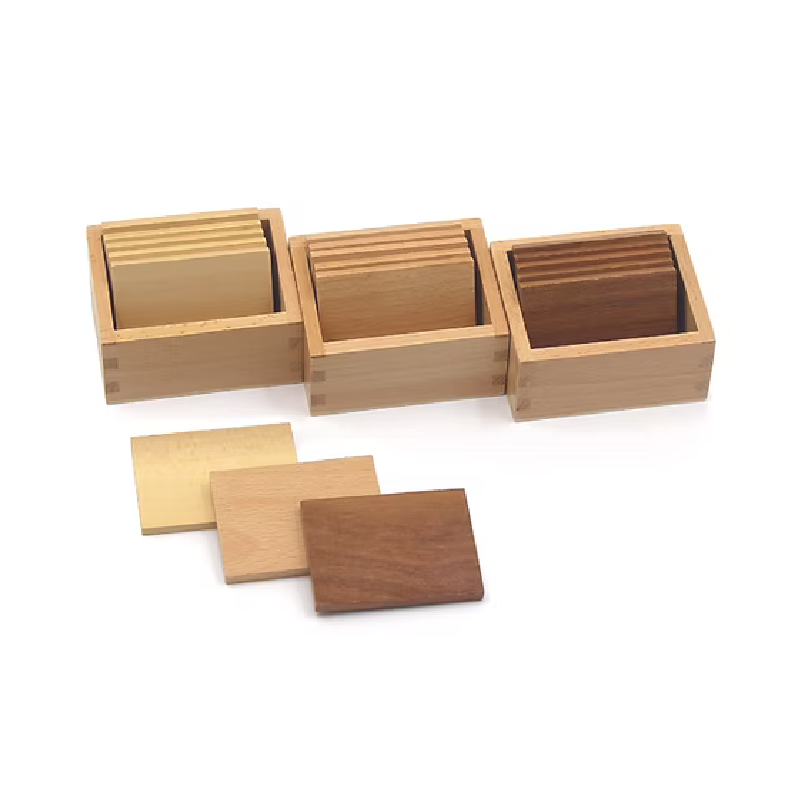
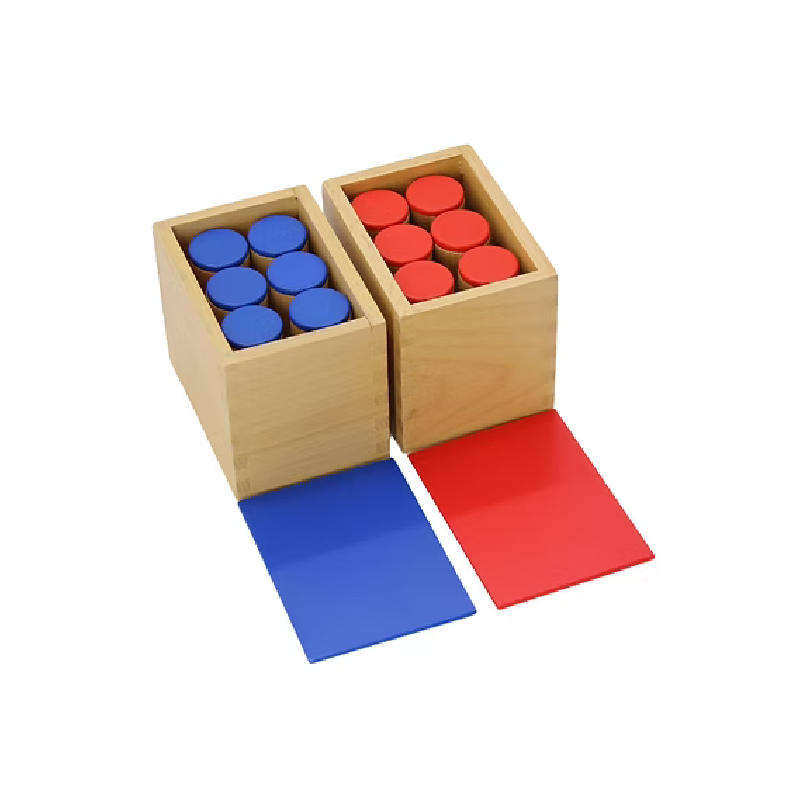
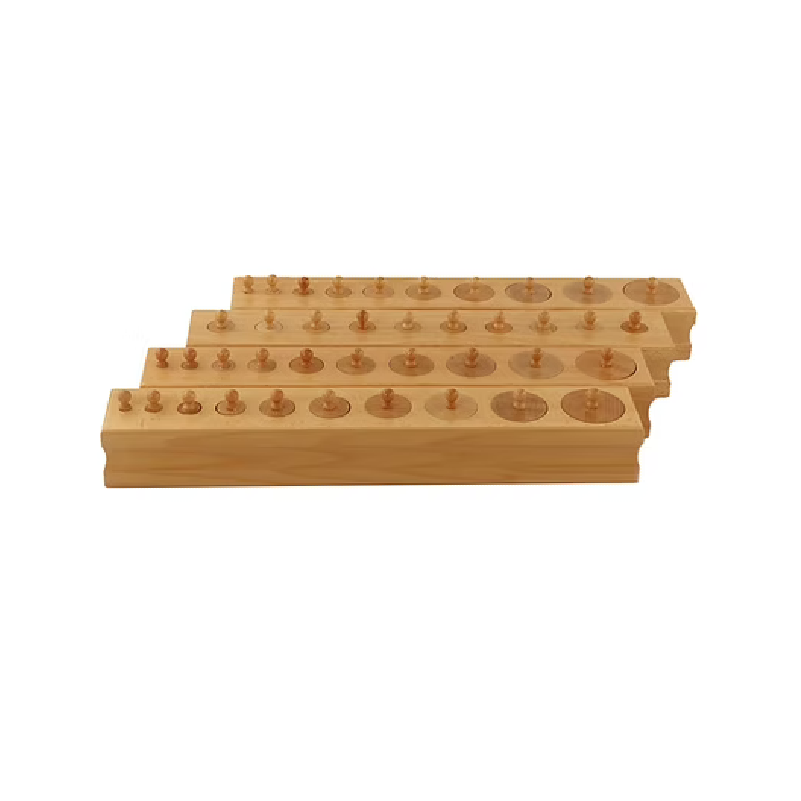
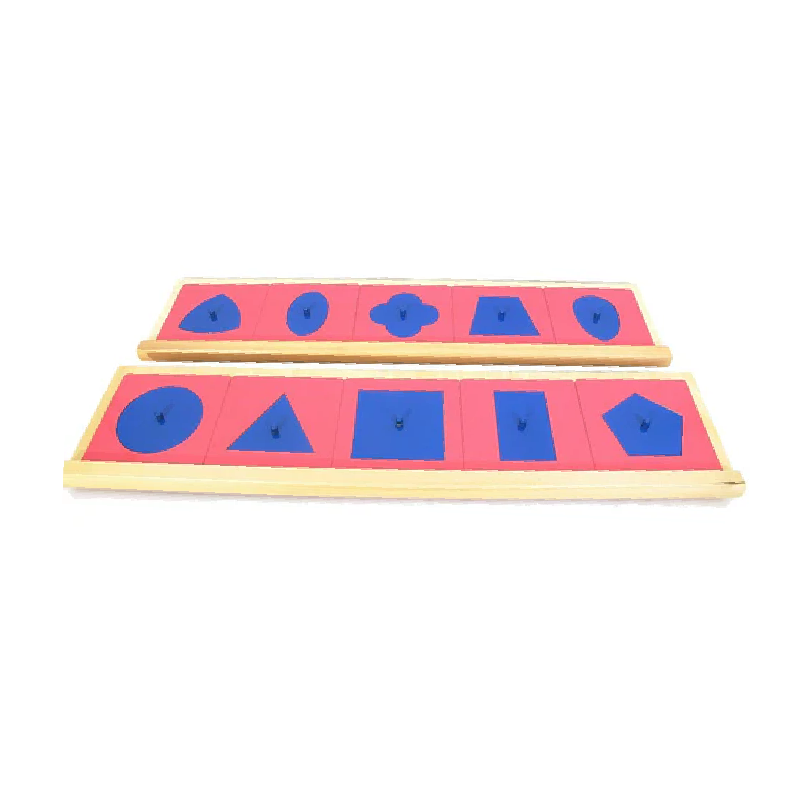
Sensorial materials depend heavily on precision. If the size, color, or shape is slightly wrong, the teaching value is affected. We pay close attention to dimensions, color matching, and surface finishing, so children can focus on comparing and exploring exactly as Montessori learning intends.
Montessori Math Materials
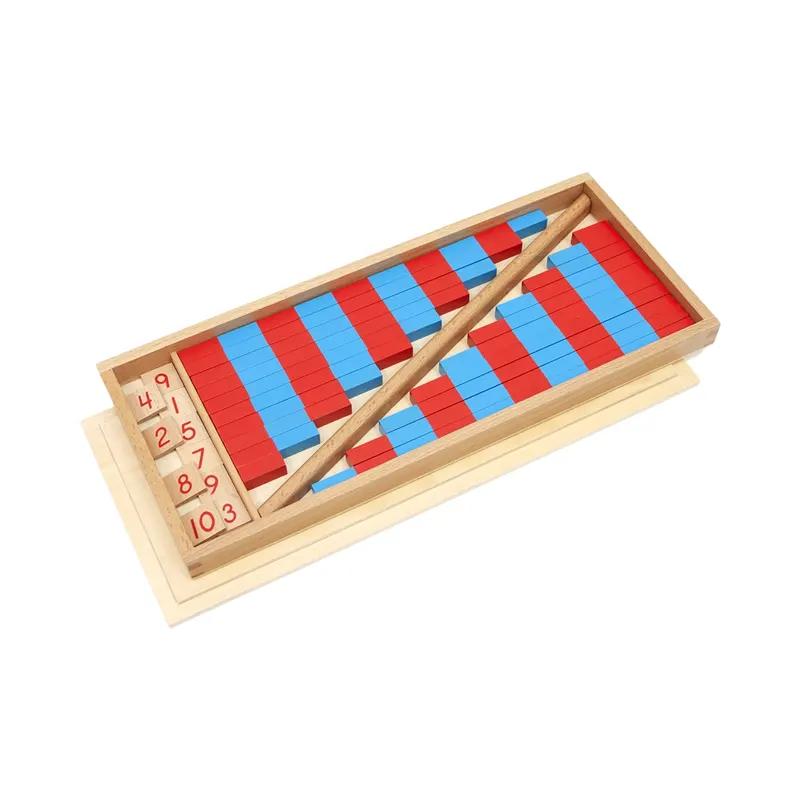
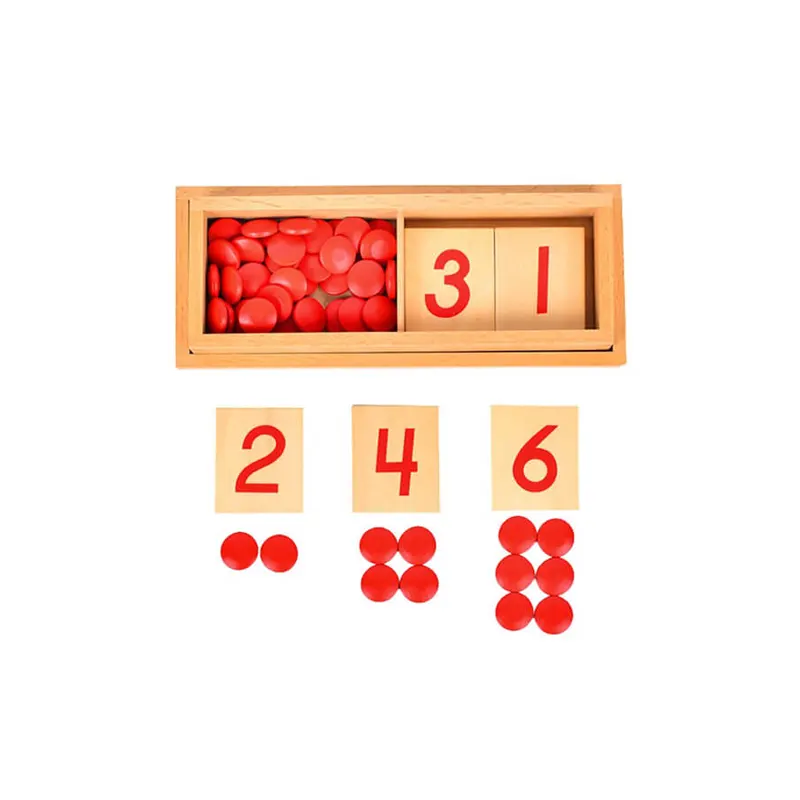
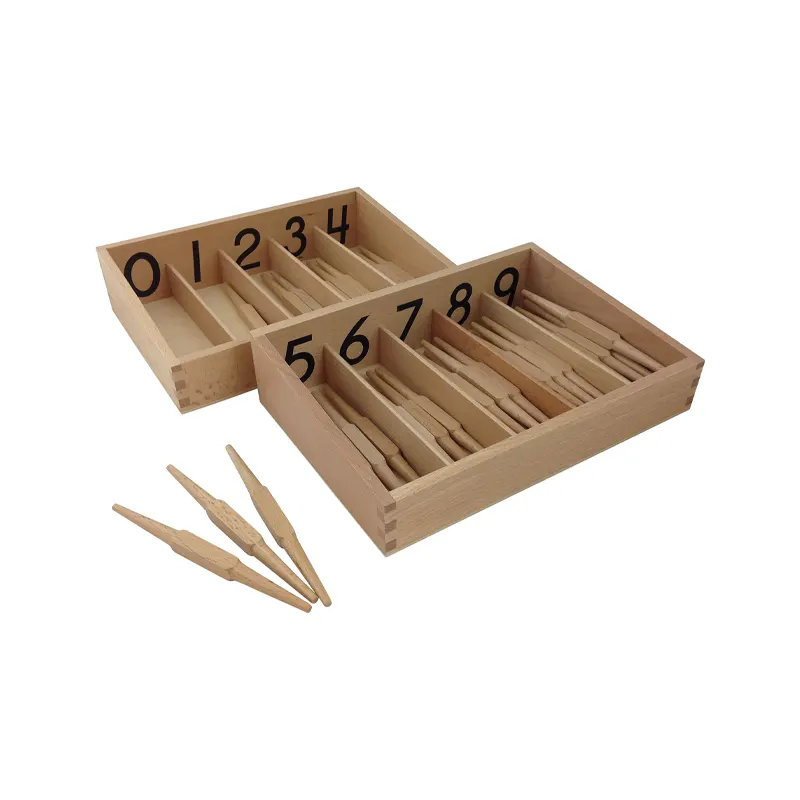
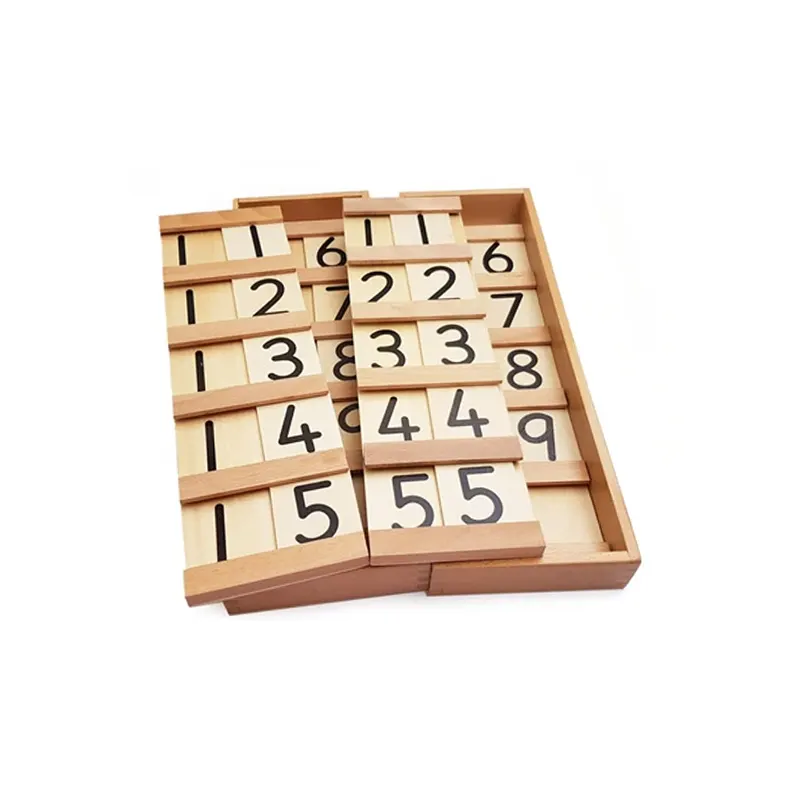
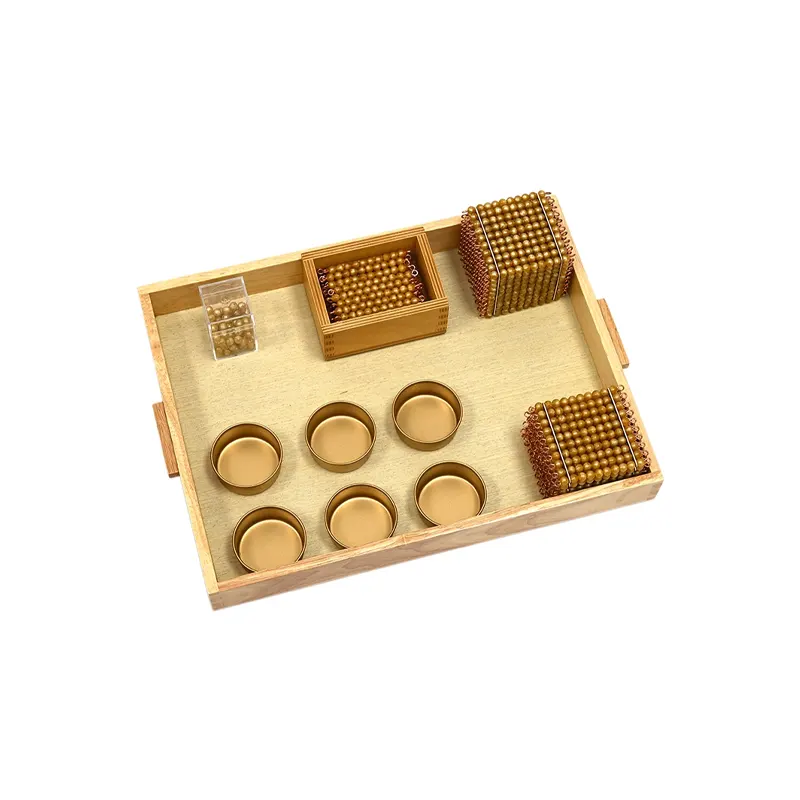
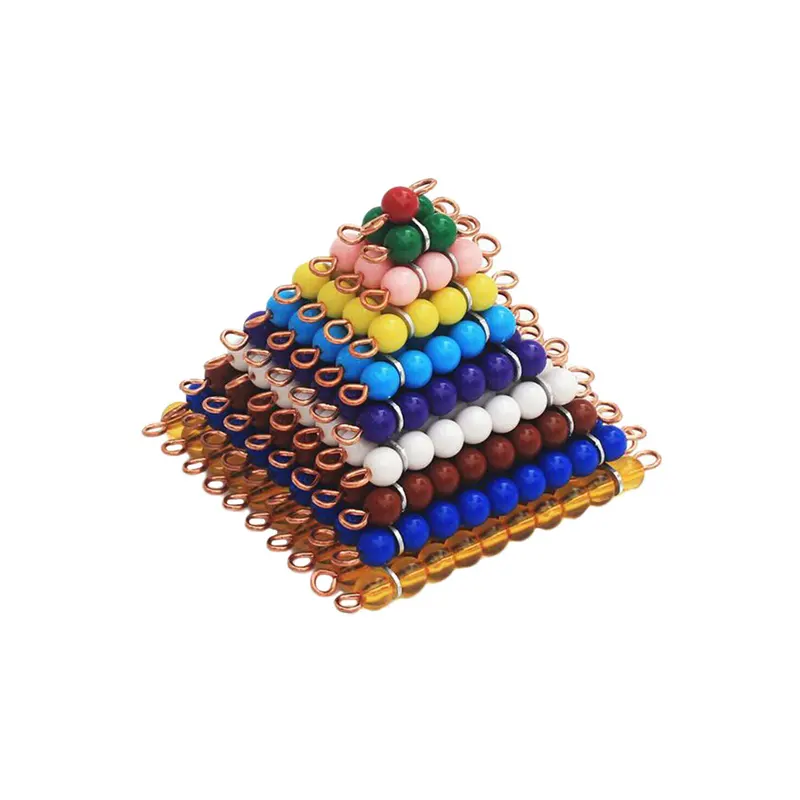
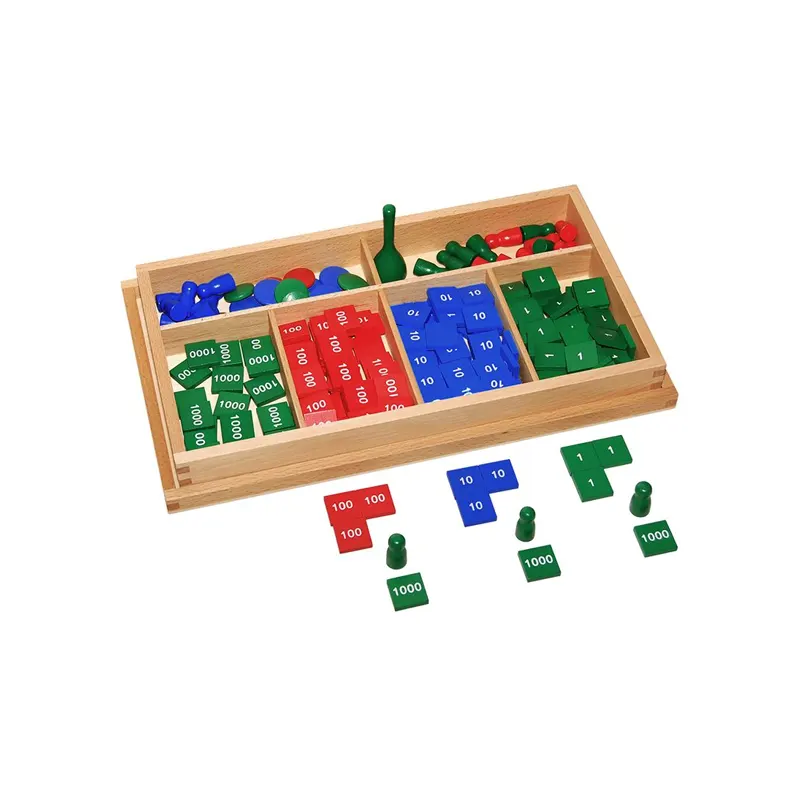
Math materials must be clear, durable, and easy for children to handle repeatedly. From number rods to bead materials and counting boards, we focus on dimensional accuracy, smooth touch, and strong structure. This helps teachers maintain better teaching consistency across daily lessons.
Montessori Language Materials
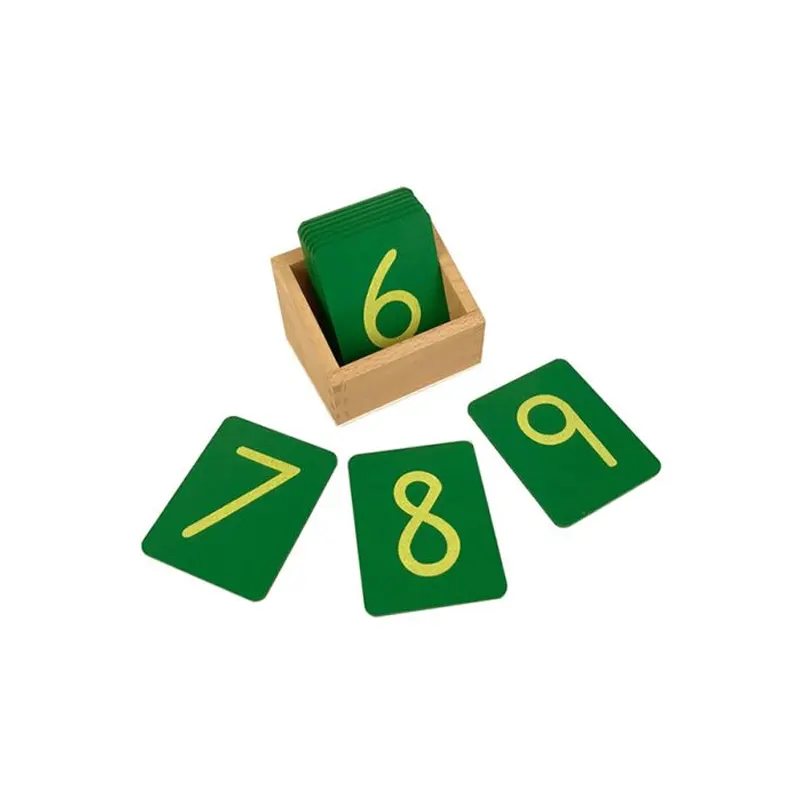
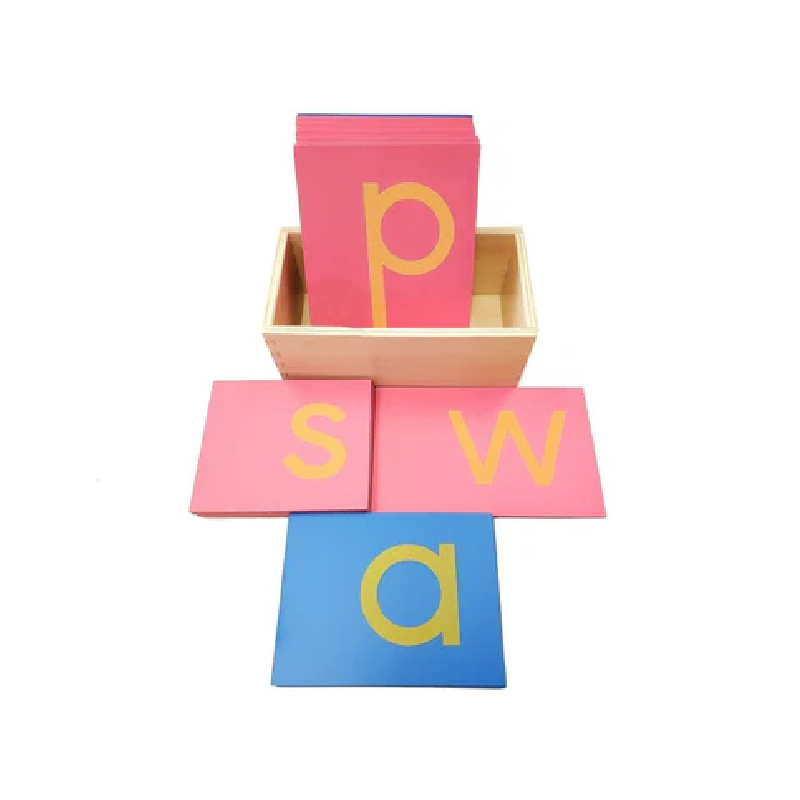
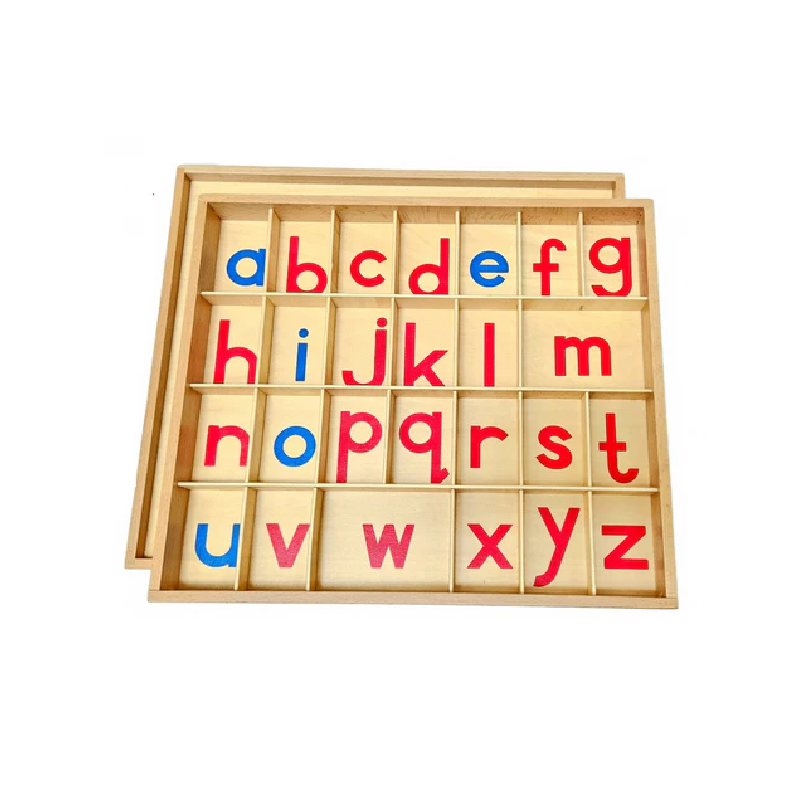
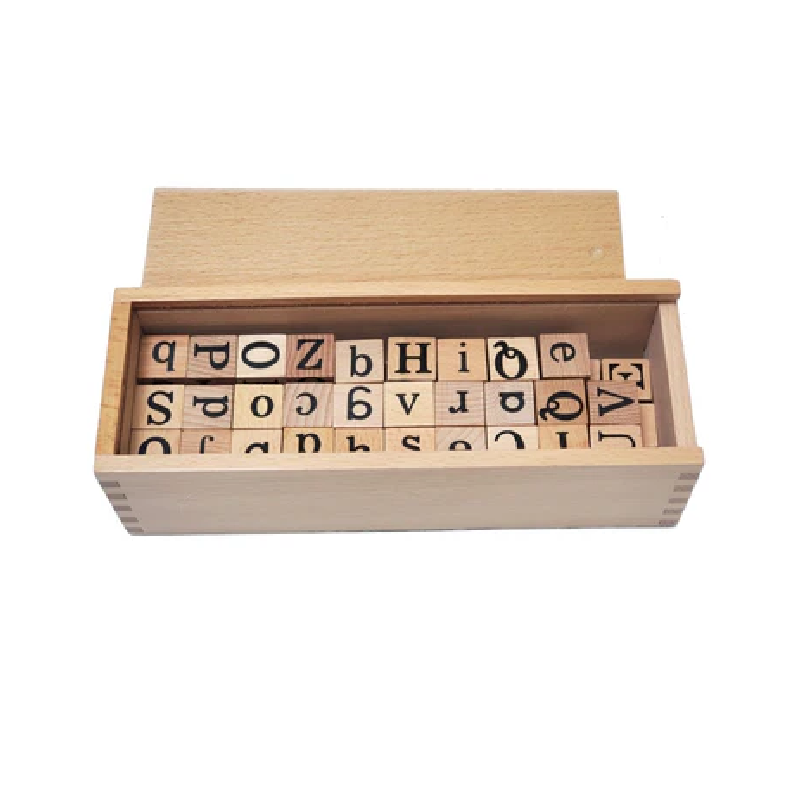
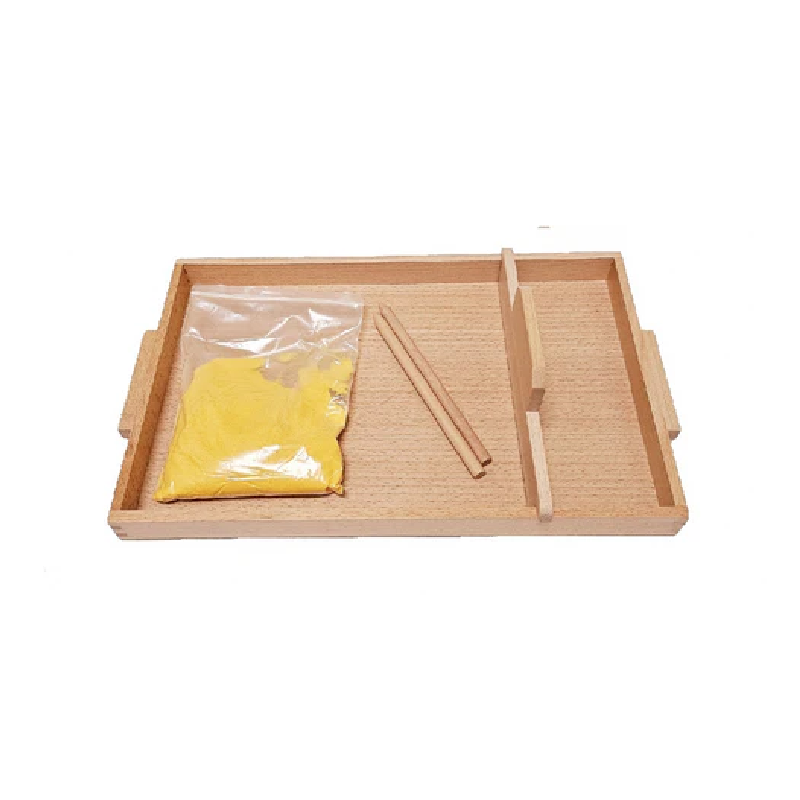
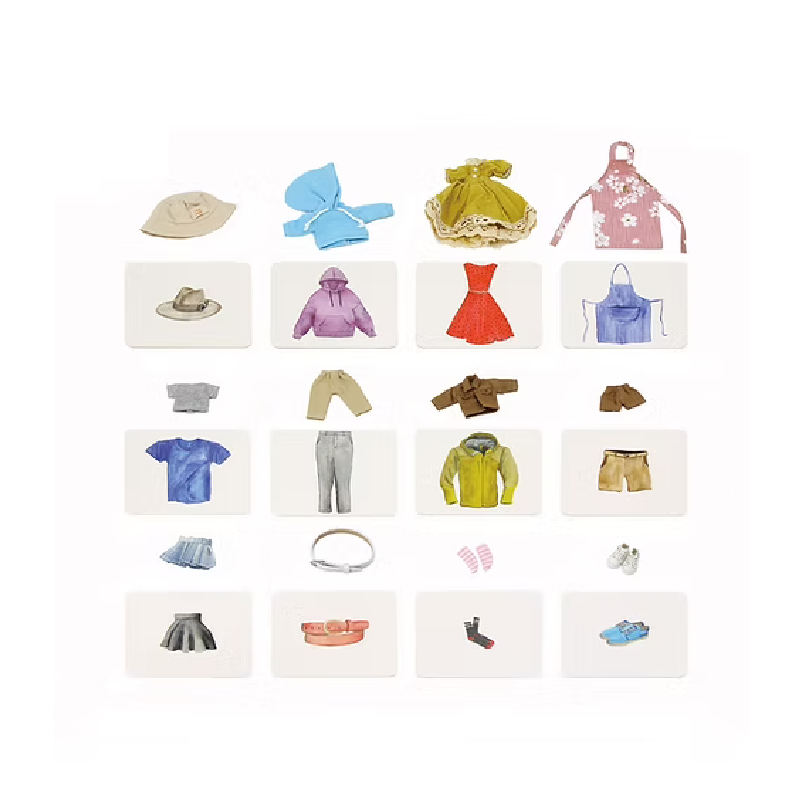
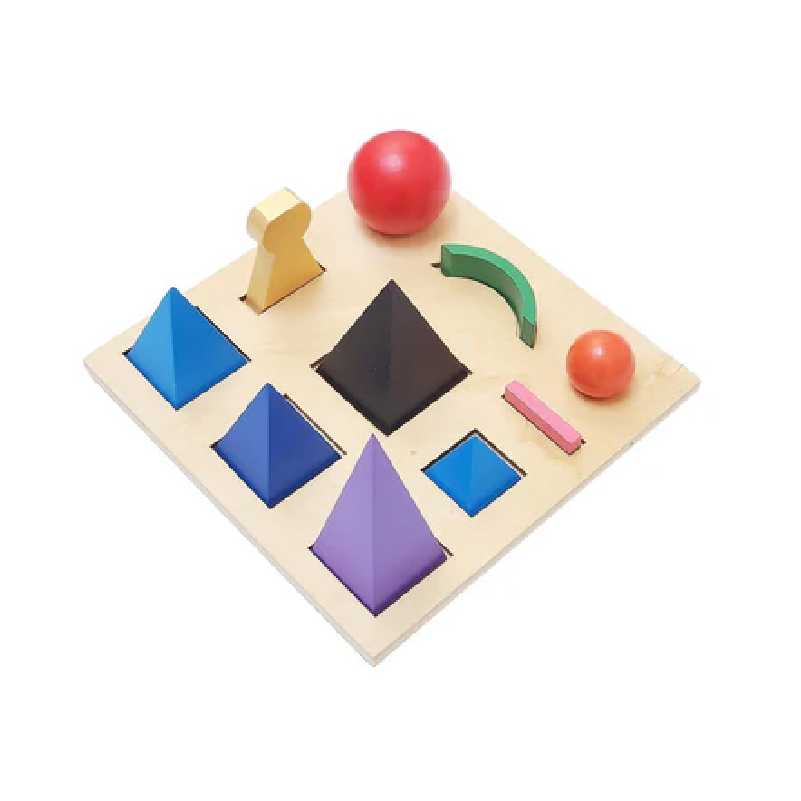
Language materials need clear visual presentation and strong surface quality for long-term classroom use. Sandpaper letters, movable alphabets, and word-building tools are produced with precise cutting, clean printing, and reliable material quality, helping children stay focused without distractions caused by poor product finishing.
Montessori Cultural Materials
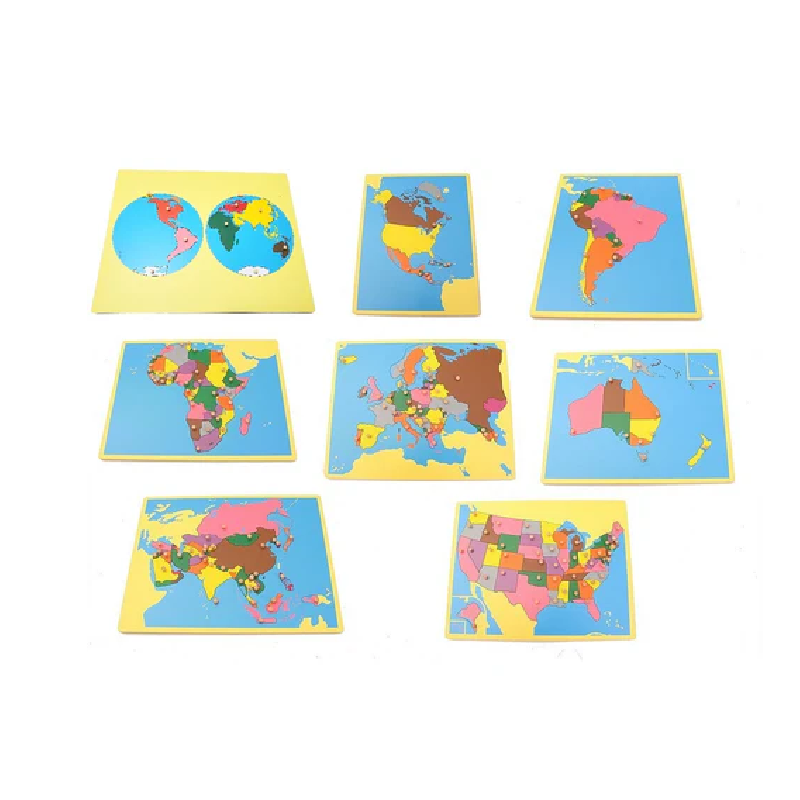
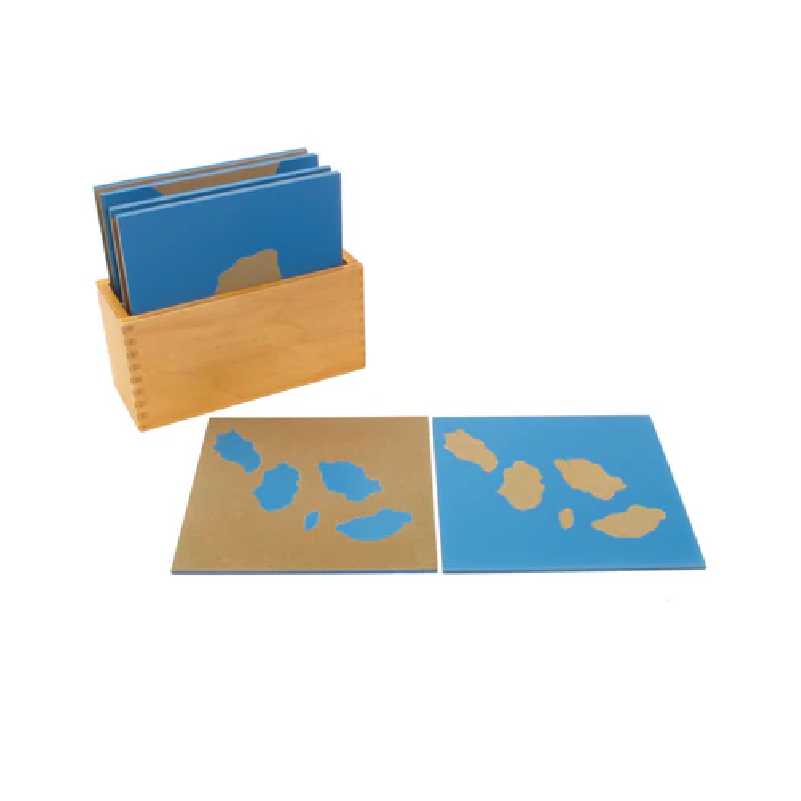
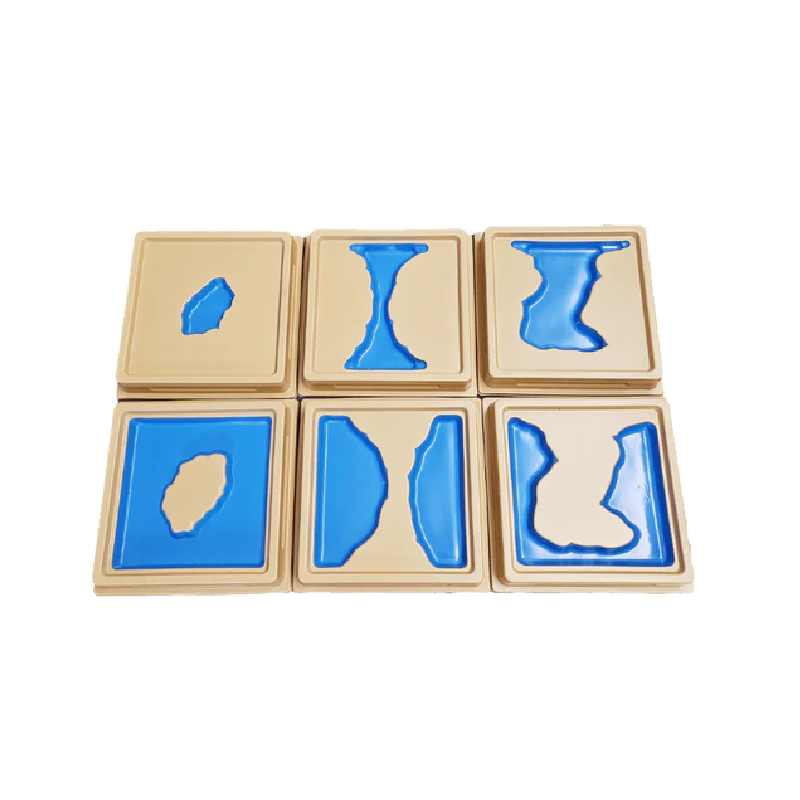
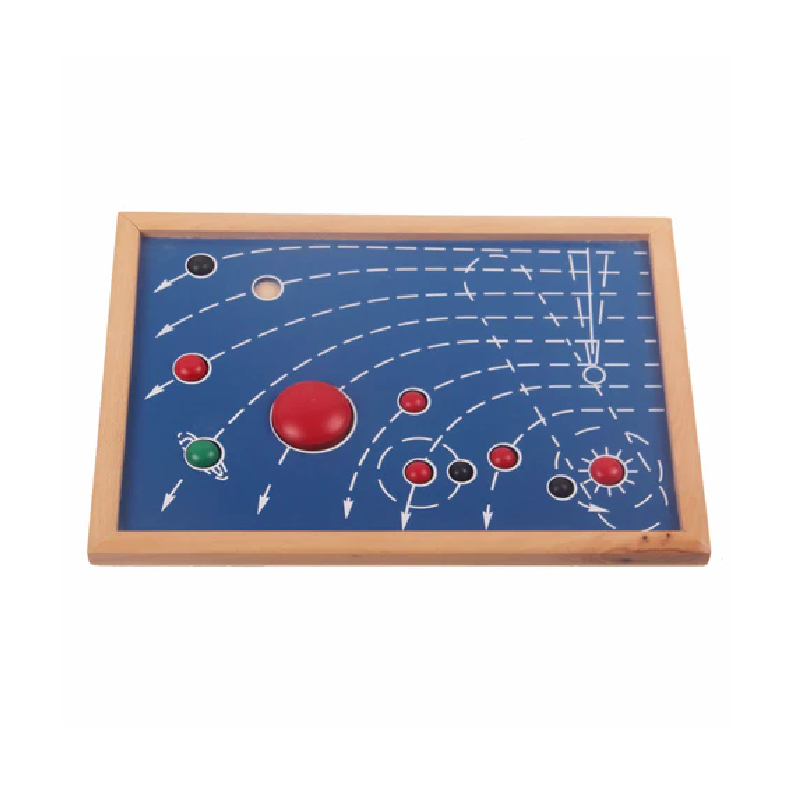
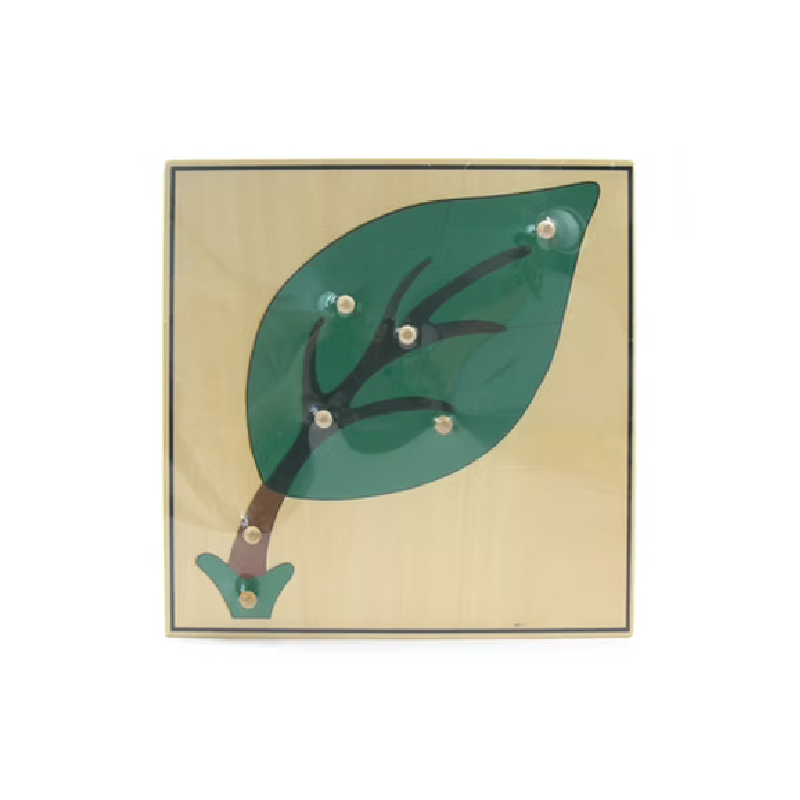
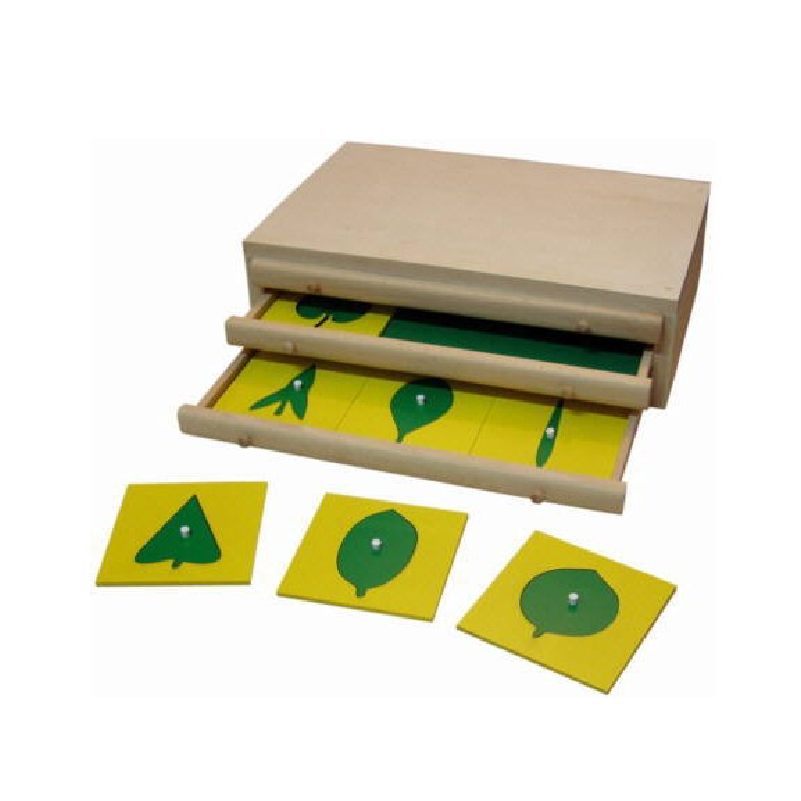
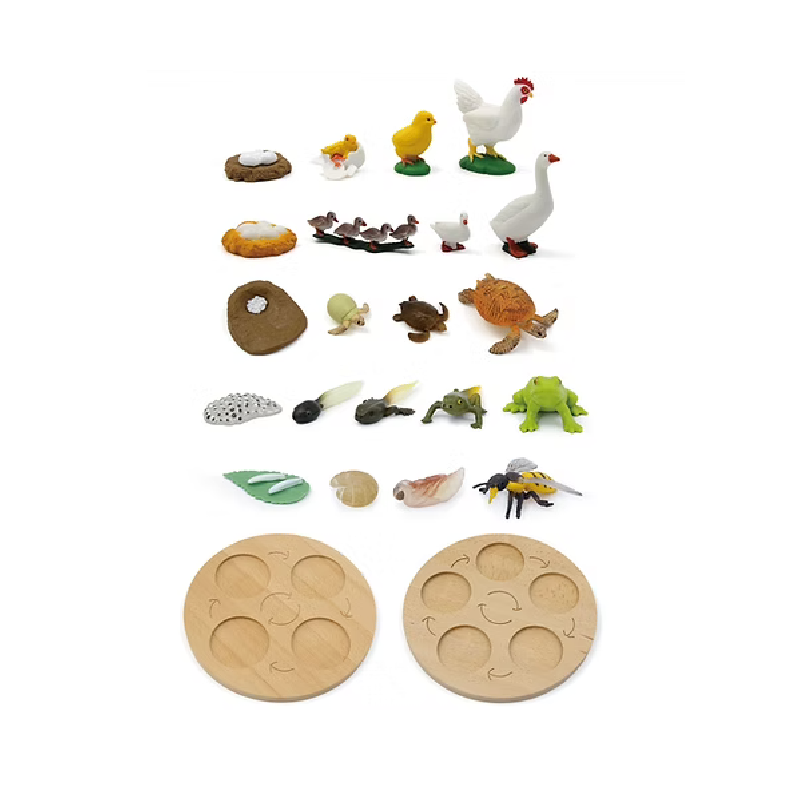
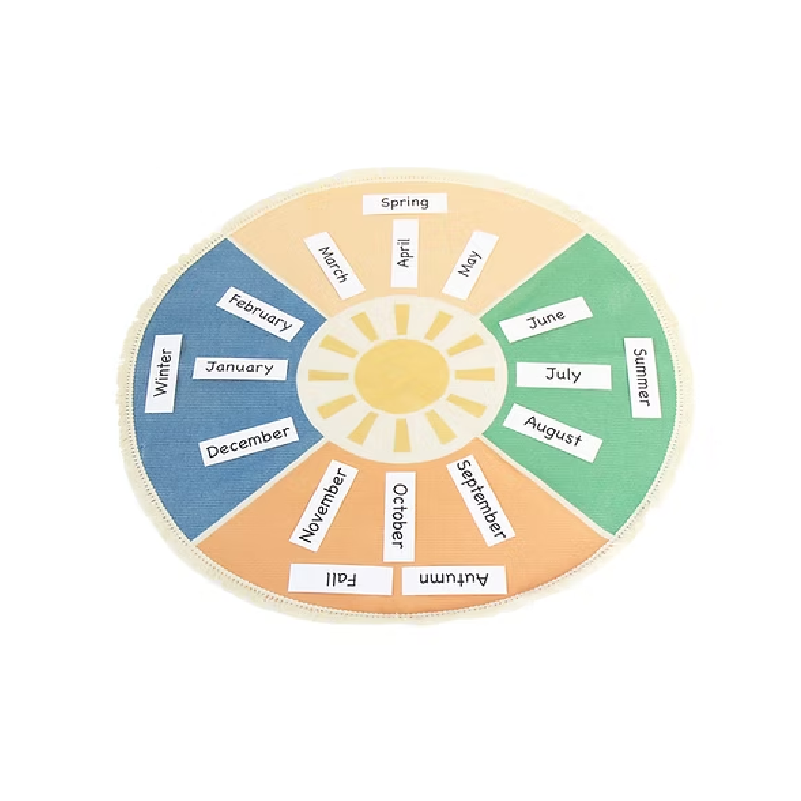
Cultural materials often include maps, puzzles, life cycles, and classification tools that require both educational clarity and strong durability. We provide products with stable boards, accurate printing, and classroom-ready construction, making them suitable for regular teaching and long-term storage.
Product Features & Quality Details
In daily classroom use, small differences in finishing, structure, and design directly affect safety, teaching results, and product lifespan. Xiha Kidz remains dedicated to refining these details.
Rounded Corners and Smooth Edges
At Xiha Kidz, every Montessori material goes through careful edge polishing and surface sanding before finishing. Rounded corners and carefully polished surfaces help prevent scratches and make the materials safer for independent use. A smoother finish also creates a better hands-on learning experience.
Precise Size and Proportion
For Montessori materials, accuracy is part of the teaching method. We follow strict dimensional control during production to ensure products like pink towers, knobbed cylinders, and number rods keep the correct size progression and proportional relationships. This helps children compare, sort, and self-correct naturally without learning disruption caused by inaccurate production.
Stable Base and Solid Structure
We use solid wood construction, reinforced joints, and balanced weight distribution to improve product stability. The material should stay firm during use instead of sliding or loosening easily. Strong structure also helps products withstand repeated classroom handling over time.
Clear Color and Visual Consistency
We maintain consistent color standards during painting and finishing to ensure uniform appearance across the full product set. Clean color application, clear visual contrast, and stable color matching are especially important for sensorial materials where visual learning plays a key role. This also keeps classrooms looking more organized and professional.
Comfortable Grip and Child-Sized Design
We design knobs, handles, trays, and movable parts based on children's hand size and daily classroom use. Proper grip size makes materials easier for children to hold, move, and return independently. This not only improves usability but also supports fine motor development and self-directed learning.
Organized Trays and Matching Storage
We provide matching trays, boxes, and structured storage solutions to keep Montessori materials organized in real classroom settings. Clear product grouping and practical storage design help teachers save preparation time and make it easier for children to return materials independently after each activity.
Safety & Compliance
Our Montessori materials are produced with attention to the safety requirements commonly used in major international markets. Depending on the product and destination, relevant testing and compliance documents can be provided for review before ordering.






Montessori Materials Packages Based on Your Classroom
We provide complete Montessori materials matched to each classroom stage, helping preschools and daycare centers choose the right products with better efficiency.

The Nido classroom package is designed for infants and focuses on movement, sensory discovery, and safe independence. It includes visual stimulation materials, grasping toys, movement support equipment, mirrors, and low-access shelving. These materials help babies observe, reach, crawl, pull up, and explore their environment safely.

The Infant Community package supports toddlers in developing independence, coordination, language, and practical life skills. It includes practical life materials, self-care activity tools, early language materials, and fine motor resources. These products help children learn through repetition, movement, and daily hands-on activities.

The Casa classroom package provides a complete Montessori learning environment for children aged 3 to 6. It includes core materials for practical life, sensorial learning, mathematics, language, and cultural studies, such as Pink Tower, Brown Stair, Number Rods, Sandpaper Letters, Golden Beads, and geography puzzles. Combined with proper shelving and layout, it creates a clear and effective classroom structure.
Choose the Right Montessori Materials by Age
Montessori materials are designed to match children’s natural stages of development. Each age group benefits from specific tools that support growth in independence, coordination, language, and problem-solving. Below is a guide to help you select suitable Montessori materials for different preschool levels.
0–3 Years (Infants & Toddlers)
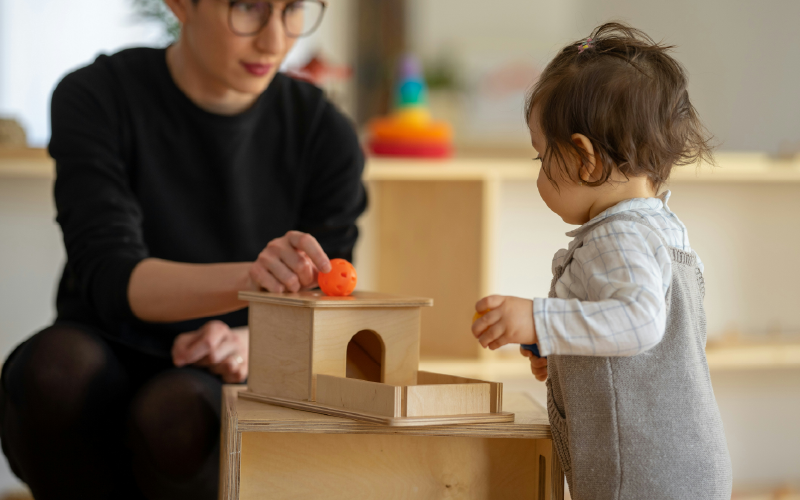
During the first three years of life, children absorb information through movement and sensory input. They are developing gross and fine motor skills, hand-eye coordination, object permanence, and early independence. Montessori materials at this stage should be simple, safe, and designed for repetition and exploration.
- Ideal materials include the Object Permanence Box, Imbucare Box with Knit Ball, Ring Stacker, and Open-Close Basket—each focusing on one clear concept and allowing for active manipulation without external correction.

3–6 Years (Preschool)
Preschool-aged children enter a phase of conscious learning. They are eager to repeat tasks, refine their senses, and build language and math skills through real, purposeful activity. At this stage, they are also developing inner discipline, concentration, and a strong sense of order.
- Foundational materials include the Pink Tower, Sandpaper Letters, Number Rods, and Dressing Frames. These tools guide children from hands-on discovery to abstract understanding.
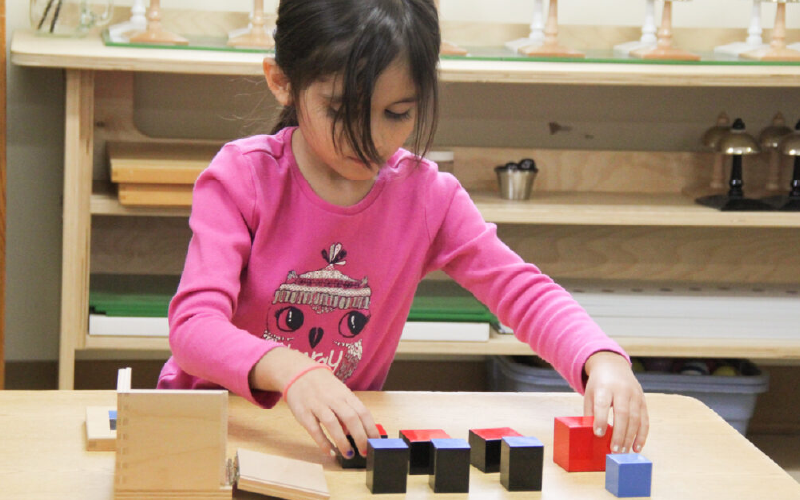
6–9 Years (Lower Elementary)
Children at this age begin to think abstractly and logically. They are curious, socially motivated, and ready to explore relationships between ideas. Learning becomes more interdisciplinary, and materials should support collaborative investigation and storytelling.
- Typical materials include the Stamp Game, Grammar Boxes, and Botany Cabinet. These support reasoning, classification, and cross-subject learning.
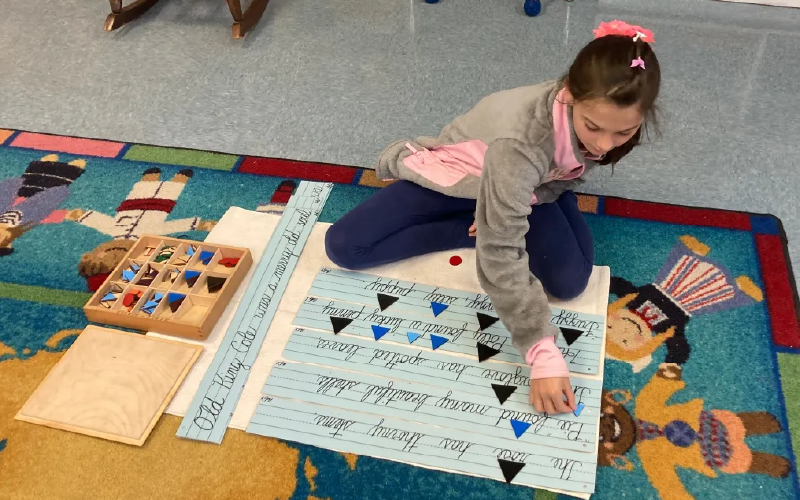
9–12 Years (Upper Elementary)
Upper elementary learners seek to understand systems, histories, and their place in the world. They are ready for abstract concepts in mathematics, ethics, science, and social studies. Materials should encourage independent inquiry and big-picture thinking.
- Key materials for this stage include the Algebraic Peg Board, Clock of Eras, Fundamental Needs of Humans Chart, and Zoology Nomenclature Cards. These invite deep research, moral reflection, and cultural exploration.
Why Choose Xiha Kidz?
Made in Our Own Factory, Controlled From Start to Finish
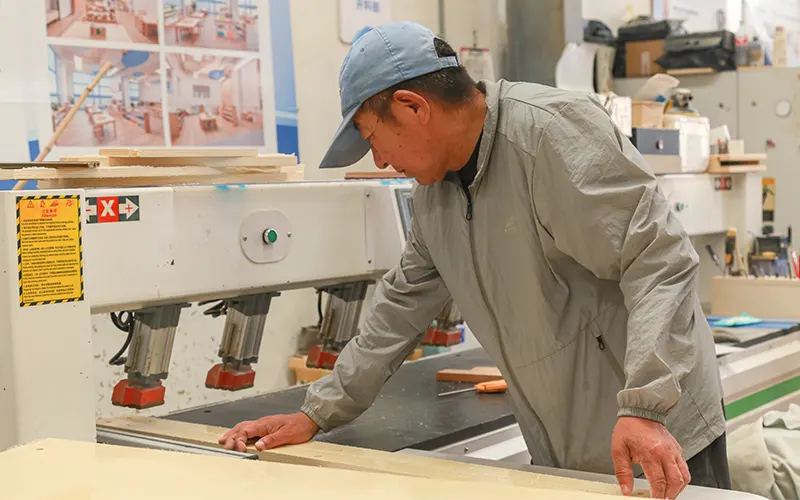
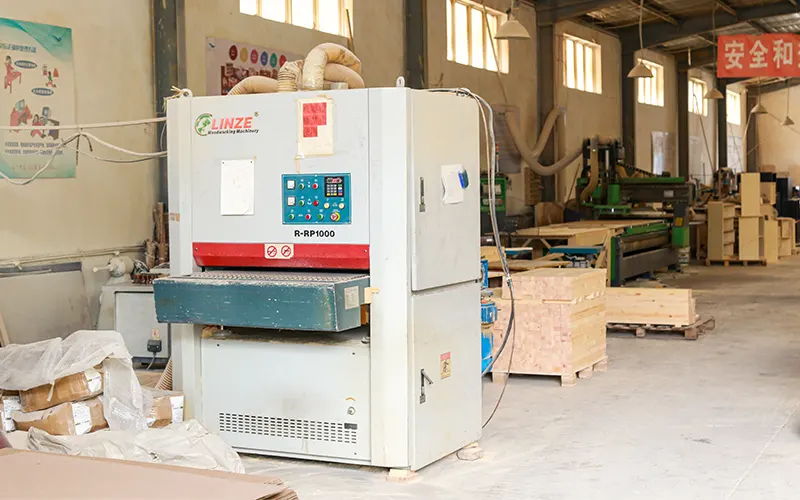
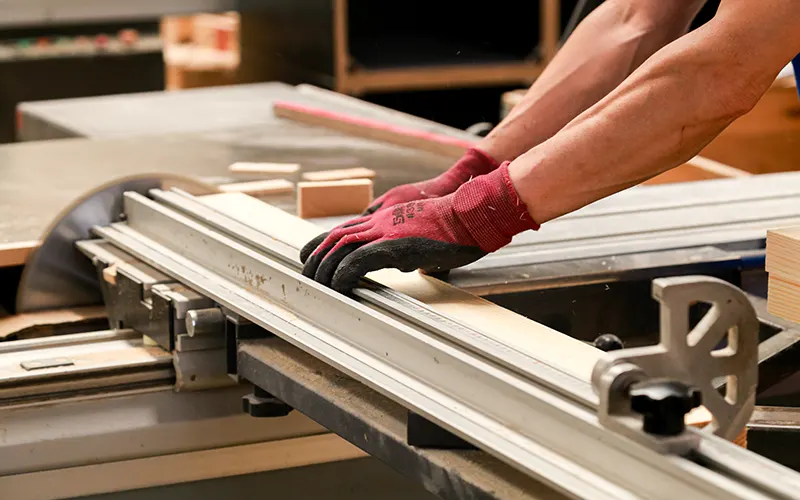
When you purchase Montessori materials, consistent quality matters just as much as price. Xiha Kidz works directly from our own manufacturing base, allowing us to control the key stages of production instead of relying entirely on third-party suppliers. From material preparation and woodworking to finishing, assembly, inspection and packing, every step can be checked before the products leave the factory.
- Own Manufacturing Facility
- Strict Quality Control
- Stable Batch Consistency
- Flexible Customization
- Experienced Production Team
- Reliable Capacity for Large Orders
- Transparent Production Process

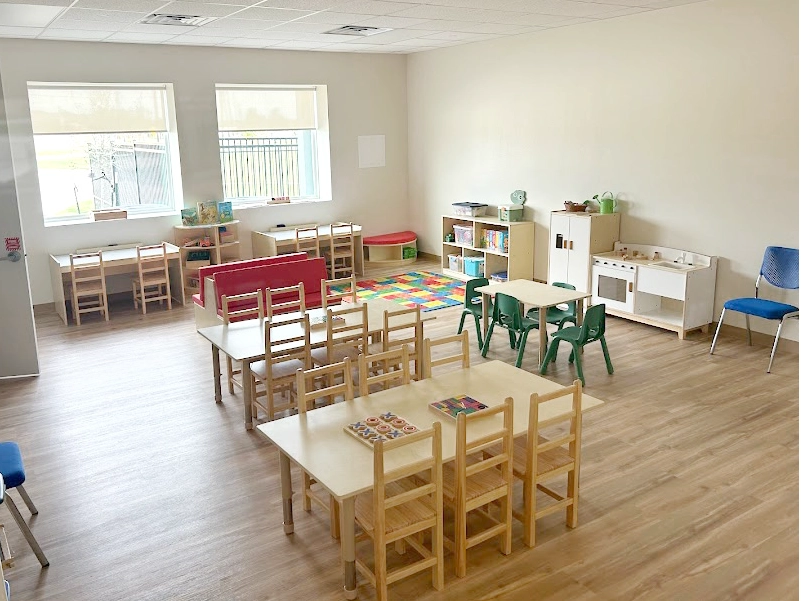
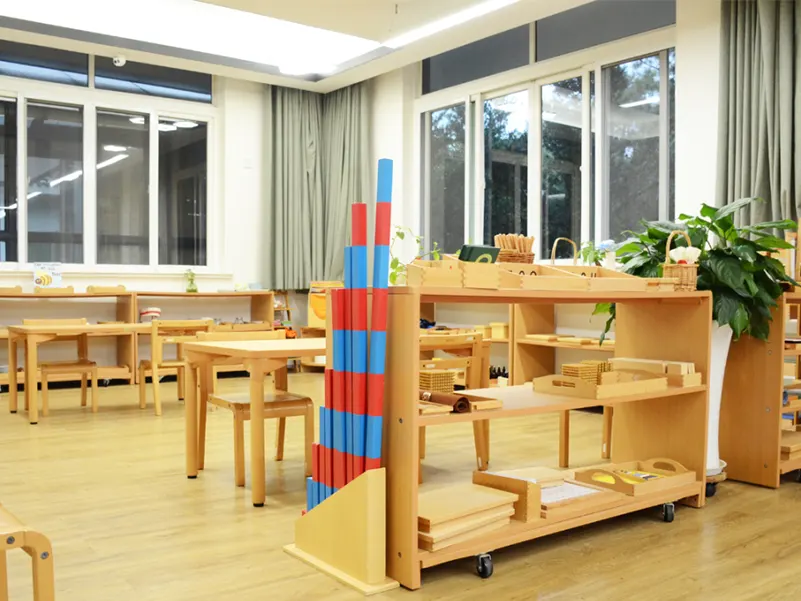
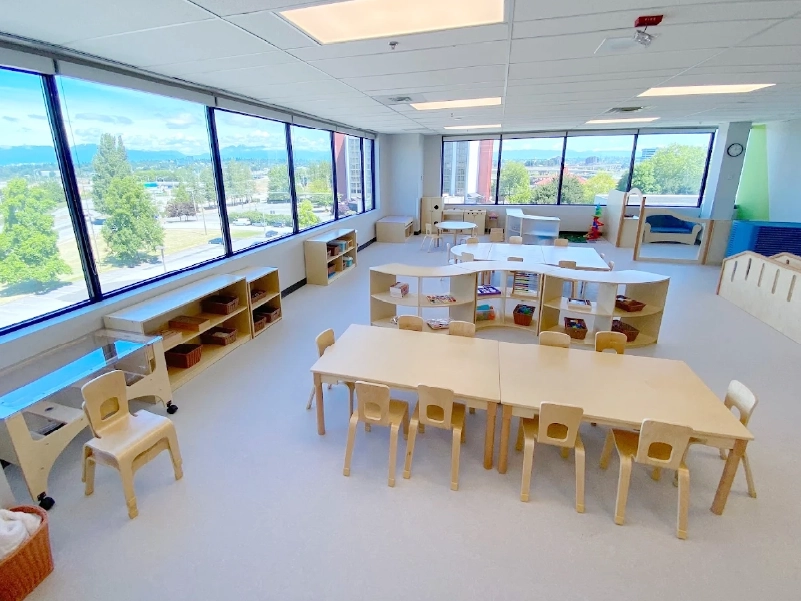
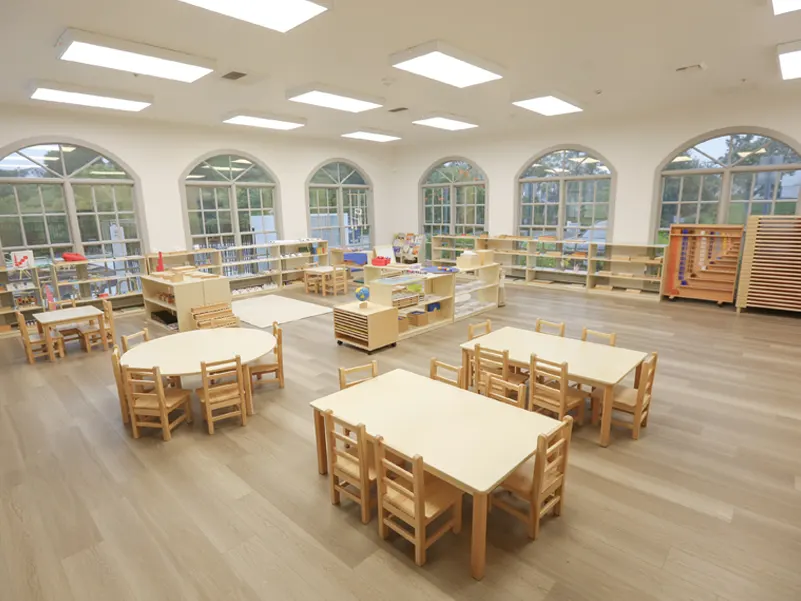
Montessori Classrooms We've Built with Our Clients
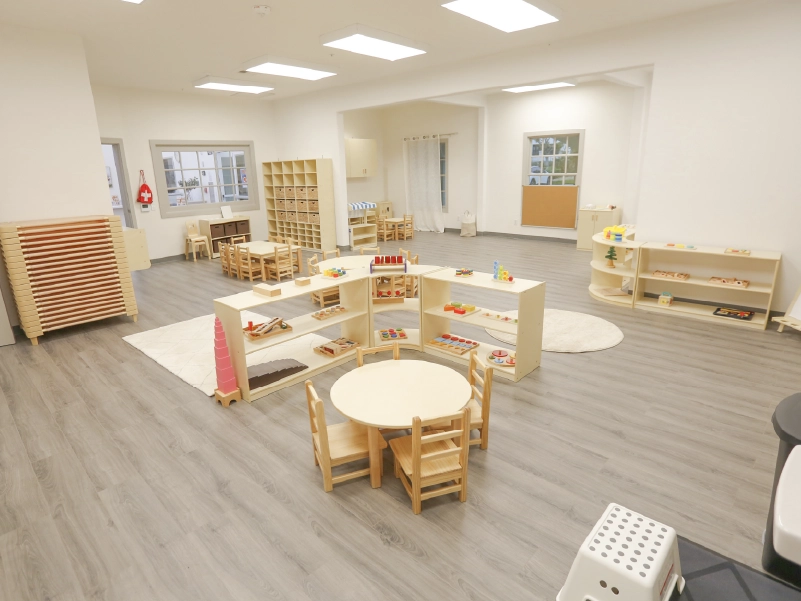
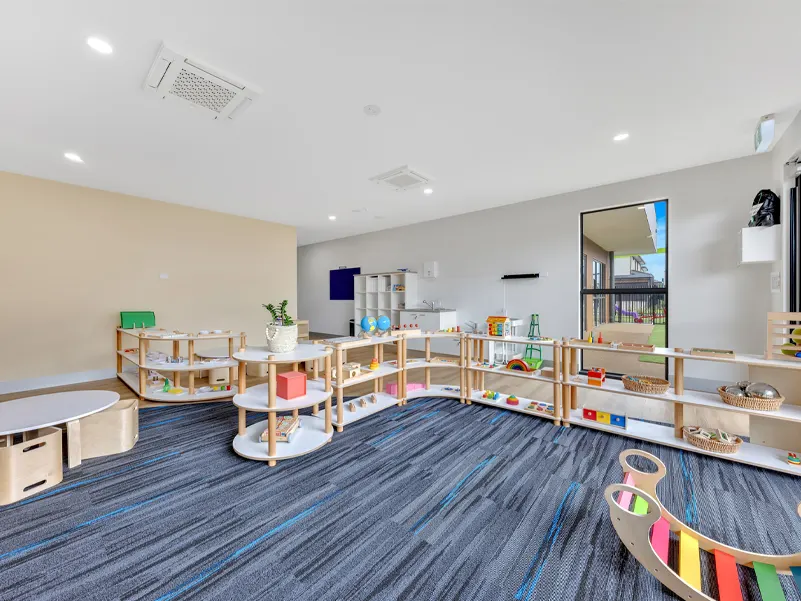
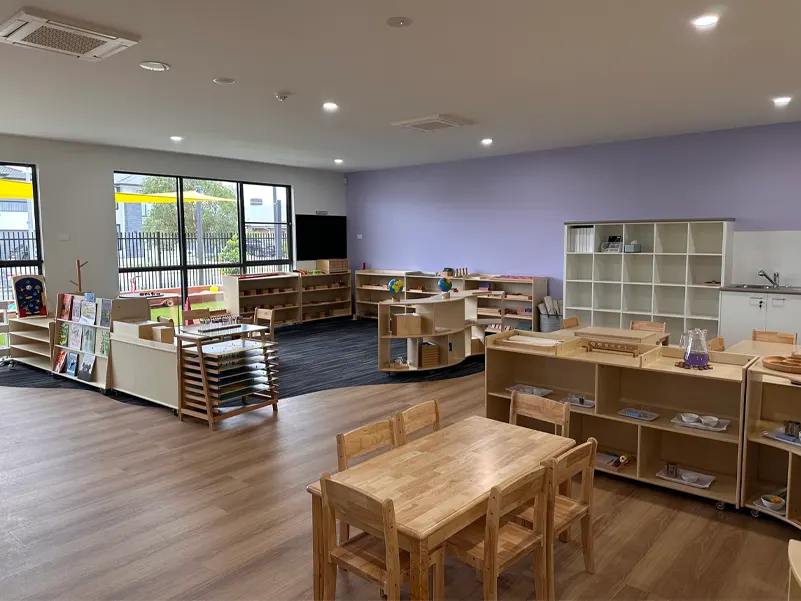
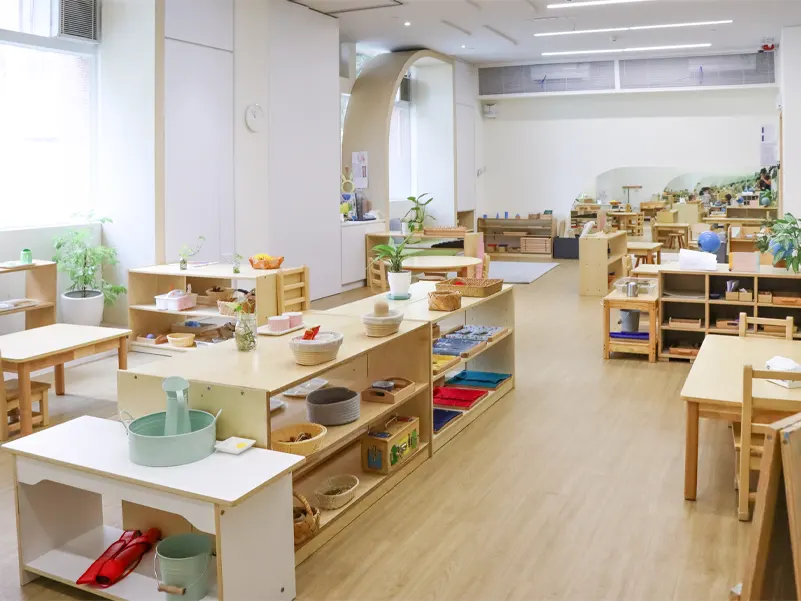
These are real Montessori classrooms we have created for clients worldwide. You only need to share your room size, floor plan, or classroom ideas, and our team will help turn them into a complete Montessori learning environment. From Montessori materials and classroom furniture to layout planning, storage solutions, and full project matching, we provide one-stop support to make classroom setup easier, clearer, and more efficient.
Guidelines to Choose Montessori Materials
The selection of Montessori materials depends on factors such as the child’s developmental stage, interests, and educational goals. Below are key guidelines for choosing Montessori materials:
Match Developmental Stage
Choose materials based on the child's age and developmental level. Younger children need simple sensory materials, while older children can handle more complex, abstract tools.
Prioritize Hands-on Learning
Select materials that engage children through physical interaction, such as blocks, beads, or puzzles. This encourages exploration and a deeper understanding of concepts.
Look for Self-Correction
Choose materials that allow children to correct mistakes independently. This fosters problem-solving skills and autonomy, such as puzzles or math manipulatives that show immediate feedback.
Encourage Independence
Select materials that support self-directed learning, like practical life tools (e.g., pouring or dressing frames). These help children practice skills and build confidence.
Ensure Versatility and Durability
Pick versatile materials that can be used in multiple ways and are made from high-quality, long-lasting materials. This ensures the materials grow with the child and withstand frequent use.
Align with Learning Goals
Choose materials that align with specific educational goals. For example, math materials like Golden Beads for numbers, or language tools like Sandpaper Letters for literacy development.
From Your Material List to a Ready Classroom
Getting started does not require a complicated specification document. You can send us what you already have:
- Classroom floor plan
- Age groups
- Number of children
- Existing Montessori material list
- Products you want to purchase
We can help you review the requirements, organize the product list, confirm specifications and prepare the quotation. Once everything is approved, we handle production, quality inspection, packing and delivery.
Request Your Personalized Solution!
Educational Value of Montessori Materials
- Sensory Engagement: Materials stimulate children’s senses (sight, touch, hearing) to enhance understanding of abstract concepts.
- Self-Correction: Materials allow children to identify and correct their own mistakes independently.
- Developmentally Appropriate: Materials are designed for different developmental stages, providing challenges suited to the child’s growth.
- Encouraging Independence: Materials promote self-directed learning, helping children develop autonomy and decision-making skills.
- Aesthetic Appeal and High Quality: Montessori materials are made from natural, durable materials that are visually appealing.
- Repetitive Use: Materials are designed for continuous practice, reinforcing concepts through repeated use.
- Focus on Concentration and Patience: Materials encourage children to focus and develop patience through extended use.
Montessori vs Traditional Materials
Montessori materials and traditional educational materials serve different purposes in the learning environment. The comparison below highlights the key differences.
| Feature | Montessori Materials | Traditional Materials |
|---|---|---|
| Learning Approach | Hands-on, self-directed, and experiential learning. | Teacher-directed, passive learning with less exploration. |
| Purpose | Aimed at cognitive, motor, and social development through interactive experiences. | Primarily used for direct instruction, focusing on memorization and repetition. |
| Interaction with Materials | Children interact directly, manipulate, and self-correct. | Materials are often used for demonstrations or passive observation. |
| Independence | Materials encourage independence and self-learning. | Students are often dependent on the teacher for instructions and corrections. |
| Self-Correction | Many materials are self-correcting, allowing children to identify and fix mistakes. | Few materials allow for self-correction, often requiring teacher intervention. |
| Adaptability | Materials can be adapted for different learning styles and needs. | Materials are usually standardized and less adaptable to individual needs. |
| Engagement Level | Highly engaging and interactive, fostering curiosity and concentration. | Engagement is often passive, with less opportunity for hands-on involvement. |
Cleaning and Maintenance of Montessori Materials
Montessori materials are designed to last for years with proper care. Whether used in classrooms or homes, regular cleaning and mindful storage preserve both the beauty and educational purpose of each item.
General Cleaning Guidelines
- Use soft, lint-free cloths to clean surfaces regularly
- Avoid harsh chemicals or alcohol on painted or wooden surfaces
- Choose mild, non-toxic cleaners safe for children
- Dry materials thoroughly after cleaning to prevent moisture damage
- Clean high-touch materials more frequently in group settings
Cleaning Methods by Material Type
- Wood: Wipe with a damp cloth and dry immediately. Use beeswax polish as needed. Avoid soaking or abrasive scrubbing.
- Metal: Use a dry cloth or alcohol wipes. Check for rust. Avoid long exposure to water.
- Fabric: Wash covers gently with mild detergent. Air dry completely. No bleach.
- Laminated Cards: Wipe laminated cards gently. Replace damaged pieces when needed.
- Plastic or Acrylic: Use a damp cloth with mild soap. Rinse and dry thoroughly. Avoid strong chemical disinfectants.
FAQ
How do I know which Montessori materials my classroom actually needs?
You can send us your age group, classroom size, or current material list. We can help organize the products by Practical Life, Sensorial, Mathematics, Language and Cultural learning areas, making it easier to identify what is still needed.
Are the dimensions of your Montessori materials standardized?
We pay close attention to the dimensions, proportions and fit between components because these details directly affect how Montessori materials are used. If your school follows specific product specifications, you can send them to us for confirmation before ordering.
Are Montessori materials safe for children?
Yes, Montessori materials are designed with safety in mind, typically made from non-toxic, durable materials like wood. They meet strict safety standards to ensure children can use them without risk.
At what age should children start using Montessori materials?
Montessori materials can be introduced as early as infancy, with age-appropriate tools available for different developmental stages from 0 to 18 years old.
Are Montessori materials expensive?
The cost of Montessori materials can vary depending on the quality and type. While they may be more expensive upfront, they are durable, versatile, and long-lasting, making them a good investment for long-term learning.
Can I make my own Montessori materials?
Yes, many Montessori materials can be handmade, especially for younger children. Simple items like sensory bottles, fabric sorting games, or counting beads can be created at home with basic materials.
What is the role of a teacher with Montessori materials?
The role of a teacher is to observe, guide, and introduce materials, rather than direct the learning process. Teachers encourage exploration and allow children to discover concepts at their own pace.
Do Montessori materials require a specific learning environment?
Montessori materials are best used in a structured yet flexible environment where children have the freedom to choose activities and work independently. A quiet, well-organized, and clutter-free space enhances the learning experience.
Can Montessori materials be used in a home environment?
Absolutely! Montessori materials can be used at home to create a learning environment that fosters independence and self-directed learning, just like in a Montessori classroom.
 English
  Arabic
  French
  Italian
  German
  Spanish
  Thai
Thai  Japanese