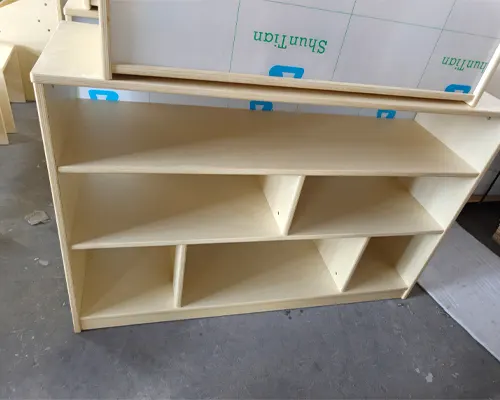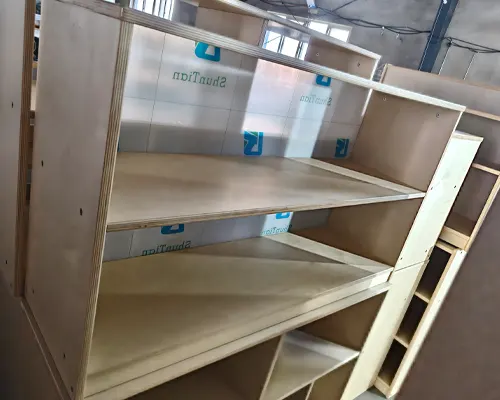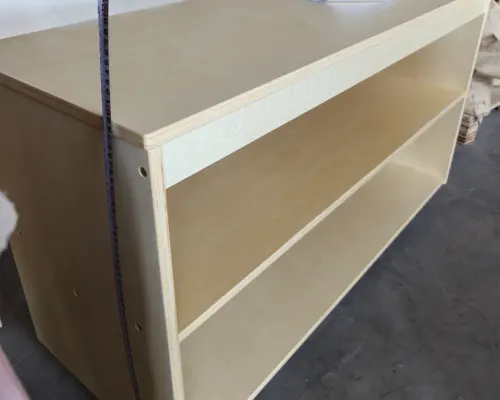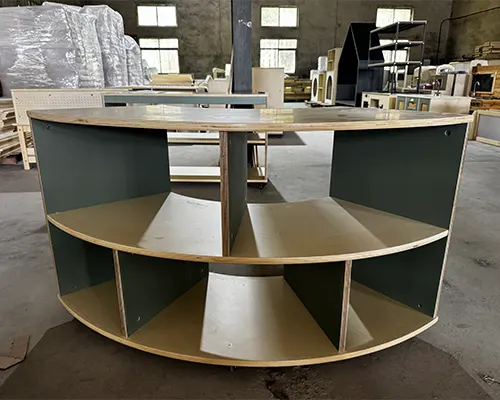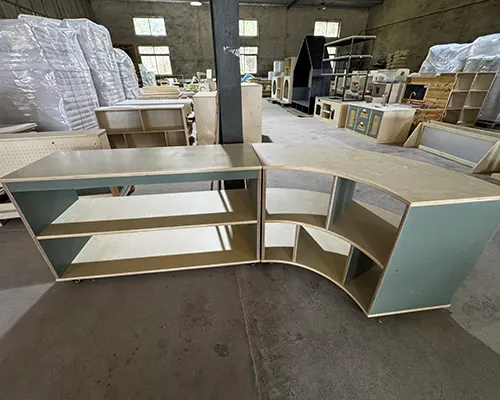
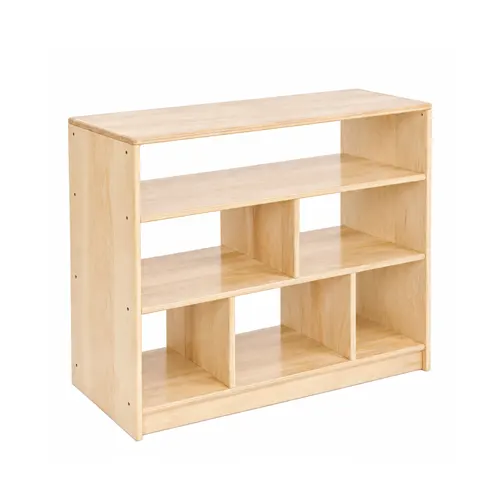
Classroom Shelves Manufacturer for Preschool and Daycare Projects
Classroom shelving is not just a place to put materials. The shelf height, depth, visibility, stability, and movement options affect how children access resources, how teachers supervise the room, and how quickly the space can be reset between activities. From individual shelving units to complete classroom projects, we can help with sizing, configuration, customization, production, and delivery.
- Child-height access and clear classroom sightlines
- Custom sizes and configurations
- Project support from classroom layout to delivery
Classroom Shelves for Different Storage Needs
Choose the shelf type by what the classroom needs to store and how children and teachers will use the space. The same project can combine several configurations instead of forcing every material into one cabinet style.
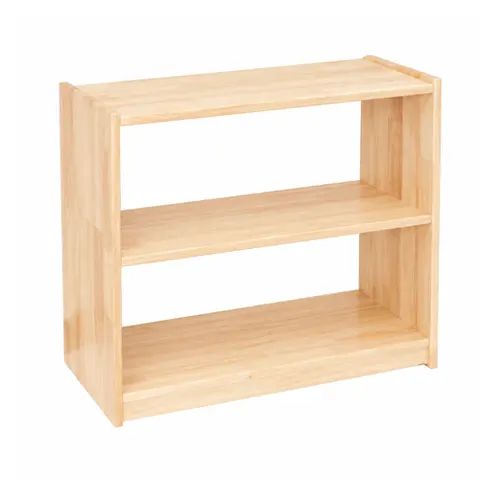
Open Back Shelf
Low Open Classroom Shelves
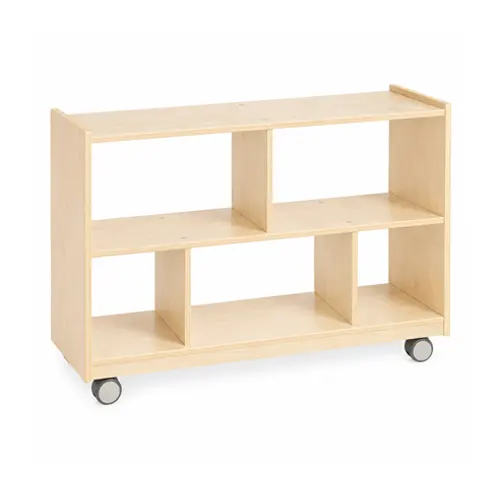
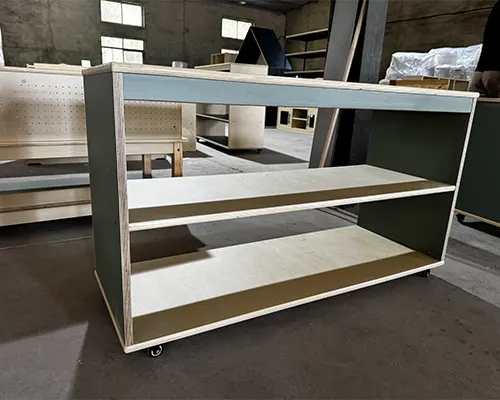
Mobile Classroom Shelving
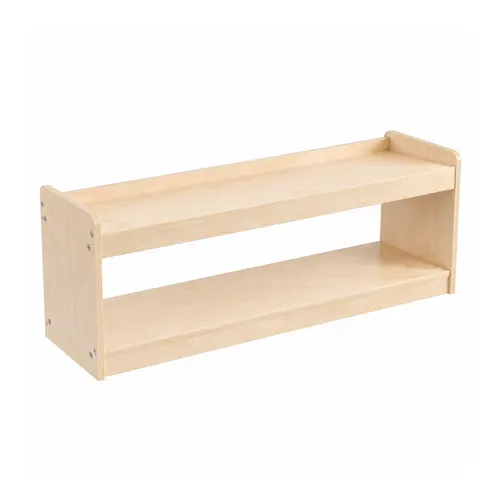
Open Display Shelf
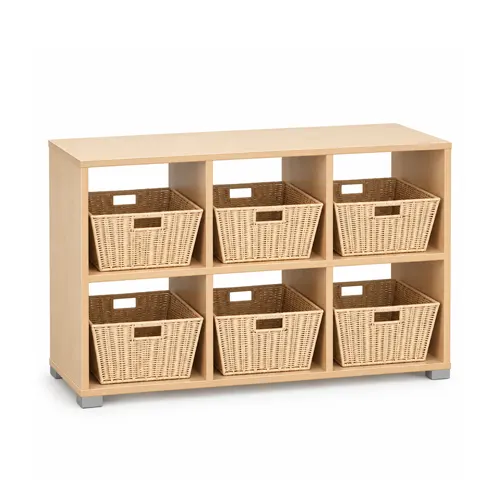
Estantería giratoria para niños
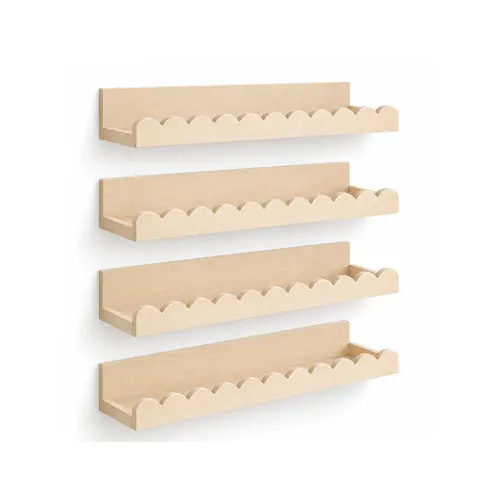
Exhibidor de libros de una sola cara
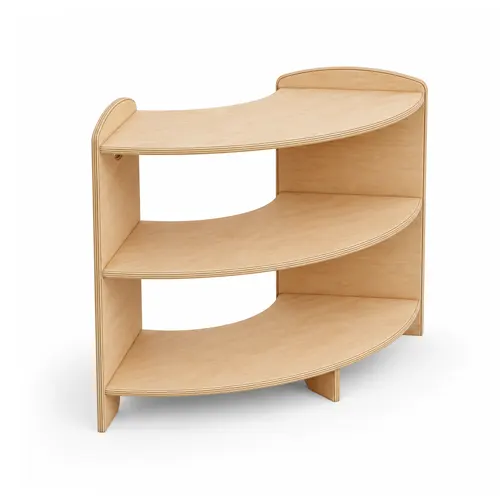
Corner and Custom Shelves
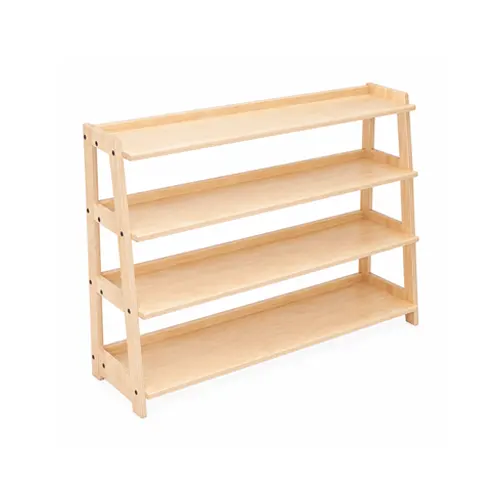
Armario de estantería abierta
What Classroom Shelves Need To Do
For a preschool or school project, a shelf has to perform every day under repeated handling, cleaning, movement, and reorganization. We focus the specification on the problems buyers need to solve, not only on the appearance of the unit.
Children Can See and Reach Materials
Low, open layouts make it easier for children to identify, select, and return materials with less adult intervention. Shelf height and depth can be adjusted for different age groups and room functions.
Teachers Keep Clear Sightlines
Shelf height, back panels, and room-divider choices should support supervision rather than create hidden corners. We can plan the storage position together with the classroom circulation path.
The Room Can Change
Fixed units suit permanent storage. Mobile units, lockable casters, adjustable shelves, and modular compartments make it easier to adapt the classroom as activities and material sets change.
Daily Maintenance Takes Less Time
Smooth finishes, accessible compartments, organized hardware, and correctly selected bins help staff clean, count, and reset materials without unnecessary handling.


Classroom Shelves Specifications and Configuration Options
The exact specification is confirmed by model, room plan, material load, age group, order quantity, and destination requirements. The table below shows the main fields we can configure before production.
| Specification | Available Options |
|---|---|
| Product types | Low open shelves, mobile shelving, book display shelves, double-sided room dividers, cubby and tray units, corner shelves, and custom combinations |
| Materiales | Birch plywood, MDF, solid wood, or mixed-material construction according to performance and budget |
| Common panel reference | 18 mm birch plywood side panels and 9 mm back panels are available for relevant configurations; final thickness depends on model and load |
| Shelf layout | Fixed shelves, adjustable shelves, cubbies, trays, drawers, or combined layouts |
| Back and base | Open back, solid back, partial back, fixed plinth, adjustable feet, or lockable casters |
| Surface options | Melamine, laminate, veneer, painted finish, natural wood finish, or project color matching |
| Age and use | Infant, toddler, preschool, kindergarten, K-12, teacher storage, reading, art, blocks, toys, books, or learning materials |
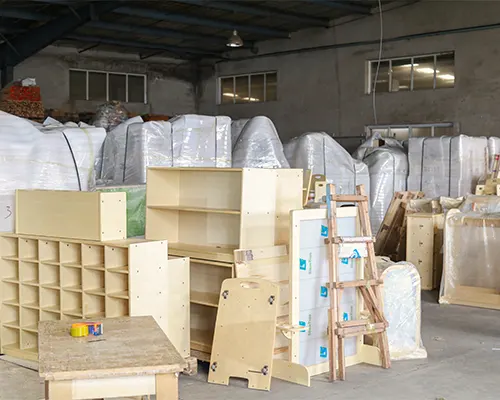
| Packing and delivery | Flat-pack or pre-assembled options, protective export packing, labeled cartons, and organized hardware packs |
Safety and Durability Are Part of the Specification
Classroom shelves are used by children, teachers, and facility teams. The specification should therefore address edge treatment, stability, shelf support, finish, hardware, cleaning, and installation—not just the number of compartments.
- Rounded and smoothly finished edges for high-contact areas.
- Stable bases, reinforced construction, adjustable feet, lockable casters, or anti-tip fittings where required.
- Fixed or adjustable shelves selected according to span, material, and expected load.
- Surface finishes matched to cleaning routines, moisture exposure, color, and budget.
- Wall anchoring or other restraint options considered for tall or freestanding units.
For tall shelving and bookcases, the installation plan matters as much as the cabinet itself. The U.S. CPSC’s Anchor It guidance recommends anchoring furniture that could tip; the correct hardware and fixing method must be confirmed for the wall and destination site.
Custom Classroom Shelves for Your Project
Standard shelf models are useful when the room and product range already fit. For new schools, multi-classroom projects, distributors, and branded ranges, custom configuration can reduce mismatched units and unnecessary compromises.
- Height, width, depth, shelf spacing, and compartment dimensions.
- Open shelves, back panels, doors, drawers, cubbies, trays, or mixed layouts.
- Fixed base, adjustable feet, lockable casters, wall-fixing provisions, and hardware choices.
- Wood, plywood, MDF, mixed materials, surface finish, color, edge treatment, and logo details.
- Flat-pack or assembled delivery, carton labels, product codes, room labels, and mixed-container planning.
Send your floor plan, age group, number of children, material list, and target quantities. We can help match shelf types and quantities to the available wall space, activity zones, supervision paths, and budget.
How We Simplify International Classroom Shelving Procurement
International purchasing becomes easier when specifications, quality, packing, documentation, and delivery are controlled before shipment. We manage these key points as one project, reducing avoidable changes and communication gaps.
Dimensions, materials, finishes, shelf layout, hardware, casters, labels, and packing details are confirmed before production. This gives both sides one clear reference and reduces misunderstandings later.
During production, we can provide progress updates and confirm key details. Before shipment, the order can be checked for dimensions, appearance, quantity, hardware, and other agreed requirements.
We prepare the shelving for long-distance transport with suitable export packing, carton identification, hardware packs, product labels, and assembly information, making receiving and installation easier.
We help clients prepare test reports, material information, packing lists, commercial documents, and other required files according to the product and destination requirements.
Product selection, customization, production, inspection, packing, and shipping coordination are managed through one process, reducing the need to coordinate multiple suppliers.
From Classroom Plan to Delivered Shelves
Our factory-direct process is designed to reduce specification gaps and make international purchasing easier to control.
1. Share Your Requirements
Send the room plan, age groups, stored materials, target quantities, preferred styles, destination, and any required documents.
2. Confirm the Configuration
We recommend shelf types, dimensions, materials, shelf layouts, finishes, accessories, and packing based on the project brief.
3. Approve the Quote and Drawings
The quotation and approved specification should show the product scope, quantity, customization, packing, delivery terms, and agreed documentation.
4. Inspect and Ship
We coordinate production, quality checks, progress evidence, final inspection photos, protective packing, and shipping preparation.
A Shelf System That Works With the Rest of the Classroom
Classroom shelves are most useful when they work with the room’s tables, chairs, reading areas, activity zones, and teacher workflow. For a complete project, we can coordinate the shelf layout with our classroom solutions service and connect book display needs with the other preschool furniture range when a dedicated reading corner is required.
Tell us what the classroom must store, how children will access it, and how the room needs to change during the day. We will help you build a shelf package that is easier to order, receive, install, and maintain.
Preguntas frecuentes
Open shelves work well for books, toys, and learning materials that children need to see and reach. Closed or lockable units are better for teacher-only supplies, sensitive materials, or items that need controlled access. Many projects use both.
Yes. Height, width, depth, shelf spacing, compartment size, and the number of shelves can be adjusted according to the age group, room plan, and materials to be stored.
Mobile versions can be produced with suitable casters, including lockable options where required. The correct base depends on the unit size, floor type, expected load, and how often the shelf will be moved.
Tall or freestanding shelves may need wall fixing or another restraint method depending on the unit, site, and local safety requirements. The installation method should be confirmed before production and installation.
Common options include birch plywood, MDF, solid wood, and mixed-material construction. The final choice depends on load, finish, moisture exposure, cleaning, appearance, budget, and destination requirements.
Yes. We can coordinate bins and trays, compartment layouts, product labels, carton labels, logo details, and private-label packaging for suitable project quantities.
Yes. We can coordinate multiple sizes, colors, and configurations in one project, with consistent specifications and batch production planning.
They are confirmed according to model, material, customization, quantity, production schedule, destination, packing method, and shipping terms. We do not use one generic number for every classroom shelf configuration.