For our 2026 planning estimates in U.S. dollars, a small home-based program may spend about $1,500–$6,000, one preschool classroom about $5,000–$10,000, and a multi-room center roughly $25,000–$55,000 or more on indoor furniture. Infant rooms usually cost more than preschool rooms because cribs, mattresses, changing equipment, and additional storage add up quickly.
Your final number depends on the children’s ages, licensed capacity, room layout, furniture quality, freight, installation, taxes, and whether you are buying only furniture or also adding toys, learning materials, outdoor equipment, and facility improvements. This guide shows you how to separate those costs, build a room-by-room budget, and request comparable quotes without spending money on pieces you do not need yet.
What Does a Daycare Furniture Budget Actually Include?
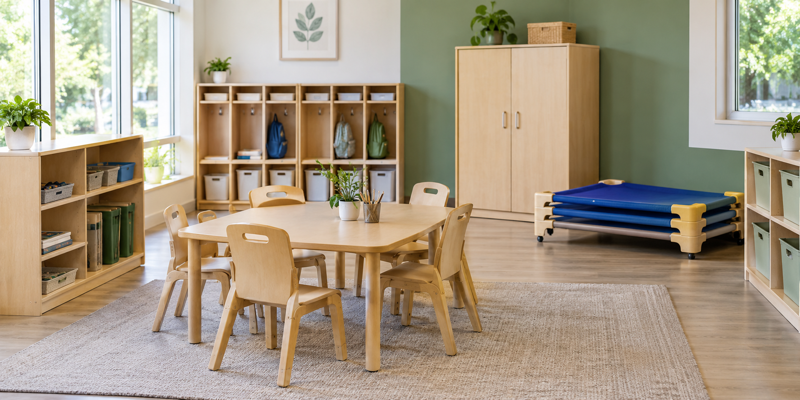
Before comparing muebles de guardería prices, you need to know what each quote includes. One supplier’s quote might only include tables, chairs, and bookshelves, while another includes shipping and installation fees. Therefore, even if two quotes cover the same furniture, their total costs can differ significantly.
For a clearer comparison, keep the furniture purchase cost separate from delivery and installation. This allows you to see how much you are spending on the furniture itself before calculating the total delivered cost.
| Budget Category | What It Includes |
|---|---|
| Indoor Furniture | Classroom tables and chairs, storage, rest furniture, infant care furniture, activity-area furniture, and shared-space furniture |
| Furniture-Related Costs | Freight, import duties, applicable taxes, delivery, and installation |
| Other Setup Costs | Toys, learning materials, outdoor play equipment, renovations, licensing, and other opening expenses |
When reviewing supplier quotes, check which items are included and which are priced separately. A lower total does not always mean the furniture is cheaper. It may simply mean fewer services are included.
How Much Does Daycare Furniture Cost by Category?
Daycare furniture prices vary depending on what you need for each classroom. Tables, chairs, and storage units are common purchases, while infant rooms also require cribs and changing furniture. Looking at the cost of each category helps you understand where your furniture budget will go.
The table below provides approximate 2026 U.S. retail planning ranges for common daycare furniture.
| Furniture Category | Estimated Price (USD) | Pricing Unit |
|---|---|---|
| Child-Sized Tables | $150–$500 | Per table |
| Toddler & Preschool Chairs | $40–$120 | Per chair |
| Estanterías abiertas | $200–$700 | Per unit |
| Cubbies & Lockers | $300–$800 | Per unit |
| Storage Cabinets | $300–$900 | Per cabinet |
| Muebles de juego dramático | $300–$1,500 | Per piece or set |
| Art & Sensory Tables | $200–$800 | Per table |
| Infant Cribs | $250–$600 | Per crib |
| Cambiadores | $300–$1,600 | Per unit |
| Nap Cots | $40–$90 | Per cot |
These prices are preliminary planning estimates, not fixed supplier quotations. Actual prices may vary by product specifications and supplier. Freight, taxes, and installation are not included.
As a direct manufacturer, Xiha Kidz can offer more competitive pricing than typical retail rates, with final prices depending on your order quantity and product requirements.
When reviewing these prices, pay attention to how each product is sold. A storage unit may be priced individually, while dramatic play furniture may be offered as a multi-piece set. Comparing prices without checking the quantity and configuration can make one option appear cheaper than it actually is.
For an initial furniture budget, multiply the required quantity of each item by its estimated unit price. Once you have a complete furniture list, you can request an itemized quotation based on your Disposición del aula and project requirements.
How Much Does Each Daycare Room Cost to Furnish?
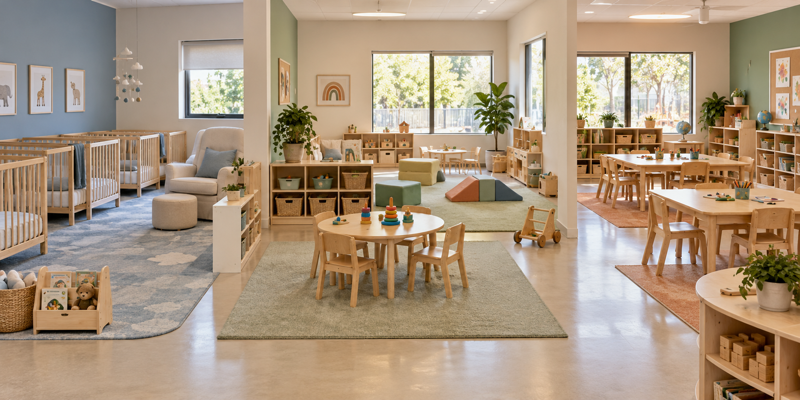
The age group is one of the strongest cost drivers. Use the ranges below to understand why, then replace them with quantities from your own room plan.
| Classroom Type | Typical Capacity | Estimated Furniture Cost (USD) | Main Cost Components |
|---|---|---|---|
| Infant Room | 8–12 children | $8,500–$16,000 | Cribs, mattresses, changing tables, adult seating, and storage |
| Toddler Room | 12–16 children | $6,500–$12,500 | Low tables and chairs, accessible shelving, cubbies, and rest furniture |
| Preschool Room | 16–20 children | $5,000–$10,000 | Activity tables, chairs, storage units, dramatic play furniture, and art furniture |
Infant Rooms
For an infant room serving 8–12 children, plan approximately $8,500–$16,000 for indoor furniture.
Unlike preschool classrooms, infant rooms require furniture for feeding, diaper changing, and sleeping, as well as storage and supervised floor activities. These functions need to be accounted for separately when preparing a furniture list.
Pay particular attention to what is included in a crib or changing station quotation. Mattresses, changing pads, and related storage may be sold separately, so a furniture package that appears complete may still have missing items.
Before finalizing the order, confirm that the selected sleep furniture meets the applicable requirements. For U.S. projects, the CPSC safe sleep guidance is a useful reference alongside local childcare licensing requirements.
Toddler Rooms
For a toddler room serving 12–16 children, a reasonable initial furniture budget is $6,500–$12,500.
The main consideration is how storage and activity furniture are organized. Toddler rooms often use low, accessible shelving, individual cubbies, and furniture that supports several activities within the same space.
When preparing your budget, distinguish between storage children use independently and storage reserved for staff. These serve different purposes and should not automatically be combined into one furniture allowance.
If your room uses the same area for meals, activities, and rest, review which furniture can be used for more than one purpose. This can reduce unnecessary purchases without removing essential classroom functions.
Preschool Rooms
For a preschool classroom serving 16–20 children, estimate $5,000–$10,000 for indoor furniture.
Tables and chairs are only part of the budget. A complete preschool classroom may also include storage for different learning areas, dramatic-play furniture, art furniture, individual cubbies, and rest equipment.
One common budgeting mistake is estimating the main tables and chairs first, then treating the remaining classroom areas as optional additions. This can leave the initial estimate below the amount needed for the intended room layout.
Use your classroom plan to identify which activity areas require dedicated furniture and which can share existing tables or storage. The goal is to budget for the classroom you actually intend to operate, rather than a basic furniture package that may not meet your needs.
Home-Based Daycare
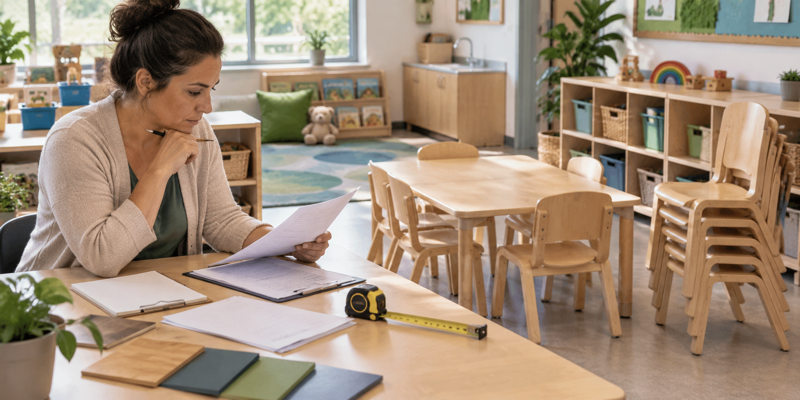
For a home-based daycare serving 4–8 children, an initial furniture budget of $1,500–$6,000 may be appropriate.
The biggest difference from a purpose-built daycare classroom is that some furniture may already be available. However, existing household furniture should not automatically be counted as part of the childcare setup.
Start by identifying which pieces can be reused, which need replacing, and which must be purchased specifically for the children you serve. For example, a program caring for infants may need dedicated sleep and changing furniture, while a preschool-focused program may require more child-sized activity furniture.
Only deduct existing furniture from your purchase budget after confirming that it is suitable for childcare use and meets applicable requirements.
What Hidden Costs Can Change the Final Daycare Furniture Price?
Your furniture subtotal is not your delivered project cost. Before you approve a budget, ask the supplier to show every added cost separately.
Freight, unloading, and import costs
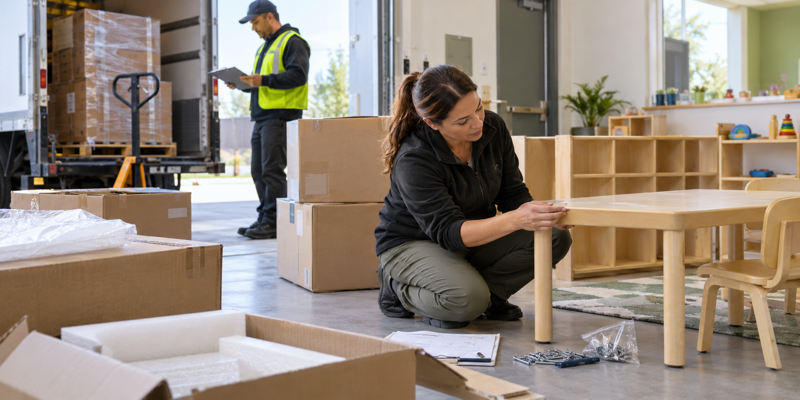
Freight depends on carton volume, weight, destination, delivery method, and whether the shipment needs a liftgate, inside delivery, or appointment service. Imported furniture may also involve duties, customs clearance, port charges, inland delivery, and local taxes.
If you are comparing a factory quotation with a local catalog price, compare the landed cost, not only the unit price:
Landed cost = product total + freight + duties and clearance + local delivery + installation + tax.
Ask which trade term the quote uses and what remains your responsibility.
Assembly, anchoring, and room preparation
Some furniture arrives ready to use; other pieces need assembly, wall anchoring, leveling, or adjustment. Include the labor and hardware needed for the actual room, not just the supplier’s standard assembly note.
Before delivery, check door widths, elevator limits, wall construction, floor condition, and the route from the receiving area to each classroom. A piece that fits the floor plan can still create a cost if it cannot be brought into the room efficiently.
Custom sizes, finishes, and packaging
Custom dimensions, colors, logos, special hardware, and room-specific packaging can be worthwhile for a multi-room project, but they usually add approval time and cost. Ask the supplier to separate standard items from custom items and confirm the final drawing before production.
Packaging may also change the delivered cost. Larger protective cartons can reduce damage but increase volume. For a substantial order, ask for carton dimensions, quantity, total shipping volume, and how damaged or missing parts will be handled.
Replacement parts and contingency
Set aside a contingency for damaged cartons, missing hardware, revised quantities, or an item that fails the room inspection. The exact percentage depends on your project, but a budget with no reserve is fragile. I recommend treating contingency as a visible line rather than hiding it inside every unit price, so you know what remains available.
How to Build a Daycare Furniture Budget Before Requesting Quotes
Before contacting furniture suppliers, prepare a basic purchasing plan for each classroom. You do not need to finalize every product, but suppliers need enough information to estimate quantities, recommend suitable furniture, and provide a meaningful quotation.
Start with Your Classroom Details
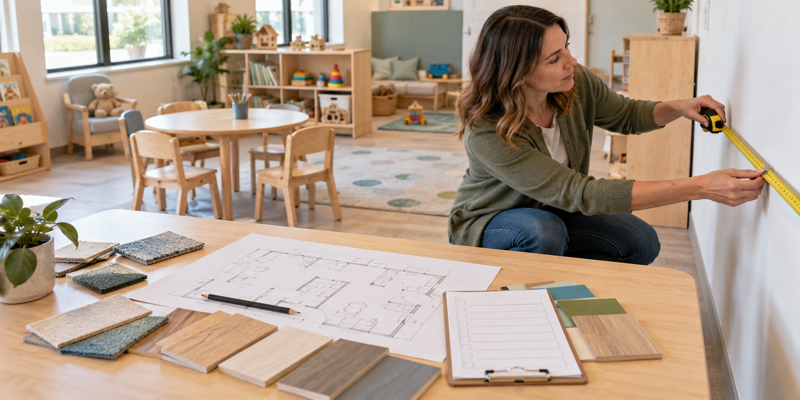
Record the number of rooms, age groups, planned child capacity, and room dimensions. If you have floor plans, share them with your supplier. These details help determine furniture sizes and quantities rather than relying on generic classroom packages.
Set a Budget for Each Room
Use your estimated classroom costs to establish a spending limit, then decide which items must be included in the initial order. If your available budget is below the estimated cost, identify the products you can postpone without affecting essential classroom functions.
Prepare a Room-by-room Furniture List
Include the furniture categories, estimated quantities, and any specific requirements. If you are unsure about certain products, ask your supplier to recommend suitable options.
Request Quotations Using the Same Requirements
Send each supplier the same floor plans, furniture list, budget range, and delivery destination. Ask for itemized prices and clear information about what is included. This makes it easier to compare quotations and identify missing products or charges.
You can also ask suppliers to suggest alternatives if your initial furniture selection exceeds your budget. A revised layout, standard furniture sizes, or different product configurations may help reduce costs without removing essential items.
How Can You Furnish a Daycare Without Overspending?
Keeping your daycare furniture budget under control starts with purchasing the right quantities, not simply choosing the lowest-priced products. Before placing an order, review how each room will be used and whether the furniture list matches your actual needs.
Finalize Your Room Layout Before Ordering
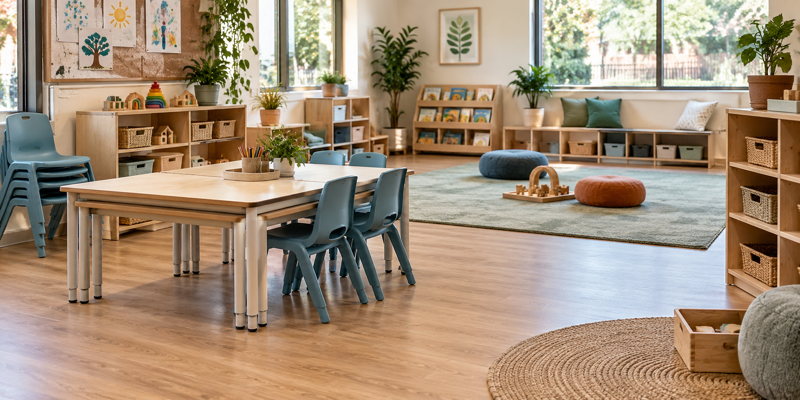
A furniture list created without a room layout can lead to unnecessary purchases. You may order more shelving than the room can accommodate or choose tables that leave insufficient circulation space.
Use a floor plan with actual room dimensions to check furniture sizes, placement, and quantities before approving your order. This is especially important when furnishing several classrooms with different age groups.
Avoid Duplicating Furniture Across Activity Areas
Not every learning area needs its own table, cabinet, or storage unit. For example, a preschool classroom may use the same tables for art activities and other tabletop work at different times.
Identify which activities take place simultaneously and which can share furniture. This helps you reduce unnecessary purchases without compromising how the classroom operates.
However, avoid reducing essential storage or choosing undersized furniture simply to lower the initial cost.
Separate Essential Furniture From Optional Additions
Some furniture is necessary for the classroom to operate as planned, while other pieces can be added later.
Before ordering, divide your furniture list into two groups:
| Purchase Priority | What to Include |
|---|---|
| Opening-Day Furniture | Required tables, chairs, sleep furniture, storage, infant care furniture, and furniture needed for planned daily activities |
| Later Additions | Additional display units, supplementary activity furniture, and other pieces that can be introduced without disrupting classroom operations |
This approach is particularly useful when opening several rooms at once. It allows you to protect the budget for essential furniture.
Compare Complete Furniture Packages, Not Just Unit Prices
Buying furniture individually from multiple suppliers may appear cheaper when comparing product prices. However, differences in delivery charges, packaging, assembly requirements, and product specifications can change the final cost.
Request an itemized quotation showing quantities, dimensions, unit prices, and the total cost for the agreed furniture package. If you are considering multiple suppliers, compare quotations covering equivalent products and services.
For larger projects, ask whether combining classroom furniture into one order offers better pricing or shipping efficiency.
Ask for a supplier’s project support before you commit
For a larger order, a useful supplier should be able to work from your room plan, explain assumptions, provide specifications, clarify packaging and shipping, and describe what happens if an item arrives damaged. Clear communication is part of the purchase value because it reduces rework and surprises.
How Do You Calculate Your Total Daycare Furniture Budget?
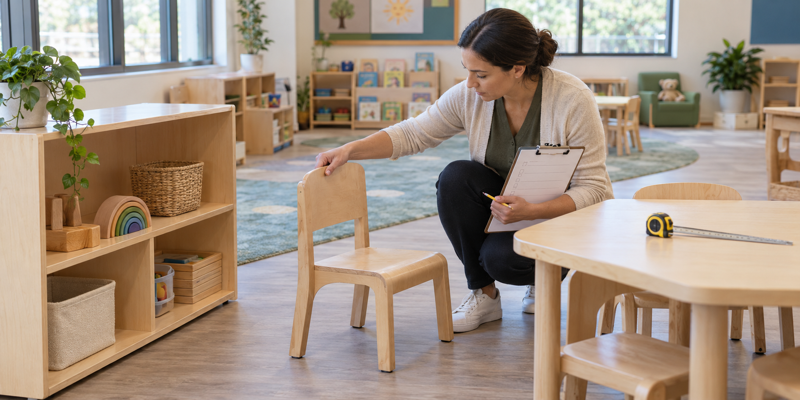
To estimate your total daycare furniture budget, start with the number and type of classrooms you plan to furnish. Calculate the furniture cost for each room, then add any furniture needed for shared spaces, such as reception areas, staff rooms, and common storage.
You can use this simple formula:
Total Furniture Budget = Classroom Furniture Costs + Shared-Space Furniture + Contingency Allowance
For example, suppose you are opening a daycare center with four classrooms: one infant room, one toddler room, and two preschool rooms. Using the planning ranges discussed earlier, your estimated budget might look like this:
| Room Type | Quantity | Estimated Cost per Room | Subtotal |
|---|---|---|---|
| Infant Room | 1 | $8,500–$16,000 | $8,500–$16,000 |
| Toddler Room | 1 | $6,500–$12,500 | $6,500–$12,500 |
| Preschool Room | 2 | $5,000–$10,000 | $10,000–$20,000 |
| Classroom Furniture Total | 4 | $25,000–$48,500 | |
| Shared-Space Furniture | — | — | $1,500–$3,000 |
| Furniture Subtotal | $26,500–$51,500 |
For this example, adding a 10% contingency allowance brings the estimated furniture budget to approximately $29,150–$56,650.
The contingency is a planning reserve for possible changes in quantities, product selections, or furniture requirements. It is not a supplier fee.
Once you have your classroom layout, replace these broad estimates with actual furniture quantities and unit prices. For example, rather than budgeting for storage as a single category, list the number of shelving units, cubbies, and cabinets required in each room.
Keep freight, taxes, and installation separate from this calculation so you can clearly compare the furniture purchase cost with the total delivered cost.
Preguntas frecuentes
Does Buying Daycare Furniture Directly From a Manufacturer Cost Less?
It can, particularly for larger classroom or multi-room orders. Buying directly may reduce retail markups and provide better volume pricing. However, compare the final delivered cost, as international freight and import charges can offset some of the savings.
Can I Purchase Daycare Furniture in Stages Without Losing Bulk Pricing?
You can arrange staged purchases, but the same bulk price is not always guaranteed for later orders. Ask whether your supplier can agree on pricing for the full planned quantity and allow deliveries in phases. Confirm any storage or additional shipping costs before agreeing.
Is There a Minimum Order Quantity for Daycare Furniture?
Minimum order quantities depend on the products you need. You can send us a mixed furniture list covering tables, chairs, shelves, and other classroom furniture, and we’ll confirm the order requirements based on your selections.
Can You Customize Daycare Furniture to Fit My Budget?
Yes. We can adjust furniture dimensions, materials, finishes, and configurations based on your project requirements. If you have a target budget, we can recommend suitable product options and identify where standard designs may help reduce costs.
Do You Charge for Daycare Classroom Layout Design?
No. Xiha Kidz provides free 2D and 3D classroom layout support. Share your floor plan, children’s age groups, and planned capacity, and we can help you organize furniture placement and prepare a suitable product list.
Conclusión
A well-planned budget can help you create classrooms that meet your needs without unnecessary spending. The goal is to make sure every furniture purchase supports how your daycare will operate, both now and as your program grows.
En Xiha Kidz, we help daycare owners and operators turn their project plans into complete furniture solutions. With factory-direct pricing, customizable products, and free classroom layout support, we make it easier to plan and furnish your space.




 Spanish
 English
 Arabic
 French
 Italian
 German
 Thai
 Japanese